What Is The Monetary Cost Of A Dental Cleaning?
A dental cleaning is one of the most common and important preventive dental services. It helps keep your teeth and gums healthy by removing plaque and tartar that you cannot remove at home. But how much does a dental cleaning actually cost in monetary terms? The answer depends on where you live, the type of cleaning you need, and whether you have dental insurance.
This guide will break down the monetary cost of a dental cleaning in the United States and other countries. You will learn what a cleaning includes, average prices, factors that affect the fee, insurance coverage, payment options, and tips to save money. By the end, you will know exactly what to expect and how to budget for your next dental visit.
What Is A Dental Cleaning?
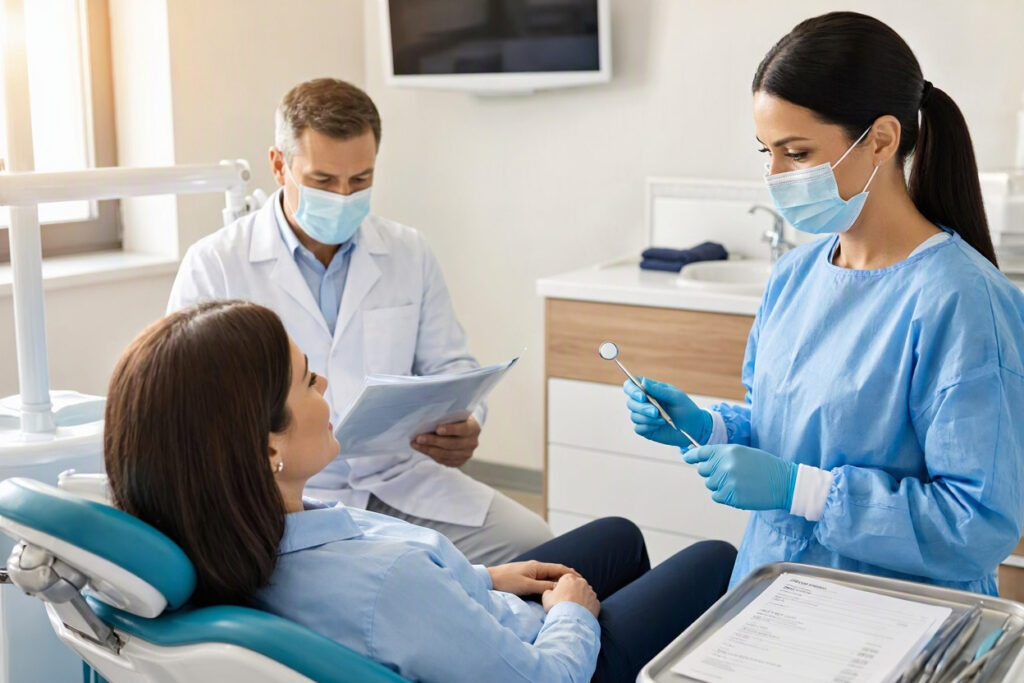
A dental cleaning, also called a prophylaxis or scale and clean, is a procedure performed by a dentist or dental hygienist. It involves:
- A visual examination of your teeth and gums
- Removal of plaque and tartar above the gum line
- Polishing to remove surface stains
- Flossing between teeth
- Fluoride treatment (sometimes)
- Oral hygiene advice
A routine cleaning is different from a deep cleaning (scaling and root planing). A deep cleaning goes below the gum line and is used to treat gum disease. A routine cleaning is for people with healthy gums and is usually done every six months.
Average Monetary Cost Of A Dental Cleaning
The monetary cost of a dental cleaning varies widely. In the United States, you can expect to pay between $75 and $200 for a routine cleaning. If you include an exam and X-rays, the total cost ranges from $150 to $400.
Here is a breakdown of average costs in the US:
| Service | Average Cost (USD) |
|---|---|
| Routine cleaning (prophylaxis) | $75 – $200 |
| New patient exam | $50 – $150 |
| Bitewing X-rays (2-4 films) | $50 – $150 |
| Full mouth X-rays | $100 – $250 |
| Fluoride treatment | $20 – $50 |
| Total for exam, cleaning, and X-rays | $150 – $400 |
These prices are for the United States. Costs in other countries can be lower or higher.
Regional Price Variations In The US
Dental fees vary by state and city. Here is a general comparison for a routine cleaning.
| Region | Average Cleaning Cost (USD) |
|---|---|
| Northeast (e.g., New York) | $100 – $250 |
| West Coast (e.g., California) | $90 – $220 |
| Midwest (e.g., Ohio) | $60 – $150 |
| South (e.g., Texas) | $50 – $140 |
| Southwest (e.g., Arizona) | $70 – $170 |
Big cities charge more than rural areas. If you live in a high-cost area, consider traveling to a nearby town for lower fees.
Dental Cleaning Costs Around The World
If you live outside the US, costs vary. Here is a general comparison for a routine cleaning.
| Country | Cleaning Cost (Local Currency) | Approx. USD |
|---|---|---|
| United States | $75 – $200 | $75 – $200 |
| Canada | CAD $80 – $250 | $60 – $185 |
| United Kingdom (NHS) | Band 1: £25.80 | $32 |
| United Kingdom (private) | £50 – £120 | $60 – $150 |
| Australia | AUD $100 – $250 | $65 – $165 |
| India | ₹500 – ₹2,000 | $6 – $25 |
| Mexico | MXN $500 – $1,500 | $25 – $75 |
| Thailand | THB $800 – $2,000 | $25 – $60 |
| Philippines | ₱500 – ₱2,000 | $10 – $40 |
In countries with universal healthcare, basic cleanings may be free or subsidized. In the US, most patients rely on dental insurance or pay out of pocket.
Factors That Influence The Monetary Cost
Several things affect how much you pay for a dental cleaning.
Geographic Location
Dentists in big cities charge more. Rent, staff salaries, and equipment costs are higher in urban areas. A cleaning in New York City may cost twice as much as the same cleaning in a small town in the Midwest.
Type Of Provider
A dentist may charge more than a dental hygienist for the same cleaning. Many offices have hygienists who perform routine cleanings at a lower cost. Ask who will be performing your cleaning.
New Patient Vs Established Patient
A new patient exam often costs more because it includes a comprehensive evaluation and X-rays. Established patient cleanings are usually shorter and cheaper.
Additional Services
Fluoride treatments, sealants, and X-rays add to the cost. If you need multiple services at one appointment, the total bill rises.
Complexity Of The Cleaning
A standard cleaning for a healthy mouth costs less. If you have heavy tartar buildup, bleeding gums, or deep pockets, you may need a more intensive cleaning, which costs more.
Insurance Status
If you have dental insurance, your cleaning may be covered at 100%. If you are uninsured, you pay the full fee.
Does Insurance Cover A Dental Cleaning?
In the United States, most dental insurance plans cover routine cleanings at 100%. This is because preventive care is cheaper than treating problems later. Coverage typically includes:
- Cleanings (usually twice per year)
- Exams
- X-rays (usually once per year)
- Fluoride treatments (for children and sometimes adults)
Medicaid and CHIP cover dental cleanings for children and some adults. Medicare does not usually cover routine dental care.
If you have no insurance, you pay out of pocket. Some dentists offer discounts for cash payments or for uninsured patients.
Payment Options And Financing
If you do not have insurance, you still have options:
- In-house payment plans: Monthly installments with low or no interest.
- Third-party financing: CareCredit, Cherry, and Sunbit offer dental loans.
- Dental savings plans: Discount plans that reduce fees by 10-60%.
- Community health centers: Sliding-scale fees based on income.
- Dental schools: Low-cost care under supervision.
- Health savings accounts (HSA): Use pre-tax dollars for qualified expenses.
- Flexible spending accounts (FSA): Use pre-tax dollars.
Ask your dentist about payment options before your appointment.
How To Save Money On A Dental Cleaning
- Get multiple quotes: Prices vary. Compare at least three dentists.
- Visit a dental school: Save 30-50% on cleanings and exams.
- Go to a community health center: Sliding-scale fees based on income.
- Join a dental savings plan: Save 10-60% at participating dentists.
- Use insurance benefits: Schedule before your annual maximum resets.
- Ask about new patient specials: Many offices offer discounted cleanings for first-time patients.
- Maintain good oral hygiene: Prevent tartar buildup so you need fewer cleanings.
- Use HSA or FSA funds: Pay with pre-tax dollars.
- Ask about payment plans: Spread the cost over several months.
- Look for free dental days: Some organizations offer free cleanings for children and adults.
The Dental Cleaning Procedure
1. Examination
The dentist or hygienist examines your teeth and gums. They may take X-rays if needed.
2. Scaling
Using special instruments, they remove plaque and tartar from your teeth above the gum line.
3. Polishing
A rotating brush and polishing paste smooth your teeth and remove surface stains.
4. Flossing
They floss between your teeth to remove any remaining plaque.
5. Fluoride Treatment
A fluoride gel or foam is applied to strengthen your enamel.
6. Oral Hygiene Advice
They give you tips on brushing, flossing, and diet.
The whole process usually takes 30 to 60 minutes.
Aftercare For A Dental Cleaning
After your cleaning, you may experience mild sensitivity for a day or two. This is normal. To care for your teeth:
- Brush twice daily with a soft-bristled brush.
- Floss daily.
- Avoid very hot or cold foods if you feel sensitivity.
- Use a fluoride toothpaste.
- Schedule your next cleaning in six months.
Expert Opinions
“A dental cleaning is the best investment you can make in your oral health. It costs a fraction of what a root canal or crown costs. Do not skip it.”
— Dr. Lisa Chen, General Dentist
“I always tell my patients to come in every six months. Preventive care saves money and saves teeth. It is that simple.”
— Dr. Marcus Johnson, DDS
Important Notes For Readers
Note 1: Prices in this article are estimates. Actual costs vary by dentist and location.
Note 2: Most insurance plans cover two cleanings per year. Check your plan.
Note 3: A routine cleaning is not the same as a deep cleaning. If you have gum disease, you may need a deep cleaning, which costs more.
Note 4: Do not skip cleanings if you have gum disease. Early treatment saves money and teeth.
Note 5: Ask about no-gap or discounted cleanings. Many clinics offer them.
Frequently Asked Questions
What is the monetary cost of a dental cleaning?
A routine dental cleaning costs between $75 and $200 in the US. With an exam and X-rays, the total is $150 to $400.
Does insurance cover a dental cleaning?
Yes, most dental insurance plans cover cleanings at 100%. Medicaid and CHIP also cover cleanings for children and some adults.
How often should I get a dental cleaning?
Most people need a cleaning every six months. If you have gum disease, you may need more frequent cleanings.
Does a dental cleaning hurt?
A routine cleaning is usually painless. If you have sensitive teeth or gum disease, you may feel some discomfort. Your dentist can use numbing gel.
What is the difference between a routine cleaning and a deep cleaning?
A routine cleaning removes plaque and tartar above the gum line. A deep cleaning goes below the gum line and is used to treat gum disease.
Can I get a free dental cleaning?
Some clinics offer free cleanings for children under the CDBS or through charity events. Adults may find free or low-cost cleanings at dental schools or community health centers.
How long does a dental cleaning take?
A routine cleaning usually takes 30 to 60 minutes.
Additional Resources
For more information about dental cleanings and oral health, visit the American Dental Association website. You can also search for Federally Qualified Health Centers in your area.
Conclusion
The monetary cost of a dental cleaning ranges from $75 to $200, with prices varying by location and provider. Insurance often covers cleanings at 100%, but uninsured patients can find affordable options at dental schools and community health centers. By scheduling regular cleanings, you can protect your smile and your wallet.