Who Shouldn’t Have Dental Implants?
Dental implants have earned their reputation as the gold standard for tooth replacement. Success rates exceeding 95 percent make them an excellent choice for most people with missing teeth. Yet dental implants are not the right solution for everyone. Certain medical conditions, lifestyle factors, and anatomical considerations can make implant treatment riskier or less likely to succeed.
Understanding who should not have dental implants is just as important as knowing who can benefit from them. This knowledge protects you from investing time and money in treatment that may fail. It also helps you have informed conversations with your dental provider about whether implants represent your best option or whether alternative treatments might serve you better.
I have written this guide to provide honest, realistic information about implant contraindications. Too many people receive implants without fully understanding their personal risk factors. Others avoid implants unnecessarily because they have heard outdated information about who qualifies. The truth lies somewhere in between, and this guide will help you find it.
Understanding Contraindications: Absolute vs. Relative
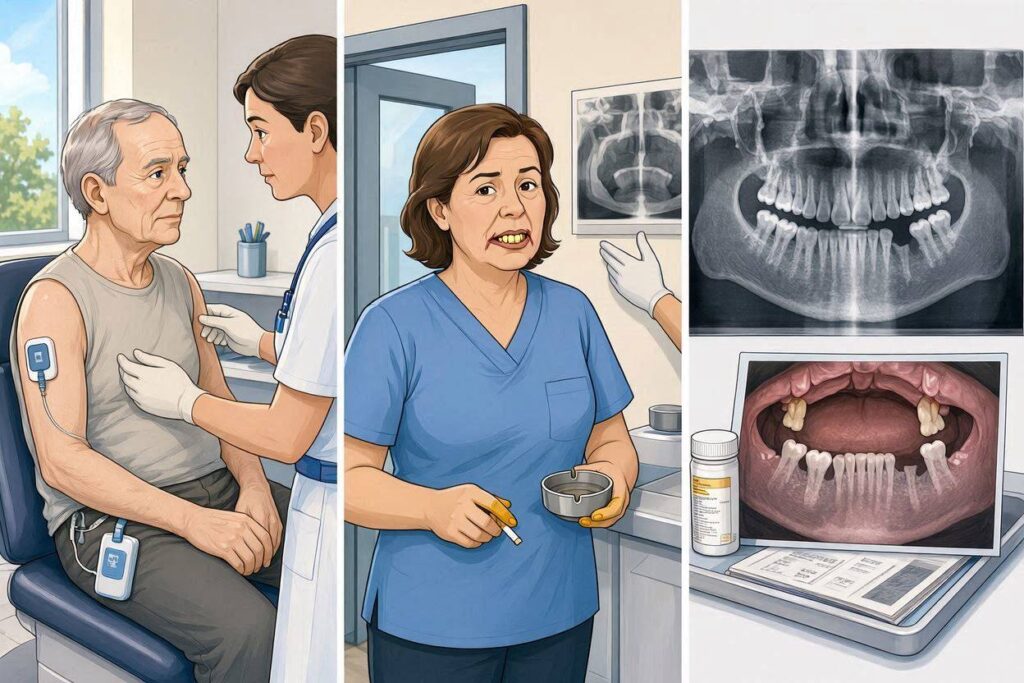
Medical professionals distinguish between absolute and relative contraindications when evaluating treatment suitability. This distinction matters for dental implants.
Absolute Contraindications
Absolute contraindications are conditions that make implant treatment unsafe or impossible regardless of circumstances. Patients with absolute contraindications should not receive dental implants. These situations are relatively rare, but they do exist.
Ongoing intravenous bisphosphonate therapy for cancer treatment represents one of the few absolute contraindications to dental implant placement. The risk of medication-related osteonecrosis of the jaw is significant enough that elective dental surgery, including implant placement, is contraindicated.
Uncontrolled systemic diseases that make any elective surgery dangerous also represent absolute contraindications until the underlying condition is stabilized. Active, untreated malignancies in the jaw area preclude implant placement. Severe bleeding disorders that cannot be managed medically make surgical procedures unsafe.
Relative Contraindications
Relative contraindications are conditions that increase implant failure risk or complicate treatment but do not necessarily prevent it. Many patients with relative contraindications can successfully receive implants when appropriate precautions are taken and risk factors are managed.
Most contraindications discussed in this guide are relative rather than absolute. They require careful evaluation, risk assessment, and sometimes additional treatment before implant placement can proceed safely. Your dental provider should discuss these factors with you openly and help you understand how they affect your individual situation.
Medical Conditions Affecting Implant Candidacy
Several medical conditions can affect implant success rates and require careful evaluation.
Uncontrolled Diabetes
Diabetes affects wound healing and infection resistance, two factors critical to implant success. Poorly controlled diabetes with chronically elevated blood sugar levels significantly increases implant failure risk. The healing process after implant placement depends on adequate blood supply and cellular function, both compromised by uncontrolled diabetes.
Well-controlled diabetes does not prevent implant treatment. Patients with hemoglobin A1c levels within target ranges can achieve implant success rates approaching those of non-diabetic patients. Close coordination between your dentist and your physician ensures your diabetes is optimally managed before and after implant surgery.
Stable blood sugar during the healing period is particularly important. The weeks following implant placement represent the period of greatest vulnerability to healing complications. Maintaining good glycemic control during this time supports successful osseointegration.
Immunosuppression and Autoimmune Conditions
Conditions that suppress immune function can affect implant healing and long-term maintenance. HIV infection, when well-controlled with antiretroviral therapy and associated with adequate CD4 counts, does not absolutely preclude implant treatment. Uncontrolled HIV with severely compromised immune function presents greater risk.
Autoimmune conditions including rheumatoid arthritis, lupus, and scleroderma may affect implant outcomes through various mechanisms. Some of these conditions directly affect oral tissues. Medications used to treat autoimmune conditions, particularly corticosteroids and biologic agents, may affect healing.
Patients with autoimmune conditions can often receive implants successfully with appropriate medical management and modified treatment protocols. Coordination between your dental provider and your rheumatologist or immunologist supports optimal outcomes.
Osteoporosis and Bone Metabolism Disorders
Osteoporosis does not prevent implant placement, but it requires consideration. Decreased bone density can affect implant stability, particularly in the initial healing period. However, research shows that osteoporotic patients can achieve successful implant outcomes with appropriate techniques and healing time allowances.
The greater concern relates to medications used to treat osteoporosis. Oral bisphosphonates taken for osteoporosis treatment have been associated with a small risk of medication-related osteonecrosis of the jaw after dental surgery. The risk is much lower than with intravenous bisphosphonates used for cancer treatment, but it exists.
Patients taking oral bisphosphonates for more than three years may benefit from a drug holiday before implant surgery, though this decision requires consultation with the prescribing physician. Newer osteoporosis medications including denosumab and romosozumab have their own risk profiles requiring evaluation.
Cardiovascular Conditions
Most cardiovascular conditions do not prevent implant treatment. Well-controlled hypertension, stable coronary artery disease, and managed heart failure generally allow safe implant placement. The concern relates more to medications used to treat these conditions than to the conditions themselves.
Anticoagulant and antiplatelet medications require particular attention. Patients taking warfarin, clopidogrel, apixaban, rivaroxaban, or similar medications have increased bleeding risk during surgery. However, stopping these medications may create greater risk from thromboembolic events than the bleeding risk they present.
Current guidelines generally recommend continuing anticoagulant and antiplatelet medications for routine dental implant surgery, with local hemostatic measures to control bleeding. Your implant provider should coordinate with your cardiologist or primary care physician regarding medication management around the time of surgery.
Oral Health Conditions Affecting Implant Success
Conditions affecting your mouth directly impact implant outcomes.
Active Periodontal Disease
Active gum disease represents a significant risk factor for implant failure. The same bacteria that cause periodontitis can infect tissues around implants, causing peri-implantitis. This condition can lead to bone loss and implant failure similar to how periodontitis causes tooth loss.
Periodontal disease must be treated and controlled before implant placement. This treatment may involve deep cleaning procedures, antimicrobial therapy, and sometimes surgical intervention. Your periodontal health should be stable before implants are placed.
Ongoing periodontal maintenance after implant placement is essential. Patients with a history of periodontal disease require diligent home care and regular professional maintenance to protect both remaining natural teeth and implants.
Insufficient Bone Quantity or Quality
Adequate bone volume is essential for implant placement. The implant must be surrounded by sufficient bone to achieve primary stability at placement and to support long-term osseointegration. Bone deficiency in either quantity or quality can complicate or prevent implant treatment.
Bone deficiency does not necessarily prevent implants. Bone grafting procedures can augment deficient areas, creating adequate volume for implant placement. Sinus lift procedures can increase bone height in the posterior upper jaw. Ridge augmentation can restore width to narrow ridges.
However, some patients lack sufficient bone for grafting or have medical conditions making grafting procedures inadvisable. In these situations, alternative treatments including conventional bridges or dentures may be more appropriate.
Chronic Bruxism and Parafunctional Habits
Teeth grinding and clenching place excessive forces on natural teeth and implants alike. While natural teeth have a periodontal ligament that provides some shock absorption, implants are rigidly fixed to bone without this cushioning mechanism.
Severe bruxism can overload implants, potentially causing mechanical complications including screw loosening, restoration fracture, or even implant failure in extreme cases. Patients with severe grinding habits require careful evaluation before implant treatment.
Bruxism does not absolutely prevent implant treatment. Protective measures including night guards, careful implant positioning, and appropriate restoration design can reduce risk. However, patients with severe, uncontrolled grinding should understand the increased risk they face.
Lifestyle Factors and Behavioral Considerations
Your habits and behaviors significantly influence implant success.
Tobacco Use
Smoking represents one of the strongest risk factors for implant failure. Smokers experience implant failure rates significantly higher than non-smokers. Nicotine causes vasoconstriction, reducing blood flow to oral tissues and compromising healing. Smoking also impairs immune function and increases infection risk.
The detrimental effects are dose-dependent. Heavy smokers face greater risk than light smokers. All forms of tobacco use, including chewing tobacco and vaping, may affect implant outcomes, though research on newer nicotine delivery systems remains limited.
Smoking cessation before implant treatment significantly improves outcomes. Patients who quit smoking at least two weeks before surgery and remain abstinent during the healing period achieve better results than those who continue smoking. Some implant providers decline to treat active smokers, while others proceed with appropriate informed consent about increased risk.
Alcohol Consumption
Excessive alcohol consumption can affect implant outcomes through multiple mechanisms. Alcohol impairs immune function and wound healing. Chronic heavy drinking may affect bone metabolism. Alcohol use may also correlate with poor oral hygiene and missed maintenance appointments.
Moderate alcohol consumption does not appear to significantly affect implant success. The concern relates to heavy, chronic use rather than occasional drinking. Be honest with your implant provider about your alcohol consumption so they can provide appropriate guidance.
Oral Hygiene Commitment
Dental implants require the same meticulous oral hygiene as natural teeth. Patients unwilling or unable to maintain good oral hygiene face high risk of peri-implant disease and eventual implant loss. This factor is entirely within patient control.
Before proceeding with implants, honestly evaluate your willingness to maintain daily implant care and attend regular professional maintenance appointments. Implants represent a significant investment that requires ongoing commitment to protect.
Age Considerations for Dental Implants
Age alone rarely determines implant candidacy, but age-related factors require consideration.
Pediatric and Adolescent Patients
Dental implants are generally contraindicated in growing children and adolescents. The jaw continues growing and developing into the late teenage years. Implants placed before growth completion will not move with growing bone, potentially resulting in significant esthetic and functional problems.
The appropriate age for implant placement varies individually based on growth completion. Girls typically complete jaw growth earlier than boys. Dental and skeletal maturity assessment helps determine when implant placement becomes appropriate. Most practitioners wait until at least late adolescence before considering implants.
Elderly Patients
Advanced age alone does not prevent implant treatment. Many patients in their eighties and nineties receive implants successfully. The considerations for older patients relate to medical comorbidities and functional status rather than chronological age.
Older patients may take multiple medications affecting implant treatment. Polypharmacy increases the risk of drug interactions and side effects affecting oral health. Medical conditions more common in older populations require evaluation and management.
However, implants can significantly improve quality of life for elderly patients struggling with conventional dentures. Improved nutrition, social confidence, and comfort make implants valuable for appropriately selected older patients.
Psychological and Neurological Considerations
Mental health and neurological conditions can affect implant treatment planning and outcomes.
Severe Mental Health Conditions
Uncontrolled severe mental illness may affect implant candidacy not because of direct biological effects but because of impacts on oral hygiene maintenance, follow-up care attendance, and treatment tolerance. Patients with well-managed mental health conditions can receive implants successfully.
The key factor is whether the patient can maintain adequate oral hygiene and participate in ongoing implant care. A patient’s support system, living situation, and stability of their mental health condition all influence this determination.
Neurological Conditions Affecting Oral Function
Conditions affecting motor control, including Parkinson’s disease, cerebral palsy, and stroke sequelae, may affect oral hygiene ability and implant loading patterns. These conditions do not prevent implant treatment but require individualized evaluation.
Patients with severe movement disorders placing extreme forces on implants or preventing adequate hygiene may not be ideal implant candidates. Those with milder involvement can often succeed with implants, sometimes with modifications to restoration design or caregiver assistance with hygiene.
Cognitive Impairment
Progressive cognitive conditions including Alzheimer’s disease and other dementias raise questions about the timing and appropriateness of implant treatment. Early-stage cognitive impairment may not prevent implant treatment, but anticipated disease progression should factor into decision-making.
The ability to maintain implant hygiene as cognitive function declines must be considered. For patients expected to lose the ability to perform oral hygiene independently, implants may still be appropriate if caregiver support will be available.
Medication-Related Considerations
Medications you take can significantly affect implant treatment planning.
Bisphosphonates and Antiresorptive Medications
Medications affecting bone metabolism deserve special attention in implant treatment planning. Bisphosphonates, whether oral or intravenous, have been associated with medication-related osteonecrosis of the jaw following dental surgery.
Intravenous bisphosphonates used in cancer treatment carry the highest risk and generally represent a contraindication to elective implant surgery. Oral bisphosphonates used for osteoporosis carry lower but real risk, particularly with longer duration of use.
Denosumab, romosozumab, and other newer antiresorptive medications have their own risk profiles. Patients taking any of these medications should discuss implant plans with both their dental provider and prescribing physician.
Anticoagulants and Antiplatelet Agents
Blood-thinning medications increase bleeding risk during implant surgery but are rarely a reason to avoid implants entirely. The risk of stopping these medications usually exceeds the bleeding risk from implant surgery.
Your implant provider should coordinate with your prescribing physician regarding medication management. Most patients can continue anticoagulant medications with local hemostatic measures during surgery. Laboratory testing may be performed before surgery to ensure coagulation parameters are within safe ranges.
Immunosuppressive Medications
Corticosteroids, chemotherapy agents, biologic medications for autoimmune conditions, and anti-rejection medications for transplant recipients all suppress immune function and may affect healing. The degree of immunosuppression and the specific medication regimen determine the level of concern.
Patients taking these medications can often receive implants with appropriate precautions and modified treatment protocols. Consultation with the prescribing physician helps determine optimal timing and any medication adjustments that might improve outcomes.
Alternative Treatments When Implants Are Not Recommended
When implants are not the right choice, several alternative treatments exist.
Fixed Bridges
Conventional fixed bridges replace missing teeth by crowning adjacent teeth and suspending a false tooth between them. Bridges provide good function and esthetics without surgery. They require preparation of adjacent teeth, which is their primary disadvantage compared to implants.
Modern adhesive bridges, sometimes called Maryland bridges, minimize preparation of adjacent teeth. These bridges bond to the back surfaces of neighboring teeth, preserving more natural tooth structure.
Removable Partial Dentures
Partial dentures replace missing teeth with a removable appliance. They cost less than implants or bridges and require no surgery. Modern partial dentures use lightweight metal frameworks or flexible materials for improved comfort and esthetics.
The removable nature of partial dentures is both their advantage and disadvantage. They require removal for cleaning and may affect speech and eating. However, they provide a non-surgical option when implants are contraindicated.
Complete Dentures
For patients missing all teeth in an arch, conventional complete dentures offer a non-surgical replacement option. Modern dentures provide reasonable function and esthetics at lower cost than implant-supported alternatives.
Implant-retained overdentures using fewer implants may provide a middle ground for patients who cannot receive enough implants for fixed restorations but can tolerate limited implant placement.
Frequently Asked Questions About Implant Contraindications
Can I get dental implants if I have diabetes?
Yes, if your diabetes is well-controlled. Poorly controlled diabetes with chronically elevated blood sugar increases implant failure risk. Well-controlled diabetes with hemoglobin A1c within target ranges allows implant success rates approaching those of non-diabetic patients. Coordinate care between your dentist and physician.
Does smoking absolutely prevent dental implants?
Smoking does not absolutely prevent implant treatment, but it significantly increases failure risk. Some implant providers decline to treat heavy smokers. Smoking cessation before and after implant placement improves outcomes substantially. Discuss your smoking status honestly with your implant provider.
Can I get implants if I have osteoporosis?
Yes, osteoporosis does not prevent implant treatment. The greater concern relates to osteoporosis medications, particularly bisphosphonates. Discuss your medication history with your implant provider. Patients taking bisphosphonates may require modified treatment planning after consultation with their prescribing physician.
Are there age limits for dental implants?
Implants are generally not placed in growing children and adolescents because jaw growth is not complete. Beyond growth completion, there is no upper age limit for implants. Elderly patients can receive implants successfully when medical conditions are managed appropriately.
What if I don’t have enough bone for implants?
Bone deficiency can often be addressed through bone grafting procedures. However, some patients have insufficient bone even for grafting or medical conditions making grafting inadvisable. Alternative treatments including bridges or dentures may be more appropriate in these situations.
Can I get implants if I have gum disease?
Active periodontal disease must be treated before implant placement. Uncontrolled gum disease increases risk of peri-implantitis and implant failure. Once periodontal health is established and maintained, implants can be placed successfully.
Conclusion
Most people with missing teeth can successfully receive dental implants, but certain conditions increase risk or make implants inadvisable. Uncontrolled systemic diseases, certain medications particularly intravenous bisphosphonates, active periodontal disease, heavy smoking, and incomplete jaw growth represent significant concerns requiring careful evaluation. Many relative contraindications can be managed through medical optimization, lifestyle modifications, and modified treatment protocols. Honest discussion with your dental provider about your health history enables appropriate treatment planning whether that involves implants or alternative tooth replacement options.