Will The Military Cover The Cost Of Braces?
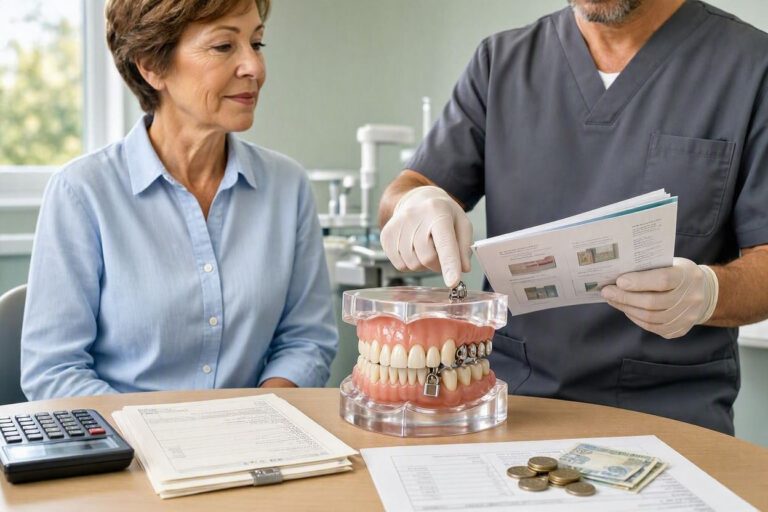
Orthodontic treatment is a significant investment. For military families, the question of whether braces are covered is particularly important. The answer is not a simple yes or no. It depends on your status, the dental plan you are enrolled in, and the specific circumstances of your case.
The military provides dental care through several programs. Active duty service members receive care through military dental clinics. Dependents and retirees access care through the TRICARE Dental Program. Each program has different rules regarding orthodontic coverage. Understanding these distinctions is essential for planning your family’s dental care.
This guide explains how orthodontic coverage works across the military healthcare system. You will learn about eligibility, coverage limits, out-of-pocket costs, and how to navigate the system effectively.
Active Duty Service Members and Orthodontic Care
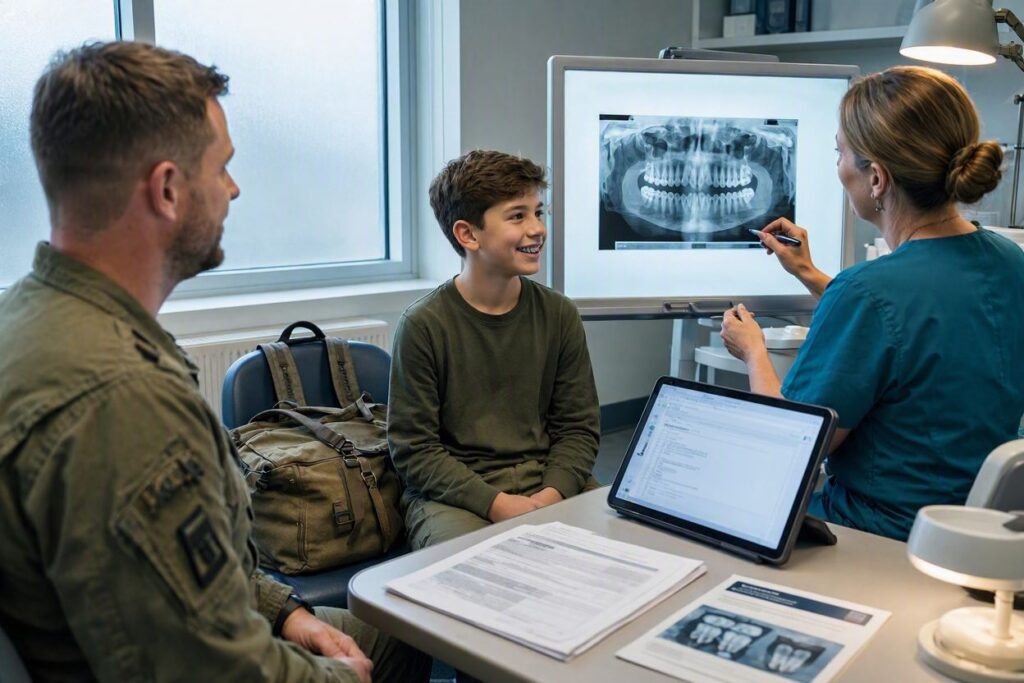
Active duty service members receive dental care through military dental clinics. These clinics are operated by the Army, Navy, Air Force, and Marine Corps. The care is provided at no cost to the service member.
However, orthodontic treatment for active duty members is not automatic. Braces are only provided when they are deemed medically necessary. Cosmetic orthodontics are not covered. The military defines medical necessity narrowly. A service member with a severe bite problem that affects function may qualify. A service member who simply wants straighter teeth for aesthetic reasons will not.
The referral process begins with an examination by a military dentist. If the dentist identifies a significant orthodontic issue, they refer the service member to a military orthodontist for evaluation. The orthodontist determines whether treatment is warranted based on established criteria.
If approved, the treatment is provided at no cost. However, the service member must be available for the duration of treatment. Deployments and permanent change of station moves can disrupt orthodontic care. The military considers this when approving treatment. Service members with imminent deployments may have their treatment deferred.
The TRICARE Dental Program for Dependents
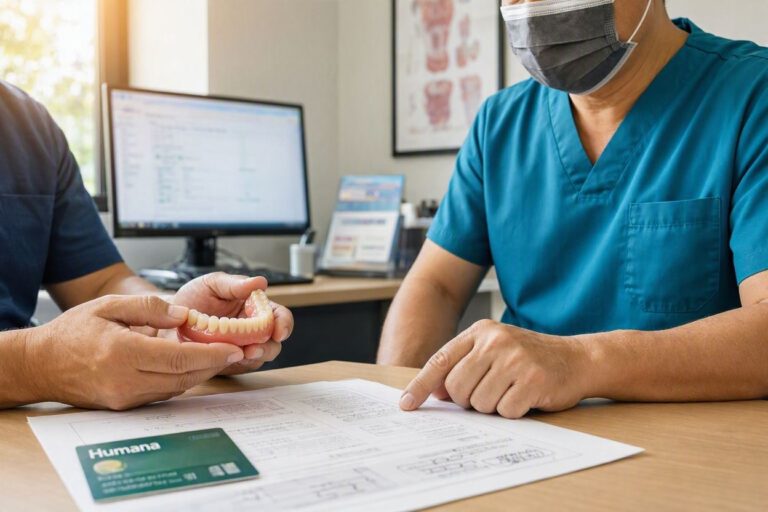
Dependents of active duty service members receive dental care through the TRICARE Dental Program. This is a voluntary enrollment program with monthly premiums. It is administered by a private insurance company under contract with the Department of Defense.
The TRICARE Dental Program covers orthodontic treatment for eligible dependents. However, the coverage is not unlimited. It includes braces and other orthodontic appliances when they are medically necessary to correct a severe malocclusion.
Eligibility for Dependent Orthodontic Coverage
To receive orthodontic coverage, dependents must be enrolled in the TRICARE Dental Program. Enrollment is not automatic. The sponsor must actively enroll eligible family members and pay monthly premiums.
The program covers dependent children up to age 21, or age 23 if they are full-time students. Spouses are also eligible for orthodontic coverage. The key requirement is that the treatment must be medically necessary, not purely cosmetic.
The Orthodontic Evaluation Process
Before treatment begins, the dependent must undergo an orthodontic evaluation. A network orthodontist assesses the severity of the malocclusion. They use standardised criteria to determine whether treatment is medically necessary.
The evaluation produces a score based on the severity of the problem. Cases that meet the threshold for medical necessity are approved for coverage. Cases that fall below the threshold are considered cosmetic and are not covered.
Coverage Limits and Out-of-Pocket Costs
The TRICARE Dental Program covers orthodontic treatment at 50 percent of the approved amount. This means you pay the other 50 percent out of pocket. The program has a lifetime maximum benefit for orthodontic treatment. This maximum is typically $1,750 per beneficiary.
This means the program will pay up to $1,750 over the lifetime of the beneficiary for orthodontic care. Once this limit is reached, you are responsible for the full cost of any additional treatment.
The total cost of braces typically ranges from $3,000 to $7,000. With the TRICARE Dental Program covering 50 percent up to $1,750, you can expect to pay between $1,500 and $5,250 out of pocket, depending on the total cost.
| Item | Details |
|---|---|
| Coverage percentage | 50% of approved amount |
| Lifetime maximum benefit | $1,750 per beneficiary |
| Typical total cost of braces | $3,000 – $7,000 |
| Typical out-of-pocket cost | $1,500 – $5,250 |
| Age limit for dependents | 21 (or 23 if full-time student) |
The TRICARE Retiree Dental Program
Retirees and their family members access dental care through the TRICARE Retiree Dental Program. This program is similar to the active duty dependent program but has some differences.
The Retiree Dental Program also covers orthodontic treatment at 50 percent. The lifetime maximum benefit is $1,750 per beneficiary. The same medical necessity criteria apply. Cosmetic orthodontics are not covered.
Retirees should carefully review the program details. The monthly premiums are higher for retirees than for active duty dependents. However, the orthodontic benefits are similar.
The Federal Employees Dental and Vision Insurance Program
Some military members and retirees may be eligible for the Federal Employees Dental and Vision Insurance Program. This program is available to federal employees, including some categories of military personnel and retirees.
The orthodontic coverage under this program varies by plan. Some plans offer orthodontic benefits with a lifetime maximum of $2,000 or more. Others offer limited coverage or none at all. Review the specific plan details before enrolling.
Medical Necessity Criteria for Braces
The military uses specific criteria to determine whether orthodontic treatment is medically necessary. These criteria are based on the severity of the malocclusion. Common qualifying conditions include:
- Severe overbite or overjet
- Crossbite affecting multiple teeth
- Impacted teeth that cannot erupt properly
- Jaw discrepancies that affect function
- Severe crowding that causes cleaning difficulties
- Speech or eating difficulties caused by tooth alignment
A minor misalignment that does not affect function is generally considered cosmetic. These cases are not covered by military dental programs.
The Cost of Braces Without Military Coverage
If you do not qualify for military orthodontic coverage, you will need to pay for braces yourself. The cost varies depending on the type of braces and the complexity of the case.
Traditional metal braces cost between $3,000 and $7,000. Ceramic braces cost between $4,000 and $8,000. Lingual braces, which are placed behind the teeth, cost between $8,000 and $10,000. Invisalign clear aligners cost between $3,500 and $8,000.
Many orthodontists offer payment plans. You can spread the cost over the duration of treatment, typically 18 to 24 months. This makes braces more affordable on a monthly basis.
Alternatives to Traditional Orthodontic Coverage
If you need braces but do not qualify for military coverage, several alternatives exist.
Dental Schools
Dental schools with orthodontic programs offer braces at reduced prices. Students provide treatment under the supervision of experienced orthodontists. The cost is typically 40 to 60 percent less than private practice.
Dental Discount Plans
Dental discount plans offer reduced rates at participating orthodontists. You pay an annual membership fee and receive discounts of 20 to 50 percent on orthodontic treatment.
Flexible Spending Accounts
If you have access to a Flexible Spending Account, you can use pre-tax dollars to pay for braces. This effectively reduces your cost by your tax rate. The annual contribution limit is $3,200 in 2024.
Payment Plans from Orthodontists
Most orthodontists offer in-house payment plans. You make a down payment and then pay monthly instalments over the course of treatment. These plans often have no interest if paid within the treatment period.
Real Experiences from Military Families
Hearing from other military families provides valuable perspective.
The Johnson Family, Army: Their 14-year-old daughter needed braces for a severe overbite. The TRICARE Dental Program covered 50 percent of the cost. Their total out-of-pocket expense was $2,800. “The coverage helped significantly. We paid the balance over two years with a payment plan.”
The Rodriguez Family, Navy: Their son had minor crowding that did not meet the medical necessity threshold. They paid for braces themselves, costing $4,500. “It was frustrating that the military would not cover it, but we understood the rules. We used a flexible spending account to save on taxes.”
Sergeant Miller, Air Force: As an active duty member, he received orthodontic treatment at a military dental clinic at no cost. “I had a significant bite problem. The military approved the treatment because it affected my ability to chew properly.”
“The key is understanding the rules before you start. Ask for a pre-authorization from TRICARE before committing to treatment. That way, you know exactly what is covered and what you will pay.” – Captain Williams, Marine Corps spouse
How to Get Pre-Authorization for Orthodontic Treatment
Before starting orthodontic treatment, you should obtain pre-authorization from your dental program. This process confirms that the treatment is covered and specifies the amount the program will pay.
Step 1: Schedule an Evaluation
Visit a network orthodontist for an evaluation. The orthodontist will assess your case and determine whether treatment is medically necessary.
Step 2: Submit the Treatment Plan
The orthodontist submits a treatment plan to the dental program for review. This plan includes the diagnosis, proposed treatment, and cost.
Step 3: Receive the Authorization
The dental program reviews the plan and issues a determination. If approved, you receive an authorization letter specifying the covered amount. If denied, you have the right to appeal.
Step 4: Begin Treatment
Once authorized, you can begin treatment. The dental program pays its portion directly to the orthodontist. You are responsible for your share.
Frequently Asked Questions
Does the military pay for braces for active duty members?
Active duty members may receive braces at no cost if the treatment is medically necessary. Cosmetic orthodontics are not covered.
Does TRICARE cover braces for dependents?
Yes. The TRICARE Dental Program covers orthodontic treatment at 50 percent up to a lifetime maximum of $1,750 per beneficiary.
How much do braces cost with TRICARE?
With TRICARE coverage, you can expect to pay between $1,500 and $5,250 out of pocket, depending on the total cost of treatment.
What qualifies as medically necessary orthodontics?
Severe overbites, crossbites, impacted teeth, and jaw discrepancies that affect function qualify. Minor misalignment is considered cosmetic.
Can retirees get orthodontic coverage?
Yes. The TRICARE Retiree Dental Program offers similar orthodontic benefits to the active duty dependent program.
Is Invisalign covered by TRICARE?
Invisalign may be covered if it is deemed medically necessary and is the appropriate treatment for the case. The same coverage limits apply.
How do I find a TRICARE network orthodontist?
Use the online provider directory on the TRICARE Dental Program website. You can search for orthodontists in your area who participate in the network.
Additional Resource
For detailed information about TRICARE dental coverage and orthodontic benefits, visit the official TRICARE Dental Program website: https://www.tricare.mil/dental
Conclusion
The military covers the cost of braces in specific circumstances. Active duty members may receive free orthodontic care if treatment is medically necessary. Dependents and retirees can access coverage through the TRICARE Dental Program, which pays 50 percent up to a $1,750 lifetime maximum. Understanding the eligibility criteria and obtaining pre-authorization before treatment helps you plan financially and avoid unexpected costs.