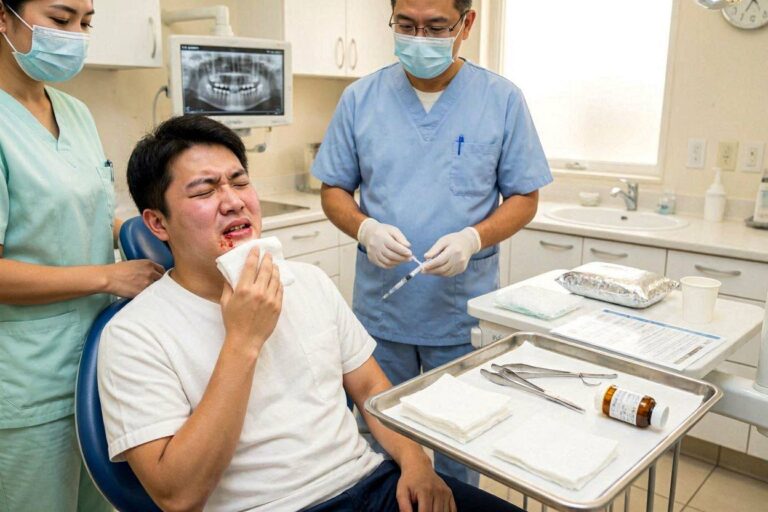
Does Swelling from Gum Disease Go Away?
You brush your teeth, floss, and try to do everything right. Then one morning, you notice it. Your gums look puffy. They might feel tender. Maybe they bleed a little when you eat an apple.
That feeling of swelling in your mouth is uncomfortable. It is also worrying. You want to know one thing: Does swelling from gum disease go away?
The short answer is: It depends.
The longer answer is much more helpful. The truth is that gum swelling can disappear completely. But it can also come back. It can even get worse if you ignore it.
In this guide, we will explore exactly why gums swell, when the swelling goes away on its own, and when you need professional help. You will learn practical steps to reduce swelling today. You will also discover how to keep your gums healthy for years.
Let us begin.
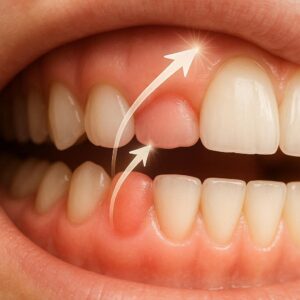
Understanding Gum Disease and Swelling
Before we talk about solutions, we need to understand the problem. Gum disease is not one single event. It is a process. It happens in stages.
What Causes Gums to Swell?
Your mouth is full of bacteria. This is normal. Most of these bacteria are harmless. But when you eat, food particles mix with bacteria. They form a sticky film called plaque.
Plaque loves to hide along your gumline. If you do not remove it within 24 to 48 hours, something changes. Your immune system notices the bacteria. It sends blood and fluids to the area. This is inflammation.
That inflammation is the swelling you feel.
Important Note: Swelling is not the disease itself. Swelling is your body’s alarm system. It is telling you that bacteria are overstaying their welcome.
Gingivitis vs. Periodontitis: Two Different Stories
Not all gum disease is the same. The swelling behaves differently depending on the stage.
| Feature | Gingivitis | Periodontitis |
|---|---|---|
| What it is | Early, mild gum disease | Advanced infection below the gumline |
| Swelling | Common and usually reversible | May be present, but often with bone loss |
| Pain | Rarely painful; mostly tender | Can be painful, especially with abscesses |
| Does swelling go away? | Yes, often within 1–2 weeks of good care | Partially, but damage is permanent |
| Requires a dentist? | Not always, but recommended | Always, yes |
Understanding this table is key. If you have gingivitis, you have a great chance of making the swelling go away by yourself. If you have periodontitis, you need help.
Signs That Swelling Is From Gum Disease
How do you know it is gum disease and not something else? Look for these signs:
-
Gums that look red instead of pink.
-
Gums that feel puffy or spongy.
-
Bleeding when you brush or floss.
-
Bad breath that does not go away.
-
A bad taste in your mouth.
If you have these signs, the swelling is almost certainly from gum disease.
Does Swelling from Gum Disease Go Away on Its Own?
This is the question most people want answered. Let us be completely honest.
No, swelling from gum disease does not go away on its own if you keep living the same way.
Swelling is a symptom. It is like a warning light on your car dashboard. If you ignore the light, the problem gets worse. If you remove the cause, the light turns off.
The cause of the swelling is bacteria in plaque. If you do not remove the plaque, the bacteria keep attacking. Your immune system keeps sending inflammation. The swelling stays.
When Swelling Might Seem to Go Away
Sometimes people notice something strange. Their gums swell for a few days. Then the swelling seems to go down. They think the problem is solved.
This can happen for two reasons:
-
Your immune system adapts. It stops sending a strong signal. But the bacteria are still there. The disease is quietly getting worse.
-
The infection moves deeper. Surface swelling might reduce, but the infection now attacks the bone. This is more dangerous.
Never assume that less visible swelling means you are healthy.
The Only Way Swelling Goes Away for Good
The swelling goes away when you remove the cause. That means:
-
Plaque is thoroughly cleaned from your teeth and gums.
-
The bacterial load is reduced.
-
Your immune system stops reacting.
This can happen with better home care. It can happen with professional cleaning. But it never happens by magic.
Reader Tip: If you wake up one day and your gum swelling is gone without you doing anything different, be suspicious. The problem is likely still there, just hidden.
How Long Does It Take for Gum Swelling to Go Away?
People love timelines. We want to know exactly when we will feel better. With gum swelling, the timeline depends on your actions.
With Proper Home Care (Gingivitis Only)
If you have early gingivitis, you can see results fast.
-
Day 1–3: You start brushing and flossing correctly. The bleeding might increase slightly at first. Do not stop. This is normal.
-
Day 4–7: Swelling begins to visibly reduce. Gums look less red.
-
Day 8–14: Most swelling disappears. Gums look pink and firm again.
-
Day 14–21: Full healing. No bleeding. No swelling.
This timeline only works if you are consistent. Missing one day of flossing can set you back.
After a Professional Dental Cleaning
If you visit a dental hygienist, the timeline is faster.
-
Within 24 hours: The deep cleaning removes the bacterial cause. Swelling starts to drop.
-
2–3 days: Most patients notice significant improvement.
-
1 week: Gums look healthy. Bleeding stops completely.
-
2 weeks: Full recovery for gingivitis cases.
For periodontitis, swelling may improve in one week. But some swelling might remain if bone loss has changed the shape of your gums.
If You Do Nothing
We need to be realistic. If you do nothing, the swelling never truly goes away. It might fluctuate. It might feel better some days. But it will return. And over months or years, it will get worse.
7 Proven Ways to Make Gum Swelling Go Away
Now for the practical part. Here are seven actions you can take today. Each one is backed by dental science.
1. Improve Your Brushing Technique
Most people brush too hard. They also brush too fast. This irritates swollen gums.
The correct way:
-
Use a soft-bristled toothbrush.
-
Hold it at a 45-degree angle toward the gumline.
-
Use short, gentle, circular motions.
-
Brush for two full minutes.
Do not scrub back and forth like a saw. This damages gum tissue and makes swelling worse.
2. Floss Every Single Day
Flossing is non-negotiable. A toothbrush cannot reach between teeth. Plaque loves these hidden areas.
If your gums bleed when you floss:
That means you already have inflammation. Keep flossing gently. The bleeding will stop within one to two weeks. That is a sign of healing, not harm.
3. Try a Salt Water Rinse
Salt water is a natural healer. It reduces inflammation. It also creates an environment where bacteria struggle to survive.
Recipe:
-
Mix one teaspoon of salt in a cup of warm water.
-
Swish for 30 seconds.
-
Spit it out. Do not swallow.
-
Repeat twice daily for one week.
This does not cure gum disease. But it significantly reduces swelling while you work on the cause.
4. Use an Antiseptic Mouthwash
Over-the-counter mouthwashes with chlorhexidine or cetylpyridinium chloride kill bacteria. They give your gums a break.
Important: Do not use these for more than two weeks without a dentist’s advice. They can stain your teeth with long-term use.
5. Apply a Cold Compress
Sometimes swelling is painful. A cold compress helps with immediate relief.
How to do it:
-
Wrap ice in a thin cloth.
-
Press it against your cheek near the swollen gum.
-
Hold for 10 minutes.
-
Remove for 10 minutes.
-
Repeat as needed.
This only treats the symptom. It does not treat the cause. Use it alongside other methods.
6. Eat Anti-Inflammatory Foods
What you eat affects your gums. Some foods fight swelling. Other foods make it worse.
| Foods That Help | Foods That Hurt |
|---|---|
| Leafy greens (spinach, kale) | Sugary snacks (cookies, candy) |
| Fatty fish (salmon, sardines) | White bread and pasta |
| Nuts (almonds, walnuts) | Soda and sweetened drinks |
| Berries (blueberries, strawberries) | Chips and crackers |
| Green tea | Alcohol |
Sugar feeds the bacteria in your mouth. Less sugar means less fuel for the infection.
7. Stay Hydrated
Saliva is your mouth’s natural defense. It washes away food and bacteria. When you are dehydrated, you make less saliva.
Drink water throughout the day. This is especially important if you breathe through your mouth at night or take medications that cause dry mouth.
When Swelling Does Not Go Away: Red Flags
You have tried everything. You brushed better. You flossed daily. You used salt water. But the swelling remains.
This is a signal. It means you need professional help.
Signs You Need a Dentist Now
-
Swelling lasts longer than two weeks despite good home care.
-
The swelling is getting worse, not better.
-
You have pus coming from your gums.
-
Your tooth feels loose.
-
You have a fever.
-
The swelling spreads to your face or neck.
These are not normal. Do not wait. See a dentist within 24 to 48 hours.
What a Dentist Will Do
Many people avoid the dentist because they are afraid of the answer. Let us remove the fear by explaining exactly what happens.
Step 1: Examination
The dentist looks at your gums. They use a small probe to measure the pockets around each tooth. Healthy pockets are 1–3 millimeters deep. Pockets over 4 millimeters indicate periodontitis.
Step 2: Dental X-rays
X-rays show if you have lost bone. This tells the dentist if you have moved past gingivitis into periodontitis.
Step 3: Scaling and Root Planing
This is a deep cleaning. It goes below the gumline. The dentist or hygienist removes plaque and tartar from the roots of your teeth. They smooth the root surfaces so gums can reattach.
Step 4: Follow-up
You return in 4–6 weeks. The dentist checks if swelling is gone and pockets have shrunk.
Will the Swelling Go Away After Treatment?
For gingivitis: Yes. Completely. Your gums will look and feel brand new.
For mild periodontitis: Mostly yes. Swelling will go away. But some gum recession or pocket depth may remain. You will need to be diligent with home care forever.
For advanced periodontitis: Partially. Swelling will reduce significantly. But you may need ongoing maintenance every three months. Some structural changes to your gums are permanent.
Important Note: Once you lose bone from periodontitis, you cannot grow it back naturally. This is why early treatment matters so much.
Can Gum Swelling Come Back After It Goes Away?
Yes. Absolutely yes.
Gum disease is not like chickenpox. You do not get it once and become immune. Gum disease is a chronic condition for many people.
Why Swelling Returns
You successfully made the swelling go away. Great work. But here is what can bring it back:
-
You stop flossing for a week.
-
You miss your regular dental cleanings.
-
You start a new medication that causes dry mouth.
-
Your stress levels increase (stress lowers immune function).
-
You develop a health condition like diabetes.
How to Prevent Swelling from Returning
Prevention is easier than treatment. Follow these rules:
-
Brush twice daily for two minutes. No shortcuts.
-
Floss once daily. Before bed is best.
-
Visit your dentist every 6–12 months. Even if nothing hurts.
-
Do not smoke. Smoking is one of the biggest risk factors for gum disease.
-
Manage your health. Control blood sugar if you have diabetes.
The Emotional Side of Gum Swelling
We rarely talk about this. But gum problems affect more than your mouth.
You might feel embarrassed. You might avoid smiling. You might worry that your breath smells bad. These feelings are real and valid.
Let us be clear: Swollen gums are not your fault. They are a biological response. Millions of people experience this. You are not alone.
The good news is that you have control. Most gum swelling is reversible. Within weeks, you can have healthy gums again. That confidence will return.
A Realistic 30-Day Plan to Make Swelling Go Away
Let us put everything together into a simple plan. Follow this for 30 days. Track your progress.
Week 1: The Starting Point
-
Morning: Brush gently for 2 minutes. Rinse with salt water.
-
After meals: Swish with plain water.
-
Evening: Brush for 2 minutes. Floss carefully. Rinse with salt water.
-
Avoid: Sugar, alcohol, and crunchy snacks that irritate gums.
Expected result: Bleeding may increase slightly. Do not panic. This is normal.
Week 2: Building Consistency
-
Same routine as Week 1.
-
Add an antiseptic mouthwash three times this week (not every day).
-
Drink at least 8 glasses of water daily.
Expected result: Swelling visibly reduces. Bleeding decreases.
Week 3: Seeing Progress
-
Same routine.
-
Check your gums in a mirror. Compare to Week 1 photos.
-
If swelling is 50% better, continue. If no change, book a dentist appointment.
Expected result: Gums look pinker. Swelling is minimal.
Week 4: Maintenance Mode
-
Same routine.
-
Swelling should be gone or very close to gone.
-
Schedule a dental cleaning for the coming month.
Expected result: Healthy gums. No bleeding. No swelling.
Frequently Asked Questions (FAQ)
Q1: Can stress cause gum swelling to come back?
Yes. Stress increases cortisol levels. Cortisol weakens your immune system. A weaker immune system struggles to control mouth bacteria. This can cause swelling to return even if your hygiene is good.
Q2: Is it safe to push on swollen gums to drain them?
No. Never do this. Pushing on swollen gums can push bacteria deeper into the tissue. It can also cause a serious infection. Leave draining to a dentist.
Q3: My gums only swell at night. Why?
You might be breathing through your mouth while sleeping. Mouth breathing dries out your gums. Dry gums become irritated and swell. Try a humidifier in your bedroom. Also talk to your doctor about nasal congestion.
Q4: Can pregnancy cause gum swelling?
Yes. Pregnancy hormones change how your gums react to plaque. This is called pregnancy gingivitis. The swelling usually goes away after delivery. But good oral care during pregnancy is still essential.
Q5: Does hydrogen peroxide help swollen gums?
Diluted hydrogen peroxide can reduce bacteria. Mix equal parts 3% hydrogen peroxide and water. Swish for 30 seconds. Do not swallow. Do not use this for more than a few days without a dentist’s approval.
Q6: How do I know if my swelling is gone for good?
You will know when:
-
Your gums look pink, not red.
-
Your gums feel firm, not spongy.
-
You see no blood when you brush or floss.
-
You have no bad breath.
-
The swelling stays gone for two months of normal routine.
Q7: Will my gums look different after swelling goes away?
In most cases, they will look normal. If you had severe periodontitis, you might have some gum recession. The recession will not reverse. But the swelling and redness will disappear.
Additional Resource
For more trusted information on gum health, visit the American Dental Association’s patient education page:
Resource Link: MouthHealthy.org – Gum Disease
This website offers free, dentist-reviewed guides. You will find videos on proper brushing and flossing. You can also search for low-cost dental clinics in your area.
Conclusion
Gum swelling is your body’s warning light. It does not go away by itself. But you can make it go away. For early gum disease (gingivitis), swelling typically disappears within two weeks of consistent brushing, flossing, and salt water rinses. For advanced gum disease (periodontitis), a dentist’s deep cleaning is necessary, and while swelling will reduce, some damage may remain. The key is action: start today, stay consistent, and see a professional if swelling lasts longer than two weeks.