Best Place to Get Dental Implants in the World
If you are reading this, chances are you have already spent hours searching online. You have seen glossy photos of smile makeovers. You have read stories of people flying thousands of miles to save money. But you are also worried. Is it safe? Will the work last? What if something goes wrong?
You are not alone.
Every year, hundreds of thousands of people travel abroad for dental implants. Some save 50 to 70 percent compared to prices in countries like the United States, Australia, or the United Kingdom. Others choose international clinics because they offer premium materials and faster treatment times.
But here is the honest truth: there is no single “best” place for everyone. The right destination depends on your budget, your dental health, your travel preferences, and your risk tolerance.
In this guide, we will walk you through the top destinations for dental implants. We will compare costs, quality standards, materials, safety, and patient experiences. We will also tell you what to watch out for. No hype. No false promises. Just useful, realistic information.
What Makes a Destination the Best for Dental Implants?
Before we name any country or city, we need to agree on what “best” actually means. For most people, the best place offers a balance of four things:
- Affordability – You pay significantly less than at home, but not so little that quality is suspicious.
- Quality of materials – The implants should come from trusted brands like Straumann, Nobel Biocare, Dentsply, or Osstem.
- Dentist qualifications – The implant surgeon should have years of training and experience, not just a weekend course.
- Aftercare and safety – What happens if an implant fails three months later? Is there a warranty? Can you get follow-up care at home?
A fifth factor is convenience. Some destinations are a short flight away. Others offer all-in-one packages that include hotels, transfers, and even sightseeing.
Important note: The cheapest option is rarely the best option. If a clinic offers dental implants for $400 each including the crown, you should walk away. High-quality implants cost real money to manufacture and place.
Top 5 Best Places to Get Dental Implants in the World
Based on patient reviews, international dental surveys, and cost data from 2025 and early 2026, these five destinations consistently rank as the best.
| Destination | Average Cost Per Implant (incl. crown) | Typical Implant Brand | Travel Time from US/UK | Risk Level |
|---|---|---|---|---|
| Turkey (Istanbul, Antalya) | $350 – $600 | Straumann, Megagen, Bego | 10-12 hours | Medium |
| Mexico (Los Algodones, Tijuana) | $800 – $1,200 | Nobel Biocare, Zimmer, Osstem | 1-3 hours (from US) | Low to Medium |
| Hungary (Budapest, Szeged) | $900 – $1,300 | Straumann, Dentsply | 2-3 hours (from UK) | Low |
| Thailand (Bangkok, Phuket) | $1,000 – $1,500 | Straumann, Osstem, Dentium | 15-20 hours | Low to Medium |
| Colombia (Bogotá, Medellín) | $700 – $1,100 | Nobel Biocare, Straumann | 4-6 hours (from US) | Low to Medium |
These prices are estimates. They usually include the implant fixture, the abutment, and the crown. They rarely include initial CT scans, bone grafts, or sinus lifts. Always ask for a written quote.
Now, let us look at each destination in detail.
1. Turkey – Best for Low Prices and High-Volume Clinics
Turkey has become the number one destination for dental tourism. In Istanbul and Antalya, you will find entire streets filled with dental clinics. Many of them are modern, clean, and equipped with the latest technology like 3D CBCT scanners and intraoral cameras.
Why people choose Turkey
- Extremely low prices compared to Western Europe and North America.
- Many clinics offer “Hollywood smiles” with zirconia crowns.
- All-inclusive packages are common: implants, accommodation, airport transfers, and even a Bosphorus tour.
- Dentists often trained in Germany, Italy, or the UK.
What to watch out for
- High volume means less personalized care. Some clinics see 20 to 30 implant patients per day.
- Aggressive marketing. Be careful of clinics that promise “lifetime warranty” but disappear after a year.
- Overtreatment. Some clinics recommend implants for teeth that could be saved with a simple filling or crown.
- Language barriers. While many dentists speak English, nursing and administrative staff may not.
A real patient story from 2025: “I went to Istanbul for six implants. The surgery was fast, and the price was unbeatable. But when I returned home, one implant felt loose. The clinic offered to fix it, but I had to pay for a new flight and hotel. I ended up seeing a local dentist who charged me $800 to fix the abutment.”
Turkey is a great choice if you are a well-researched patient who can handle minor complications locally. It is not ideal for people with complex medical histories or severe bone loss.
2. Mexico – Best for US and Canadian Residents
For Americans and Canadians, Mexico is the most convenient option. You can drive or take a short flight. Many border cities like Los Algodones (also known as Molar City), Tijuana, and Cancun have built a strong reputation for dental implants.
Why people choose Mexico
- Very short travel time. From California or Arizona, you can be in the dentist’s chair within hours.
- US-trained dentists are common. Many Mexican implantologists completed residencies in Texas or California.
- Lower prices than the US, but not suspiciously low.
- Easy follow-up. If you live in the southwestern US, you can drive back for checkups.
What to watch out for
- Quality varies wildly. For every excellent clinic, there is a bad one using cheap Chinese implants.
- Infection control standards are not always equal to US or EU levels. Visit the clinic before booking.
- Border wait times. Returning to the US can take two to four hours on busy days.
- Some clinics charge extra for sedation, CT scans, and temporary crowns.
Recommended cities for dental implants in Mexico
- Los Algodones – Over 600 dentists in a small town. Very experienced with US patients.
- Tijuana – Larger city with hospital-grade clinics. Good for complex cases.
- Cancun – Higher prices but great if you want a beach vacation combined with dental work.
Important: Do not choose a Mexican clinic based on price alone. Ask for before-and-after photos of patients with similar bone levels to yours. Request the brand name of the implant. Reputable clinics use Nobel Biocare, Straumann, or Zimmer.
3. Hungary – Best for Europeans and High-Quality Materials
Hungary has been a dental tourism hub for over 20 years. Budapest and the border town of Szeged (close to Austria and Hungary) attract thousands of patients from the UK, Germany, Switzerland, and France.
Why people choose Hungary
- Very high standards. Hungarian dentists are known for their technical skill, especially in implant prosthetics.
- Premium implant brands. Most clinics use Straumann, Dentsply, or Bego.
- Strong regulations. Dental clinics must follow EU medical device and hygiene laws.
- Short flights from most of Europe. From London to Budapest is just two and a half hours.
What to watch out for
- Prices are higher than Turkey. You will pay closer to Western European rates.
- Cold climate. Not ideal if you want a sunny recovery vacation.
- Some older clinics use outdated technology. Look for clinics with digital smile design and same-day crowns.
Typical costs in Hungary (2026)
- Single implant with zirconia crown: €850 – €1,200
- All-on-4 (full arch): €7,000 – €9,000
- Bone graft (small): €300 – €500
Hungary is an excellent choice for European patients who prioritize quality over the lowest price. It is also a good option for people who need complex reconstructions, like multiple implants with bone grafting.
4. Thailand – Best for Combining Dental Work with a Holiday
Thailand is famous for medical tourism. Bangkok, Phuket, and Chiang Mai have world-class dental hospitals that look more like five-star hotels. If you want to recover on a beach while getting your implants, Thailand is hard to beat.
Why people choose Thailand
- Beautiful environment. Recovery feels less stressful when you are by the ocean.
- Large, accredited hospitals like Bumrungrad International and Bangkok Hospital Dental Center.
- English is widely spoken, especially in tourist areas.
- Excellent food, shopping, and massages to help you relax.
What to watch out for
- Long travel time. From the US or Europe, you may arrive tired, which is not ideal before surgery.
- Higher costs than Turkey or Mexico. Thailand is no longer the cheapest option.
- Heat and humidity can affect healing if you are not careful. Stay indoors with air conditioning for the first few days.
- Time zone differences can make communication with your home dentist difficult.
Who is Thailand best for?
- Retirees or digital nomads who can stay for two to four weeks.
- People getting full-mouth reconstructions who want a stress-free environment.
- Patients who have already done dental tourism before and understand the risks.
A note on safety: Thailand has excellent infection control in accredited hospitals. However, smaller private clinics can vary. Always check for international accreditation like JCI (Joint Commission International).
5. Colombia – Best for South and Central American Patients
Colombia has emerged as a serious competitor to Mexico. Cities like Bogotá, Medellín, and Cartagena offer high-quality dental implants at very competitive prices. Many Colombian dentists have training in the US or Spain.
Why people choose Colombia
- Very affordable prices, often lower than Mexico for the same implant brand.
- Growing reputation for cosmetic dentistry and implantology.
- Direct flights from Miami, Houston, and New York (four to six hours).
- Excellent coffee and culture if you want to extend your stay.
What to watch out for
- Not as well known as Mexico or Turkey. You will need to do more research.
- Political stability and safety vary by neighborhood. Stick to major cities and accredited clinics.
- Follow-up care from the US or Canada is more difficult due to distance.
Cost comparison in Colombia vs. Mexico (single implant, Straumann)
| Country | Average Price | Typical warranty |
|---|---|---|
| Colombia | $750 – $1,000 | 3-5 years |
| Mexico (Los Algodones) | $800 – $1,200 | 1-3 years |
Colombia is a fantastic option for Spanish speakers and for residents of the southern US or Central America. For Europeans or Australians, the travel distance is likely too far.
Comparing Implant Brands Across Different Countries
Not all implants are the same. The brand and quality of the implant fixture matter enormously for long-term success. Here is a quick guide.
| Brand | Country of Origin | Quality Level | Typical cost markup |
|---|---|---|---|
| Straumann | Switzerland | Premium | High |
| Nobel Biocare | Sweden / US | Premium | High |
| Dentsply (Astra Tech) | US / Germany | Premium to Mid | Medium |
| Zimmer Biomet | US | Premium | Medium |
| Osstem | South Korea | Mid to High | Low to Medium |
| Megagen | South Korea | Mid | Low |
| Bego | Germany | Mid to High | Medium |
Important warning: Avoid clinics that cannot or will not tell you the brand of implant they use. Also avoid “white label” implants made by unknown factories. These may save money upfront but fail within five years.
If you get an implant abroad with a generic brand, you may find that no dentist at home will touch it for repairs. Stick with Straumann, Nobel Biocare, or Osstem at a minimum.
The Real Costs of Dental Implants Abroad (Hidden Fees Explained)
When you see an ad for “$400 dental implants in Turkey,” the price rarely includes everything. Here are the most common hidden costs.
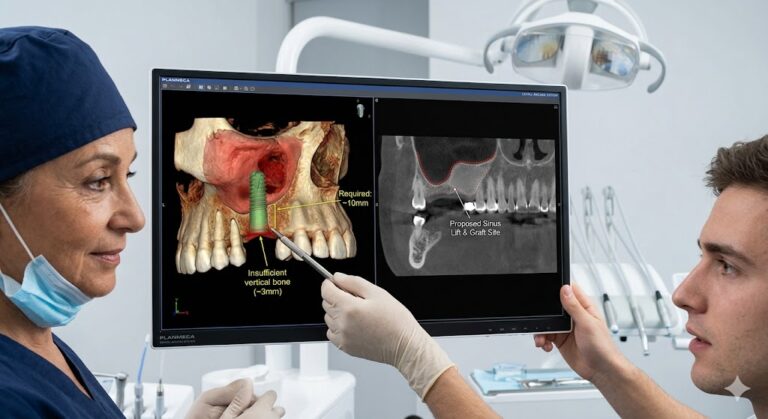
- CT scan (CBCT) – $100 to $300. Necessary for safe implant placement.
- Bone graft – $300 to $1,500 per site. Many patients need this.
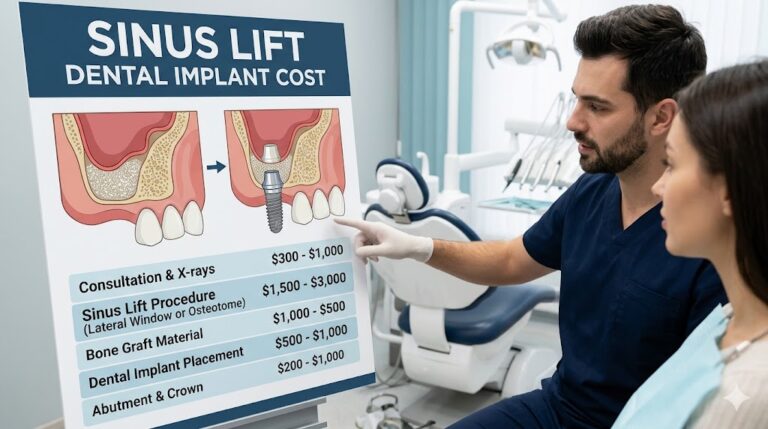
- Sinus lift – $500 to $2,000. Required for upper back molars in many cases.
- Temporary crown or denture – $100 to $500. You cannot walk around with a metal screw showing.
- Sedation or anesthesia – $100 to $400. Some clinics charge extra for IV sedation.
- Follow-up visit – Often “free” but you pay for travel and hotel again.
- Warranty transfer fee – Some clinics charge $100 to $300 to transfer your warranty to a local dentist.
Always ask for a line-item quote before booking anything. A trustworthy clinic will send you a detailed treatment plan.
Is Dental Tourism Safe? Risks and How to Reduce Them
Dental tourism can be very safe. It can also go wrong. The difference is preparation.
Common risks
- Infection from poor sterilization.
- Implant placed too close to a nerve (causes permanent numbness).
- Poor bone integration due to low-quality implants.
- No legal recourse if something goes wrong.
- Difficulty finding a local dentist to fix problems.
How to reduce your risk
- Choose an accredited clinic. Look for JCI, ISO, or local dental association certification.
- Ask for the dentist’s credentials. They should be an implantologist or oral surgeon, not a general dentist with a weekend course.
- Get a virtual consultation first. A good clinic will review your CT scan before you travel.
- Stay for at least 7 to 10 days. Do not rush. Implants need time for osseointegration (bone healing).
- Have a backup plan. Save enough money to see a local dentist if needed.
A quote from Dr. Miguel Alvarez, an implantologist with 15 years of experience in Mexico and the US:
“I have fixed hundreds of failed tourism implants. In almost every case, the patient chose a clinic based on price and a pretty website. They did not ask about the implant brand, the surgeon’s training, or what happens after they go home. Dental implants are medical devices. Treat them that way.”
How to Plan Your Dental Implant Trip Step by Step
If you decide to travel for dental implants, follow this checklist.
Step 1: Get a home evaluation first
See a local dentist for a full exam and CT scan. Know exactly what work you need. This prevents surprises abroad.
Step 2: Research three to five clinics
Read Google reviews, Trustpilot, and dental tourism forums. Look for negative reviews, not just positive ones.
Step 3: Request virtual consultations
Send your CT scan and photos to each clinic. Compare their treatment plans and prices.
Step 4: Ask the right questions
- What brand of implant do you use?
- What is the warranty period and what does it cover?
- Can you provide patient references or before-and-after photos of similar cases?
- What happens if an implant fails after I return home?
Step 5: Plan your stay
Book flights and accommodation with free cancellation. Stay near the clinic for easy follow-up visits.
Step 6: Get travel medical insurance
Some policies cover emergency dental complications abroad. Read the fine print.
Step 7: Go, but stay vigilant
If something feels wrong during your consultation or surgery, you can walk away. Do not feel pressured.
Aftercare and Warranty: The Most Overlooked Factor
You have just paid $5,000 for four implants. You fly home happy. Three months later, one crown chips. What now?
This is where many dental tourism plans fail.
What a good warranty looks like
- Minimum five years on the implant fixture.
- Two years on the crown.
- Coverage includes parts and labor (not just replacement parts).
- Clear instructions on how to file a claim from abroad.
What a bad warranty looks like
- “Lifetime warranty” but the clinic closes or renames itself every two years.
- Warranty only valid if you return to the same clinic (you pay for travel).
- Does not cover bone grafts or additional surgeries if the implant fails.
Can a local dentist fix a foreign implant?
Sometimes yes, sometimes no. It depends on the implant brand. If you have a Straumann or Nobel implant, most dentists can find compatible parts. If you have a no-name brand, you may need to remove the entire implant and start over.
Pro tip: Ask the clinic for two extra abutment screws and a copy of the implant’s technical specifications. Keep these with your dental records. This can save you thousands later.
Frequently Asked Questions (FAQ)
1. Is it safe to get dental implants in Turkey?
Yes, in accredited clinics with experienced implantologists. However, avoid very cheap clinics and always verify the implant brand.
2. How much can I save by going abroad for dental implants?
Depending on your home country, you can save 40 to 70 percent. A $4,000 implant in the US may cost $1,200 in Mexico or $500 in Turkey.
3. Can I get all my implants done in one trip?
Usually yes, but you may need to wait four to six months for the implants to fuse with your bone before placing permanent crowns. Some clinics offer same-day implants, but not everyone is a candidate.
4. What happens if my implant fails after I return home?
You will likely need to pay a local dentist to remove or repair it. Some travel insurance policies cover this. Otherwise, you may need to return to the original clinic.
5. Which country has the best dentists for implants?
Hungary and Germany have excellent reputations for technical skill. Mexico and Colombia have many US-trained dentists. Turkey has high-volume experts but quality varies.
6. Do dental implants hurt?
The surgery itself is painless with local anesthesia. Mild soreness and swelling are normal for a few days afterward.
7. How long do dental implants last?
With good oral hygiene and regular checkups, premium implants can last 20 years to a lifetime. Cheap implants may fail within five years.
8. Can I get a full set of implants (All-on-4) abroad?
Yes. Many clinics specialize in full-arch reconstructions. Prices range from $5,000 to $12,000 per arch abroad, compared to $20,000 to $30,000 in the US.
9. Should I pay with cash or credit card?
Use a credit card whenever possible. It gives you chargeback rights if the clinic does not deliver what was promised. Never pay the full amount upfront.
10. Is it better to get implants at home or abroad?
If you can afford home prices and have good insurance, staying home is safer and more convenient. If you need many implants and have a flexible schedule, going abroad can make financial sense.
Additional Resource
For a deeper comparison of dental implant prices, patient reviews, and accreditation checklists, visit the Medical Tourism Association’s Dental Implant Guide (available at their official website). You can also check the International Congress of Oral Implantologists (ICOI) for a list of accredited implant dentists worldwide.
[Link placeholder: https://www.mta.org/dental-implants-guide]
Conclusion
The best place to get dental implants in the world is not a single country. It is the place that matches your specific needs: your budget, your health, your travel ability, and your tolerance for follow-up complications.
- Choose Turkey if you want the lowest prices and are willing to do careful research.
- Choose Mexico if you live in the US or Canada and want convenience.
- Choose Hungary if you are European and want high-quality European materials.
- Choose Thailand if you want a vacation experience with solid medical infrastructure.
- Choose Colombia if you speak Spanish and want a growing, affordable option.
No matter where you go, always prioritize implant brand, dentist qualifications, and a clear warranty. Do not let a low price blind you to long-term risks. And remember: your smile is an investment. Treat it like one.