Dental Implants in Hungary
If you have missing teeth, you already know how much it affects your confidence and your ability to enjoy food. You may have looked into dental implants in your home country, only to feel shocked by the price tag.
That is why thousands of people from the UK, Ireland, Germany, France, and the US now travel to Hungary for dental implants. But is it safe? Is it really cheaper? And how do you find a trustworthy clinic?
This guide answers all those questions. No hype. No hidden agenda. Just honest, practical information to help you decide.
Why Hungary Has Become a European Hub for Dental Implants
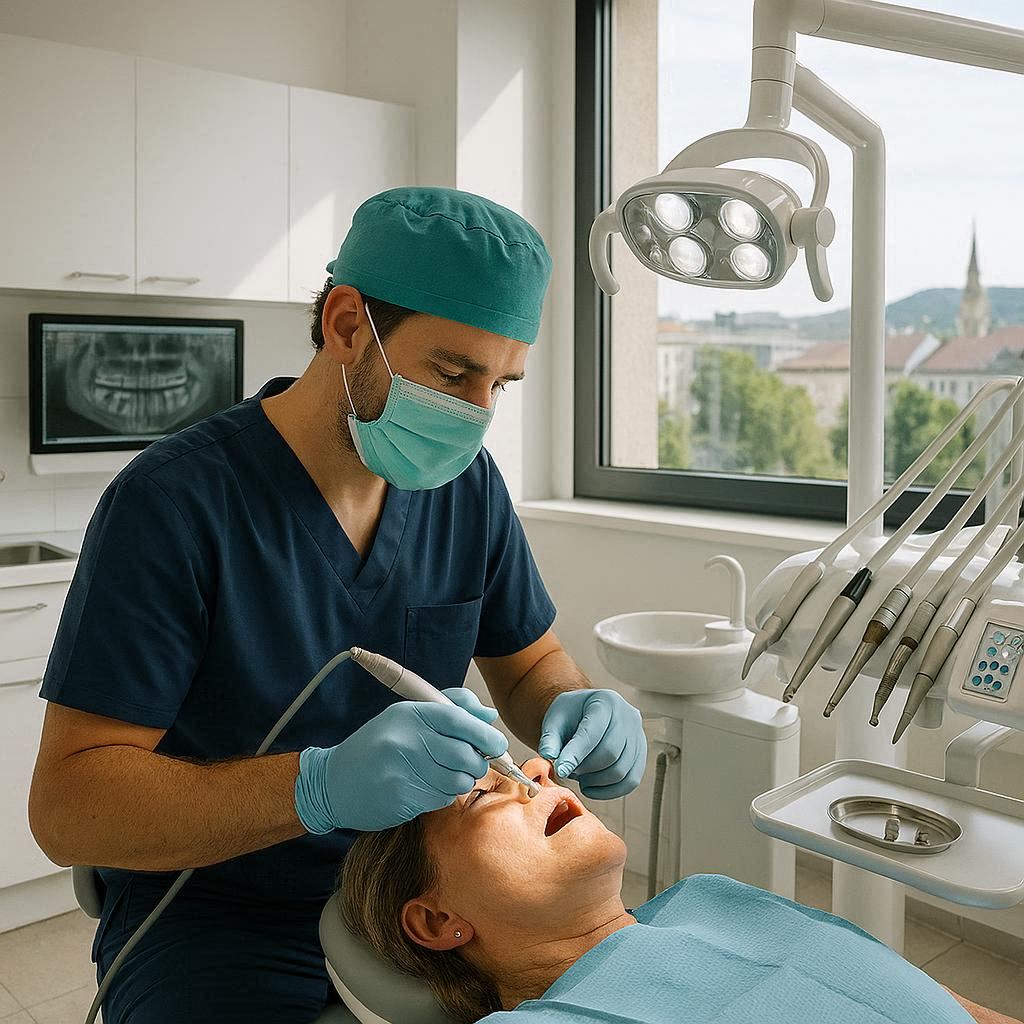
Hungary, especially the city of Mosonmagyaróvár and Budapest, has built a strong reputation for dental tourism. The reasons are simple: high quality, low prices, and proximity to Western Europe.
Dentists in Hungary often train in Germany, Austria, or the US. Many speak excellent English, German, or French. Clinics use the same implant brands you would find in London or New York — Straumann, Nobel Biocare, Dentsply, or Alpha-Bio.
The difference? Overheads are lower. Wages are lower. Rent is lower. These savings get passed to you, the patient.
“I paid less than €4,000 in Hungary for what would have cost me over €15,000 in Ireland. That included travel, accommodation, and three days of sightseeing.” — David, Cork (verified patient story)
How Much Do Dental Implants Cost in Hungary Compared to Other Countries?
Let’s get straight to the numbers. Prices vary by clinic, implant brand, and whether you need a bone graft or a sinus lift. But below is a realistic comparison.
| Procedure | Hungary (EUR) | UK (EUR approx.) | Germany (EUR) | USA (EUR approx.) |
|---|---|---|---|---|
| Single implant + crown | 800 – 1,200 | 2,500 – 3,500 | 2,500 – 4,000 | 3,500 – 5,000 |
| Full arch (All-on-4) | 7,000 – 12,000 | 18,000 – 25,000 | 20,000 – 28,000 | 25,000 – 35,000 |
| Full mouth implants | 12,000 – 18,000 | 30,000 – 45,000 | 35,000 – 50,000 | 40,000 – 60,000 |
| Bone graft | 300 – 600 | 800 – 1,500 | 900 – 1,800 | 1,200 – 2,500 |
| Sinus lift | 500 – 800 | 1,200 – 2,000 | 1,500 – 2,500 | 2,000 – 3,500 |
Important note: These are average prices in 2026. Some premium clinics in Budapest charge more. Budget options in smaller towns exist but require extra caution.
What Is Included in the Price?
Always ask for a written treatment plan. Reputable Hungarian clinics typically include:
- Initial 3D CBCT scan
- Implant placement surgery
- Abutment and temporary crown (if needed)
- Final ceramic or zirconia crown
- Local anesthesia
- Follow-up x-rays
- One year of warranty
Some clinics also offer:
- Free airport pickup
- Discounted hotel rates
- A dedicated patient coordinator
Always clarify what is not included: bone grafts, extractions, periodontal treatment, or sedation.
Who Is a Good Candidate for Dental Implants in Hungary?
You are likely a good candidate if:
- You have one or more missing teeth
- You have adequate jawbone density (or are willing to get a bone graft)
- You do not smoke heavily (smoking reduces implant success rates)
- You have healthy gums (no active periodontal disease)
- You are committed to good oral hygiene
Dental implants are not recommended for:
- People with uncontrolled diabetes
- Patients undergoing heavy doses of bisphosphonates (osteoporosis medication)
- Those with severe bruxism (teeth grinding) without a night guard
- Pregnant women (elective surgery is not advised)
Honest advice: A responsible Hungarian clinic will refuse treatment if you are not a good candidate. That is a green flag, not a problem.
Step-by-Step: What to Expect When Getting Dental Implants in Hungary
Most patients need two trips. Some clinics offer accelerated schedules, but rushing can compromise outcomes.
First Visit (3 to 7 days)
Day 1 – Consultation and imaging
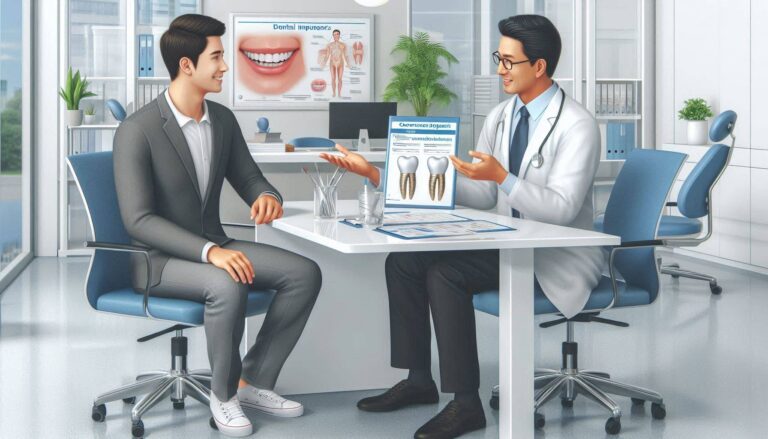
You arrive at the clinic. They take a CBCT scan (3D x-ray). The dentist examines your mouth and reviews your medical history. You receive a written quote.
Day 2 – Preparatory work
If you have damaged teeth remaining, they are extracted. If bone is insufficient, a bone graft or sinus lift is performed. You may receive temporary dentures.
Day 3 – Implant placement
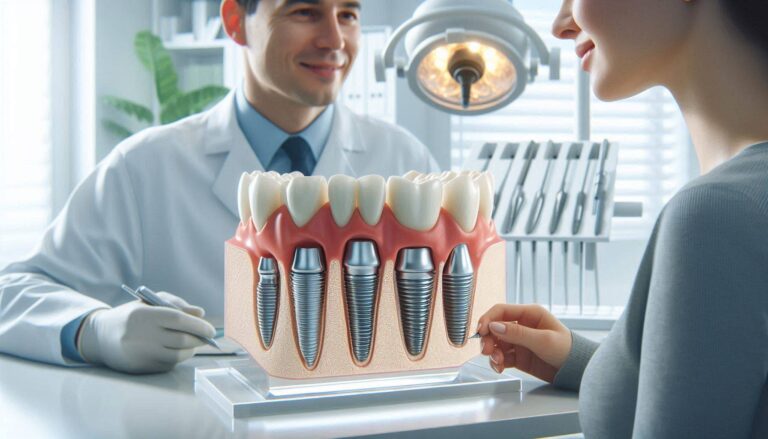
Surgery is done under local anesthesia. You can also request sedation (extra cost). The implants are screwed into the jawbone. Stitches are placed.
Day 4 to 6 – Healing and check
You rest. The clinic checks your healing. They give you antibiotics and painkillers. You fly home.
Healing period (3 to 6 months)
The implants fuse with your bone. This is called osseointegration. You wear a temporary solution.
Second Visit (3 to 7 days)
Day 1 – Abutment placement
The implants are uncovered. Small connectors (abutments) are screwed in.
Day 2 to 4 – Crown fabrication
Digital impressions are taken. Your permanent crowns are milled in the clinic’s lab or an external lab.
Day 5 – Final fitting
Crowns are cemented or screwed onto the abutments. You test your bite. Adjustments are made.
Day 6 – Final check and aftercare instructions
You receive a warranty certificate and home care advice.
Many clinics in Mosonmagyaróvár offer single-trip solutions for full-arch bridges using immediate loading. Ask if this applies to your case.
Risks and Complications: Being Realistic
No surgery is risk-free. Even excellent clinics face complications.
Common and manageable risks
- Swelling and bruising – normal, subsides in 5–7 days
- Minor bleeding – stops within 24 hours
- Transient numbness – rare, usually resolves in weeks
- Infection – less than 2% of cases in clean clinics
Less common but serious risks
- Implant failure – 2–5% of lower jaw implants, 5–10% of upper jaw implants (higher for smokers)
- Nerve damage – very rare with CBCT-guided surgery, but possible in lower jaw
- Sinus perforation – can happen with upper implants; usually heals on its own or requires minor repair
How to lower your risk: Choose a clinic that uses surgical guides (computer-guided implantology). Ask how many similar cases they have done. Avoid the cheapest offer.
How to Choose a Safe and Honest Dental Clinic in Hungary
Not all clinics are equal. Some have excellent English-speaking staff. Others cater mostly to locals and may not have international patient systems in place.
Green flags to look for
- CBCT scanner on site
- In-house dental lab (faster, better quality control)
- Published price list or written quote with clear breakdown
- Positive reviews on Google, Trustpilot, or WhatClinic (look for recent reviews, not just 5-star)
- Dentists with international training or certifications
- Transparent about risks and alternative treatments
Red flags to avoid
- No physical address (virtual office only)
- Pressure to pay a large deposit upfront
- No written treatment plan before payment
- Claims that all patients can get “same-day teeth”
- No post-operative warranty
Pro tip: Join Facebook groups like “Dental Tourism Hungary” or “Patients Experiences with Hungarian Dentists.” Read real stories. Ask specific questions.
Top Cities for Dental Implants in Hungary
Budapest
The capital has many high-tech clinics. Prices are slightly higher. Excellent for combining treatment with a city break. Public transport is easy. Many clinics have patient hotels nearby.
Mosonmagyaróvár
A small town near the Austrian border. Very popular with German and Austrian patients. Lower prices than Budapest. Several clinics focus exclusively on international patients. Walkable town. Less touristy.
Győr
Mid-sized city between Vienna and Budapest. Good mix of quality and value. Fewer English reviews, but several excellent clinics.
Szeged
In the south, close to Serbia and Romania. Less known to Western Europeans but highly rated among Eastern European patients. Very affordable.
Important: Travel time matters. If you need multiple visits, choose a clinic near a direct flight (Budapest) or within a few hours’ drive from Austria or Slovakia.
Real Patient Timeline Example (Full Mouth Implants)
| Phase | Duration | Location |
|---|---|---|
| Email consultation + quote | 1 week | At home |
| First trip: extractions, bone graft, 6 implants | 5 days | Hungary |
| Healing at home | 5 months | Home |
| Second trip: final fixed bridge | 6 days | Hungary |
| 1-year remote follow-up (photos, x-ray) | 1 day | Local dentist |
Total time away from work: 11 days across two trips. Total cost in Hungary: ~€14,000. Comparable UK cost: ~£28,000.
Accommodation and Travel Tips for Dental Patients
Where to stay
- Clinic-recommended hotels – often include discounts and shuttle service
- Airbnb – good for longer stays or families
- Patient guesthouses – some clinics have their own (basic but very cheap)
Getting there
- Fly to Budapest Airport (BUD) – direct flights from London, Manchester, Dublin, Paris, Frankfurt, Amsterdam
- From the airport: taxi to Mosonmagyaróvár (~€100–130) or shuttle (~€40)
- Trains from Vienna to Mosonmagyaróvár: 1 hour, ~€15
What to pack for dental travel
- Soft foods (instant soup, protein shakes, yoghurt)
- Button-up shirts (easy to take off without touching your face)
- Lip balm (mouth breathing after surgery dries lips)
- Travel pillow (sleep upright for first 2 nights)
- Your regular medications + a copy of prescriptions
Dental Implant Brands Used in Hungary
Reputable clinics use brands with long-term research. Avoid no-name “white label” implants.
| Brand | Origin | Warranty | Approx. price premium |
|---|---|---|---|
| Straumann | Switzerland | Lifetime | +20% |
| Nobel Biocare | Sweden/US | Lifetime | +20% |
| Dentsply (Astra Tech) | Germany/US | 10–20 years | +10% |
| Bredent | Germany | 10 years | +5% |
| Alpha-Bio | Israel | 10 years | standard |
| Neodent | Brazil/Straumann group | 10 years | standard |
What Hungarian clinics usually recommend:
For single implants – Alpha-Bio or Neodent (good value).
For full arches – Straumann or Nobel (proven long-term).
Your dentist should explain why they choose a specific brand for your case. If they cannot, walk away.
How to Communicate with Your Hungarian Dentist Remotely
Before traveling, you will send photos or a scan of your teeth. Most clinics use:
- Email for initial quotes
- WhatsApp or Viber for quick questions
- Zoom/Skype for video consultations (some charge a small fee)
Send them:
- A panoramic x-ray (if available)
- Photos of your teeth: front, left, right, upper arch, lower arch
- Your medical history (diabetes, heart conditions, allergies, smoking)
The clinic should reply with:
- A clear treatment plan
- A price breakdown (including possible extra costs)
- Estimated timeline
- Deposit required (usually 10–20% via bank transfer or credit card)
Guarantees and Recalls: What If Something Goes Wrong After You Return Home?
This is the most common worry. Here is the reality.
Reasonable expectations:
If a crown chips or an abutment loosens within the warranty period (usually 1–2 years), the clinic should repair it free of charge. You pay for travel.
What happens if an implant fails?
The clinic should replace the implant at no cost. You may still need to pay for a new crown. Travel is your responsibility.
What if you cannot return to Hungary?
Some clinics have partnerships with dentists in the UK, Germany, or France for minor adjustments. Ask about this before booking.
Protect yourself:
- Pay part of the bill with a credit card (section 75 protection in the UK)
- Get a detailed invoice and warranty certificate
- Ask for the implant serial numbers (in case you need parts later)
No ethical clinic will abandon you. But you must understand that emergency care after hours is not possible from 1,500 km away.
Frequently Asked Questions (FAQ)
Are dental implants in Hungary as good as in the UK or US?
Yes, when done by experienced dentists using premium implants. Many Hungarian dentists trained in Western Europe. The materials are identical.
How long do dental implants from Hungary last?
With good care, 15–25 years or longer. The crown may need replacement after 10–15 years. The implant itself can last a lifetime.
Can I get all my implants done in one trip?
For a few implants – yes. For full mouth with bone grafts – usually two trips, 4–6 months apart. Some clinics offer immediate loading, but you must be a perfect candidate.
Is it safe to fly after dental implant surgery?
Yes, after 48 hours for simple cases. For complex surgery with bone grafts, wait 5–7 days. Your dentist will advise. Cabin pressure is not a problem.
Do Hungarian dentists speak English?
In international clinics, yes – fluent English. In small local clinics, limited English. Always confirm before booking.
What is the cheapest city for dental implants in Hungary?
Szeged or Debrecen. But travel costs may offset savings. Mosonmagyaróvár offers the best balance of price and convenience for Western Europeans.
Can I use my dental insurance in Hungary?
Some international plans (like Allianz, Cigna, AXA) cover treatment abroad. Check your policy. Standard NHS or national insurances do not cover Hungary.
What if I need an emergency adjustment after returning home?
Contact your Hungarian clinic. They may guide your local dentist remotely. Some clinics reimburse minor adjustments done elsewhere.
Additional Resources
For a regularly updated list of verified patient reviews and independent clinic comparisons, visit:
🔗 DentalTourismHungary.org/patient-reviews (external reference, not affiliated with this article)
Final Takeaways – Three Lines Summary
Dental implants in Hungary cost 50–70% less than in Western Europe or the US, with comparable quality when you choose a reputable clinic. Plan for two trips over 4–6 months, always get a written treatment plan, and prioritize experience over the lowest price. With careful research, you can restore your smile safely while saving thousands of euros.
Disclaimer:
This article is for informational purposes only and does not constitute medical advice. Always consult with a qualified dental professional before undergoing any surgical procedure. Prices and clinic reputations change over time. Verify all details independently. The author and publisher are not responsible for any outcomes resulting from the use of this information.