Dental Implants in CT: Your Complete 2026 Guide to a Permanent Smile
If you are missing one tooth or several teeth, you already know how much it can affect your daily life. Eating becomes a challenge. Smiling feels less natural. And over time, your jawbone can even start to change shape.
That is where Dental Implants in CT come into the picture.
Connecticut residents have excellent options for permanent tooth replacement. But the world of implants can feel confusing. You hear words like “abutment,” “osseointegration,” and “crown.” You wonder about pain, recovery time, and most of all, cost.
This guide will walk you through everything you need to know. No confusing medical jargon. No unrealistic promises. Just honest, practical information to help you make the best decision for your smile.
Let us start from the beginning.
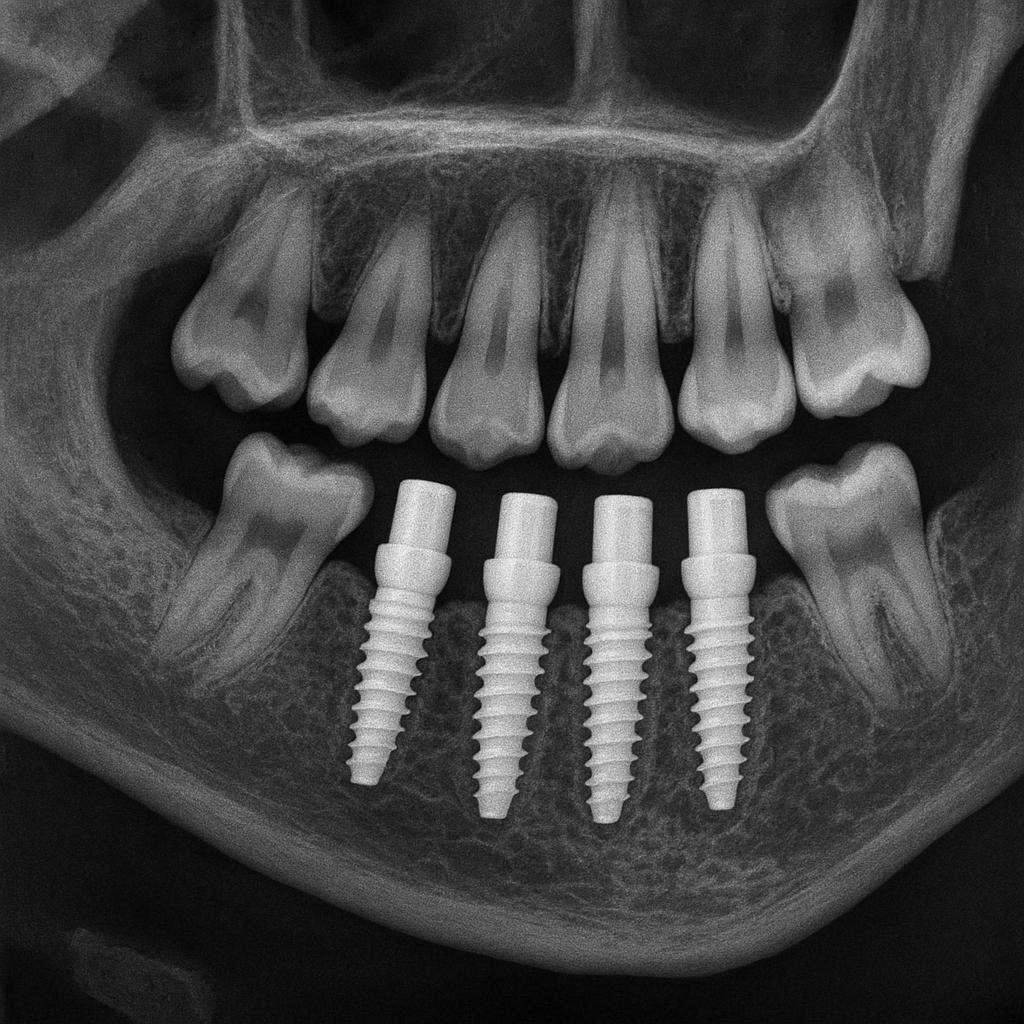
What Exactly Are Dental Implants?
A dental implant is not just a fake tooth. It is a complete system designed to replace both the root and the visible part of a missing tooth.
The implant itself is a small titanium post. A dentist places this post into your jawbone, right where your natural tooth root used to be. Over a few months, your bone grows around the titanium. This creates a rock-solid foundation.
On top of that post, your dentist attaches a connector (called an abutment). Finally, a custom-made crown goes on top. That crown looks, feels, and functions like a real tooth.
Important note: Dental implants are the only tooth replacement option that stimulates your jawbone. Bridges and dentures do not. This stimulation prevents bone loss over time.
The Three Main Parts of a Dental Implant
| Component | Function | Material |
|---|---|---|
| Implant post | Replaces the tooth root | Medical-grade titanium |
| Abutment | Connects post to crown | Titanium or zirconia |
| Restoration (crown/bridge/denture) | Visible tooth replacement | Porcelain or ceramic |
Why Choose Dental Implants Over Other Options?
You have other choices. Dentures. Bridges. Even leaving the gap alone. But each of these comes with trade-offs.
Dental Implants vs. Traditional Bridges
A traditional bridge shaves down the teeth next to your gap. Those healthy teeth lose enamel forever. An implant leaves neighboring teeth untouched.
- Bridges last 5 to 15 years on average.
- Implants can last 30 years or more with good care.
Dental Implants vs. Dentures
Dentures rest on your gums. They can slip. They can make clicking sounds. Many people find them uncomfortable.
Implants stay firmly in place. You never worry about them falling out when you eat or speak.
The Bone Health Advantage
Your jawbone needs stimulation. Every time you chew, your tooth roots send signals that keep bone tissue strong and healthy.
When you lose a tooth, that stimulation stops. The bone begins to resorb (shrink). Over five to ten years, you can lose a significant amount of jawbone.
Implants restore that stimulation. They are the only option that actively preserves your facial structure.
Who Is a Good Candidate for Dental Implants in CT?
Most healthy adults can get implants. But some factors make the process easier and more predictable.
Good Candidates Typically Have:
- Healthy gums with no active gum disease
- Enough jawbone to support the implant
- Good overall health (chronic conditions like uncontrolled diabetes can affect healing)
- Non-smoker or willing to quit during the healing period
Important note: Smokers can still get implants. However, smoking significantly increases the risk of implant failure. Many CT dentists will work with smokers but may recommend a smoking cessation program first.
What If You Lack Enough Jawbone?
This is a common concern. When teeth have been missing for years, the bone often shrinks.
The good news: CT dentists have solutions.
- Bone grafting adds synthetic or natural bone material to build up the area.
- Sinus lift raises the sinus floor to create space for implants in the upper back jaw.
- Short implants work when bone height is limited.
These procedures add time and cost, but they make implants possible for almost everyone.
The Complete Dental Implant Process: Step by Step
Understanding the timeline helps reduce anxiety. Most implant cases take between four and nine months from start to finish. Complex cases can take longer.
Step 1: Initial Consultation (1 hour)
Your CT implant dentist will:
- Take 3D X-rays (CBCT scan) to see your bone structure
- Examine your mouth and gums
- Review your medical history
- Discuss your goals and budget
This visit is your chance to ask questions. Come prepared with a list.
Step 2: Treatment Planning (1-2 weeks)
Your dentist creates a surgical guide. This digital plan ensures the implant goes exactly where it needs to go. Precision matters.
Step 3: Bone Graft (If Needed)
If you need bone grafting, this happens first. The graft needs three to six months to heal and fuse with your natural bone.
Step 4: Implant Placement Surgery (1-2 hours)
The big day. Your dentist numbs the area completely. Most patients feel only pressure, not pain.
Using the surgical guide, the dentist drills a small hole into your jawbone and places the titanium post. Then they close the gum tissue over it.
What to expect right after: Some swelling and minor discomfort, similar to a tooth extraction.
Step 5: Osseointegration (3-6 months)
This is the waiting period. Your bone grows around the titanium post, locking it in place. You can eat normally (just avoid the surgical site). Many patients get a temporary tooth during this phase.
Step 6: Abutment Placement (30 minutes)
Once the implant is fully integrated, your dentist reopens the gum to attach the abutment. This small metal piece sticks up above the gum line. It acts as the connection point for your final crown.
Healing from this minor procedure takes about two weeks.
Step 7: Crown Fabrication (2-4 weeks)
Your dentist takes impressions of your mouth. A dental lab custom-makes your crown to match the color, shape, and size of your natural teeth.
Step 8: Crown Placement (1 hour)
The final step. Your dentist screws or cements the crown onto the abutment. You walk out with a complete, beautiful smile.
Types of Dental Implants Available in CT
Not all implants are the same. Your dentist will recommend a type based on your specific situation.
Endosteal Implants (Most Common)
These go directly into the jawbone. They look like small screws. Endosteal implants work for almost all patients with adequate bone.
Subperiosteal Implants
These sit on top of the jawbone but under the gum. A metal framework rests on the bone, and the posts stick through the gum.
Subperiosteal implants are rare today. They were more common before bone grafting became reliable. Some CT dentists still use them for patients who cannot have bone grafting.
All-on-4 and All-on-6 Implants
This is a full-arch solution. Instead of one implant per missing tooth, your dentist places four or six implants in strategic positions. They support a fixed bridge or denture that replaces all teeth in an arch.
Advantages:
- Fewer implants needed
- Often avoids bone grafting
- You get teeth the same day in many cases
Considerations:
- Higher upfront cost
- Requires highly skilled surgeon
Zygomatic Implants
These are very long implants that anchor in the cheekbone (zygoma) instead of the upper jaw. They are only used when the upper jaw has severe bone loss.
Only a handful of specialists in Connecticut offer zygomatic implants.
Cost of Dental Implants in CT: What You Will Really Pay
Let us talk money. Dental implants are an investment. They cost more upfront than bridges or dentures, but they last much longer.
Average Costs in Connecticut (2026)
| Procedure | Average Cost Range |
|---|---|
| Single implant (post only) | 1,500−2,500 |
| Abutment | 300−500 |
| Custom crown | 1,500−3,000 |
| Single tooth implant (complete) | 3,500−3,500−6,000 |
| Bone graft (per site) | 500−1,500 |
| Sinus lift | 1,500−3,000 |
| All-on-4 per arch | 15,000−30,000 |
| Full mouth implants (both arches) | 30,000−60,000 |
Important note: These are typical prices in Connecticut. Urban areas like Hartford, New Haven, and Stamford may be on the higher end. Rural areas may be slightly lower.
Why Do Prices Vary So Much?
Several factors influence what you pay:
- Dentist’s experience – Specialists (periodontists or oral surgeons) charge more than general dentists.
- Implant brand – Premium brands like Nobel Biocare or Straumann cost more than generic implants.
- Materials – Zirconia implants cost more than titanium.
- Location – Fairfield County often has higher fees than Eastern CT.
- Technology – Dentists using 3D printing and guided surgery often charge more.
Are Cheap Implants a Good Idea?
Be careful with “budget implants.” Some dental chains advertise extremely low prices. You might see offers like “$1,999 for a complete implant.”
What is the catch?
- That price often excludes the crown (just the implant post)
- It may use lower-quality generic implants
- It might be an introductory offer with hidden fees
- The dentist may be less experienced
A better approach: Ask for a complete, all-inclusive quote. Make sure it covers the implant, abutment, crown, and all necessary appointments.
Does Dental Insurance Cover Implants in CT?
This is where many patients get confused. The short answer: sometimes, but partially.
What Most Insurance Plans Cover
Traditional dental insurance was designed for teeth you keep. Implants are still considered “major restorative” by most carriers.
Here is what you can typically expect:
- Cleanings and X-rays – Usually covered 80-100%
- Extractions – Often covered 50-80%
- Bone grafting – Sometimes covered if medically necessary
- The implant and crown – Rarely covered by basic plans
Plans That Do Offer Implant Coverage
Some PPO plans now include implant benefits. Cigna, Delta Dental, and MetLife offer plans with implant coverage in Connecticut.
Typical implant benefits look like this:
- Annual maximum: 1,500to3,000
- Coinsurance: You pay 50% of the cost
- Waiting period: 6 to 12 months for major services
How to Maximize Your Insurance
- Use your annual maximum – Many plans reset each calendar year. Time your treatment to use two years of benefits.
- Get a predetermination – Your dentist sends a treatment plan to insurance. They tell you exactly what they will pay.
- Separate the procedures – Extract a tooth in December. Start the implant in January. You get two years of benefits.
Medical Insurance May Help
This surprises many people. Some medical insurance plans cover implants if the tooth loss is from an accident, injury, or congenital condition.
You will need your dentist to submit a claim with proper documentation. It never hurts to ask.
How to Choose the Best Implant Dentist in Connecticut
Not all dentists place implants. This is a specialized skill. Choosing the right provider is the most important decision you will make.
Types of Implant Providers
| Provider Type | Training | Best For |
|---|---|---|
| General dentist with CE training | Weekend courses | Simple, single implants |
| Periodontist | 3 years extra (gum specialist) | Aesthetics, gum health, complex cases |
| Oral surgeon | 4-6 years extra | Bone grafting, sinus lifts, full arch |
| Prosthodontist | 3 years extra (restoration specialist) | Full mouth reconstruction |
Questions to Ask Before You Commit
- How many implants have you placed in the last year?
- What is your success rate? (Should be 95%+ for healthy patients)
- Do you use 3D CBCT scanning and guided surgery?
- What brand of implants do you use?
- Will I see the crown before it is placed?
- What happens if my implant fails?
- Do you offer any warranty or guarantee?
Red Flags to Avoid
- A dentist who promises “same-day teeth” without examining your bone first
- Prices that seem too good to be true (they usually are)
- High pressure to decide immediately
- No mention of the healing period (osseointegration takes time)
Important note: A responsible implant dentist will never guarantee a specific timeline. Biological healing is unpredictable. Anyone who promises exact dates is being dishonest.
Top Cities for Dental Implants in Connecticut
You can find quality implant dentistry throughout the state. Here is what each region typically offers.
Hartford Area
The capital has the highest concentration of implant specialists. Hartford Hospital and UConn Health both have excellent dental departments.
Notable clinics:
- UConn Health Dental Center (academic setting, comprehensive care)
- Several private periodontics practices in West Hartford and Glastonbury
New Haven
Home to Yale Medicine and many experienced oral surgeons. The New Haven area offers competitive pricing compared to Fairfield County.
Stamford / Greenwich (Fairfield County)
Higher costs but also the most advanced technology. Many dentists here use same-day CEREC crowns and guided implant surgery.
Expect to pay 20-30% more than the state average.
Waterbury / Danbury
Good mid-range options. You often find experienced general dentists placing implants at more reasonable prices.
Eastern CT (Mystic, Norwich, Willimantic)
Lower costs overall. Travel time to specialists may be longer, but several excellent oral surgeons serve the region.
Recovery and Aftercare: What to Expect
Understanding recovery helps you plan your time and manage expectations.
The First 24 Hours After Surgery
- Bleeding – Minor oozing is normal. Bite on gauze for 30 minutes.
- Swelling – Apply ice packs in 20-minute intervals.
- Pain – Most patients rate it 2-4 out of 10. Over-the-counter ibuprofen usually works.
- Diet – Soft foods only. Nothing hot. No straws.
Days 2 to 7
Swelling peaks around day two or three, then improves. You can return to work after two days for most single implants.
Recommended foods during healing:
- Yogurt and pudding
- Mashed potatoes
- Smoothies (no straw!)
- Scrambled eggs
- Soup (cooled down)
- Applesauce
Weeks 1 to 4
The surgical site closes. You can gradually return to normal eating, but avoid chewing directly on the implant area.
Long-Term Care for Your Implant
Here is the truth: Implants cannot get cavities. But they can get gum disease.
Peri-implantitis is inflammation around the implant. It can cause bone loss and implant failure.
To keep your implant healthy:
- Brush twice daily, paying attention to the gum line around the implant
- Floss daily (use superfloss or implant-specific floss)
- Use a water flosser on low pressure
- Visit your dentist every six months for cleanings
- Do not smoke (smoking is the #1 cause of implant failure)
Important note: Your implant needs the same care as natural teeth. Neglect leads to problems. The difference is that you cannot replace an implant’s “root” if it fails.
Success Rates and Potential Complications
No medical procedure is 100% guaranteed. Honest dentists will tell you this.
Average Success Rates
| Patient Category | 5-Year Success Rate |
|---|---|
| Healthy non-smoker | 95-98% |
| Controlled diabetic | 90-95% |
| Smoker | 85-90% |
| Previous implant failure | 80-90% |
| Heavy grinder (bruxism) | Varies (night guard required) |
Early Complications (First 3 Months)
- Failure to integrate – The bone does not grow around the implant. Usually due to infection, smoking, or poor bone quality.
- Infection – Managed with antibiotics. Rarely requires implant removal.
- Nerve injury – Very rare with modern 3D imaging. Temporary numbness possible.
Late Complications (After Crown Placement)
- Peri-implantitis – Gum disease around the implant. Treatable if caught early.
- Crown loosening – The screw holding the crown can loosen over time. Easily tightened.
- Porcelain fracture – The crown can chip. You may need a new crown.
What Happens If an Implant Fails?
Do not panic. Failed implants can often be replaced.
Your dentist will:
- Remove the failed implant (simple procedure)
- Clean the site and add bone graft if needed
- Wait 3-6 months for healing
- Place a new implant
Success rates for the second attempt are still very good (85-90%).
Same-Day Implants: Are They Real?
You have seen the ads. “Teeth in a Day.” “Same-Day Smile.”
These claims are partially true but often misleading.
What Same-Day Really Means
In some cases, a dentist can place the implant and attach a temporary crown on the same day. This is called “immediate loading.”
Requirements for same-day:
- Excellent bone quality
- Enough bone volume
- No active infection
- You are not a tooth grinder
- Front tooth replacement (less biting force)
The Reality Check
Most implants still need the traditional healing period. Rushing the process increases failure risk.
A responsible dentist will only offer same-day treatment if you truly qualify. If they offer it to everyone, find another dentist.
Dental Implants for Seniors in CT
Age is not a barrier. Many Connecticut residents in their 70s, 80s, and even 90s get implants successfully.
Considerations for Older Adults
- Healing takes longer – Older patients may need 6-8 months for osseointegration instead of 3-4.
- Medications matter – Blood thinners, bisphosphonates (bone drugs), and some arthritis medications affect implant success.
- Overall health – Uncontrolled diabetes, heart disease, and autoimmune conditions need management first.
A Note on Bisphosphonates
These drugs (Fosamax, Actonel, Boniva) treat osteoporosis. They can cause a rare but serious condition called medication-related osteonecrosis of the jaw (MRONJ).
If you take these medications:
- Tell your dentist immediately
- Your risk of complications is higher
- Some dentists will not place implants if you have taken IV bisphosphonates for more than 3 years
- Oral bisphosphonates may be okay after a drug holiday (talk to your doctor)
Important note: Do not stop taking prescribed medications without your doctor’s approval. Your dentist and physician should coordinate your care.
Financing Your Dental Implants in CT
Most people cannot pay $5,000 out of pocket for a single tooth. Fortunately, you have options.
Dental Payment Plans (In-House)
Many CT dental offices offer their own financing. You make monthly payments directly to the dentist.
Typical terms:
- 0% interest for 6-12 months
- Longer terms with low interest (3-10%)
- Requires credit check
Third-Party Medical Financing
CareCredit is the most popular option. Accepted by most CT implant dentists.
Pros:
- Promotional financing (6-24 months no interest)
- Quick approval
- Can use for other medical needs
Cons:
- High interest if you miss a payment
- Deferred interest can retroactively apply
Alphaeon Credit and LendingClub are other options worth exploring.
Health Savings Account (HSA) or Flexible Spending Account (FSA)
Dental implants are a qualified medical expense. You can use pre-tax dollars from these accounts.
Strategy: Contribute to your HSA or FSA for a year before starting treatment. Pay with tax-free money.
Dental Schools in CT
UConn Health Dental School offers implant treatment at reduced costs. Residents (supervised by experienced faculty) perform the procedures.
Typical savings: 30-50% less than private practice
Trade-offs: Longer appointments, more visits, less flexible scheduling
Crowdfunding
Some patients use GoFundMe for major dental work. Sharing your story with family and friends can help. It is not reliable as your only plan, but it can supplement other funding.
Comparing Implant Providers in Connecticut
To help you make an informed choice, here is a comparison of the types of providers you will find across CT.
| Provider Type | Average Cost (Single Implant) | Wait Time | Technology | Follow-up Care |
|---|---|---|---|---|
| Dental chain (Aspen, Gentle Dental) | 3,500−5,000 | 2-4 weeks | Basic 2D X-rays | Limited |
| Private general dentist | 4,000−6,000 | 3-6 weeks | CBCT, basic guides | Good |
| Periodontist specialist | 5,000−7,500 | 4-8 weeks | Advanced 3D, guided surgery | Excellent |
| Oral surgeon | 5,500−8,000 | 6-12 weeks | Full hospital-level tech | Excellent |
| UConn Dental School | 2,500−4,000 | 3-6 months | Latest technology | Very thorough (longer) |
Common Myths About Dental Implants
Let us clear up some misinformation.
Myth 1: “Implants are painful.”
Truth: Most patients say the procedure is less painful than a tooth extraction. Local anesthesia numbs everything. Post-surgery discomfort is mild for most people.
Myth 2: “My body might reject the implant.”
Truth: Titanium is biocompatible. True “rejection” (allergic reaction) is extremely rare (less than 0.1%). Failure happens from infection or lack of bone integration, not rejection.
Myth 3: “Implants are only for rich people.”
Truth: Implants cost more upfront than other options. But over 20 years, they are often cheaper. Bridges need replacement every 5-15 years. Dentures need relining and eventual replacement. Implants can last a lifetime with good care.
Myth 4: “The procedure takes a whole year.”
Truth: A single implant with no bone graft takes 4-6 months from start to finish. Complex cases take longer. Simple cases can be faster.
Myth 5: “I am too old for implants.”
Truth: Age alone does not matter. Overall health matters. Many patients in their 80s get implants successfully.
Frequently Asked Questions (FAQ)
How long do dental implants last?
With proper care and regular dental visits, implants can last 30 years or more. The crown may need replacement after 10-15 years of normal wear.
Can I get implants if I have gum disease?
Not until the gum disease is treated. Active gum disease increases failure risk. Your dentist will treat the gum disease first (scaling, root planing, possibly surgery). Once your gums are healthy, you can proceed with implants.
Will my insurance cover any part of implants?
Some plans cover extractions, bone grafting, and the crown. Few cover the implant post itself. Check with your provider. Many CT patients pay partially out of pocket.
What is the failure rate for dental implants?
For healthy non-smokers with good bone, the five-year success rate is 95-98%. Smoking, uncontrolled diabetes, and poor oral hygiene reduce success rates.
Do dental implants feel like natural teeth?
Yes, remarkably so. Patients report that implants feel more natural than dentures or bridges. You cannot tell the difference by touch or biting.
Can I get implants if I grind my teeth at night?
Yes, but you must wear a night guard (occlusal splint). Grinding puts extreme force on implants. Without protection, you risk crown fracture or implant failure.
How do I clean my dental implant?
Brush normally. Floss with superfloss or implant-specific floss. Some patients use a water flosser on low pressure. Regular dental cleanings are essential.
Are zirconia (metal-free) implants available in CT?
Yes. Several CT dentists offer zirconia implants. They cost 20-40% more than titanium. Zirconia is white and metal-free. However, titanium has a longer track record of success.
What is the youngest age for dental implants?
Dentists wait until jaw growth is complete. For most people, this is age 18-20 for women and 20-22 for men. Younger patients can get temporary solutions until they are old enough for implants.
Can I have an MRI with dental implants?
Yes. Titanium is non-ferromagnetic (not magnetic). It is safe for MRIs. However, the implant may create some image distortion near the area. Always tell the MRI technician about your implant.
Additional Resource
For a trusted, unbiased directory of implant dentists in Connecticut, visit the American Academy of Periodontology’s “Find a Periodontist” tool.
🔗 External link: perio.org/find-a-periodontist – Search by ZIP code to find gum specialists who place implants every day.
Final Takeaways: Your Next Steps
If you are considering dental implants in CT, here is a simple action plan.
Step 1: Get a CBCT scan and comprehensive exam. This tells you exactly what your bone and gums look like.
Step 2: Get two to three consultations. Compare prices, timelines, and dentist experience.
Step 3: Check your insurance and financing options. Know your budget before you commit.
Step 4: Choose a dentist you trust. Experience matters more than the cheapest price.
Step 5: Follow all post-surgery instructions carefully. Your success depends on healing properly.
Conclusion
Dental implants in CT offer a permanent, natural-looking solution for missing teeth. While the upfront cost is higher than bridges or dentures, the long-term value—in comfort, confidence, and bone health—is unmatched. By choosing an experienced dentist, understanding the full process, and committing to proper aftercare, most patients enjoy their implants for decades. Start with a consultation, ask the right questions, and take the first step toward a complete smile.
Disclaimer: This article is for informational purposes only and does not constitute medical advice. Always consult with a licensed dental professional for diagnosis and treatment recommendations. Individual results vary. The author and publisher are not responsible for any outcomes related to the use of this information.