Specialist for Dental Reconstruction
When you lose a tooth, or when your jawbone becomes too weak to support everyday tasks like chewing or speaking, life changes. You might avoid laughing in public. You might switch to soft foods. You might even notice your face starting to look different.
This is where a specialist for dental reconstruction steps in. These experts do not just fix teeth. They rebuild your mouth from the ground up—bone, gums, and all.
In this guide, we will walk you through everything you need to know. You will learn who these specialists are, what treatments they offer, and how to decide if reconstruction is right for you. No confusing jargon. No unrealistic promises. Just honest, practical information.
What Exactly Is a Specialist for Dental Reconstruction?
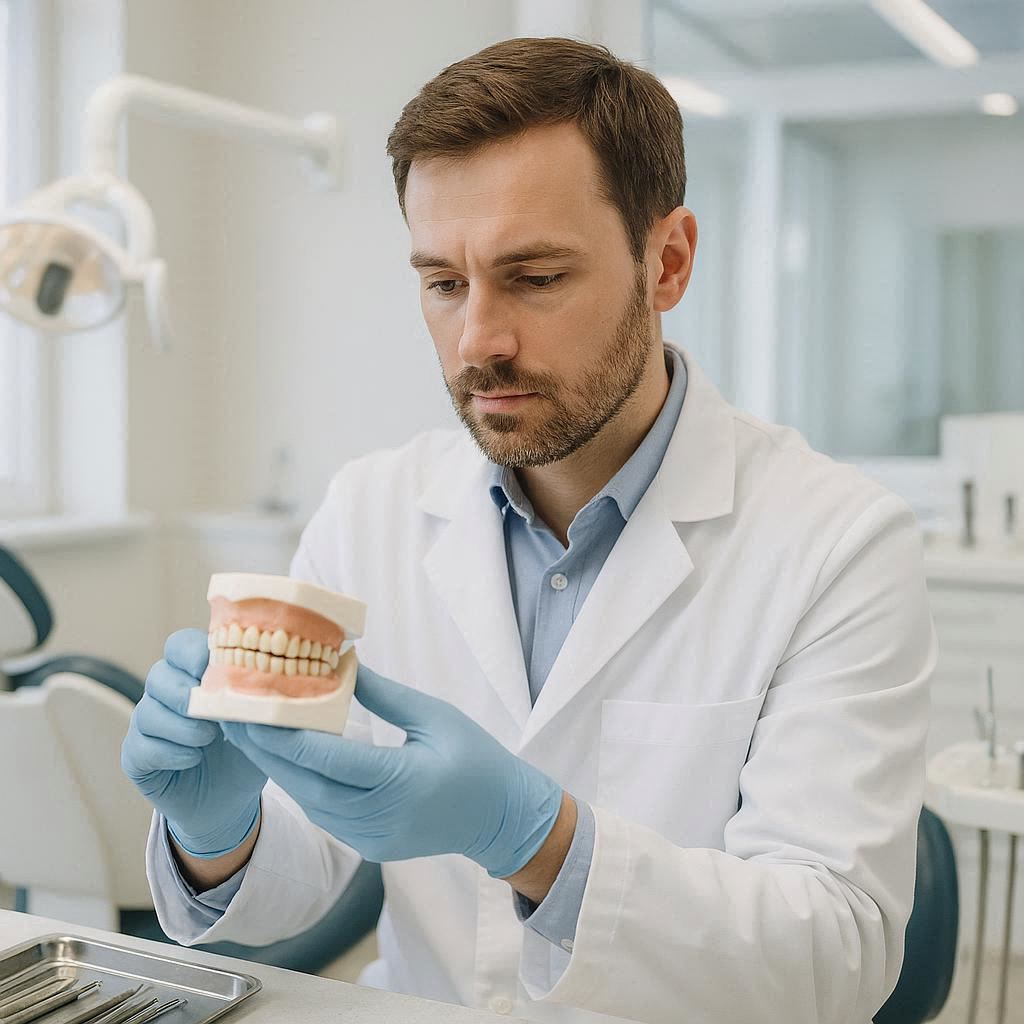
A specialist for dental reconstruction is a dentist with advanced training in restoring severely damaged or missing teeth, along with the supporting structures like bone and gums. Think of them as the architects of your mouth.
Unlike a general dentist who fills cavities or cleans teeth, reconstruction specialists handle complex cases. They work when teeth are broken at the gum line, when the jawbone has melted away (resorption), or when previous dental work has failed.
Key Differences From Other Dental Professionals
| Type of Dentist | Main Focus | Typical Procedures |
|---|---|---|
| General Dentist | Routine care | Cleanings, fillings, simple crowns |
| Orthodontist | Alignment | Braces, clear aligners |
| Periodontist | Gums | Gum grafts, deep cleanings |
| Endodontist | Tooth pulp | Root canals |
| Reconstruction Specialist | Whole mouth rebuild | Dental implants, bone grafts, full-arch restorations |
Important note: Not every dentist who places implants is a reconstruction specialist. True specialists have completed years of additional training in surgical and restorative procedures.
What Training Does a Reconstruction Specialist Have?
In most countries, a specialist for dental reconstruction:
- Completes dental school (4–5 years)
- Works as a general dentist for at least 1–2 years
- Completes a postgraduate program in prosthodontics or oral rehabilitation (3 additional years)
- Passes board examinations
Some also hold certifications in implantology, maxillofacial prosthetics, or sleep medicine.
When Should You Consider Seeing a Reconstruction Specialist?
You do not need to see a specialist for a simple filling or a routine crown. However, certain situations demand expert care.
Clear Signs You Need a Reconstruction Expert
- You have multiple missing teeth in different areas of your mouth
- Your dentures wobble, click, or cause sore spots
- You have been told your jawbone is too thin for implants
- A previous bridge or implant has failed
- You have suffered facial trauma (accident, sports injury)
- You were born with missing teeth (congenital absence)
- Severe decay has destroyed most of your natural tooth structure
- You have advanced gum disease that has loosened teeth
“I waited three years because I was afraid. Then my specialist explained everything step by step. Today I eat steak again.” — Maria, 62, full-mouth reconstruction patient
What Happens If You Delay Reconstruction?
Waiting too long can make problems worse. When a tooth is missing, the bone underneath begins to shrink. This happens naturally because your body stops sending nutrients to unused bone. You might lose up to 25% of bone width within the first year after extraction.
Nerve positions can also shift. Adjacent teeth may tilt or drift. Your bite can collapse. What started as a simple single-tooth problem can turn into a full-mouth reconstruction case.
Core Treatments Provided by a Specialist for Dental Reconstruction
Reconstruction is not one single procedure. It is a combination of treatments planned in a specific order. Below are the main tools in a specialist’s toolbox.
1. Dental Implants
An implant acts like an artificial tooth root. A small titanium or zirconia post is placed into your jawbone. Over several months, the bone grows around it (osseointegration). Then a crown, bridge, or denture is attached on top.
Best for: Single missing teeth, multiple missing teeth, or securing full dentures.
Average lifespan: 20+ years with proper care.
| Implant Type | Used For | Recovery Time |
|---|---|---|
| Single implant | One missing tooth | 4–6 months |
| Implant-supported bridge | 2–4 missing teeth in a row | 4–6 months |
| All-on-4 (full arch) | All teeth missing in one jaw | Same day to 6 months |
2. Bone Grafting
Many adults do not have enough natural bone to hold an implant. Bone grafting solves this problem. The specialist adds bone material to the weak area. This material can come from:
- Your own body (chin, shin, hip)
- A human donor (tissue bank)
- Animal bone (usually cow or pig, highly processed)
- Synthetic bone (lab-made minerals)
Note: Most modern bone grafting uses synthetic or donor bone. Using your own bone requires a second surgical site, which means more recovery time.
3. Sinus Lift (Sinus Augmentation)
The maxillary sinuses sit right above your upper back teeth roots. When those teeth are lost, the sinus cavity expands downward, leaving no bone for implants. A sinus lift gently pushes the sinus membrane upward. Bone material is placed in the new space.
Recovery: 6–9 months before implants can be placed.
4. Ridge Modification
Sometimes the jawbone is not too thin, but it is too narrow or has an irregular shape. Ridge modification reshapes and rebuilds the bone contour to create a stable foundation.
5. Full-Mouth Reconstruction
This is the most complex service. It involves rebuilding every tooth in both arches. A full-mouth reconstruction might combine:
- Multiple implants
- Crowns and bridges
- Veneers on remaining natural teeth
- Gum contouring
- Orthodontics (braces) before reconstruction
Treatment time: Typically 6 to 18 months, depending on complexity.
The Step-by-Step Reconstruction Journey
Understanding the timeline helps reduce anxiety. Below is what a typical case looks like. Keep in mind that every patient is unique.
Phase 1: Consultation and Records (1–2 visits)
Your specialist will:
- Take 3D scans (CBCT – Cone Beam Computed Tomography)
- Photograph your teeth, bite, and face
- Create digital or physical study models
- Discuss your goals, budget, and timeline
- Review your medical history (diabetes, smoking, osteoporosis medications matter a lot)
Phase 2: Treatment Planning (1–2 weeks)
Using special software, the specialist designs your new smile before touching your mouth. You will see a preview. This is also when you receive a detailed cost estimate and timeline.
Phase 3: Preparatory Work (varies)
This may include:
- Extracting hopeless teeth
- Treating gum disease
- Bone grafting (wait 4–9 months)
- Sinus lift (wait 6–9 months)
Phase 4: Surgical Phase
Implant placement is done under local anesthesia. Many specialists also offer sedation (nitrous oxide, oral sedation, or IV sedation). For full-arch cases, this step may take 2–4 hours.
Phase 5: Healing and Integration (3–6 months)
You will wear a temporary denture or bridge during this time. No chewing on the implant sites. Your bone grows tightly around the implants.
Phase 6: Restoration Phase
The specialist uncovers the implants (small gum punch) and attaches abutments. Impressions are taken. A lab fabricates your final crowns or bridge. This takes 2–4 weeks.
Phase 7: Delivery and Follow-Up
Your final teeth are screwed or cemented in place. You receive cleaning instructions. Follow-up visits happen at 2 weeks, 3 months, 6 months, and yearly after that.
Benefits of Choosing a Specialist vs. a General Dentist
You might wonder: Why pay more for a specialist?
Here is an honest comparison.
| Factor | General Dentist | Reconstruction Specialist |
|---|---|---|
| Experience with complex cases | Low to moderate | High (hundreds of cases) |
| Management of complications | May refer out | Handles in-house |
| Advanced bone grafting skills | Rare | Core skill |
| Same-day temporary teeth | Limited | Often available |
| Long-term success rates for full arch | 85–90% | 95–98% (published studies) |
| Cost | Lower upfront | Higher upfront (fewer failures) |
“I tried to save money with a general dentist for my implants. Two failed within 18 months. The specialist fixed everything, but I paid twice.” — David, 49
When a General Dentist Might Be Fine
- Single implant in thick, healthy bone
- No gum disease
- You do not smoke
- You have no medical conditions that affect healing
When You Absolutely Need a Specialist
- You need bone grafting
- You have diabetes (requires special protocols)
- You want a fixed denture (All-on-4 or similar)
- Previous implants have failed
- You grind or clench your teeth (bruxism)
Costs of Dental Reconstruction: What Is Realistic?
Let us be honest. Reconstruction is expensive. But knowing typical prices helps you plan.
Average Costs in the United States (Self-Pay)
| Procedure | Low End | High End | Note |
|---|---|---|---|
| Single implant + crown | $3,000 | $6,000 | Includes abutment |
| Implant bridge (3 units) | $6,000 | $12,000 | Two implants |
| Bone graft (small) | $500 | $1,500 | Per site |
| Sinus lift | $1,500 | $3,000 | Per side |
| All-on-4 per arch | $15,000 | $30,000 | Acrylic teeth |
| All-on-4 per arch (zirconia) | $25,000 | $45,000 | Stronger material |
| Full-mouth reconstruction | $40,000 | $80,000+ | Complex cases |
Important: These prices usually do not include CT scans, temporary prostheses, sedation, or follow-up visits. Always ask for an all-inclusive treatment plan.
Does Insurance Cover Reconstruction?
Traditional dental insurance rarely covers implants or bone grafting. However, you may get partial coverage for:
- Extractions (medical portion)
- Crowns on implants (sometimes)
- Dentures (basic plan)
Better options:
- Medical insurance (if tooth loss is from accident or tumor removal)
- Dental discount plans
- CareCredit or other healthcare financing
- Dental schools (40–60% lower cost, but longer treatment time)
Risks and Complications: Being Honest
No surgery is risk-free. A responsible specialist will discuss these openly.
Common (but usually manageable)
- Swelling and bruising (normal for 3–7 days)
- Minor bleeding
- Temporary numbness of lip or chin (resolves in weeks)
- Screw loosening (easily tightened)
Less common (1–5% of cases)
- Implant failure (does not integrate)
- Infection requiring antibiotics or removal
- Nerve injury (rare with 3D planning)
- Sinus perforation (usually heals on its own)
Rare but serious
- Permanent lip numbness
- Bone graft rejection (extremely rare with synthetic graft)
- Damage to adjacent teeth
Note: Smokers have a significantly higher failure rate. If you smoke more than 10 cigarettes per day, many specialists will require you to quit or use nicotine replacement therapy before surgery.
How to Choose the Right Specialist for Dental Reconstruction
Not all specialists are the same. Use this checklist.
Questions to Ask Before Booking
- How many full-mouth reconstructions have you done in the past year?
- Do you have before-and-after photos of similar cases to mine?
- Who performs the bone grafting? (You want the specialist, not a trainee)
- What happens if an implant fails? (Free replacement or new fee?)
- Do you provide a temporary prosthesis during healing?
- Are you available for emergencies evenings or weekends?
- Can I speak to a past patient?
Red Flags to Avoid
- Promising a permanent solution without discussing maintenance
- No 3D CT scan in the office
- Rushing you into surgery without a written treatment plan
- No clear cost breakdown
- One-year warranty or less on implants (3–5 years is standard)
Where to Find Verified Specialists
- American College of Prosthodontists (ACP) – Find a prosthodontist near you
- International Congress of Oral Implantologists (ICOI) – Diplomate status indicates advanced training
- RealSelf – Read patient reviews (focus on long-term follow-ups, not just immediate results)
Living With Dental Reconstruction: Long-Term Care
Your new teeth are an investment. Protect them.
Daily Home Care
- Brush with a soft nylon brush (metal implant surfaces scratch easily)
- Use water flossers (Waterpik) around implants
- Avoid whitening toothpaste (too abrasive)
- If you have implant dentures, remove them nightly to clean under them
Professional Maintenance
- Cleanings every 3–6 months (not 12 months)
- Annual X-rays to check bone levels
- Implant torque checks once per year
Foods to Be Careful With
- Hard candy, ice cubes (can crack crowns)
- Sticky caramels (can loosen cement-retained crowns)
- Bones, shells, pits (same as natural teeth)
Pro tip: If you grind your teeth at night, ask for a nightguard on day one. Grinding is the #1 cause of implant crown fracture.
Frequently Asked Questions (FAQ)
1. How painful is dental reconstruction?
Most patients say the pain is less than a tooth extraction. You will have local anesthesia. Afterward, over-the-counter ibuprofen usually controls discomfort. The bone graft healing phase causes dull aching for 2–4 days.
2. Can I get reconstruction if I have diabetes?
Yes, but your blood sugar must be well-controlled (HbA1c below 7.0). Specialists may use special implant surfaces and longer healing times. Uncontrolled diabetes is a major risk factor for failure.
3. How long does a full-mouth reconstruction last?
With proper care, 15–25 years for crowns and bridges. Implants themselves can last a lifetime. However, the prosthetic teeth will eventually wear and may need replacement after 10–15 years.
4. Will my insurance cover any part?
Rarely for the implant itself. However, if your tooth loss is due to a covered medical condition (cancer, congenital defect, trauma), medical insurance may pay 50–80%. Submit a predetermination before starting.
5. Is there an age limit for reconstruction?
No. Healthy adults of any age can receive reconstruction. Many patients are in their 70s and 80s. However, children and teenagers should wait until jaw growth is complete (around 18 for girls, 21 for boys).
6. What is the alternative to implants?
- Removable partial dentures (clasps on remaining teeth)
- Traditional bridge (shaves down healthy adjacent teeth)
- Complete dentures (no implants)
Each alternative costs less upfront but typically requires replacement every 5–10 years and may accelerate bone loss.
Helpful Checklist: Preparing for Your First Consultation
Print this list and bring it with you.
- List of all medications (including vitamins and herbs)
- Recent blood work if you have diabetes, kidney disease, or clotting disorders
- Any previous dental X-rays (even from years ago)
- A written note of what bothers you most (eating, smiling, pain)
- Photos of your smile from younger years (shows original tooth position)
- Your budget range (be honest)
- Questions from the list above
Additional Resource
For a deeper dive into implant success rates, bone graft materials, and patient stories, visit the American Academy of Implant Dentistry (AAID) public education page:
🔗 AAID Patient Resources – www.aaid.com/patients
This resource includes a searchable directory of accredited implant specialists, downloadable guides, and a checklist for your first implant consultation.
Conclusion
A specialist for dental reconstruction does more than place implants. They rebuild the foundation of your smile—bone, gums, and bite—using proven surgical and restorative techniques. While the process requires time, investment, and commitment to oral hygiene, the result is a functional, natural-looking mouth that can last for decades. Do your research, ask tough questions, and choose a specialist with documented experience in cases similar to yours.
Disclaimer: This article is for informational purposes only and does not constitute medical or dental advice. Always consult with a licensed dental professional for diagnosis and treatment options tailored to your specific health situation.