My Child Is Terrified of the Dentist
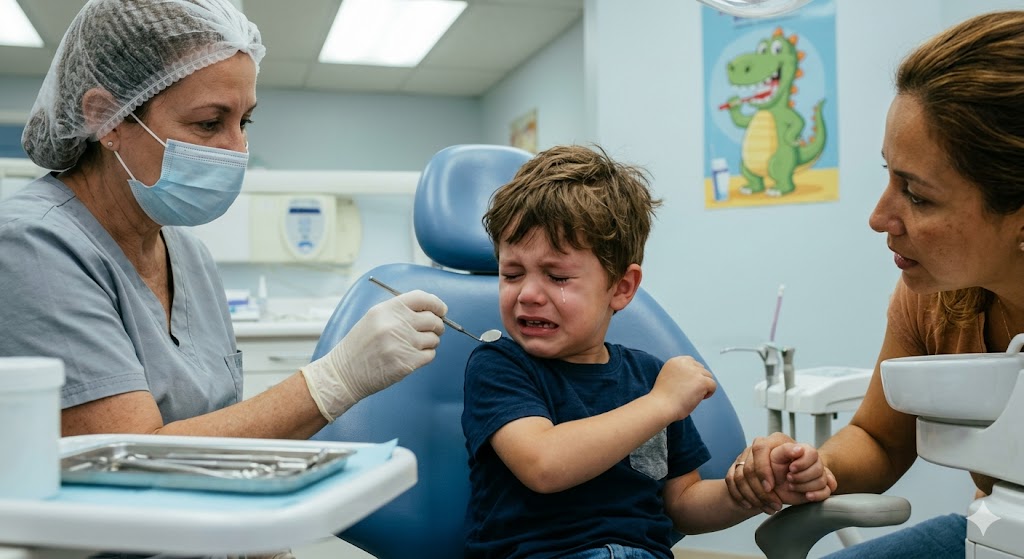
Hearing the words “my child is terrified of the dentist” is a heavy burden for any parent. You want to protect your child from pain, yet you know that skipping dental visits can lead to serious oral health complications down the road. The anxiety, the tears at the mere mention of a toothbrush, and the full-blown tantrums in the clinic waiting room are incredibly stressful. You are not alone in this struggle.
Dental anxiety in children is a widespread, deeply studied phenomenon. It spans across cultures, age groups, and backgrounds. This comprehensive guide serves as your definitive roadmap to understanding, managing, and ultimately overcoming your child’s dental fears. By implementing intentional, compassionate, and evidence-based strategies, you can transform the dental office from a place of terror into a routine, stress-free destination.
Section 1: Understanding the Roots of Pediatric Dental Anxiety
To effectively address a child’s fear, you must first understand its origin. Children do not develop a phobia of the dentist in a vacuum. Their fears are typically driven by specific psychological, sensory, or environmental triggers.
The Fear of the Unknown
For a young child, a dental office is a foreign environment filled with unfamiliar sights, sounds, and smells. They are asked to lie down on a large, intimidating chair while an adult they barely know places metallic, sharp-looking instruments into their mouth. This complete lack of predictability triggers a primal fight-or-flight response. Without proper preparation, the brain naturally perceives the unknown as inherently dangerous.
Sensory Overload
Dental clinics are a minefield of intense sensory stimuli. The high-pitched whine of the dental drill, the bright overhead lights shining directly into their eyes, the chemical smell of antiseptic solutions, and the physical sensation of vibration inside their mouth can completely overwhelm a child’s developing nervous system. Sensory encapsulation explains why a child might tolerate a scrape on the knee but dissolve into hysterics during a routine dental cleaning.
[Sensory Trigger] ---> [Nervous System Overwhelm] ---> [Behavioral Meltdown]
Vicarious Learning and Transmitted Anxiety
Children are highly sensitive barometers of their parents’ emotions. If you harbor your own anxieties about dental work, your child will pick up on subtle cues—such as a tensed jaw, a worried sigh, or a reluctant tone of voice. This is known as vicarious learning. When a parent exhibits fear, the child internalizes the message that the dentist is someone to dread.
Expert Insight: “Children watch their parents for cues on how to react to new environments. If a parent communicates apprehension, even non-verbally, the child immediately registers the situation as unsafe.” — Dr. Sarah Bennett, Pediatric Psychologist
Previous Negative Medical Experiences
A child who has undergone painful medical procedures, such as vaccinations, blood draws, or emergency room visits, frequently generalizes that fear to all healthcare settings. They see a white coat or a sterile environment and automatically prepare for physical pain.
Section 2: Developmental Stages and Dental Fear
A child’s developmental stage heavily influences how they perceive and express their fear of the dentist. Tailoring your approach to their age group ensures your intervention is both effective and comforting.
Toddlers (Ages 1 to 3)
At this stage, fear is primarily driven by separation anxiety and a lack of verbal communication skills. Toddlers cannot logically process why a stranger needs to touch their teeth. Their anxiety is expressed through raw physical resistance: crying, kicking, and arching their back.
- Primary Trigger: Separation from the parent or physical restriction.
- Best Approach: Knee-to-knee exams where the child remains in the parent’s lap throughout the checkup.
Preschoolers (Ages 4 to 5)
Preschoolers possess vivid imaginations but struggle to separate fantasy from reality. They may fear that the dentist will permanently alter their mouth or accidentally swallow an instrument. Their fear is often verbalized through imaginative explanations or outright non-compliance.
- Primary Trigger: Fear of bodily harm or loss of control.
- Best Approach: Using the “Tell-Show-Do” technique with highly metaphorical language.
School-Aged Children (Ages 6 to 12)
Older children understand the basic concept of dental health, but their anxiety centers around anticipatory pain and peer judgment. They may feel embarrassed about showing fear or having cavities, leading them to internalize their anxiety until it manifests as physical symptoms like stomachaches or headaches before an appointment.
- Primary Trigger: Fear of injections, pain, and loss of autonomy.
- Best Approach: Honest communication, involving them in the treatment plan, and teaching coping mechanisms like deep breathing.
Section 3: The Danger of Avoidance
When faced with a screaming child, the temptation to cancel the appointment and try again next year is immense. However, avoidance is a dangerous strategy that reinforces the anxiety cycle while putting your child’s physical health at risk.
The Anxiety Avoidance Loop
When you allow a child to skip a dental visit because they are crying, their brain receives an immediate wave of relief. This relief rewards the crying behavior, teaching the child that throwing a tantrum is an effective way to escape an uncomfortable situation. The next time an appointment is scheduled, the anxiety will return with even greater intensity.
[Anxiety Triggers] -> [Tantrum/Crying] -> [Appointment Canceled] -> [Temporary Relief] -> [Anxiety Strengthens]
The Escalation of Dental Disease
Skipping routine cleanings allows minor, painless issues like plaque buildup and early enamel demineralization to progress into deep cavities, root canal infections, or painful abscesses. Consequently, when the child is finally forced to see a dentist due to unbearable pain, they must undergo invasive, lengthy treatments. This experience confirms their worst fears, locking them into a lifetime pattern of severe dental phobia.
Section 4: Choosing the Right Dental Practice
The environment in which your child receives care plays a pivotal role in shaping their long-term perception of oral healthcare. A standard adult dental office, while perfectly functional for mature patients, can feel stark, cold, and intimidating to a frightened child.
General Dentist vs. Pediatric Specialist
While many general dentists treat children excellently, a board-certified pediatric dentist undergoes two to three years of additional residency training beyond dental school. This specialized training focuses exclusively on child psychology, behavior management, growth development, and treating children with special healthcare needs.
Evaluating the Clinic Environment
When searching for the ideal dental home for an anxious child, arrange an initial tour without scheduling any clinical work. Observe the physical space and the staff’s demeanor carefully.
| Feature | Ideal Pediatric Environment | Red Flag Environment |
| Waiting Room | Bright, colorful, filled with toys, books, and child-sized furniture. | Minimalist, silent, filled with adult magazines and delicate decor. |
| Staff Attitude | Patient, uses welcoming language, speaks directly to the child. | Rushed, dismissive, talks over the child to the parent. |
| Clinical Layout | Open-bay concepts or highly personalized private rooms with screens. | Claustrophobic, sterile rooms with exposed, intimidating surgical tools. |
| Soundscape | Ambient child-friendly music or movies playing to mask drill sounds. | Loud mechanical noises, clinical silence, or echoing cries from other rooms. |
Section 5: At-Home Preparation Strategies
Overcoming dental anxiety starts long before you step foot inside the clinic. Proactive, positive reinforcement at home lays the psychological foundation your child needs to feel safe.
The Power of Role-Play
Transform dental visits into a playful, predictable game in the comfort of your living room. Take turns playing the role of the dentist and the patient.
- Use a toothbrush or a small handheld mirror to count your child’s teeth.
- Shine a flashlight into their mouth to mimic the overhead dental light.
- Practice opening wide like a lion or a hippopotamus.
- Count each tooth aloud, praising them for keeping their body still and calm.
Bibliotherapy: Utilizing Children’s Literature
Books are an exceptional tool for normalizing new experiences. Reading age-appropriate stories about favorite characters visiting the dentist helps children contextualize the process without fear.
- The Berenstain Bears Visit the Dentist by Stan and Jan Berenstain
- Daniel Tiger Goes to the Dentist by Alexandra Cassel Schwartz
- Just Going to the Dentist by Mercer Mayer
Language Standards: Words to Use and Avoid
The vocabulary you use when discussing the dentist can either soothe or terrify your child. Avoid loaded words that evoke images of pain or punishment.
[AVOID] -----------------------> [USE INSTEAD]
"Pain / Hurt" -----------------> "Comfortable / Easy"
"Shot / Needle" ---------------> "Sleepy Juice / Cold Air"
"Drill" -----------------------> "Whistling Toothbrush"
"Pull / Rip out" --------------> "Wiggle out"
"Scrape / Poke" ---------------> "Tickle / Count"
Important Note for Parents: Never use the dentist as a threat for poor behavior or failure to brush teeth. Saying, “If you don’t brush your teeth, the dentist will have to stick a needle in your gums,” creates an association of the dentist as a punisher, making future clinical visits highly volatile.
Section 6: On the Day of the Appointment
The morning of a dental visit requires careful management to prevent stress from escalating into a crisis. Your primary goal is to maintain a calm, structured, and predictable routine.
Managing Logistics and Timing
Schedule the appointment during your child’s peak behavioral hours. For toddlers and preschoolers, this is typically early morning after a good night’s sleep. Avoid scheduling visits during traditional nap times, late afternoons when irritability peaks, or right before major school exams. Arrive early enough to settle in without rushing, but not so early that your child has forty-five minutes to sit in the waiting room letting their anxiety build.
Bringing Comfort Objects
Allow your child to bring a physical piece of home into the operatory. A favorite stuffed animal, a soft security blanket, or a pair of noise-canceling headphones playing a familiar audiobook can provide an immense sense of security and control.
The Parent’s Role in the Operatory
If the pediatric dentist allows you to remain in the treatment room, your role is to be a supportive, silent partner.
- Sit quietly within the child’s line of sight.
- Hold their hand if permitted.
- Avoid interrupting the dentist or re-explaining instructions.
- Let the dentist establish a direct, trusting relationship with your child.
Section 7: Clinical Behavior Management Techniques
Pediatric dentists utilize a sophisticated suite of psychological techniques designed to guide children through procedures safely and comfortably. Understanding these methods will give you peace of mind during your child’s treatment.
Tell-Show-Do
This is the gold standard of pediatric behavior management. It involves a simple three-step process:
- Tell: The dentist explains the procedure in simple, non-threatening words (e.g., “I am going to use this little hose to wash your tooth.”).
- Show: The dentist demonstrates the tool on the child’s fingernail or a model (e.g., spraying water on their hand to show it doesn’t hurt).
- Do: Once the child is comfortable, the dentist performs the step in the mouth exactly as shown.
Positive Reinforcement
Instead of focusing on negative behaviors, pediatric dental teams heavily praise positive actions. Phrases like, “I love how still you are keeping your hands,” or, “You are doing an amazing job opening wide,” motivate the child to continue cooperating.
Voice Control
A deliberate alteration of voice volume, tone, or pace can gently command a child’s attention. A soft, whispering tone can capture the focus of an agitated child, while a firm, confident tone can establish boundaries for a child who is becoming unsafe in the chair.
Distraction
Distraction diverts the child’s attention away from the procedure. This can take the form of telling an engaging story, asking them to count ceiling tiles, or having them watch an overhead television screen.
Section 8: Pharmaceutically Managing Severe Dental Phobia
When psychological behavioral techniques are insufficient for a child experiencing extreme terror or requiring extensive restorative work, pharmacological options provide a safe, effective alternative.
Nitrous Oxide (Laughing Gas)
Nitrous oxide is a mild, inhaled sedative mixed with oxygen. It is administered through a small mask that sits over the child’s nose. It induces a state of relaxation, warmth, and mild euphoria while keeping the child fully awake, responsive, and capable of following commands. The effects wear off entirely within minutes of breathing pure oxygen at the end of the procedure.
Oral Conscious Sedation
This involves administering a liquid medication before the appointment. It makes the child drowsy, deeply relaxed, and sometimes forgetful of the procedure itself, though they remain conscious. It is ideal for children with moderate anxiety who require multiple fillings or minor extractions.
General Anesthesia
For children with profound phobias, severe developmental disabilities, or those requiring extensive full-mouth reconstructions, general anesthesia is utilized. Performed in a controlled hospital setting or a specialized surgical suite alongside an anesthesiologist, the child is placed into a deep, controlled sleep. They feel absolutely no pain and have no memory of the dental work upon waking.
Section 9: Long-Term Strategies for Dental Confidence
Overcoming dental fear is a marathon, not a sprint. Consistency, positive reinforcement, and a focus on long-term habits will ensure your child grows into an adult who views dental care as an essential, non-threatening aspect of health.
Establishing a “Dental Home” Early
The American Academy of Pediatric Dentistry recommends that a child establish a dental home by their first birthday or within six months of the eruption of their first tooth. Early visits are brief, easy, and painless. They serve primarily to familiarize the child with the environment before any complex dental issues can even develop.
Maintaining a Consistent 6-Month Routine
Consistency builds familiarity, and familiarity breeds comfort. By taking your child to the dentist every six months without fail, the environment becomes a predictable part of their yearly routine.
Post-Visit Debriefing and Positive Framing
How you talk about an appointment after it ends heavily shapes your child’s memory of the event. Even if your child cried for most of the visit, highlight their moments of success.
Instead of saying:
“I’m sorry you cried so much when she cleaned your top teeth.”
Frame the experience positively:
“I am so incredibly proud of how bravely you opened your mouth for the dentist at the beginning! You showed real courage.”
This positive cognitive reframing helps rewrite their memory, making them feel accomplished and more willing to cooperate during their next visit.
Conclusion
Helping a child overcome deep dental anxiety requires patience, empathetic communication, the selection of an environment designed for children, and consistent, long-term positive reinforcement at home. By shifting from avoidance to proactive preparation, you transform terrifying clinic visits into safe, predictable, and routine health experiences. Your dedicated support today establishes a strong foundation for a lifetime of confident smiles and optimal oral health.
Frequently Asked Questions (FAQ)
What should I do if my child starts throwing a tantrum in the middle of a dental procedure?
Allow the clinical team to take the lead. Pediatric dentists are highly trained in behavior management and will use techniques like “Tell-Show-Do” or voice control to calm your child safely. Intervening abruptly can confuse the child and compromise safety. Trust the professionals, remain a calm presence, and follow the dentist’s real-time instructions.
Is it safe for my toddler to undergo dental sedation?
Yes. When administered by a qualified pediatric dentist or an anesthesiologist following strict clinical guidelines, dental sedation is highly safe. The dental team carefully evaluates your child’s health history, weight, and developmental status to determine the precise, safest dosage and method for their specific needs.
How do I talk to my child about an upcoming filling without scaring them?
Avoid specific, clinical words like “shot,” “drill,” or “pain.” Instead, describe the process using simple, playful metaphors. Tell them the dentist is going to use a special, whistling toothbrush to chase out the “sugar bugs” hiding in their tooth, and then fill up the space with a shiny, protective star shield.
My child has autism and struggles heavily with sensory overload. Can they still visit the dentist?
Absolutely. Pediatric dental offices routinely treat children with sensory processing differences. Contact the office ahead of time to arrange a sensory-friendly appointment. Many clinics can dim the lights, minimize noise, offer weighted blankets, and schedule longer appointment windows to proceed at a slow, comfortable pace for your child.
Additional Resources
- American Academy of Pediatric Dentistry (AAPD): Offers a comprehensive database to help families locate board-certified pediatric dentists in their local area, alongside detailed, parent-focused oral health guides.
- National Institute of Dental and Craniofacial Research (NIDCR): Provides highly reliable, evidence-based educational materials regarding children’s dental health development, anxiety reduction, and preventative care.
- The Child Mind Institute: A trusted resource featuring articles and professional strategies designed to help parents navigate childhood phobias, generalized anxiety, and medical environment stress.