What Impact Did Covid Have On Dentistry?
The COVID-19 pandemic was a seismic event that fundamentally transformed the practice of dentistry. It was not a temporary disruption but a generational shift that permanently rewrote infection control protocols, patient management workflows, and the economic model of oral healthcare delivery. The impact extended from the mandatory, prolonged closure of practices to the deep psychological trauma inflicted on the dental workforce and the acceleration of long-term clinical trends. The dental profession that emerged from the pandemic is more resilient, more technologically integrated, and more keenly aware of its role in systemic health, but it bears the deep scars of an unprecedented crisis.
The Catastrophic Shutdown and the Aerosol Panic
In March 2020, dentistry experienced an almost global, government-mandated shutdown that was historically unprecedented. National dental associations and public health agencies, acting on rapidly evolving evidence about the airborne transmission of SARS-CoV-2, deemed routine dental care a high-risk activity. The core concern was not just proximity, but the aerosol generated by dental handpieces, ultrasonic scalers, and air-water syringes. This aerosol, a cloud of microscopic droplets and particles, was understood to potentially contain viral particles from an infected patient’s saliva, nasopharynx, or blood, and could remain suspended in the operatory air for hours.
The suspension of all non-emergency care was immediate and absolute. Dental practices across the globe closed their doors to all but the most acute emergencies. Patients with severe odontogenic infections, uncontrolled bleeding, or traumatic injuries were managed under extreme, enhanced precautions, often in designated COVID-19 hubs. The public was left without access to routine checkups, hygiene cleanings, and ongoing restorative treatment. This created a massive, pent-up backlog of deferred care. Small cavities were left to grow into large ones. Mild gingivitis progressed unchecked. Orthodontic patients were stranded with broken wires and no adjustments.
The Revolution in Infection Control and PPE
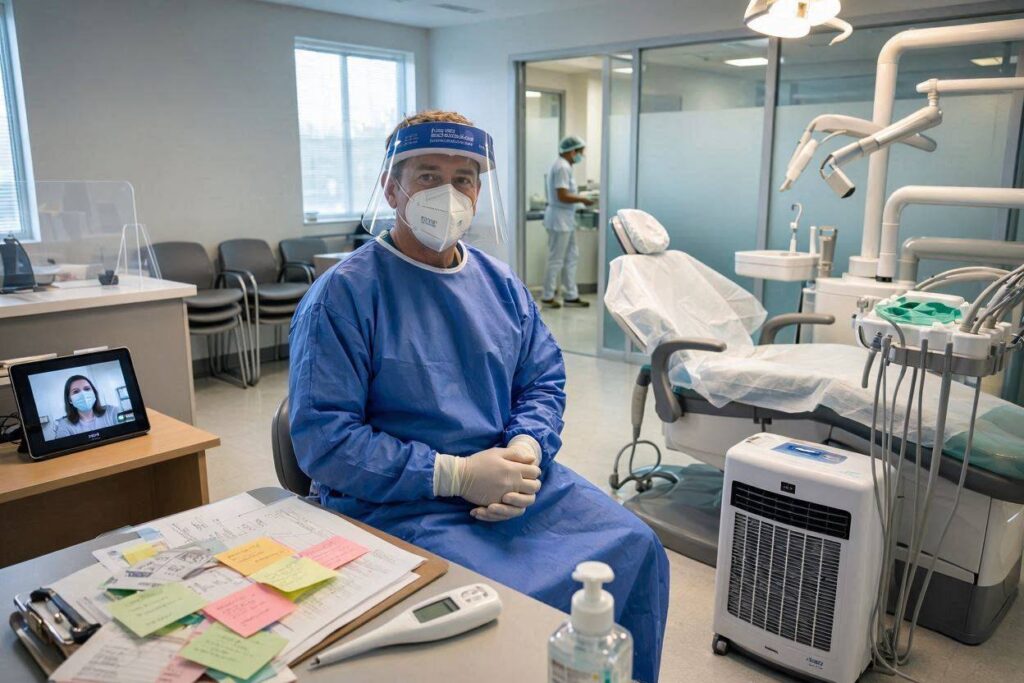
The reopening of dental practices was contingent on a complete, and costly, overhaul of infection control standards. The concept of universal precautions was replaced by a more stringent standard of transmission-based precautions. The physical and operational fabric of the dental office was transformed. Waiting rooms were stripped of magazines, toys, and communal coffee stations. Chairs were spaced far apart, and patients were often instructed to wait in their cars until the operatory was ready. Plexiglas barriers were erected at reception desks, and air purification units with HEPA filters and UV-C germicidal irradiation were deployed in every operatory.
The personal protective equipment worn by the dental team escalated to levels previously seen only in hospital intensive care units. A Level 3 surgical mask, which was the pre-pandemic standard, was replaced by the N95 respirator, which required annual quantitative or qualitative fit testing to ensure an airtight facial seal. Face shields, full-length fluid-resistant gowns, bouffant hair covers, and shoe covers became the mandatory, daily uniform. Every patient was treated as a potential asymptomatic carrier. This represented a massive escalation in the cost of supplies per patient visit, a logistical supply chain strain, and a physically and psychologically burdensome work environment for clinicians.
The Pre-Procedural Mouth Rinse and Fallow Time
Two specific new protocols defined the early pandemic era. The pre-procedural antimicrobial mouth rinse became a mandatory, universal step before any aerosol-generating procedure. Patients gargled with a 1% hydrogen peroxide or 0.2% povidone-iodine solution for 60 seconds, based on early in-vitro evidence suggesting these agents could reduce the viral load in the saliva. This simple step, which remains a common practice in many offices, symbolizes the new, heightened awareness of the oral cavity as a potentially infectious medium.
Fallow time was a more disruptive and economically damaging protocol. It was the mandated period after any aerosol-generating procedure during which the operatory must remain empty, with the door closed, to allow for a sufficient number of air changes to clear any lingering infectious aerosol. Fallow times of 30 minutes, 60 minutes, or even longer were mandated by different regulatory bodies. A one-hour procedure could shut down a room for two hours. This decimated the daily patient volume and the economic productivity of a practice, forcing a fundamental rethinking of scheduling and an aggressive investment in direct air filtration to shorten the fallow period.
The Economic Devastation and the Workforce Crisis
The financial impact on the dental profession was staggering. The total loss of revenue during the shutdown, combined with the ongoing, high operational costs of the enhanced safety protocols and the dramatically reduced patient volume, pushed many practices, particularly smaller, independent offices, to the brink of insolvency. Government relief programs, such as the Paycheck Protection Program in the United States, provided a temporary financial bridge, but the long-term debt and the loss of patient goodwill were profound.
The pandemic inflicted a deep psychological wound on the dental workforce. The chronic, low-grade stress of working in a high-risk, aerosolized environment, the physical discomfort of the intensive PPE, the emotional toll of managing anxious patients, and the constant fear of contracting and transmitting the virus to their own families led to an epidemic of burnout, moral injury, and mental health crises among dentists, hygienists, and assistants. This emotional exhaustion triggered a significant and lasting exodus of experienced professionals from the clinical workforce, creating a severe staffing shortage that persists in many regions. The “Great Resignation” hit dentistry especially hard, and the labor market for dental hygienists and qualified assistants remains critically tight.
The Acceleration of Teledentistry and Digital Workflows
From the ruins of the shutdown, teledentistry emerged not as a novelty but as a necessity. Practices used synchronous video calls and asynchronous, store-and-forward platforms to conduct emergency triage, provide post-operative checks, and perform limited orthodontic monitoring. Regulatory barriers were temporarily relaxed, and reimbursement codes for virtual visits were introduced. While the scope of teledentistry remains limited by the inability to perform an intraoral exam or take X-rays, it is now a permanent, integrated triage and communication modality in modern dental practice, particularly useful for specialist consultations and routine aligner follow-ups.
The pandemic also accelerated the adoption of digital impressions and CAD/CAM restorative workflows. An intraoral scanner eliminates the need for a traditional, gag-inducing, and potentially more aerosol-generating alginate or PVS impression. The digital file is cleaner, faster, and integrates seamlessly into a same-day crown milling system, which reduces the number of visits and the aerosol exposure for a single restorative procedure. The pandemic provided the urgent economic and safety rationale for the capital investment in these technologies.
The Long-Term Clinical Legacy: Stress-Related Pathologies
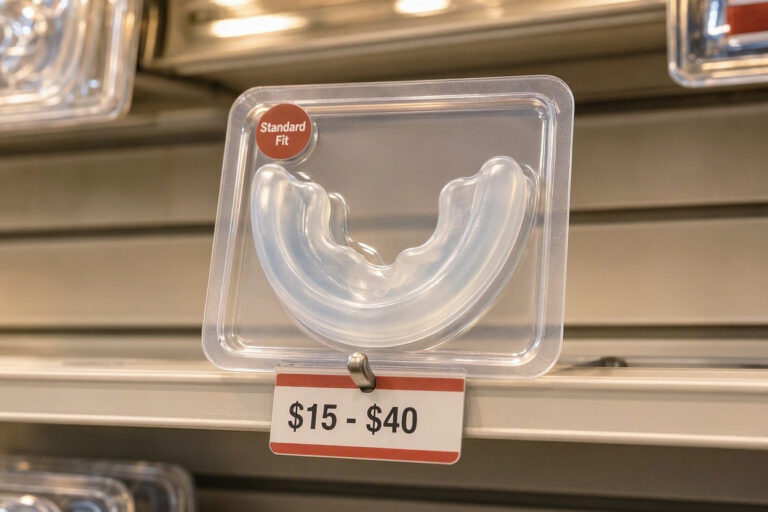
The long-term clinical consequences of the pandemic are now walking through the doors of dental practices globally. Dentists are diagnosing and treating the oral manifestations of two years of chronic, unprecedented societal stress. The incidence of bruxism, the unconscious clenching and grinding of teeth, has exploded. Patients present with flattened, worn-down canines, fractured cusp tips, and generalized, severe attrition of the enamel. Cracked tooth syndrome, a constellation of symptoms from a fracture line in a tooth that causes sharp pain on biting, has become a daily diagnosis.
Associated with this, there has been a significant rise in temporomandibular joint disorders. Patients present with facial muscle pain, joint clicking and locking, and chronic tension-type headaches, all driven by the sustained, isometric contraction of the masticatory muscles during the day and, especially, during the disrupted, anxious sleep of the pandemic era. The dental profession is now managing a wave of complex, stress-driven restorative and orofacial pain cases that are the direct, long-tail clinical sequelae of the global trauma of COVID-19.
Conclusion
The COVID-19 pandemic inflicted a catastrophic shutdown on dentistry, driven by the fear of the infectious dental aerosol, which was followed by a revolutionary and costly overhaul of infection control, mandating N95 respirators and the economically devastating fallow time. It triggered a profound workforce burnout and an exodus of skilled professionals, while simultaneously accelerating the permanent adoption of teledentistry and digital workflows. The long-term clinical legacy is a wave of stress-induced bruxism, cracked teeth, and TMJ disorders, a testament to the deep, enduring, and multifaceted impact of the pandemic on the profession and the oral health of the global population.
Frequently Asked Questions
Q: Is it safe to go to the dentist now, post-pandemic?
A: Yes. Dental practices operate under universal, stringent infection control precautions that are rigorously enforced. The risk of airborne disease transmission in a modern dental operatory with enhanced ventilation and standard PPE is extremely low. Dentistry was a safe healthcare environment before the pandemic, and the safety protocols have only intensified.
Q: Why are dental fees higher now than before COVID-19?
A: The cost of running a dental practice has increased significantly. The price of personal protective equipment, the lower patient volume due to enhanced safety protocols, the investment in high-level air filtration, and the significant increase in staff wages in a competitive, understaffed labor market have all contributed to higher operational overheads, which are partially reflected in fee schedules.
Q: Did the pandemic cause permanent damage to people’s oral health?
A: Yes. The period of prolonged office closures led to widespread deferral of preventive and early restorative care. Dentists are now diagnosing more advanced decay, more severe gum disease, and a dramatic increase in stress-related tooth fractures and TMJ dysfunction, all of which represent a lasting negative impact on the population’s oral health status.
Additional Resource
For the official, authoritative guidance on infection control, aerosol management, and the post-pandemic standard of care in dental healthcare settings, always reference the leading national public health agency.
- Centers for Disease Control and Prevention Dental Infection Control: cdc.gov/oralhealth/infectioncontrol