
Can I Get Dentures After 2 Weeks of Tooth Extraction?
Waiting for your mouth to heal after losing teeth can feel frustrating. You want to smile again. You want to eat normally. And you probably want to avoid walking around with missing front teeth.
So, you ask yourself: can I get dentures after 2 weeks of tooth extraction?
The short answer is yes, but with some important conditions. Immediate dentures are often placed right after extraction. However, getting traditional, permanent dentures after only 14 days is not the standard path for most people.
Let’s walk through what actually happens in your mouth during those first two weeks, what dentists look for, and how you can move forward safely.
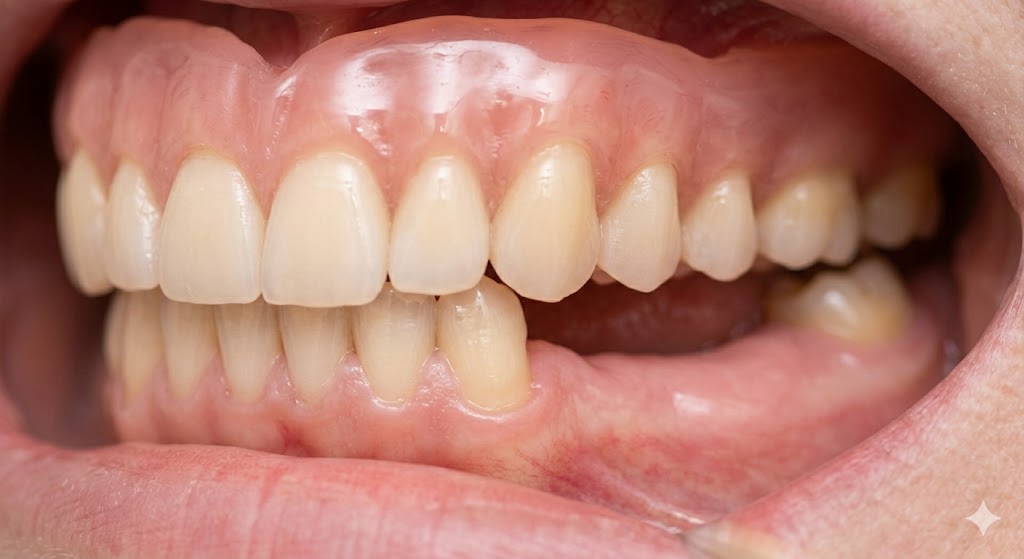
What Really Happens in Your Mouth During the First 2 Weeks
To understand if dentures are possible after 14 days, you first need to see the healing process from the inside.
The First 72 Hours: Blood Clot Formation
Right after your tooth is pulled, a blood clot forms in the empty socket. This clot is your best friend. It protects the underlying bone and nerve endings. It also serves as the foundation for new tissue growth.
During this phase, you should not wear any kind of removable denture unless it is a specially designed immediate denture. Even then, most dentists ask you to keep it in for 24 to 48 hours straight.
Days 4 to 7: Swelling Goes Down
By the end of the first week, the initial swelling usually starts to fade. The gum tissue begins to shrink slightly. You might still feel tenderness, but the risk of dry socket (a painful condition where the clot dislodges) goes down significantly.
During this period, the shape of your gums changes daily. Sometimes, it changes by a millimeter or two. That might not sound like much, but for a denture, even half a millimeter means the difference between a snug fit and a painful loose one.
Days 8 to 14: Rapid Reshaping
Here is where things get tricky. Between week one and week two, your gums are still shrinking. The bone underneath is remodeling itself. This is a natural, healthy process.
But this constant change makes it nearly impossible to create a traditional, permanent denture that fits well.
Important Note: A denture made on day 14 will likely feel loose by day 21. That is not a defect in the denture. It is simply your mouth healing at its natural speed.
The Two Main Types of Dentures After Extraction
Before answering whether you can get dentures after two weeks, you need to know your options. Not all dentures are the same.
| Type of Denture | When It Is Made | Fit Quality | Cost Range | Best For |
|---|---|---|---|---|
| Immediate Denture | Before extraction | Loose; requires frequent relining | $$ | First few months of healing |
| Conventional Denture | 6 to 12 weeks after extraction | Tight and precise | $$$ | Long-term wear |
| Interim (Temporary) Denture | 2 to 4 weeks after extraction | Moderate; short-term use | $ | Bridge waiting period |
| Overdenture (implant-supported) | 4 to 6 months after extraction | Excellent; stable | $$$$$ | Permanent solution |
As you can see, a conventional denture (the kind most people imagine) is not typically made at the two-week mark. But an immediate or interim denture? That is possible.
Can You Get Dentures After Exactly 2 Weeks? Three Scenarios
Let’s break this down into real-life situations.
Scenario 1: You Had an Immediate Denture Placed on Extraction Day
If your dentist placed an immediate denture right after pulling your teeth, then yes, you already have a denture. After two weeks, you are wearing it.
However, this denture will need adjustments. Most dentists ask you to return for a soft reline around the two-week mark. During a soft reline, they place a pliable material inside the denture to match the new shape of your gums.
Without this reline, the denture will rock, rub, and cause sore spots.
Scenario 2: You Did Not Get a Denture on Day One
If you had extractions without any immediate denture, waiting two weeks to start the denture process is actually common. But here is the key detail: you will not receive the final denture on day 14.
Instead, your dentist will take an initial impression around day 14. Then, they will create a temporary denture or begin the multi-step process for a conventional denture. You will typically wait another 4 to 6 weeks for the final product.
Scenario 3: You Only Had One or Two Teeth Extracted
Partial dentures are more forgiving than full dentures. If you had a single tooth or two teeth removed, your dentist might be able to create a flexible partial denture or a “flipper” tooth within two weeks.
These are lightweight, temporary solutions. They are not meant for heavy chewing, but they restore your smile quickly.
A patient shared: “I had my front tooth extracted on a Monday. By Friday of the second week, my dentist delivered a temporary partial denture. It was not perfect, but no one could tell I had a missing tooth. I used it for three months until my implant healed.”
Why Most Dentists Hesitate to Make Permanent Dentures at 2 Weeks
You might wonder, “If immediate dentures exist, why can’t I just get a permanent one at two weeks?”
The answer comes down to three words: shrinkage, stability, and soreness.
Shrinkage Is Unpredictable
Every person heals differently. Someone who smokes might heal slower. Someone with diabetes might have delayed tissue closure. A healthy non-smoker in their 30s might heal faster than expected.
Dentists cannot guess exactly how much your gums will shrink. And a permanent denture requires exact measurements.
Stability Requires a Solid Base
Think of a denture like a house. If you build a house on ground that is still settling, the foundation cracks. A denture on healing gums will rock back and forth. That rocking motion causes:
- Painful pressure points
- Difficulty chewing
- Speech problems (clicking sounds)
- Bone loss over time
Soreness Leads to Disuse
Many patients who receive a denture too early end up leaving it in a drawer. Why? Because it hurts to wear. And if it hurts to wear, you stop wearing it. That defeats the entire purpose.
Waiting an extra month often means the difference between a denture you actually use and one you regret.
What Does the Research Say About Healing Time?
Dental studies show that the majority of gum tissue shrinkage happens in the first three months after extraction. However, the most rapid phase occurs during weeks one through four.
- Week 1: 30% of total shrinkage
- Week 2: Additional 20% of total shrinkage
- Week 3 to 4: Additional 15% of total shrinkage
- Month 2 to 3: Slower changes
By waiting until weeks 8 to 12, your gums have completed roughly 70-80% of their total healing. That creates a much more stable base for a conventional denture.
If you force a permanent denture at week two, you are working against your body’s natural healing timeline.
A Realistic Timeline: From Extraction to Dentures
If you want to plan your journey, here is a practical timeline that balances speed with good outcomes.
Day of Extraction
- Blood clot forms in sockets
- If desired, immediate denture is placed
- Soft diet only
- No denture adjustment yet
Week 1
- Swelling peaks around day 2-3, then decreases
- Stitches may dissolve or be removed
- Continue soft foods
- Avoid using any removable denture without professional guidance
Week 2 (Your Target Point)
- What you can do: Schedule a denture consultation
- What you can receive: Interim temporary denture, soft reline of existing immediate denture, or initial impressions for a conventional denture
- What you cannot receive: Permanent conventional denture (except rare cases with special bone healing)
Weeks 3 to 4
- Gums continue reshaping
- Temporary dentures may need first adjustment
- Most patients can eat semi-soft foods with dentures in place
Weeks 6 to 8
- Healing is advanced enough for final impressions
- Dentist sends impressions to dental lab
- Try-in appointment to check fit and appearance
Weeks 8 to 12
- Delivery of permanent conventional denture
- Final adjustments over the next two weeks
- Full return to most foods (avoiding extremely hard or sticky items)
What About Immediate Dentures? Do They Work?
Immediate dentures have been around for decades. They serve a specific purpose: you never have to leave the dental office without teeth.
How Immediate Dentures Work
Your dentist takes impressions of your mouth before extracting your teeth. They send those impressions to a lab. The lab creates a denture based on your current gum shape.
On extraction day, your dentist pulls the teeth and places the denture immediately.
The Pros of Immediate Dentures
- No visible toothless period
- Protects extraction sites from food and tongue pressure
- Helps control bleeding
- Supports your lips and cheeks, preventing a sunken look
The Cons of Immediate Dentures
- Requires multiple relines (usually 2 to 4 in the first year)
- Never fits perfectly because gums change
- Higher upfront cost because you pay for adjustments
- Can cause sore spots during the first two weeks
If you choose this route, understand that your immediate denture is not your final denture. Most patients wear an immediate denture for 6 to 12 months, then have a conventional denture made.
Signs You Are Ready for a Denture (Even at 2 Weeks)
Your dentist will look for specific clinical signs before moving forward with any denture. Here is what they check:
- Closed extraction sites: No open holes where food can get trapped
- No active bleeding: Even minor oozing should be gone
- Minimal swelling: Your face should look normal, not puffy
- Pain controlled: You can open your mouth without sharp pain
- Bone coverage: New tissue has started covering the socket
If you meet all these signs at the two-week mark, you are a candidate for a temporary denture or a reline of an existing immediate denture.
If you still have open sockets, significant pain, or swelling, you need more healing time.
The Cost Difference: 2-Week Dentures vs. Standard Timing
Money matters. And timing affects your wallet.
| Service | Typical Cost (USD) | Notes |
|---|---|---|
| Immediate denture (full) | $1,200 – $2,500 | Includes extractions and denture |
| Temporary partial (flipper) | $300 – $600 | Single tooth replacement |
| Soft reline (at 2 weeks) | $100 – $250 | Required for immediate dentures |
| Conventional denture (standard timing) | $1,500 – $3,000 | Made at 3+ months |
| Hard reline (later) | $200 – $500 | Performs better after shrinkage stops |
If you get a denture too early and it becomes painfully loose, you might need multiple relines. Each reline costs money. In some cases, patients end up paying for a completely new denture within a year.
Waiting an extra 4 to 6 weeks often saves you hundreds of dollars in unnecessary adjustments.
What to Ask Your Dentist at Your 2-Week Appointment
You deserve clear answers. Here is a checklist of questions to bring to your appointment.
- “Based on my healing today, when can I receive my first denture?”
- “Do you recommend an immediate denture or a conventional one for my situation?”
- “If we make a denture now, how many relines will I likely need in the next six months?”
- “Can you show me a temporary solution that gets me through the next two months?”
- “What is the total cost including all adjustments for the first year?”
- “Are you trained in soft reline procedures, or will you refer me to a specialist?”
A good dentist will answer these questions without rushing you. If they push for a permanent denture at two weeks without explaining the risks, consider getting a second opinion.
Foods to Eat While Waiting for Your Denture
Healing nutrition is important. Here is what works during weeks two to six.
Safe Foods (Weeks 2 to 4)
- Mashed potatoes
- Greek yogurt
- Scrambled eggs
- Smoothies (no seeds or straws)
- Oatmeal
- Cottage cheese
- Pureed soups
- Applesauce
Foods to Avoid Until You Have a Stable Denture
- Steak and tough meats
- Nuts and seeds
- Popcorn
- Crusty bread
- Raw carrots or apples
- Sticky candies (caramel, taffy)
- Ice (chewing it)
Your gums are still tender even at two weeks. Respect that tenderness. Pushing too hard can delay your denture timeline.
How to Speed Up Healing Between Extraction and Denture
While you cannot force your body to heal overnight, you can support the process.
Do These Things
- Rest with your head elevated for the first 72 hours
- Use warm salt water rinses (starting 24 hours after extraction)
- Take prescribed or OTC anti-inflammatories as directed
- Stay hydrated with water (not through a straw)
- Eat soft, protein-rich foods (protein supports tissue repair)
- Stop smoking or vaping — nicotine dramatically slows gum healing
Avoid These Things
- Smoking or tobacco use of any kind
- Drinking through straws (suction can dislodge clots)
- Spitting forcefully
- Touching extraction sites with your tongue or finger
- Strenuous exercise (increases blood pressure and bleeding risk)
Following these guidelines can reduce your healing time by several days. Some patients who follow all instructions show significantly better healing at the two-week mark compared to those who do not.
Real Patient Experiences: 2 Weeks After Extraction
Let’s look at what actual patients report.
Maria, age 58 (full upper extraction):
“I had an immediate denture placed. At two weeks, I went back for a soft reline. That reline made the denture feel secure for the first time. Without it, I would have stopped wearing it.”
David, age 34 (lower molars only):
“I did not get a denture right away. At two weeks, my dentist took impressions for a partial denture. I received the actual denture at week five. The wait was annoying, but the fit was perfect.”
Elena, age 67 (full upper and lower):
“My dentist told me to wait three months. I did not listen. I went to a different dentist who made me dentures at week two. They hurt constantly. After four months, my gums had changed so much that the dentures literally fell out when I laughed. I had to pay for new ones.”
Elena’s story is not rare. It happens when patients rush the process without understanding the biology of healing.
Are There Any Exceptions? When 2 Weeks Might Work
Yes, there are exceptions. But they are not common.
Exception 1: Single Tooth Replacement
A single missing tooth creates a small area of healing. The surrounding teeth provide stability. A flipper tooth (temporary partial) can often be delivered at two weeks with good results.
Exception 2: Pre-Existing Bone Grafting
If you had a bone graft placed at the time of extraction, the graft material acts as a scaffold. Some dentists feel confident making a temporary denture slightly earlier in grafted sites because the underlying shape changes less dramatically.
Exception 3: Hypersensitive Gag Reflex
Some patients cannot tolerate even a day without something covering their palate. In these rare cases, a dentist might rush a very thin, temporary denture to help the patient adapt psychologically. This is not ideal, but it is patient-centered care.
Outside these exceptions, the standard advice remains: wait if you can.
Soft Reline vs. Hard Reline: What Is the Difference?
If you get a denture at two weeks, you will hear the word “reline” constantly. Here is what it means.
| Reline Type | Material | Timing | Duration of Relief | Best For |
|---|---|---|---|---|
| Soft Reline | Pliable silicone or polymer | Any time | 3 to 6 months | First 6 months of healing |
| Hard Reline | Acrylic (same as denture base) | After healing slows | 1 to 3 years | After 6+ months of healing |
| Temporary Cushion | Over-the-counter adhesive pads | Patient-applied | 1 to 3 days | Emergency comfort only |
A soft reline is your best friend during the first few months. It compresses slightly to adapt to your changing gums. However, soft liners wear out faster and can harbor bacteria if not cleaned properly.
A hard reline is more permanent. But you cannot get a hard reline at two weeks because your gums will continue shrinking, and the hard material will not adapt.
Denture Adhesives: Can They Help at the 2-Week Mark?
Adhesives like Fixodent or Poligrip have their place. But using them too early can cause problems.
When Adhesives Help
- Minor looseness in a well-fitting immediate denture
- Increased confidence during speaking or eating out
- Temporary relief while waiting for a professional reline
When Adhesives Hurt
- Covering up a denture that no longer fits at all
- Filling gaps caused by severe gum shrinkage
- Using them on open extraction sites (adhesive can get trapped in wounds)
Most dentists ask you to avoid adhesives for the first 7 to 10 days. After two weeks, a thin strip of adhesive is usually safe if your extraction sites are fully closed.
Never put adhesive directly into an open socket. If you feel adhesive migrating into healing areas, stop using it immediately.
What If You Already Have Dentures That Hurt at 2 Weeks?
Perhaps you already went ahead and got dentures early. Now they hurt. What do you do?
- Do not stop wearing them completely. That allows your gums to swell into a new shape, making the problem worse.
- Do remove them for a few hours each day. Give your gum tissue a break.
- Schedule an adjustment appointment immediately. Most dentists will see you within 48 hours for sore spots.
- Use a salt water rinse after removing the denture. This soothes inflamed tissue.
- Apply benzocaine gel (Orajel) to specific sore spots only. Do not coat the entire denture.
Pain is not normal at two weeks. Minor discomfort is normal. Sharp, localized pain means the denture is pressing on a healing area that needs adjustment.
Do not try to sand or adjust the denture yourself at home. You will ruin the fit and waste your money.
The Psychological Side: Living Without Teeth (Even Temporarily)
We cannot ignore the emotional part of this journey. Losing teeth feels personal. It affects your smile, your speech, and your confidence.
If you desperately want dentures at two weeks because you cannot bear being seen without teeth, be honest about that with your dentist. They may have solutions like:
- A temporary cosmetic partial (even if you are missing many teeth)
- Same-day denture services (available in some large dental chains)
- Payment plans that include early interim dentures
However, do not let emotion completely override medical reality. A poorly fitting denture at two weeks will cause more embarrassment (clicking, falling out, pain) than waiting an extra month for a proper fit.
One patient put it this way: “I was so scared of my wife seeing me toothless that I rushed into dentures. Within a month, I was more embarrassed by the clacking sound every time I talked. Waiting would have saved me that humiliation.”
Finding a Dentist Who Understands Early Denture Needs
Not all dentists approach early dentures the same way. Some refuse to make any denture before 8 weeks. Others specialize in immediate dentures and see patients at the two-week mark regularly.
Questions to Find the Right Dentist
- “How many immediate denture cases do you perform each month?”
- “Do you offer in-house soft relines, or do you send to a lab?”
- “What is your policy for emergency adjustments at the 2-week point?”
- “Can you show me before-and-after photos of patients who received dentures at 2 weeks?”
Prosthodontists (dental specialists in replacements) typically offer the most advanced options. However, general dentists with experience in immediate dentures can also provide excellent care.
Avoid any dentist who promises a “permanent” denture at two weeks without discussing relines. That is a red flag.
Step-by-Step: What a 2-Week Denture Appointment Looks Like
If you and your dentist decide to move forward at the 14-day mark, here is exactly what will happen.
- Examination: The dentist visually inspects and gently palpates each extraction site.
- X-ray (if needed): To check for bone spurs or retained root tips.
- Impression: A soft, non-sticky material captures the current shape of your gums.
- Bite registration: You bite down on a soft wax wafer to record jaw position.
- Shade selection: If you need new front teeth, you choose a color.
- Lab work: Impressions go to a lab. For a temporary denture, this takes 2 to 5 days.
- Delivery appointment: You try the denture. The dentist checks pressure points.
- Adjustment: The dentist sands down any high spots while you wait.
- Home care instructions: You learn how to clean and store your new denture.
At no point do you walk out of the two-week appointment with a finished conventional denture. That is simply not possible given lab timelines.
Long-Term Outlook: What Happens After Your 2-Week Denture?
Let us project forward 12 months. You got a temporary denture at two weeks. What now?
Month 1 to 3: You wear the temporary denture. You return for one or two soft relines. You learn to eat and speak with it.
Month 4 to 6: Your gums have slowed their shrinking. The temporary denture feels loose again. You schedule a hard reline or begin impressions for a conventional denture.
Month 6 to 12: You receive your permanent conventional denture. It fits precisely. You need only minor adjustments. You eat most foods comfortably.
Beyond 12 months: You visit your dentist annually to check the fit. Over years, your jawbone may still change slowly. Eventually (5 to 10 years later), you might need another new denture.
The two-week denture is a starting point, not a finish line. Plan your budget and expectations accordingly.
Alternative to Traditional Dentures: Implants and Overdentures
If you have the financial means and good bone health, implants change the timeline entirely.
With implant-supported overdentures:
- Implants are placed at the time of extraction (or after healing)
- The implants heal for 3 to 6 months
- A denture snaps onto the implants
- No slipping, rocking, or gum-on-denture friction
However, you still cannot get a final implant denture at two weeks. The implants themselves need time to fuse with your bone (osseointegration).
But you can wear a temporary denture during healing. And the final result is vastly superior to traditional dentures.
For many patients, the extra waiting time for implants pays off in years of comfort.
Summary Table: Your Options at 2 Weeks Post-Extraction
| Option | Feasibility at 2 Weeks | Comfort Level | Cost | Duration of Use |
|---|---|---|---|---|
| Permanent conventional denture | Not feasible | Poor (will loosen quickly) | High | Not recommended |
| Immediate denture (already placed) | Feasible with reline | Moderate after reline | Moderate | 6-12 months |
| Temporary interim denture | Feasible | Moderate | Low to moderate | 2-6 months |
| Flexible partial denture | Feasible for 1-2 missing teeth | Good | Moderate | 6+ months |
| Do nothing, wait for healing | Always feasible | N/A | Free | N/A |
| Implant consultation | Feasible | N/A | Varies | Long-term |
Common Myths About Dentures and Healing Time
Let us clear up some misinformation you might find online.
Myth 1: “You can get permanent dentures in one day.”
False. You can get immediate dentures in one day, but they are not permanent. Permanent dentures require healed gums.
Myth 2: “If it hurts, you just need to get used to it.”
False. Pain at two weeks usually means poor fit or a pressure sore. A dentist should adjust it.
Myth 3: “Dentures stop your gums from shrinking.”
False. Dentures do not stop bone resorption. In fact, poorly fitting dentures can accelerate bone loss.
Myth 4: “You should wear dentures 24/7 for the first month.”
False. You should remove them at night to let your gums rest and to clean the denture.
Myth 5: “Soft relines are permanent solutions.”
False. Soft relines last only a few months before they harden or wear out.
Final Checklist Before Getting Dentures at 2 Weeks
Print this list and take it to your dental appointment.
- My extraction sites are fully closed (no holes).
- I have no significant swelling or redness.
- I can open my mouth without sharp pain.
- My dentist has explained how many relines I will need.
- I understand that a 2-week denture is temporary.
- I have budgeted for adjustments within the first year.
- I agree to remove the denture at night.
- I will return for follow-up adjustments as scheduled.
- I have a backup plan (soft foods, time off work) if the fit is poor initially.
If you checked all these boxes, you are informed and ready.
Conclusion
So, can you get dentures after 2 weeks of tooth extraction? Yes, but only temporary or immediate dentures with a soft reline. Permanent conventional dentures require more healing time—typically 8 to 12 weeks—to ensure a stable, comfortable fit that does not damage your underlying bone. Rushing the process often leads to pain, extra costs, and dentures that end up in a drawer. Work closely with an experienced dentist, respect your body’s natural healing timeline, and you will enjoy a functional, confident smile for years to come.
Frequently Asked Questions (FAQ)
1. Can I eat normally with dentures at 2 weeks?
No. Stick to soft foods for at least the first month. Your gums are still tender, and the denture fit is not final.
2. Will my dentures fall out if I get them at 2 weeks?
They may feel loose as your gums shrink. A soft reline or denture adhesive (after healing) can help, but some looseness is normal.
3. How many times will I need my denture adjusted in the first year?
Most patients need 2 to 4 soft relines in the first six months, plus one hard reline or new denture between months 6 and 12.
4. Is it cheaper to wait for conventional dentures?
Yes. Immediate and interim dentures require more adjustments, which add to the total cost over time.
5. What is dry socket, and can it affect dentures?
Dry socket happens when the blood clot dislodges. Dentures can increase the risk if they rub against the clot. That is why immediate dentures require careful monitoring.
6. Can I get a partial denture at 2 weeks if I only lost one tooth?
Yes. Single-tooth temporary partials (flippers) are often delivered around the two-week mark with good results.
7. Do dentures hurt at 2 weeks?
Mild soreness is common. Sharp, focused pain is not—see your dentist for an adjustment.
8. Can I sleep with my 2-week denture in?
No. Remove it at night to let your gums recover and to prevent fungal infections.
9. Will my face look sunken if I wait 3 months for dentures?
No. Three months of waiting is not enough to cause significant facial changes. Years of missing teeth cause that, not weeks.
10. What if I have no teeth left and cannot afford immediate dentures?
Look into dental schools, community health centers, or state-funded dental programs. Some offer sliding-scale fees for extractions and basic dentures.
Additional Resource
For a deeper dive into healing timelines, cost comparisons, and finding a dentist near you, visit the American College of Prosthodontists patient education page:
🔗 www.gotoapro.org/dentures-and-healing (official resource for denture and implant information)
Disclaimer: This article is for informational purposes only and does not constitute medical advice. Every patient heals differently. Always consult with a licensed dentist or prosthodontist to determine the best treatment plan for your specific oral health condition.


