Where to Store Teeth Whitening Gel
Storing your teeth whitening gel correctly matters more than you might think. You spend money on quality products to brighten your smile. You want every drop to work as promised. Yet many people unknowingly ruin their gel by keeping it in the wrong spot. Heat, light, humidity, and air can break down the active ingredients fast. This guide walks you through everything you need to know about where to store teeth whitening gel. You will learn the best locations, the worst mistakes, and how to travel with your gel safely. Read on for practical, realistic advice that keeps your whitening gel fresh, potent, and ready to deliver results.
Why Proper Storage of Teeth Whitening Gel Matters
Most whitening gels rely on hydrogen peroxide or carbamide peroxide as the active bleaching agent. These compounds are sensitive. They react to heat, light, and oxygen. Once the formula destabilizes, it loses power. You might apply gel that has become watery, grainy, or completely inert. Wasted product means wasted money and disappointing results.
Improper storage can also create safety risks. A compromised gel may become too acidic. It could irritate your gums or damage enamel. Keeping the gel in optimal conditions preserves both its strength and its safety profile. You protect your investment and your oral health.
Whitening gel typically comes in syringes, pens, or small jars. Each format has its own vulnerabilities. Syringes can leak if squeezed. Pens can dry out if left uncapped. Jars expose the product to air every time you open them. Knowing how to handle each type makes a big difference in longevity.
The goal is simple: slow down the chemical breakdown. Do this by controlling temperature, light exposure, and air contact. A little attention goes a long way. You can extend shelf life by months just by changing where you keep the product.
The Ideal Temperature Range for Whitening Gel
Temperature is the single most important factor. Most manufacturers design their formulas to remain stable at room temperature. This usually means between 68°F and 77°F (20°C to 25°C). Within this range, the peroxide stays active and the gel maintains its viscosity.
What Happens When Gel Gets Too Hot
Heat accelerates the decomposition of hydrogen peroxide. It breaks down into water and oxygen much faster. You might notice bubbles forming inside a sealed syringe. This is a clear sign of chemical breakdown. The gel may also separate, becoming liquid at the top and thick at the bottom.
Sustained exposure to temperatures above 85°F (29°C) can ruin gel within days. A car parked in the sun easily exceeds 120°F (49°C) inside. That temperature destroys the active ingredients completely. You might as well throw the product away after just one afternoon in a hot vehicle.
Kitchens and bathrooms can also become surprisingly warm. Radiators, sunny windowsills, and appliances that generate heat all pose a threat. Even a shelf above a running dishwasher can get warmer than you realize. Choose a spot that stays consistently cool throughout the day and night.
What Happens When Gel Gets Too Cold
Refrigeration is a common question. Some people assume that colder is always better. This is not true for all whitening products. Most gels do not need refrigeration. In fact, extreme cold can change the gel’s texture. It may become stiff and hard to dispense. Condensation can also form inside the packaging when you take it in and out of the fridge. Moisture can dilute the formula or introduce contaminants.
A few professional-grade gels do recommend refrigeration. Always read the manufacturer’s instructions first. If the label says “store in a cool, dry place,” your bedroom drawer works perfectly. If it says “refrigerate after opening,” follow that guidance strictly. Never freeze whitening gel. Freezing ruptures the emulsion and permanently alters the chemical structure.
Best Places in Your Home to Store Whitening Gel
Let’s get specific. You want a location that remains cool, dark, and dry. Airflow matters less than stability. The ideal spot should not experience big temperature swings from day to night.
Bedroom Drawer or Nightstand
A drawer in your bedroom offers excellent conditions. The temperature stays relatively constant. Light is completely blocked. You can easily access the gel as part of your nighttime routine. Many people whiten their teeth in the evening, so keeping the gel nearby makes sense.
Choose a drawer away from heating vents or exterior walls that get direct sun. The bottom drawer of a dresser often works well. Avoid metal drawers that could conduct heat. Wood or plastic containers provide better insulation.
Medicine Cabinet in a Cool Bathroom
Bathrooms are tricky. The steam from showers creates humidity spikes. However, a medicine cabinet in a well-ventilated bathroom can still work. Look for a cabinet on an interior wall, away from the shower or bathtub. Make sure the bathroom fan runs during and after showers to reduce moisture.
A dedicated shelf or small plastic container inside the cabinet adds an extra layer of protection. It keeps the gel upright and prevents accidental spills. Keep the original packaging if possible. The box blocks light and provides cushioning.
Linen Closet
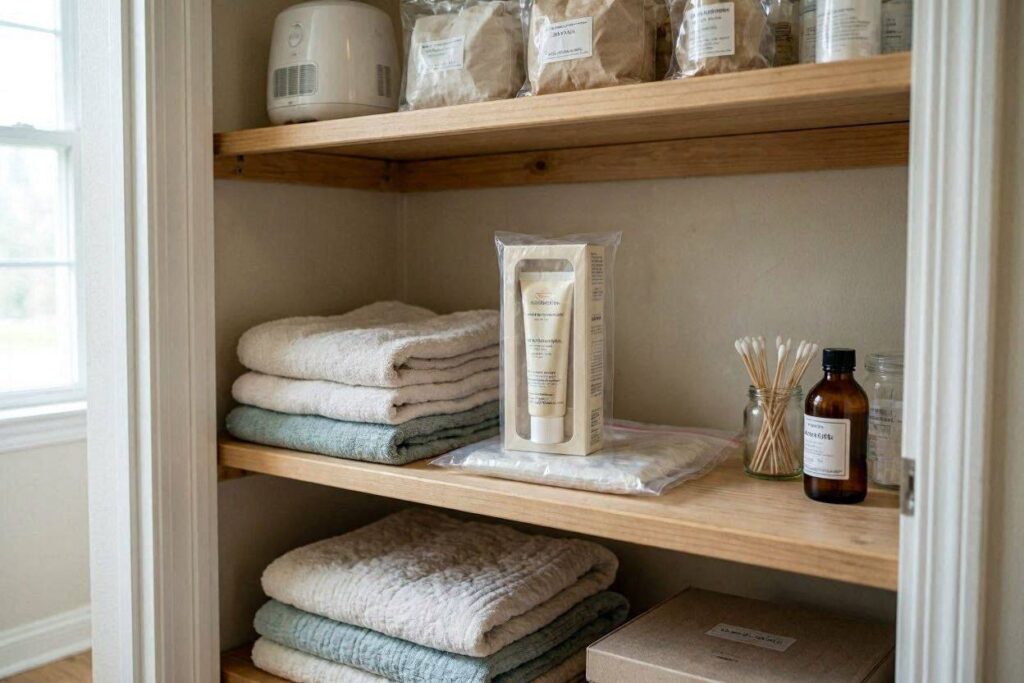
A linen closet offers surprising benefits. These spaces stay dark, cool, and dry. Towels and sheets buffer temperature changes. You can place your whitening kit on a middle shelf, wrapped in a soft cloth for extra insulation. This spot works especially well for backup syringes or bulk purchases you won’t use immediately.
Just make sure the closet sits in a central part of the house. Closets on exterior walls may get too warm in summer or too cold in winter. Check the temperature with a simple room thermometer if you are unsure.
Kitchen Pantry
A pantry can serve well, provided it stays cool. Many pantries are interior rooms without windows. The temperature is often stable. Keep the gel away from spices, oils, or strong-smelling foods. Peroxide can absorb odors in some packaging types.
Place the gel on a middle or lower shelf. Higher shelves tend to trap heat. If your pantry includes a light, position the kit in a dark corner. Even brief exposure to light adds up over weeks.
| Location | Temperature Stability | Light Control | Humidity Risk | Overall Rating |
|---|---|---|---|---|
| Bedroom Drawer | Excellent | Excellent | Low | Best Choice |
| Medicine Cabinet | Good (if ventilated) | Good | Medium | Good |
| Linen Closet | Excellent | Excellent | Low | Best Choice |
| Kitchen Pantry | Good | Good | Low | Good |
| Bathroom Counter | Poor | Poor | High | Avoid |
| Windowsill | Very Poor | Very Poor | Variable | Avoid |
| Car Glove Box | Very Poor | Good | Variable | Avoid |
Places You Must Avoid at All Costs
Knowing where not to store gel is just as important as knowing the best spots. Certain locations almost guarantee rapid product failure.
The Bathroom Counter
Open counters experience everything: steam, heat, light, and splashes. A tube of gel sitting next to the sink gets hit with humidity daily. The label may peel. The cap may not seal perfectly against moisture. Bacteria can thrive in damp conditions around the nozzle. Move your gel somewhere safer immediately.
Windowsills
Sunlight is the enemy of peroxide. Ultraviolet rays trigger breakdown within hours. Even tinted bottles cannot block all UV radiation. A sunny windowsill also heats up dramatically. The temperature can swing 30 degrees in a single afternoon. This stress fractures the chemical bonds holding the gel together.
The Refrigerator Door
The fridge door seems convenient but creates problems. The temperature fluctuates every time you open and close the door. Condensation builds up on items stored there. The gel may thicken too much to apply smoothly. Unless the manufacturer explicitly tells you to refrigerate, stay away from the fridge entirely.
The Car
Never store whitening gel in any part of a vehicle. Glove compartments, center consoles, and trunks all become dangerously hot in summer. In winter, they may freeze overnight. Both extremes destroy the product. Travel with your gel in a personal bag that stays with you in the climate-controlled cabin.
Near Electronics or Appliances
Routers, cable boxes, gaming consoles, and kitchen appliances all radiate heat. That nearby shelf might look convenient, but the constant warmth ages the gel prematurely. Even a small temperature rise of a few degrees can halve the shelf life over months. Give electronics a wide berth when choosing a storage spot.
How to Store Opened vs. Unopened Gel
The rules shift slightly once you break the seal. An unopened whitening kit has a longer shelf life and better resistance to environmental factors. Once opened, the clock starts ticking faster.
Unopened Gel Syringes and Pens
Unopened products remain in their original packaging. This packaging often includes a foil pouch or sealed box designed to block light and oxygen. Keep them sealed until you are ready to start a whitening cycle. Store the box in one of the recommended cool, dark places. The shelf life can extend well over a year when conditions are right.
Check the expiration date on the packaging when you buy it. Write the purchase date on the box with a marker. This helps you track how long you have had it, even if the expiration date rubs off later.
Opened Gel Syringes
Once you snip the tip of a syringe or attach a dispensing needle, air enters the chamber. The gel starts degrading faster. Recap the syringe tightly after every use. Many syringes come with a small plastic cap. Do not lose it. If you do, a clean piece of plastic wrap secured with a rubber band works as a temporary seal.
Wipe the tip with a clean, dry tissue before recapping. This prevents gel residue from hardening and blocking the opening. Store the syringe upright, tip pointing upward. This keeps the gel settled at the bottom, ready for the next dose, and prevents leakage.
Opened Whitening Pens
Pens work differently. They have a brush or rollerball tip that touches your teeth. This direct contact introduces bacteria and saliva into the product. Wipe the tip with a clean paper towel after every use. Some users go further and rinse the tip quickly with warm water, then dry it completely. Just ensure no water gets inside the reservoir.
Store pens with the cap firmly clicked into place. Keep them horizontal in a drawer. Storing them upright can cause the liquid to pool at the wrong end, leading to inconsistent dispensing. Pens have a shorter opened shelf life than syringes because of the repeated exposure. Aim to finish a pen within two to three weeks.
| Product Format | Opened Shelf Life | Best Position | Special Care |
|---|---|---|---|
| Syringe | 1-3 months | Upright, tip up | Keep tip clean; recap tightly |
| Pen | 2-4 weeks | Horizontal | Wipe tip after each use; cap firmly |
| Jar or Pot | 1-2 months | Upright, lid tight | Use clean, dry applicator each time |
| Pre-filled Trays | Use immediately | N/A | Single use only; do not store opened |
Traveling with Whitening Gel
Travel disrupts your storage routine. Planes, hotels, and changing climates put stress on whitening products. A little preparation prevents arriving with a ruined kit.
Air Travel Tips
Always pack whitening gel in your carry-on bag. Cargo holds are not climate-controlled. They can reach freezing temperatures at altitude. Keep the gel in a clear, zip-top bag along with your other liquids for security screening. Gel syringes and pens typically fall within the 3.4-ounce (100ml) limit.
Inform the security agent if you have a professional whitening kit with multiple components. Most agents recognize dental products and will not cause issues. Avoid packing gel in checked luggage unless it is a sealed, unopened box that you are transporting to a destination where you will stay long-term.
Hotel Room Storage
Hotel rooms present unique challenges. The air conditioning may be inconsistent. Mini-fridges often run too cold, close to freezing. Avoid using them unless the manufacturer specifically requires refrigeration. A better option is to place the gel inside a toiletry bag and keep it in a drawer or closet away from the window.
If the room lacks a cool, dark spot, use your suitcase. Place the kit in the middle, cushioned by clothing. The fabric insulation moderates temperature swings. Keep the suitcase out of direct sunlight and away from heating units.
Climate Considerations
Traveling to a tropical destination? Heat and humidity become your main enemies. Bring only what you need. Leave backup supplies at home in ideal conditions. For beach vacations, never leave your gel in a beach bag, car, or tent. A waterproof, insulated pouch designed for medications works brilliantly. You can find these at most pharmacies.
Cold climates require protecting the gel from freezing. Keep it in an interior jacket pocket if you will be outside for extended periods. Your body heat maintains a safe temperature. Once indoors, transfer it back to a cool spot. Rapid temperature swings from cold to warm can cause condensation inside the packaging.
Signs Your Whitening Gel Has Gone Bad
You should inspect your gel before every use. A visual and textural check takes seconds and prevents problems.
A fresh, healthy gel looks smooth and uniform. It dispenses easily but holds its shape. The color should be clear or slightly opaque, matching the original appearance. Any change from the norm warrants attention.
Watery consistency signals breakdown. The peroxide has separated from the thickening agents. This diluted gel will not whiten effectively. It may also run onto your gums more easily, causing irritation.
Grainy or crystallized texture indicates that the formula has dried out or undergone chemical changes. The crystals may scratch your trays or feel gritty on teeth. Do not use grainy gel.
Discoloration is a red flag. Peroxide gel often turns yellow, orange, or brown as it degrades. This happens when stabilizers fail and the active ingredient decomposes. Discolored gel may be acidic and harmful.
A strong, sharp, or sour smell suggests contamination or chemical change. Fresh gel has little to no odor. A vinegary or chemical scent means the product has turned.
Bubbles inside a sealed syringe mean active decomposition is underway. Pressure can build and cause the syringe to leak when you open it. Dispose of it carefully.
Separation into layers that do not remix with gentle massaging of the tube shows the emulsion has broken permanently. The product is no longer reliable.
“I opened a syringe I had stored in my bathroom cabinet for six months. The gel came out like water and smelled faintly of vinegar. I immediately threw it out. A fresh syringe from a bedroom drawer worked perfectly and whitened my teeth in half the time.” — A reader’s experience
Extending the Shelf Life of Your Gel
You can take proactive steps to get the most out of every purchase. These habits build on proper storage fundamentals.
Buy from reputable sellers. Products that sit in hot warehouses or shipping containers for weeks arrive already compromised. Check expiration dates at the time of purchase. Do not accept products with less than six months of shelf life remaining.
Keep a log of opening dates. A small sticker on the syringe or a note in your phone works well. Knowing exactly when you opened a product helps you track its remaining potency. Most gels last one to three months after opening, depending on the brand.
Minimize air exposure. When dispensing gel, work quickly and close the packaging immediately. Do not leave caps off while you adjust your trays or answer a text. Every second of air contact accelerates oxidation.
Use clean hands and tools. Contamination from fingers or reusable applicators shortens shelf life dramatically. Wash your hands before handling the product. If you use a spatula or brush, clean it thoroughly and let it dry completely between uses.
Rotate your stock. If you buy multiple syringes, use the oldest one first. Write the purchase date clearly on each package. This “first in, first out” system prevents old products from lingering in storage.
Consider vacuum-sealing backup supplies. If you purchase professional-strength gel in bulk, you can use a home vacuum sealer to repackage individual syringes. Remove as much air as possible. This can extend unopened shelf life by several months. Keep the sealed packages in a cool, dark place.
Special Considerations for Different Gel Strengths
Whitening gels come in various concentrations. The storage needs can differ slightly based on strength and formulation.
Low-Concentration Over-the-Counter Gels
These products, typically 3% to 10% hydrogen peroxide or equivalent carbamide peroxide, contain more stabilizers. They resist temperature abuse better than professional formulas. Still, good storage practices apply. You might get away with minor lapses, but consistency remains key.
High-Concentration Professional Gels
Dentist-dispensed gels can reach 35% to 44% carbamide peroxide. These potent formulas degrade faster and are more sensitive to heat. Many require refrigeration, especially after opening. Follow your dentist’s instructions precisely. Do not assume that room temperature storage is safe just because other products allow it.
Gels with Added Desensitizers
Some formulas include potassium nitrate, fluoride, or amorphous calcium phosphate for sensitivity relief. These additives can separate or become inactive if the gel gets too hot or cold. The whitening agent might still work, but the desensitizing benefit could vanish. This can lead to unexpected sensitivity during treatment.
All-Natural or Peroxide-Free Gels
Charcoal-based or essential oil whitening gels have different stability profiles. They may be more prone to drying out or molding if moisture gets inside. Follow the same cool, dark, dry storage rules. Pay extra attention to sealing caps tightly, as these formulas often lack strong preservatives.
Storing Whitening Gel with Trays
Custom whitening trays and gel often come together. How you store the trays matters too. Dirty or contaminated trays can introduce bacteria into the gel the next time you apply it.
Always clean your trays thoroughly after each session. Rinse them with cool water. Brush them gently with a soft toothbrush and mild soap. Avoid toothpaste, as the abrasives can scratch the trays. Dry them completely with a clean towel or let them air dry on a clean surface.
Store trays in a ventilated case, not an airtight container. Airflow prevents mold and bacteria growth. Keep the case in the same cool, dark environment where you store your gel. Never store gel and trays together in a sealed bag. The peroxide off-gassing can degrade the tray material over time.
Important: Do not store gel-filled trays for later use. The gel starts reacting with saliva immediately upon application. A tray that has been in your mouth contains bacteria and diluted gel. Reusing it is unsafe and ineffective. Always apply fresh gel for each session.
Seasonal Storage Adjustments
The changing seasons affect your home’s internal environment. You might need to shift your storage spot a few times a year.
Summer Storage
Heat waves push indoor temperatures higher, especially in homes without central air conditioning. The bedroom drawer that works perfectly in spring may reach 85°F in August. Move your gel to the coolest part of the house. This could be a basement storage room, a closet on the north side, or an interior hallway cabinet.
Consider using a small insulated cooler without ice packs. The insulation alone buffers temperature swings. Place the gel inside, close the lid, and keep the cooler in a dark spot. Check the temperature occasionally with a digital thermometer.
Winter Storage
Forced-air heating can create very dry, warm conditions near vents. Move your gel away from any register or radiator. Cold exterior walls can chill a drawer enough to thicken the gel. An interior closet stays more consistent.
If your home gets very cold at night because you lower the thermostat, wrap the gel in a soft cloth or place it inside a padded pouch. This simple insulation slows the rate of temperature change.
Humid Summer Months
High humidity can cause issues even with tightly sealed packaging. If you live in a humid climate, add a silica gel packet to the drawer or container where you keep your whitening products. These desiccants absorb moisture from the air. Change the packet every few months for best results.
Common Myths About Storing Whitening Gel
Let’s clear up some persistent misinformation that circulates online.
Myth: You must refrigerate all whitening gel.
Truth: Most over-the-counter and many professional gels are formulated for room temperature storage. Refrigeration can actually harm them through condensation and texture changes. Only refrigerate if the label instructs you to.
Myth: Freezing extends shelf life indefinitely.
Truth: Freezing destroys whitening gel. The water content forms ice crystals that rupture the emulsion. Once thawed, the gel separates and becomes useless. Never freeze any type of peroxide-based whitening product.
Myth: A dark bottle protects the gel from all damage.
Truth: Dark packaging blocks light but does nothing against heat. A brown or opaque tube can still overheat in a hot car. Light is just one of several degradation factors. You must control temperature and air exposure too.
Myth: Expired gel just loses strength; you can double the application time.
Truth: Expired or degraded gel changes chemically. It may become acidic and damage enamel. It could harbor bacteria. Using more of a bad product does not compensate for lost potency. It only increases the risk of side effects.
Myth: You can reseal opened syringes with glue or tape.
Truth: Adhesives near the dispensing tip can contaminate the gel. Gases from glue may react with peroxide. Use only the provided cap. If you lose it, transfer the remaining gel to a small, clean, airtight container and use it quickly.
What to Do If You Have Stored Gel Incorrectly
Maybe you just realized your gel sat in a hot car all day. Or you left it on the bathroom counter for a week during a heat wave. Do not panic. Assess the damage calmly.
First, inspect the gel using the signs described earlier. Look for discoloration, separation, unusual texture, or smell. If you observe any of these, discard the product. The risk to your teeth and gums outweighs any desire to save money.
If the gel looks and smells normal, you might still question its potency. One way to gauge is a patch test. Apply a small amount to the back of your hand or a clear piece of plastic. See if it bubbles or changes color. This is not a definitive test, but a complete lack of reaction could indicate the peroxide has fully decomposed.
When in doubt, replace the product. A new syringe costs less than dental treatment for sensitivity or enamel damage. Learn from the mistake and choose a better storage spot moving forward.
Storing Different Brands
While storage principles stay consistent, specific brands sometimes include unique instructions. Always start by reading the product leaflet.
Opalescence
Opalescence gels often recommend refrigeration for long-term storage but accept room temperature for short periods during use cycles. The brand emphasizes keeping syringes capped and protected from light. Many users keep the bulk of their Opalescence supply in the fridge and take out one syringe at a time.
Zoom NiteWhite and DayWhite
These professional formulas ship with clear instructions to store in a cool place. DayWhite, with its lower concentration, is slightly more tolerant of room temperature. NiteWhite, being stronger, benefits from cooler storage. Both should stay out of direct sunlight.
Crest Whitestrips with Gel
The gel on Whitestrips adheres to a plastic strip. Once you open the sealed pouch, you must use the strips immediately. Unopened pouches store well at room temperature in a drawer. Avoid heat and humidity. Do not cut open pouches to check the product; this breaks the airtight seal.
Custom Formulations from Online Retailers
Many direct-to-consumer brands ship whitening kits with custom trays. Their gels vary widely in stability. Some use lower peroxide levels with special stabilizers. Read the FAQ section on their website for specific storage guidance. If unclear, default to cool, dark, and dry.
Creating a Dedicated Whitening Kit Storage Box
One practical solution consolidates all your supplies in one safe location. Assemble a small storage box dedicated entirely to teeth whitening.
Choose a box with a tight-fitting lid. Opaque plastic or a small wooden chest works well. Line the bottom with a soft cloth. Add a silica gel packet to control moisture. Place your gel syringes, pens, tray case, shade guide, and instructions inside.
Label the box clearly. Store it on a shelf in your bedroom closet or linen closet. This system keeps everything organized. You never waste time searching for components. The box itself provides insulation and light blocking. It also signals to family members that these are personal care items not to be disturbed.
For households with children, choose a box with a child-resistant latch. Whitening gel contains peroxide that can cause stomach upset and mouth irritation if ingested. Safety always comes first.
The Role of Packaging in Storage
Original packaging exists for a reason. The materials, shape, and seals all protect the product. Whenever possible, keep whitening gel in its original box, foil pouch, or blister pack until first use.
Foil pouches provide excellent moisture and oxygen barriers. Once opened, the protection vanishes. Transfer opened but unused individual strips or single-dose treatments to a small, airtight, opaque container if you cannot use them immediately. This is rare, as most single-dose products are meant for immediate use.
Syringe caps are precisely engineered. Do not replace them with homemade substitutes unless absolutely necessary and temporary. A cap that does not fit perfectly lets air in and gel out.
If the original packaging becomes damaged, wet, or crushed, inspect the product carefully. A dented syringe barrel might have microscopic cracks. Leaking gel is messy and caustic. It can damage surfaces, fabrics, and skin. Handle damaged packaging with gloves and dispose of the product if the integrity is compromised.
How Dentists Store Whitening Gel in Their Offices
Dental professionals follow strict protocols that you can learn from. They store bulk whitening supplies in climate-controlled storage rooms or dedicated medical refrigerators. The temperature stays within a narrow range, usually between 36°F and 46°F (2°C to 8°C) if refrigeration is required.
They practice stock rotation rigorously, ensuring older products get used first. They never leave gel syringes on countertops under operatory lights. The intense heat from dental lamps accelerates degradation. After dispensing gel into custom trays for a patient, they immediately return the syringe to storage.
Dentists also use gel in a strictly clean environment. They wear gloves. They do not touch the dispensing tip to any surface. They wipe the cap and threads with alcohol before recapping to maintain sterility. While home users do not need medical-grade sterility, adopting similar cleanliness habits significantly extends product life.
Environmental Impact and Disposal of Expired Gel
When gel expires or goes bad, dispose of it responsibly. Do not pour it down the sink or toilet. Peroxide compounds can harm aquatic life. The gel itself can clog pipes as it dries and hardens.
Most communities classify small amounts of personal care products as household hazardous waste. Check your local guidelines. Often, the best method is to place the sealed syringe or pen in your regular trash, inside a plastic bag to prevent leaks. The landfill lining contains leachate collection systems designed to handle such waste.
Recycling the packaging presents another opportunity. Many outer boxes and plastic components are recyclable. Rinse the syringe thoroughly before recycling if your local facility accepts mixed plastics. Remove the metal dispensing needle, if present, and dispose of it in a sharps container or metal recycling.
Important: Never attempt to repurpose expired whitening gel for other uses. The corrosive nature of aged peroxide can damage surfaces, fabrics, and skin. Treat it as chemical waste.
Storing Natural and DIY Whitening Alternatives
Some people use natural alternatives like baking soda paste, activated charcoal powder, or coconut oil pulling. These have different storage requirements but follow similar principles.
Baking soda absorbs moisture from the air. Keep it in an airtight container in a cool, dry pantry. A ceramic or glass jar with a rubber seal works well. Do not use metal containers, as baking soda can react with certain metals over time.
Activated charcoal powder is extremely fine and messy. Keep it in its original tightly sealed container. Store it upright to prevent spills. Moisture causes charcoal to clump and become unusable.
Oil-based products can go rancid if exposed to heat and light. Coconut oil pulling jars should stay in a cool, dark cabinet. Check for sour or off smells before use. Rancid oil can irritate gums and introduce unhealthy oxidized compounds into your mouth.
Homemade peroxide and baking soda mixtures must be used immediately. Do not try to batch-prepare and store them. The reaction starts quickly, and the mixture loses effectiveness within minutes.
Long-Term Bulk Storage Strategies
If you purchase professional whitening gel in bulk, perhaps for cost savings or convenience, your storage strategy needs to scale accordingly.
Invest in a dedicated mini-fridge with an adjustable thermostat. Set it to the temperature specified by the manufacturer, usually around 40°F (4°C) for products that require refrigeration. Do not use this fridge for food and drinks. Cross-contamination is a risk, and frequent opening compromises temperature stability.
Label each syringe with the date of receipt and expiration. Arrange them in a way that makes the oldest stock easiest to grab. Small plastic bins inside the fridge keep syringes organized and prevent them from rolling around.
For non-refrigerated bulk storage, a cool basement or cellar offers the most stable environment. Monitor humidity with a hygrometer. Aim for relative humidity below 60%. If your basement is damp, use a dehumidifier. Place the bulk supply in a sealed plastic bin with silica gel packs. Check periodically for any signs of moisture or pest intrusion.
Keep an inventory list taped to the outside of the storage container. Update it as you pull syringes for use. This prevents you from overbuying and ending up with product you cannot use before it expires.
Understanding Expiration Dates
Expiration dates on whitening gel packaging are not arbitrary. Manufacturers test their products under various storage conditions to determine how long the active ingredients remain within acceptable potency limits.
The date applies to unopened product stored correctly. Once you open the product, the expiration date becomes irrelevant. The clock runs much faster. Most gels last one to three months after opening. Note this in your mind: “Opened date + 3 months = my personal expiration date.”
Some products carry a “period after opening” symbol, which looks like a small open jar with a number and the letter M. For example, “6M” means the product remains good for six months after you open it. This is more common with European brands but appears increasingly on US products.
Do not use gel past its printed expiration date, even if it looks and smells normal. The active ingredient may have dropped below the level needed for effective whitening. You would waste time applying a product that cannot deliver results.
How Temperature Affects Whitening Gel: The Science
A brief explanation of the chemistry helps you understand why these storage rules matter. Peroxide compounds are inherently unstable. They want to break down into water and oxygen. Stabilizers in the formula slow this process, but they cannot stop it entirely.
Heat adds energy to the chemical system. This energy speeds up the decomposition reaction. For every 10°C (18°F) increase in temperature, the reaction rate roughly doubles. A gel that would last a year at 20°C could degrade within three months at 30°C.
Light, especially ultraviolet light, provides activation energy for free radical formation. Free radicals attack the peroxide molecules, accelerating breakdown. This is why opaque packaging and dark storage are essential.
Air exposure introduces oxygen and moisture. Oxygen reacts directly with peroxide in a way that destabilizes it. Moisture can dilute the gel, changing its pH and reducing effectiveness. Carbon dioxide from the air also dissolves into the gel, forming carbonic acid and lowering pH. An overly acidic gel can etch enamel.
Understanding this science reinforces the practical advice. Cool, dark, dry, and airtight are not arbitrary preferences. They directly counter the main degradation pathways.
Quick Reference Storage Checklist
Use this checklist whenever you finish a whitening session to build good habits.
- Wipe gel tip with clean, dry tissue
- Tightly recap the syringe or pen
- Place product back in its protective box or container
- Return box to designated cool, dark storage spot
- Clean and dry your whitening trays thoroughly
- Store trays in ventilated case, not sealed
- Wash and dry your hands
- Note any changes in gel consistency or smell
- Mark the date of first use if you haven’t already
Comparative Storage Tips for Related Dental Products
Your whitening gel shares storage space with other dental care items. Here’s how they compare.
Toothpaste: Stable at room temperature. Cap tightly to prevent drying. Avoid extreme heat.
Mouthwash: Most formulations remain stable at room temperature. Some alcohol-free varieties with special additives may benefit from cooler storage.
Dental floss: No special storage needed. Keep away from heat to prevent wax coating from melting.
Retainers and night guards: Similar to whitening trays. Clean, dry thoroughly, store in ventilated case. Never soak in hot water or leave in direct sun.
Toothbrush: Keep upright in an open holder. Allow to air dry. Do not enclose in a dark, damp container where bacteria proliferate.
These products can share a drawer or cabinet with your whitening kit, as long as the environment suits the most sensitive item, which is usually the gel.
Troubleshooting Common Storage Problems
Problem: Gel becomes too thick to dispense.
Solution: Warm the syringe gently by rolling it between your palms for a minute. Do not use hot water or a microwave. If the gel remains thick, it may have been stored too cold for too long and can be compromised.
Problem: Pen tip dries out and crusts over.
Solution: Wipe the tip after every use. If crusting occurs, soak the tip in warm water for a few seconds, then wipe with a clean cloth. Do not submerge the whole pen barrel.
Problem: Syringe plunger sticks and won’t push smoothly.
Solution: This can happen if gel has leaked and dried around the plunger. Pull back slightly on the plunger, wipe the exposed barrel interior with a dry swab, then try again. If it remains stuck, the product may need replacing.
Problem: Condensation appears inside the packaging.
Solution: Condensation indicates temperature swings. Move the product to a more stable environment. Wipe the outside dry. Monitor the gel over the next few days. Any sign of separation or odor means disposal is necessary.
Problem: Gel leaks into the cap during travel.
Solution: Store syringes tip-up during transit. Place them in a sealed plastic bag as a leak precaution. At your destination, inspect and clean the cap before use.
The Cost-Benefit of Proper Storage
Let’s talk numbers. A typical professional whitening kit costs between $150 and $400. Replacement gel syringes run $20 to $60 each. Throwing away a ruined syringe wastes real money.
Proper storage costs almost nothing. A drawer, a small box, a silica gel pack. These are negligible expenses. The time investment is minimal: a few seconds to recap and put away after each session.
The benefit extends beyond money. Effective whitening means faster results, fewer sessions, and less frustration. You protect your enamel from potentially harmful degraded gel. You avoid the discomfort of using a product that has become overly acidic or contaminated.
Viewed this way, proper storage is a small habit with an excellent return on investment. It respects your budget, your time, and your health.
How to Educate Family Members
If you share a home, make sure everyone knows not to move or disturb your whitening supplies. A well-meaning partner might “tidy up” by moving your bedroom drawer kit to the sunny bathroom counter. A child might play with a colorful syringe.
Label your storage box clearly: “Dental Products — Please Do Not Move.” Explain to family members that heat ruins the gel. Most people understand once you frame it as protecting a medical or personal care product.
Keep whitening gel out of reach of children and pets. The sweet-smelling, colorful gel can attract curiosity. Ingestion causes nausea, vomiting, and mouth irritation. Use child-resistant containers and high storage locations when possible.
Final Thoughts on Long-Term Storage Success
Building a reliable storage routine takes a few weeks of conscious effort. After that, it becomes automatic. You reach for the kit, use it, clean it, and return it to its home. The habit is simple but powerful.
Your future self will thank you. Every whitening session will deliver consistent, predictable results. You will not experience the disappointment of a syringe that oozes watery, useless gel. You will not waste money on premature replacements.
Remember the fundamentals: cool, dark, dry, and airtight. Choose a dedicated spot. Inspect your gel regularly. Respect expiration and opening dates. Travel smart.
Your smile deserves the best care possible. That care starts long before you apply the gel to your teeth. It starts with the small, deliberate choices you make about where to store teeth whitening gel.
Common Questions About Where to Store Teeth Whitening Gel
Can I store whitening gel in the refrigerator?
Only if the manufacturer instructs you to. Most over-the-counter gels are designed for room temperature storage. Refrigeration can cause condensation and texture changes that compromise the product. Check the label first.
How long does opened whitening gel last?
Most opened whitening gels last between one and three months after opening. The exact window depends on the formulation, how carefully you seal it after each use, and whether you keep it in ideal storage conditions. Always note the date of first use.
Is it safe to use whitening gel after it freezes?
No. Freezing destroys the gel’s structure. The emulsion breaks, and the active ingredients become inactive or unevenly distributed. Dispose of any gel that has frozen, even if it appears normal after thawing.
Can I travel with whitening gel in my checked luggage?
Avoid packing gel in checked luggage. Cargo holds can freeze or overheat, ruining the product. Always pack whitening gel in your carry-on bag, inside a clear liquids pouch for security screening.
What should I do if my gel changes color?
Dispose of it immediately. Discoloration indicates chemical breakdown. The gel may have become acidic and could damage your enamel or irritate your gums. Do not attempt to use discolored gel.
Should I keep the silica gel packet in the packaging?
Yes. Silica gel packets absorb moisture and help maintain a dry environment inside the packaging. Leave the packet in place and keep the product in its original box or pouch whenever possible.
Can I store whitening gel in the bathroom if I have a ventilation fan?
A bathroom with excellent ventilation can work for storage inside a medicine cabinet. However, the humidity and temperature swings still make a bedroom drawer or linen closet a safer choice. If you must use the bathroom, keep the fan running during and after showers.
How can I tell if my gel is still good?
Check for smooth consistency, uniform color, and neutral smell. Good gel dispenses easily and looks the same as it did when new. Any wateriness, graininess, discoloration, or strong odor signals that the product has degraded.
Additional Resource
For more detailed information on peroxide stability and safe usage, visit the American Dental Association’s consumer resource at www.mouthhealthy.org. This site offers evidence-based guidance on whitening products and overall oral health, helping you make informed decisions about your dental care routine.
Conclusion:
Proper storage keeps your teeth whitening gel potent, safe, and ready to deliver the bright smile you want. Choose a consistently cool, dark, and dry location like a bedroom drawer or linen closet, and avoid heat, light, and humidity at all costs. By adopting simple habits — capping tightly, cleaning trays, checking expiration dates, and traveling smart — you protect your investment and ensure every application works exactly as it should.
FAQ
Where is the best place to store teeth whitening gel at home?
The best place is a cool, dark, and dry location such as a bedroom drawer, a linen closet, or a pantry shelf away from heat sources. These spots maintain stable temperatures and block light that can degrade the active ingredients.
Should teeth whitening gel be refrigerated?
Most over-the-counter and many professional gels do not require refrigeration and perform best at room temperature. Only refrigerate if the manufacturer’s instructions explicitly state to do so, as unnecessary cold can cause texture problems and condensation.
How long does teeth whitening gel last after opening?
Opened whitening gel typically lasts between one and three months, depending on the formulation and how carefully you seal and store it. Recording the opening date helps you track when it is time to replace the product.
Can heat ruin teeth whitening gel?
Yes, heat rapidly breaks down hydrogen peroxide and carbamide peroxide, the active whitening agents. Storing gel in hot places like a car, sunny windowsill, or near appliances can ruin it within hours or days.
Is it safe to use teeth whitening gel that has changed color?
No, discolored gel indicates chemical decomposition. It may have become overly acidic and could damage tooth enamel or irritate gums. Any gel that looks yellow, orange, brown, or otherwise abnormal should be discarded immediately.
Disclaimer: This article provides general informational guidance based on best practices and manufacturer recommendations. It does not replace the specific instructions included with your whitening product. Always read and follow the label or your dentist’s advice for your particular gel.