Is Snow Teeth Whitening Safe to Swallow?
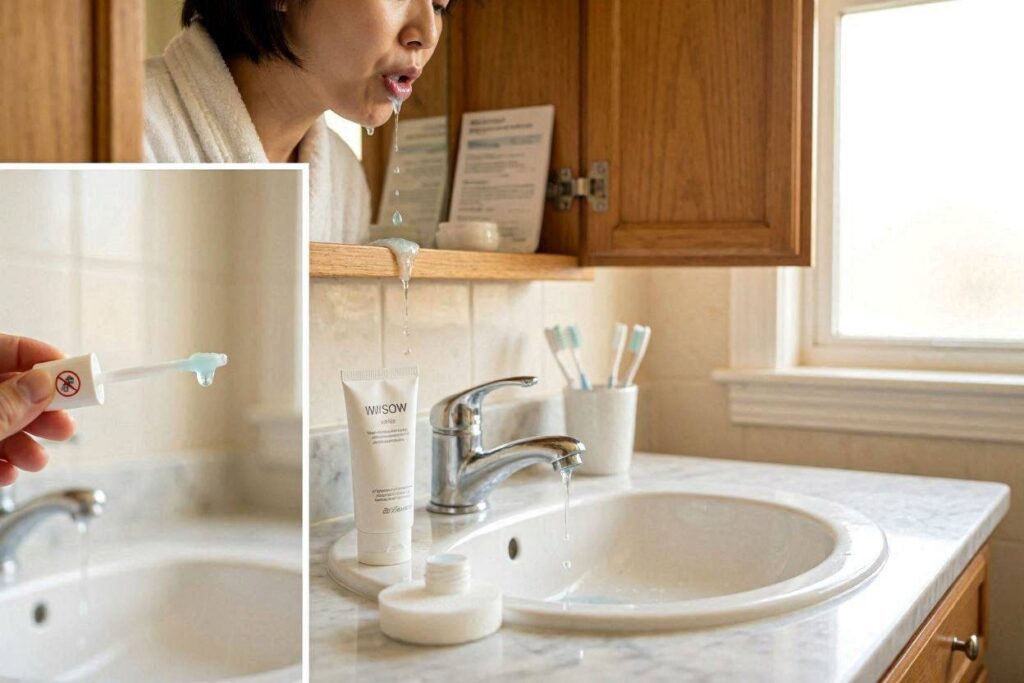
The growing popularity of at-home whitening systems has raised an important safety question among consumers. Snow Teeth Whitening, a well-known brand in the direct-to-consumer dental market, has attracted millions of users with its sleek marketing and promise of professional-level results without a dental visit. The kit includes a whitening wand or strips, an LED mouthpiece, and a proprietary serum. As you apply this serum to your teeth and insert the mouthpiece, gravity and saliva inevitably conspire. Excess foam or gel pools at the gum line and drips toward the back of the throat. The natural swallowing reflex triggers, and a question spikes in your mind: “Is Snow Teeth Whitening safe to swallow?”
The short answer is that Snow’s formula is designed to be used topically on the teeth, and incidental, small-amount ingestion of the diluted serum mixed with saliva is unlikely to cause acute harm in a healthy adult. However, it is not food-grade, and deliberate or excessive swallowing can lead to gastrointestinal irritation and more serious complications. This article dissects the exact formulation of Snow’s whitening serum, explores the metabolic pathways of each component, and establishes a realistic risk profile. We will move beyond marketing assurances and examine the toxicological data to give you a clear, actionable understanding of what to do if you swallow the product, and how to minimize ingestion during use.
What Exactly Is in the Snow Whitening Serum?
To assess the safety of ingestion, we must first understand the chemical composition. Snow markets its formula as “dermatologist- and dentist-tested” and emphasizes its lack of alcohol, parabens, and sulfates. While the exact proprietary ratios are not publicly disclosed, the Safety Data Sheets (SDS) and ingredient listings provide a clear picture of the active and inactive components.
The Active Ingredient:
Snow uses hydrogen peroxide or carbamide peroxide as its primary whitening agent, depending on the specific product line. Many of their gentle formulations employ a lower concentration of hydrogen peroxide, typically in the range of 1-3%, or an equivalent breakdown of carbamide peroxide. Some “sensitive” lines use alternative, peroxide-free chemistry based on sodium bicarbonate or potassium nitrate, but the core whitening mechanism remains oxidation.
The Inactive Ingredients (The “Serum” Base):
The gel that carries the peroxide is arguably more relevant to the swallowing question. This base typically includes:
- Glycerin: A humectant that gives the gel its slippery feel and prevents it from drying out.
- Propylene Glycol: A solvent and humectant, used extensively in cosmetics, food, and pharmaceuticals to maintain moisture.
- Carbomer: A thickening agent that creates the gel consistency, allowing the formula to stick to the teeth.
- Water: The universal solvent.
- Potassium Nitrate: Frequently added to reduce sensitivity by calming the dental nerves.
- Flavoring Agents and Sweeteners: Peppermint oil or artificial sweeteners like sucralose to improve taste.
- EDTA: A chelating agent that helps stabilize the formula and can aid in stain removal by binding to calcium in dental plaque.
Ingredient-by-Ingredient Risk Profile for Oral Ingestion
A product is “safe” only in the context of dose and route. Something designed for the mouth but not for the stomach requires case-by-case analysis.
Hydrogen Peroxide (The Whitening Agent)
The most significant toxicological concern is the peroxide content. In a typical Snow whitening session, you apply a thin ribbon of gel along the biting surface of a tray or directly onto teeth. The total volume applied is usually less than 0.5 milliliters. In a 3% hydrogen peroxide formulation, 0.5 mL contains roughly 15 milligrams of H2O2.
When swallowed, this small amount is immediately diluted by saliva and then further diluted by stomach contents. The stomach lining possesses a robust defense mechanism against oxidants, primarily the enzyme catalase, which breaks hydrogen peroxide down into water and oxygen gas instantaneously. The release of this oxygen gas is the source of the problem. A small incidental swallow may cause nothing more than a slight sensation of burping. However, if someone were to drink a significant portion of the bottle (a concentrated dose of 30 mL or more of a 3% solution), the rapid release of large volumes of oxygen gas can distend the stomach painfully, cause severe foaming in the throat, and in extreme cases, lead to gas embolisms if the mucosa is eroded.
Realistically, the intensely bitter, unnatural flavor that whitening companies deliberately add acts as a powerful deterrent against large-volume ingestion. The gag reflex will stop you from drinking the bottle. The risk is limited to repeated, small exposures.
Propylene Glycol and Glycerin
These are the least worrisome ingredients from an acute toxicity standpoint. Propylene glycol is generally recognized as safe (GRAS) by the FDA for use in food and oral pharmaceutical syrups. It has low systemic toxicity when ingested orally. Glycerin, similarly, is a food-grade substance found in countless baked goods and moisturizers. In the minute volumes contained in a teeth whitening dose, these components act as mild osmotic laxatives only if consumed in significantly large quantities. You would need to swallow an entire tube of gel to potentially feel any loose bowel effects.
Carbomer
This synthetic polymer is not digestible. It passes through the gastrointestinal tract essentially unchanged, similar to insoluble dietary fiber. It is considered biologically inert and non-toxic when consumed orally. Its primary side effect in larger doses would be the same as any non-fermentable bulking agent: a minor change in stool consistency.
Potassium Nitrate
This is an ingredient that requires careful consideration. Potassium nitrate is used in small amounts in desensitizing toothpaste. In the acute dose of a whitening strip’s worth of gel, the amount of potassium nitrate ingested is generally below the level that would cause methemoglobinemia (a blood disorder where oxygen is not released to tissues) or systemic vasodilation in an adult. However, potassium nitrate is not a casual food ingredient. Chronic daily ingestion, even of trace amounts, is not ideal, as nitrates can theoretically be converted to nitrites by oral and gut bacteria, and then into nitrosamines (some of which are carcinogenic). The dose in teeth whitening is so low that it is considered a negligible risk by most dental associations, but it underscores the principle that the product is designed for topical exposure, not dietary consumption.
What Happens in Your Body When You Swallow It?
Let’s trace the physiological journey of a swallowed drop of Snow serum mixed with saliva.
- Oral Cavity and Esophagus: The gel, now diluted, passes through the esophagus. The mucosal lining here is resilient but can be mildly irritated by repeated exposure to undiluted peroxide. This is why you might feel a slight “burn” in the throat if a large gob slides down directly.
- The Stomach (Primary Dilution): Upon hitting the acidic gastric juices, the carbomer matrix breaks down. Catalase in the stomach wall neutralizes the hydrogen peroxide. The propylene glycol and glycerin dissolve. The gas release may cause an eructation (burp) carrying a peppermint scent.
- The Small Intestine: The remaining inert ingredients (carbomer fragments, EDTA chelates) travel into the small intestine. They are not absorbed into the bloodstream in any meaningful quantity through this route. The mucosal lining of the intestine is an incredibly selective barrier, and these large polymer molecules are too big to pass through tight junctions.
- Elimination: The components pass into the colon and are excreted in the feces.
The body treats this incidental ingestion much like it treats swallowing a small amount of cosmetic lip balm or mouthwash residue: as a mild contaminant to be sequestered and eliminated, not as a nutritive substance.
Comparative Table: Ingestion Risk of Teeth Whitening Components
| Ingredient | Function in Formula | Acute Oral Toxicity Level | Body’s Response to Small Ingestion |
|---|---|---|---|
| Hydrogen Peroxide | Active Whitening Agent | Moderate (GI irritation, gas emboli risk at high volumes) | Rapidly degraded by catalase into water and oxygen; harmless foaming. |
| Propylene Glycol | Solvent/Humectant | Very Low (GRAS status) | Metabolized by liver alcohol dehydrogenase; no acute risk. |
| Glycerin | Base/Humectant | Very Low (GRAS status) | Absorbed or passes through; mild osmotic effect only in large doses. |
| Carbomer | Thickening Agent | None (Biologically Inert) | Passes through gut unabsorbed; acts as inert fiber. |
| Potassium Nitrate | Desensitizer | Low-Moderate (Chronic risk) | Rapidly excreted in urine at trace doses; negligible single dose risk. |
| Peppermint Oil | Flavoring | Low (Mild mucosal irritant) | Diluted by gastric acid; may cause a cooling sensation/burping. |
The Special Vulnerability of Children
The adult safety profile is relatively unremarkable for incidental ingestion. However, the entire risk calculus shifts when we consider children. A child’s body weight is lower, meaning the dose per kilogram is much higher. A 70-pound child ingesting the same amount as a 150-pound adult experiences twice the relative toxic load.
More critically, children lack a fully developed gastroesophageal junction. The lower esophageal sphincter in young children is often loose, meaning any foam created by peroxide breakdown in the stomach is far more likely to regurgitate. This foam, if inhaled into the trachea, can cause a chemical pneumonitis. Children are also less able to articulate the sensation of burning or nausea, and the sweet, pleasant-tasting sucralose flavoring of the Snow serum might tempt a toddler to actively suck on the pen or strip.
Because of this, the absolute rule is that all whitening products, including Snow Teeth Whitening, must be stored out of sight and reach of children. A single accidental application is not a panic situation, but ingestion of the contents of a pen by a curious toddler constitutes a medical emergency requiring an immediate call to Poison Control.
Best Practices to Minimize Swallowing During Use
You can reduce the already small risk to near zero with proper application technique. The “more is better” philosophy is dangerous here. Using too much gel not only wastes product but guarantees significant overflow into the oral cavity where it mixes with saliva.
The “Less-Than-A-Pea” Rule
The most common error is overfilling the tray. You do not need a continuous bead along every tooth. Place a single, tiny dot of serum on the front (facial) wall of the tray for each tooth, halfway up the surface. When you insert the tray, the gel spreads into a thin film. Excess only spills over onto the gums, tongue, and throat. A single Snow kit session should use a volume of gel roughly equal to a drop of water per arch.
Seated Position and Slight Forward Lean
Human anatomy matters. If you whiten while lying down or reclining on a couch, gravity drains saliva and excess gel directly into the oropharynx. Sit upright with a slight forward chin tuck. This pools saliva and gel in the front of the mouth (the vestibule) rather than the back of the throat. You can also use a saliva ejector (a simple, inexpensive Yankauer suction tip attached to a saliva syringe, available at some pharmacies) to gently vacuum away pooling liquid without disturbing the tray.
Gingival Barrier
The Snow serum is not supposed to sit on the soft tissues. Applying a thin layer of petroleum jelly or vitamin E oil to the gum line before inserting the tray creates a hydrophobic barrier. This does two things: it protects the gums from peroxide irritation, and it stops the gel from wicking via capillary action onto the moist inner cheek and tongue, reducing the chance of it being swallowed.
What To Do If You Swallow a Noticeable Amount
Mistakes happen. The tray can slip, or you might sneeze and inadvertently gulp down a mouthful of whitening foam. The response should be proportional to the amount and the symptoms.
Minor Ingestion (A small mouthful, minimal sensation):
- Do not panic. This happens frequently.
- Rinse your mouth thoroughly with water to dilute any remaining gel on the oral mucosa.
- Drink a small glass of water or milk. Milk helps coat the esophageal and stomach lining.
- Do not induce vomiting. The peroxide has already neutralized, and re-exposing the esophagus to the gastric acid + peroxide mixture increases irritation risk.
- Expect a possible mild burning sensation that fades quickly, and possibly a peppermint-flavored belch.
Moderate to Major Ingestion (Swallowing the contents of multiple trays, immediate throat pain, nausea):
- Rinse the mouth immediately.
- Drink 4-8 ounces of water or milk slowly. Do not take sodium bicarbonate (baking soda), as the acid-base reaction with gastric acid can create excessive carbon dioxide gas.
- Call the National Capital Poison Center immediately at 1-800-222-1222. Have the Snow product box and ingredient list available.
- Monitor for vomiting, severe abdominal bloating, or foam at the mouth. If foam is being regurgitated, lie on your side to prevent aspiration of the foam into the lungs.
Long-Term Accumulation: A Theoretical Concern
A safety question that does not get asked enough is about accumulation. If a person uses Snow whitening every single day for years, and they swallow a tiny bit each time, does that lead to a toxic load? For the carbomer and propylene glycol, the answer is no; they are cleared effectively and do not bioaccumulate. The potential concern is the chronic ingestion of peroxide and nitrate additives.
However, the body’s endogenous catalase systems are remarkably efficient. So efficient, in fact, that your own white blood cells generate hydrogen peroxide as a weapon against bacteria. The daily incremental load from whitening residue is orders of magnitude less than the endogenous oxidative stress your body manages from normal metabolism. Unless you are using the product improperly three times a day, the chronic risk is statistically non-existent.
Conclusion
- Snow Teeth Whitening is safe for incidental, small-volume swallowing in healthy adults, as the hydrogen peroxide is instantly neutralized by stomach catalase, and the inert gel base passes through the digestive tract without systemic toxicity.
- The realistic danger is mechanical, not chemical; excessive ingestion could cause rapid oxygen foaming, gas distension, and aspiration risk, particularly in children, making proper storage and minimal-amount application essential.
- Mastering the “less-than-a-pea” rule, using an upright application posture, and employing a gingival barrier virtually eliminate accidental ingestion and keep the serum where it belongs on the enamel, not in the esophagus.
Frequently Asked Questions
Can I use Snow Teeth Whitening while pregnant if I don’t swallow?
Most obstetricians and dentists recommend against any elective cosmetic treatments during pregnancy, not because of proven fetal harm from incidental ingestion, but because the rigorous safety studies on peroxide exposure in human pregnancy simply do not exist out of ethical caution. It is best to postpone treatment until after delivery and lactation.
What should I do if my dog ate a Snow Whitening pen?
Hydrogen peroxide is a potent emetic (vomiting inducer) for dogs, and a chewed-up plastic pen poses an intestinal obstruction risk. Call your veterinarian or the ASPCA Animal Poison Control Center immediately. Do not attempt to induce vomiting at home without professional guidance.
Is the foam in my mouth from Snow supposed to be swallowed?
No. The foam is a sign you are using too much gel or the tray is ill-fitting. It is the oxygen gas released from peroxide reacting with the organic pellicle on the teeth. You should spit out excess foam into a sink, not allow it to pool and swallow it.
Does swallowing whitening gel cause stomach ulcers?
A single incidental dose of diluted consumer-grade peroxide gel is extremely unlikely to cause a peptic ulcer. The gastric mucosa has a robust mucus-bicarbonate barrier that neutralizes mild oxidant challenges. High-concentration peroxide (10%+) can cause a chemical gastritis, but Snow’s consumer formulas are not in this range.
Can I eat immediately after a whitening session if I swallowed some?
The primary concern is not the swallowed residue but the porosity of the enamel. Wait at least 30-60 minutes to allow the enamel to rehydrate and the surface to re-harden. This waiting period also allows any residual, non-neutralized gel in the stomach to be broken down by gastric acid before food arrives.
Additional Resource:
For immediate, personalized guidance on any accidental ingestion of household chemicals, contact the Poison Control national helpline at <a href=”https://www.poison.org/” target=”_blank” rel=”noopener noreferrer”>www.poison.org</a> or call 1-800-222-1222. This 24/7 hotline is free and confidential.