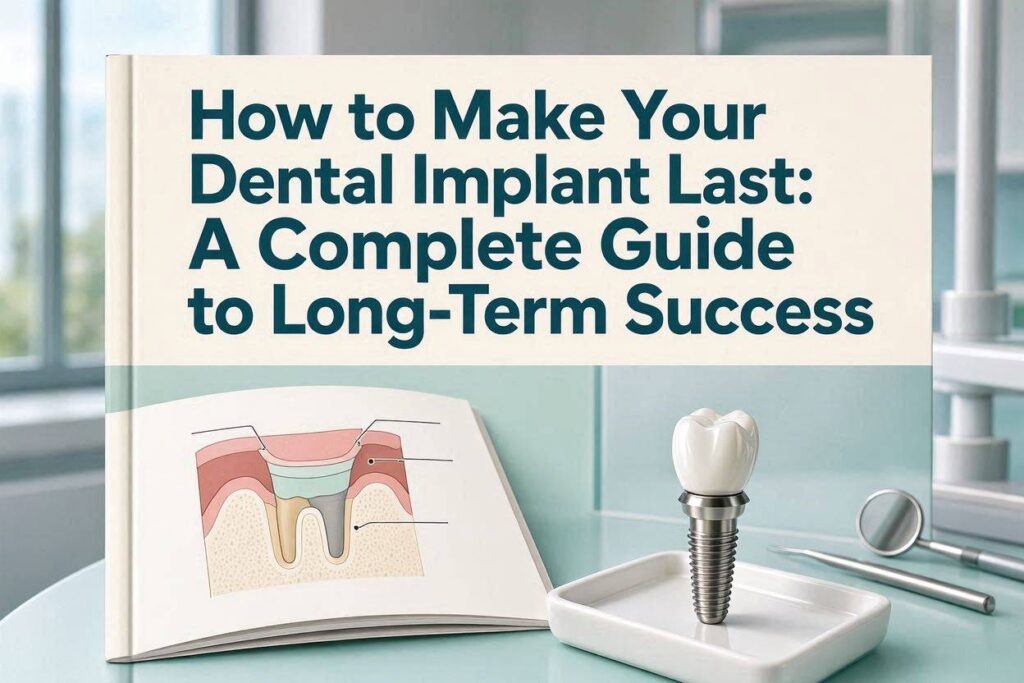
How to Make Your Dental Implant Last: A Complete Guide to Long-Term Success
You have invested significant time, money, and emotional energy into your dental implants. Now you want them to last. The good news is that dental implants can last decades, even a lifetime, when properly maintained. The better news is that the factors most critical to implant longevity are largely within your control.
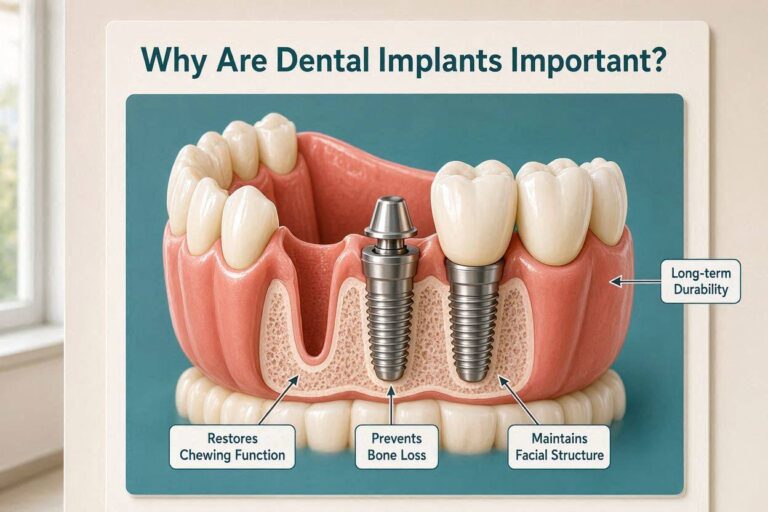
Dental implants do not decay like natural teeth. The titanium or zirconia implant cannot get cavities. However, implants can fail from other causes, primarily peri-implantitis, a condition similar to gum disease affecting the tissues around implants. Preventing this condition through consistent care represents your most powerful strategy for implant longevity.
I wrote this guide because I want your implant investment to pay off for decades. Too many patients receive excellent implant treatment but lack the detailed guidance needed to protect that investment over time. This guide provides practical, evidence-based strategies for making your dental implants last as long as possible.
Understanding What Threatens Dental Implant Longevity
Before discussing prevention, you need to understand what you are preventing against.
Peri-Implantitis: The Primary Threat
Peri-implantitis is an inflammatory condition affecting the soft and hard tissues surrounding dental implants. Bacteria accumulate around the implant, triggering inflammation similar to what occurs with gum disease around natural teeth. Over time, this inflammation causes bone loss around the implant.
Unlike natural teeth, which have a periodontal ligament providing some defense against bacterial invasion, implants rely entirely on the soft tissue seal where the gum meets the implant or abutment. This seal provides less robust protection than the attachment around natural teeth, making diligent hygiene essential.
Peri-implantitis often progresses without pain in its early stages. Many patients do not notice symptoms until significant bone loss has occurred. This silent progression makes regular professional monitoring essential for early detection and intervention.
Mechanical Complications
Implants can experience mechanical problems even when tissues remain healthy. Abutment screws may loosen over time, causing the restoration to feel loose or unstable. The crown, bridge, or denture attached to the implant may chip, crack, or wear. Implant components may fracture in rare cases, particularly under excessive force.
Mechanical complications often result from excessive biting forces, grinding or clenching habits, or inadequate restoration design. Protecting implants from excessive forces helps prevent these problems.
Biological Failure from Systemic Factors
Certain medical conditions and medications can affect implant longevity. Uncontrolled diabetes impairs healing and increases infection susceptibility. Osteoporosis medications, particularly bisphosphonates, may affect bone metabolism around implants. Smoking dramatically increases implant failure risk through multiple mechanisms.
Managing systemic health conditions and avoiding tobacco use supports implant longevity alongside local oral care.
Daily Home Care for Dental Implants
Your daily routine forms the foundation of implant longevity. Consistency matters more than perfection, though both help.
Brushing Around Implants
Brush at least twice daily using a soft-bristled toothbrush. Hard bristles can damage gum tissue around implants and scratch implant surfaces. Electric toothbrushes can be excellent for implant care when used properly with gentle pressure.
Pay particular attention to the area where the implant meets the gum. This junction requires thorough cleaning to disrupt bacterial biofilm before it can cause inflammation. Angle your brush to access this area from multiple directions.
Use non-abrasive toothpaste. Abrasive toothpastes can scratch implant and restoration surfaces, creating rough areas where bacteria adhere more readily. Avoid toothpaste marketed as whitening or tartar control, which often contains more abrasive ingredients.
Cleaning Between Implants
Flossing around implants requires different technique than flossing natural teeth. Implants lack the periodontal ligament that provides natural teeth with some flexibility. Aggressive flossing can damage the soft tissue attachment around implants.
Implant-specific floss features a smooth leader section and a textured cleaning section. Thread the smooth section between the implant and adjacent teeth, then use the textured section to clean the implant surface. Floss daily, using gentle pressure to avoid traumatizing the tissue.
Interdental brushes provide an excellent alternative or supplement to floss. These small brushes clean between teeth and around implants effectively. Select the appropriate size for your spaces and use gentle back-and-forth motions to clean implant surfaces without damaging tissue.
Water Flossers for Implant Care
Water flossers use pulsating water streams to clean between teeth and around implants. These devices can be particularly effective for implant care, reaching areas that traditional floss or brushes cannot access easily.
Use the water flosser on a moderate pressure setting. Direct the water stream at the junction where the implant meets the gum, moving systematically around each implant. Water flossers also help clean around implant-supported bridges and under implant-retained dentures.
Add an antimicrobial mouth rinse to the water flosser reservoir when recommended by your dental professional. This addition enhances bacterial reduction around implants.
Antimicrobial Mouth Rinses
Therapeutic mouth rinses can supplement brushing and interdental cleaning for implant patients. Chlorhexidine rinses provide powerful antimicrobial action but are typically recommended for short-term use due to side effects including staining and taste alteration.
Over-the-counter antimicrobial rinses containing essential oils or cetylpyridinium chloride offer gentler alternatives for long-term use. Your dental professional can recommend the most appropriate rinse for your specific situation.
Use mouth rinse as a supplement to mechanical cleaning, not a replacement. Rinsing cannot dislodge established biofilm the way brushing and interdental cleaning can.
Professional Maintenance Care
Regular professional care complements your daily home care routine.
Recommended Recall Intervals
Most implant patients benefit from professional maintenance every three to six months. This interval allows your dental professional to monitor implant health, perform thorough cleaning, and identify potential problems early.
Patients with a history of periodontal disease, peri-implantitis, or compromised hygiene may benefit from three-month recall intervals. Patients with excellent home care and no risk factors may maintain implants successfully with six-month visits.
Your dental professional will recommend an appropriate interval based on your individual risk factors and clinical findings. Following this recommendation represents one of the most important commitments you can make to implant longevity.
What Professional Maintenance Includes
Implant maintenance visits include several components beyond what occurs during routine teeth cleaning. Your provider will assess peri-implant tissue health, measuring probing depths and evaluating for bleeding or suppuration. These assessments detect inflammation before you notice symptoms.
Radiographs taken periodically allow your provider to evaluate bone levels around implants. Comparing current images to baseline images taken when implants were restored reveals bone changes that might indicate developing problems.
Professional cleaning around implants uses specialized instruments that do not scratch implant surfaces. Metal instruments can damage titanium or zirconia implants, creating surface roughness that promotes bacterial adhesion. Your provider uses plastic, graphite, or titanium instruments designed specifically for implant maintenance.
At-Home vs. Professional Care
A common misconception suggests that because implants are artificial, they require less care than natural teeth. The opposite is true. Implants require more meticulous care because they lack the biological defense mechanisms natural teeth possess.
You cannot delegate implant longevity to your dental professional and neglect home care. Professional visits, even at three-month intervals, cannot compensate for inadequate daily cleaning. The combination of consistent home care and regular professional maintenance provides optimal protection.
Lifestyle Factors Affecting Implant Longevity
Your daily habits and choices significantly influence how long your implants last.
Smoking and Tobacco Use
Smoking represents one of the strongest risk factors for implant failure and peri-implantitis. Tobacco use affects implants through multiple mechanisms. Nicotine causes vasoconstriction, reducing blood flow to oral tissues. Smoking impairs immune function, compromising the body’s ability to fight bacterial challenges. Heat from smoking may directly damage oral tissues.
Smokers experience significantly higher rates of peri-implantitis and implant loss compared to non-smokers. The effects are dose-dependent, with heavier smokers facing greater risk. However, even light smoking increases risk compared to complete abstinence.
Smoking cessation provides substantial benefits for implant longevity. Patients who quit smoking reduce their implant complication risk, though the risk may remain somewhat elevated compared to never-smokers. If you cannot quit completely, reducing smoking still provides some benefit.
Alcohol Consumption
Excessive alcohol consumption can affect implant health through several pathways. Alcohol may irritate oral tissues and contribute to dry mouth. Heavy drinking often correlates with neglected oral hygiene. Chronic excessive alcohol use may affect bone metabolism and immune function.
Moderate alcohol consumption does not appear to significantly threaten implant longevity for most patients. The concern relates primarily to heavy, chronic use. Be honest with your dental provider about your alcohol consumption so they can provide appropriate guidance.
Dietary Considerations
Implants restore the ability to eat a normal diet, but certain dietary habits help protect them. Limit sugary foods and beverages that promote bacterial growth and plaque formation. Avoid using implants to chew extremely hard items like ice, hard candy, or bones that could damage restorations.
Be cautious with sticky foods that can dislodge temporary restorations or challenge implant-supported dentures. Cut hard foods into smaller pieces rather than biting directly into whole apples or similar items with implant-supported front teeth.
A balanced diet supporting overall health also supports oral health. Adequate calcium and vitamin D intake supports the bone maintaining your implants. Vitamin C supports gum tissue health. Good nutrition provides the building blocks for tissue maintenance and repair.
Parafunctional Habits
Teeth grinding and clenching, collectively called bruxism, place excessive forces on implants and their restorations. These forces can loosen abutment screws, chip or fracture restorations, and in severe cases, cause bone loss around implants or implant fracture.
If you grind or clench your teeth, particularly during sleep, discuss protective strategies with your dental provider. A custom-fabricated night guard protects both natural teeth and implant restorations from grinding forces. Stress reduction techniques may reduce daytime clenching.
Pay attention to clenching during waking hours. Many people clench unconsciously while concentrating, driving, or experiencing stress. Noticing and consciously relaxing jaw muscles helps reduce these forces.
Monitoring for Early Warning Signs
Early detection of developing problems allows intervention before significant damage occurs.
Signs That Require Professional Evaluation
Several symptoms warrant prompt professional evaluation. Bleeding around implants when brushing or flossing indicates inflammation requiring attention. Redness, swelling, or tenderness of gums around implants suggests infection or irritation.
Pus or drainage from around an implant represents a serious sign requiring immediate evaluation. This indicates active infection that can cause rapid bone loss if not treated promptly.
Changes in how an implant feels, including mobility, looseness, or a sensation that the restoration has shifted, require professional assessment. Stable implants should feel solid like natural teeth with no perceptible movement.
Changes in how you bite or chew, including a sense that your bite feels different or that you are hitting the implant restoration before other teeth, may indicate component loosening or other mechanical issues.
Self-Monitoring Between Professional Visits
Perform regular visual inspection of the tissues around your implants. Look for changes in gum color, contour, or texture. Healthy peri-implant tissue should appear pink and firm, similar to healthy gum tissue around natural teeth.
Notice any changes in sensation around implants, including discomfort, pressure, or unusual feelings when biting or chewing. Implants lack the nerve supply of natural teeth, so pain from implant problems may feel different from tooth pain.
Report concerns to your dental provider promptly rather than waiting for the next scheduled appointment. Early intervention for peri-implant inflammation often involves non-surgical treatment that can arrest the condition before significant bone loss occurs.
Special Considerations for Different Implant Restorations
Different types of implant restorations require specific maintenance approaches.
Single Implant Crowns
Single implant crowns generally allow the most straightforward maintenance. You can brush and floss around them similarly to natural teeth. Pay particular attention to the area where the crown meets the gum, as this junction can accumulate plaque.
The connection between the implant and crown is not visible, so changes in feel or function may be your first indication of developing problems. Report any looseness or movement promptly.
Implant-Supported Bridges
Implant-supported bridges replace multiple adjacent missing teeth, typically using fewer implants than the number of replaced teeth. The bridge spans between implants, creating areas underneath the bridge that require specialized cleaning.
Use floss threaders or specialized bridge floss to clean under the bridge where it contacts the gum. Water flossers excel at cleaning these areas. Your dental provider will demonstrate appropriate techniques for your specific bridge design.
Pay attention to the gums under the bridge. Inflammation in these hidden areas can progress significantly before becoming visible. Regular professional maintenance including assessment of these hidden areas is essential.
Implant-Retained Overdentures
Overdentures attach to implants but are removable for cleaning. This design facilitates excellent hygiene access when you remove the denture daily. Clean the denture thoroughly according to your provider’s instructions, typically using a denture brush and appropriate cleaning solution.
Clean the implants and supporting attachments carefully after removing the denture. These attachments accumulate plaque that can cause tissue inflammation if not cleaned properly. Your provider will demonstrate appropriate cleaning techniques for your specific attachment type.
Inspect the attachments and the corresponding components in the denture for wear or damage. Worn attachments may not retain the denture securely, leading to movement that can irritate tissues.
Fixed Full Arch Restorations
Fixed full arch restorations, sometimes called All-on-Four or similar terms, replace all teeth in an arch using four or more implants. The restoration remains fixed in place and is removed only by your dental provider for professional cleaning and maintenance.
Cleaning under fixed full arch restorations presents challenges because the space between the restoration and the gum is limited. Water flossers with specialized tips help access these areas. Interdental brushes of appropriate size clean between the restoration and the gum.
Your provider will schedule periodic maintenance visits during which they remove the restoration for thorough cleaning and implant assessment. These visits are essential for long-term success and should not be skipped.
Managing Medical Conditions for Implant Health
Your overall health directly affects your implant health.
Diabetes Management
Well-controlled diabetes supports implant longevity. Poorly controlled diabetes with chronically elevated blood sugar impairs healing, compromises immune function, and increases infection susceptibility.
Maintain regular medical care for diabetes management. Follow your physician’s recommendations for blood sugar monitoring, medication, diet, and lifestyle. Communicate with both your physician and dental provider about your diabetes status.
Osteoporosis and Bone Health
The bone supporting your implants requires the same nutritional and metabolic support as the rest of your skeleton. Adequate calcium and vitamin D intake supports bone health. Weight-bearing exercise stimulates bone maintenance.
Discuss your osteoporosis status and any medications with your dental provider. Certain osteoporosis medications, particularly bisphosphonates, require special consideration for dental procedures. Your medical and dental providers should coordinate care to optimize both bone health and implant health.
Medication Awareness
Medications affecting oral health can influence implant longevity. Medications causing dry mouth reduce saliva’s protective effects. Some medications affect bone metabolism. Others may affect immune function or healing.
Keep your dental provider informed about all medications you take, including over-the-counter products and supplements. Changes in your medication regimen should prompt discussion of any implications for implant health.
Frequently Asked Questions About Implant Longevity
How long do dental implants typically last?
Dental implants can last decades or a lifetime with proper care. Research documents implant survival rates exceeding 95 percent at ten years and 90 percent at twenty years. However, survival does not equal complication-free success. Many implants surviving long-term require maintenance or component replacement during their lifespan.
Can dental implants fail after many years?
Yes. Implants that have functioned successfully for many years can develop problems, particularly peri-implantitis. Late failure often relates to cumulative effects of bacterial challenge, changing health status, or new medications. Continued maintenance and monitoring remain important even after decades of success.
What is the most common cause of implant failure?
Peri-implantitis represents the most common cause of late implant failure. This inflammatory condition causes progressive bone loss around implants, eventually compromising support. Consistent oral hygiene and regular professional maintenance provide the best prevention.
Do implants require more care than natural teeth?
Implants require at least as much care as natural teeth, and arguably more diligent care. Natural teeth have biological defense mechanisms, including the periodontal ligament and immune factors in crevicular fluid, that implants lack. The artificial nature of implants makes meticulous cleaning essential.
Can a failed implant be replaced?
In many cases, yes. Failed implants can often be removed, the site allowed to heal, and a new implant placed. However, bone loss from the failed implant may require grafting before replacement. Some sites cannot be successfully re-implanted. Prevention remains far better than dealing with failure.
How often should I have my implants professionally checked?
Most implant patients benefit from professional evaluation every three to six months. Your provider recommends an interval based on your individual risk factors. Following this schedule represents one of the most important commitments you can make to implant longevity.
Conclusion
Making dental implants last requires consistent daily home care, regular professional maintenance, healthy lifestyle choices, and prompt attention to warning signs. Brush and clean between implants meticulously every day. Attend professional maintenance visits at recommended intervals. Avoid smoking, manage systemic health conditions, and protect implants from excessive forces. Monitor for signs of inflammation or mechanical problems and report concerns promptly. Your daily commitment to implant care determines whether your implants last years or decades.