Is Tooth Implant Cosmetic Dentistry?
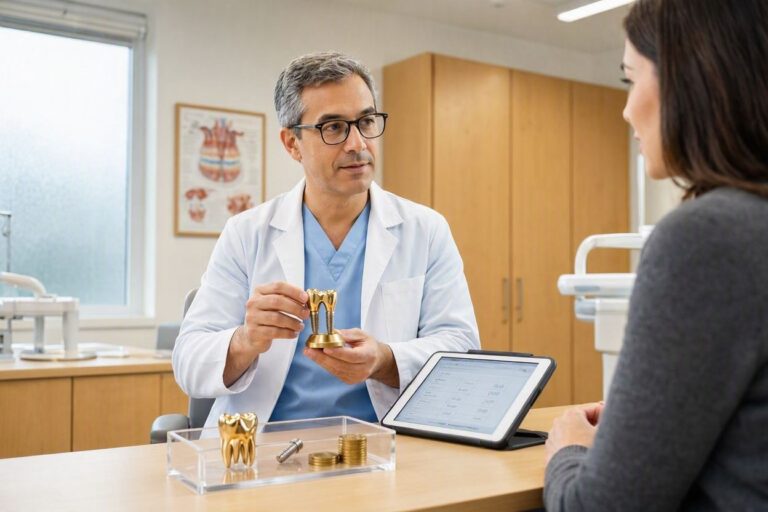
The classification of dental implants as cosmetic or medically necessary dentistry sparks debate among patients, providers, and insurance companies. The answer is not a simple yes or no. Dental implants occupy a unique position at the intersection of restorative and cosmetic dentistry. Their primary purpose is functional tooth replacement, which places them firmly in the restorative category. However, the aesthetic benefits they provide overlap significantly with cosmetic dentistry goals. This article explores the nuanced classification of dental implants, the implications for insurance coverage and taxation, and how patients should understand the nature of their implant treatment.
Defining Cosmetic Dentistry vs. Restorative Dentistry
To classify implants accurately, clear definitions are necessary.
What Constitutes Restorative Dentistry
Restorative dentistry focuses on restoring the function, integrity, and health of the dentition. Procedures in this category replace missing teeth, repair damaged teeth, and treat diseases of the teeth and supporting structures. The primary goal is functional rehabilitation. Restorative procedures include fillings, crowns, bridges, dentures, root canals, and dental implants. The driving force behind restorative treatment is the prevention of further disease, restoration of chewing ability, maintenance of proper occlusion, and preservation of remaining teeth.
What Constitutes Cosmetic Dentistry
Cosmetic dentistry focuses on improving the appearance of the teeth, gums, and smile. The primary goal is aesthetic enhancement. Cosmetic procedures include teeth whitening, porcelain veneers placed on otherwise healthy teeth, cosmetic bonding to change tooth shape, gum contouring, and orthodontic treatment pursued solely for aesthetic improvement. Cosmetic procedures are elective in the sense that they are not required to treat disease or restore function.
The Overlap Zone
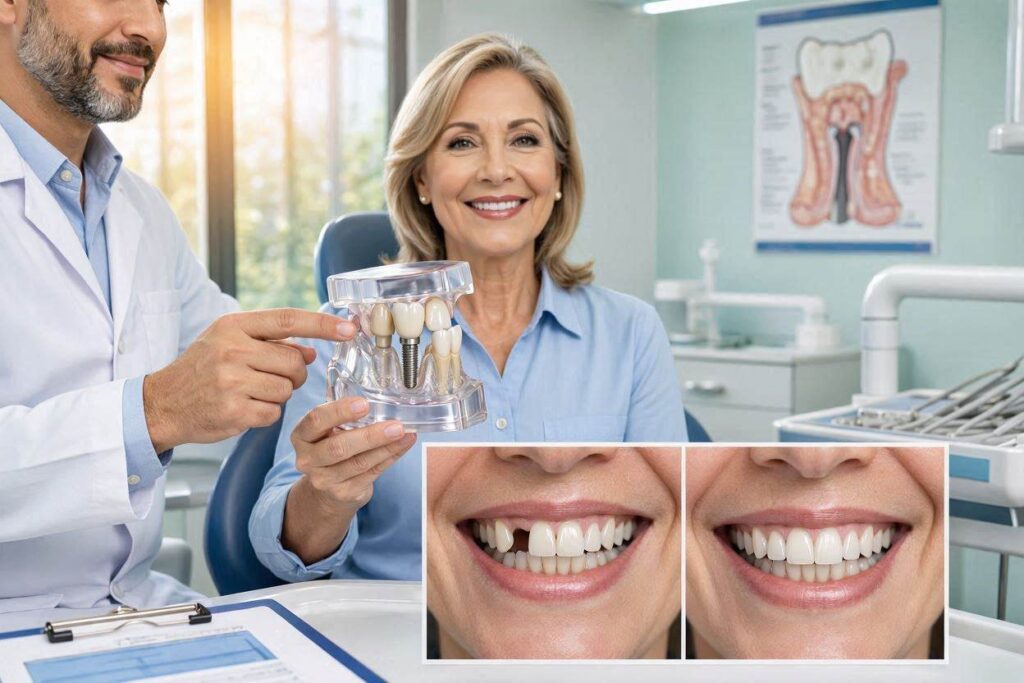
The boundary between restorative and cosmetic dentistry is not always sharp. A crown placed on a fractured posterior tooth is clearly restorative. Veneers placed on healthy anterior teeth solely to improve appearance are clearly cosmetic. But what of a crown placed on a front tooth that restores function and simultaneously must match adjacent teeth perfectly? Or an implant that replaces a missing tooth and also restores a patient’s smile and confidence? Many procedures serve both purposes.
The Primary Purpose of Dental Implants
Dental implants exist primarily to replace missing teeth. Understanding this fundamental purpose clarifies their classification.
Functional Restoration
When a tooth is lost, several functional deficits arise. Chewing efficiency decreases, potentially affecting nutrition. Adjacent teeth may drift into the space, disrupting the occlusion. The opposing tooth may supra-erupt, further destabilizing the bite. Bone in the edentulous area resorbs over time, altering facial structure and compromising future treatment options. Speech may be affected, particularly with anterior tooth loss.
A dental implant addresses each of these functional concerns. It restores chewing ability. It maintains arch integrity by preventing adjacent tooth movement. It preserves bone through functional loading. It supports normal speech patterns. These are restorative, medically indicated outcomes.
Prevention of Further Dental Disease
Missing teeth left unreplaced create a cascade of potential problems. Tipped teeth are harder to clean, increasing decay and periodontal disease risk. Supra-erupted teeth may require reduction or extraction. Altered occlusion can lead to temporomandibular joint dysfunction. The implant prevents these sequelae, functioning as preventive restorative care.
Bone Preservation
Perhaps the most compelling medical argument for implants is alveolar bone preservation. When a tooth is lost, the surrounding bone resorbs due to the absence of functional stimulation. Over years, significant bone volume is lost, altering facial contours and complicating future tooth replacement. Dental implants transmit chewing forces to the bone, preserving it through the same mechanism that maintains bone around natural teeth. This bone preservation has clear medical and functional benefits extending beyond aesthetics.
When Implants Take on Cosmetic Characteristics
While fundamentally restorative, implants do not divorce themselves from cosmetic considerations.
Aesthetic Zone Considerations
Implants placed in the anterior maxilla, the front upper teeth visible when smiling, demand meticulous aesthetic management. The crown must match adjacent teeth in color, shape, translucency, and texture. The gum tissue around the implant must appear natural, with proper papilla fill and contour. Achieving these outcomes requires cosmetic skill beyond basic restorative competence.
However, the aesthetic demands of anterior implants do not make the procedure cosmetic. The implant remains functionally necessary. The aesthetic component represents the standard of care for anterior tooth replacement, not an elective cosmetic enhancement. A well-done anterior implant is indistinguishable from natural teeth, but its primary purpose remains functional restoration.
Patient Motivation and Perception
Patients often seek implants at least partially for cosmetic reasons. They want to smile confidently. They want to avoid the appearance of missing teeth. They may feel embarrassment about tooth loss. These cosmetic motivations are real and valid. However, they coexist with functional needs. A patient wanting to smile confidently while also being able to chew properly is not pursuing purely cosmetic treatment.
The Importance of Aesthetic Excellence in Restoration
Modern restorative dentistry recognizes that function and aesthetics are inseparable in the visible dentition. A restoration that functions perfectly but looks unnatural fails by contemporary standards. The pursuit of aesthetic excellence in implant restoration does not reclassify the procedure as cosmetic. It reflects the standard to which all modern restorative care should aspire.
Insurance Implications of Classification
How implants are classified carries significant financial consequences.
Dental Insurance Perspective
Most dental insurance plans classify implants as a major restorative service, not a cosmetic one. This classification provides partial coverage, typically at 50 percent, subject to annual maximums. The restorative classification acknowledges the functional necessity of tooth replacement.
However, some plans treat implants as cosmetic and exclude coverage entirely. Others provide coverage only for the least expensive alternative treatment, which may be a partial denture rather than an implant. The specific language of each plan determines coverage.
Medical Insurance Perspective
Medical insurance generally excludes dental procedures, including implants, unless specific exceptions apply. Traumatic tooth loss, congenital absence, and cancer reconstruction represent the most common exceptions. When medical insurance covers implants, it does so on the basis of functional restoration and reconstruction, not cosmetic improvement.
The Importance of Documentation
Dentists document implant cases to emphasize the restorative, functional nature of treatment. Narratives describe the functional deficits caused by tooth loss and the medical necessity of replacement. This documentation supports insurance claims and resists cosmetic classification that would result in denial.
Tax Deductibility of Dental Implants
The classification of implants affects their tax treatment.
IRS Treatment of Medical Expenses
The Internal Revenue Service allows taxpayers to deduct unreimbursed medical and dental expenses exceeding 7.5 percent of adjusted gross income. The IRS defines qualifying medical care as amounts paid for the diagnosis, cure, mitigation, treatment, or prevention of disease, or for the purpose of affecting any structure or function of the body.
Dental implants, as replacements for missing teeth that restore function and prevent further oral disease, generally qualify as deductible medical expenses. Purely cosmetic procedures, such as teeth whitening or veneers on healthy teeth, do not qualify. The functional and preventive nature of implants supports their deductibility.
Documentation for Tax Purposes
Patients claiming implant expenses as medical deductions should retain detailed records. A letter from the dentist explaining the functional necessity of the implants, the consequences of non-treatment, and the restorative purpose of the procedure provides supporting documentation should the IRS question the deduction.
Ethical Marketing and Patient Communication
The classification issue affects how dentists communicate with patients.
Honest Representation
Ethical practitioners describe implants honestly as restorative procedures with aesthetic benefits. They avoid marketing implants as “cosmetic dentistry” when the primary purpose is tooth replacement. This honest framing sets appropriate patient expectations and supports accurate insurance and tax treatment.
Managing Patient Expectations
Patients who view their implants primarily through a cosmetic lens may have unrealistic aesthetic expectations. Dentists must educate patients about the functional primacy of implants while committing to excellent aesthetic outcomes. A patient who understands both the functional and aesthetic dimensions of implant treatment is better prepared for the process and outcome.
Conclusion
Dental implants are fundamentally restorative dentistry, not cosmetic dentistry. Their primary purpose is the functional replacement of missing teeth, with attendant benefits of bone preservation, maintenance of arch integrity, and prevention of further dental disease. The aesthetic excellence expected of modern implant restorations does not reclassify them as cosmetic procedures. This restorative classification has meaningful implications for insurance coverage and tax deductibility. Patients should understand the functional foundation of implant treatment while appreciating the aesthetic benefits that accompany well-executed care.
Frequently Asked Questions
Will my insurance cover implants if they classify them as cosmetic?
If your plan excludes cosmetic procedures and classifies implants as cosmetic, coverage will likely be denied. However, most plans classify implants as major restorative. Check your specific plan language.
Can I deduct implant costs on my taxes?
Generally yes. Implants restore function and prevent disease, qualifying them as deductible medical expenses. Purely cosmetic procedures do not qualify. Retain documentation from your dentist.
Are front-tooth implants considered more cosmetic than back-tooth implants?
Both are restorative. Front-tooth implants have higher aesthetic demands, but their primary purpose remains functional tooth replacement. The location does not change the restorative classification.
Why do some dentists market implants as cosmetic dentistry?
Some practices market implants alongside cosmetic services because patients often seek implants for appearance-related reasons. This marketing choice does not change the restorative nature of the procedure.
Additional Resource
For information on medical expense deductions including dental procedures, visit the IRS website at www.irs.gov and search for Publication 502, Medical and Dental Expenses. This publication details qualifying expenses and documentation requirements.