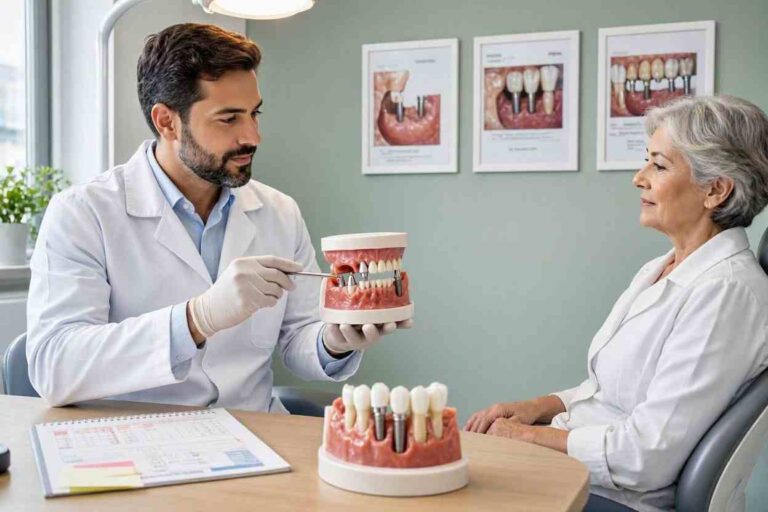
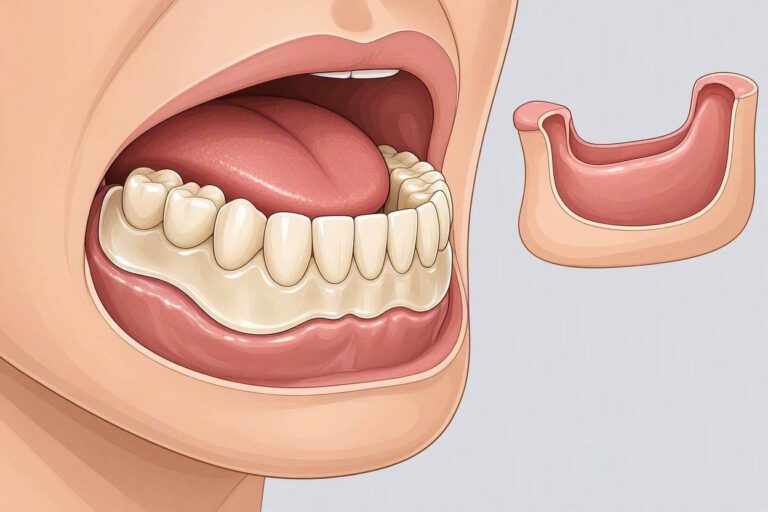
Does Zoloft Affect Dental Implants?
Zoloft, also known by its generic name sertraline, is one of the most commonly prescribed antidepressants in the United States. Millions of people take Zoloft for depression, anxiety, and other mental health conditions. If you are considering dental implants and take Zoloft, you may wonder if the medication affects the success of the procedure.
This guide examines the relationship between Zoloft and dental implants. You will learn about the potential effects of antidepressants on implant success, what the research shows, and how to manage your medication during treatment.
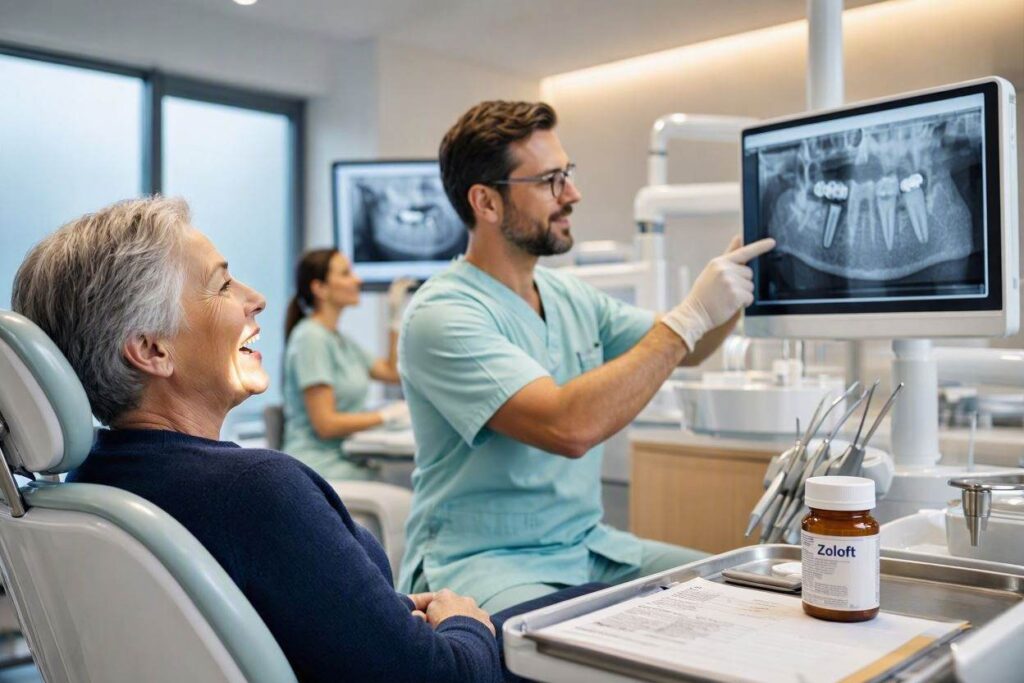
Understanding Zoloft
Zoloft belongs to a class of medications called selective serotonin reuptake inhibitors, or SSRIs. These medications work by increasing the level of serotonin in the brain, which helps regulate mood.
Zoloft is prescribed for several conditions, including major depressive disorder, generalized anxiety disorder, panic disorder, obsessive-compulsive disorder, and post-traumatic stress disorder. It is generally well-tolerated and has fewer side effects than older antidepressants.
The Connection Between Antidepressants and Bone Health
Research has shown that SSRIs, including Zoloft, can affect bone health. This is relevant to dental implants because implant success depends on healthy bone.
How SSRIs Affect Bone
Serotonin plays a role in bone metabolism. Studies have shown that SSRIs can reduce bone density over time. This is because serotonin receptors are present on bone cells, and altering serotonin levels affects bone remodeling.
Increased Fracture Risk
Some studies have found that people taking SSRIs have a slightly higher risk of bone fractures. This is thought to be related to reduced bone density and changes in bone quality.
Implications for Dental Implants
If SSRIs affect bone density, they could potentially affect the osseointegration of dental implants. Osseointegration is the process by which the implant fuses with the bone. If bone quality is compromised, osseointegration may be less successful.
What the Research Shows
Several studies have examined the relationship between SSRIs and dental implant success.
Studies on Implant Failure
Some studies have found that patients taking SSRIs have a higher rate of dental implant failure. One study published in the Journal of Dental Research found that SSRI users had nearly twice the risk of implant failure compared to non-users.
Possible Mechanisms
The increased failure rate may be related to reduced bone density, changes in bone healing, or direct effects of serotonin on bone cells. The exact mechanism is not fully understood.
Conflicting Evidence
Not all studies agree. Some research has found no significant difference in implant success rates between SSRI users and non-users. The evidence is not conclusive.
Clinical Significance
Even if SSRIs increase the risk of implant failure slightly, the overall risk remains low. Most patients taking Zoloft can successfully receive dental implants. The key is careful planning and monitoring.
How Zoloft Might Affect Implant Success
There are several ways Zoloft could potentially affect dental implant treatment.
Bone Healing
SSRIs may impair bone healing after surgery. This could slow the osseointegration process and increase the risk of implant failure.
Bone Density
Long-term SSRI use may reduce bone density. If the jawbone is less dense, the implant may not integrate as well.
Bleeding Risk
SSRIs can affect platelet function, potentially increasing the risk of bleeding during and after surgery. This is usually minor but should be considered.
Dry Mouth
SSRIs can cause dry mouth, which increases the risk of gum disease and tooth decay. Good oral hygiene is essential for implant success, and dry mouth can make this more challenging.
Should You Stop Taking Zoloft Before Implant Surgery?
The short answer is no. You should not stop taking Zoloft or any other prescribed medication without consulting your doctor.
Risks of Stopping Medication
Stopping Zoloft abruptly can cause withdrawal symptoms and a return of the symptoms it was treating. This can be more harmful than any potential effect on implant success.
Discuss with Your Doctor
If you are concerned about the effects of Zoloft on your dental implants, discuss this with both your prescribing doctor and your dentist. They can help you weigh the risks and benefits.
Do Not Self-Adjust
Never change your medication dosage on your own. Only your prescribing doctor can make changes to your medication regimen.
Managing Zoloft During Implant Treatment
There are steps you can take to manage your medication during implant treatment.
Inform Your Dentist
Make sure your dentist knows you take Zoloft. This is essential information for treatment planning.
Inform Your Doctor
Let your prescribing doctor know you are planning dental implant surgery. They can provide guidance on managing your medication.
Maintain Good Oral Hygiene
Good oral hygiene is especially important for patients taking SSRIs. Brush, floss, and visit your dentist regularly.
Monitor Healing
Pay attention to the healing process after implant surgery. If you notice signs of problems, contact your dentist promptly.
Consider Bone Density Testing
If you have been taking Zoloft for many years, your doctor may recommend bone density testing. This can help assess your risk of bone-related complications.
Other Medications That Affect Implants
Zoloft is not the only medication that can affect dental implants. Other medications to be aware of include:
Bisphosphonates
Used to treat osteoporosis, bisphosphonates can increase the risk of osteonecrosis of the jaw after dental surgery.
Blood Thinners
Anticoagulant medications can increase bleeding risk during surgery.
Immunosuppressants
Medications that suppress the immune system can impair healing and increase infection risk.
Steroids
Long-term steroid use can affect bone density and healing.
Important Notes for Patients
- Zoloft may slightly increase the risk of dental implant failure, but most patients still have successful outcomes.
- Do not stop taking Zoloft without consulting your doctor.
- Inform both your dentist and prescribing doctor about your medication.
- Maintain excellent oral hygiene to support implant success.
- Monitor healing carefully after surgery.
- The overall risk of implant failure remains low, even for patients taking Zoloft.
Frequently Asked Questions
Can I get dental implants if I take Zoloft?
Yes, most patients taking Zoloft can successfully receive dental implants. Inform your dentist about your medication and follow their recommendations.
Does Zoloft cause dental implant failure?
Some studies suggest a slightly higher risk of implant failure in patients taking SSRIs. However, the overall risk remains low, and most implants are successful.
Should I stop taking Zoloft before implant surgery?
No, do not stop taking Zoloft without consulting your doctor. Stopping abruptly can cause withdrawal symptoms and other problems.
How does Zoloft affect bone health?
SSRIs like Zoloft may reduce bone density over time by affecting serotonin receptors on bone cells. This could potentially affect implant integration.
What should I tell my dentist about my medications?
Inform your dentist about all medications you take, including Zoloft and any other prescriptions, over-the-counter medications, and supplements.
Can Zoloft cause dry mouth?
Yes, dry mouth is a common side effect of SSRIs. Dry mouth increases the risk of gum disease, so good oral hygiene is essential.
Are there alternatives to Zoloft that do not affect implants?
Some antidepressants may have less effect on bone health. Discuss your options with your prescribing doctor if you are concerned.
How can I improve my chances of implant success while taking Zoloft?
Maintain excellent oral hygiene, follow your dentist’s post-operative instructions, and attend all follow-up appointments.
Conclusion
Zoloft may slightly affect dental implant success by influencing bone health and healing. Some studies suggest a higher risk of implant failure in patients taking SSRIs, but the overall risk remains low. Most patients taking Zoloft can successfully receive implants. Do not stop taking your medication without consulting your doctor. Inform both your dentist and prescribing doctor about your medication, maintain good oral hygiene, and monitor healing carefully. With proper planning and care, dental implants can be successful for patients taking Zoloft.
Additional Resource
For more information on medications and dental health, visit the American Dental Association at www.ada.org. This professional organization offers patient education resources on dental care and medication considerations.