What Is The Cost Of A Single Tooth Bone Graft?
When a tooth is lost or extracted, the jawbone beneath it begins to shrink. This natural process, called resorption, can make future dental implant placement difficult or impossible. A bone graft rebuilds the lost bone, creating a stable foundation for an implant. If your dentist has recommended this procedure, you are probably wondering about the cost.
A single tooth bone graft is a common and predictable procedure. The cost varies depending on the type of graft material used, the complexity of the case, and your geographic location. In the United States, you can expect to pay between $300 and $1,500 for a straightforward single tooth bone graft. More complex cases with advanced techniques can cost more.
This guide breaks down every aspect of bone graft pricing. You will learn about the different materials, what influences the final bill, how insurance works, and how to plan for this essential step in your dental restoration journey.

Understanding Bone Grafting for Dental Implants
A bone graft is a surgical procedure that adds bone material to an area where bone has been lost. In dentistry, this is most commonly done to prepare a site for a dental implant. The implant needs sufficient bone volume to anchor securely. Without enough bone, the implant may fail.
Bone grafting can be performed at the time of tooth extraction, a procedure called socket preservation. It can also be done months or years after the tooth is gone. The timing affects the cost and complexity. Socket preservation is usually simpler and less expensive than grafting a long-healed site.
The procedure itself involves making an incision in the gum tissue to expose the underlying bone. The graft material is packed into the defect. A protective membrane is often placed over the graft to keep soft tissue from growing into the area. The gum is then sutured closed. Over several months, your body replaces the graft material with your own natural bone.
Types of Bone Graft Materials and Their Costs
The type of graft material your dentist uses significantly affects the price. Each material has advantages, disadvantages, and different costs.
Autograft (Your Own Bone)
An autograft uses bone harvested from another part of your body. Common donor sites include the chin, the back of the jaw, or the hip. Autografts are considered the gold standard because they contain living cells and growth factors that promote healing. However, they require a second surgical site, which increases discomfort and cost.
The cost of an autograft for a single tooth ranges from $800 to $2,500. The higher price reflects the additional surgery and time required. Some patients are uncomfortable with a second surgical site, but autografts offer the best success rates.
Allograft (Donor Bone)
An allograft uses bone from a human tissue bank. The bone is processed and sterilised to remove all living cells. It provides a scaffold for your own bone to grow into. Allografts are widely used because they eliminate the need for a second surgical site.
The cost of an allograft for a single tooth ranges from $500 to $1,200. This is the most common type of graft material used in dental practices. It is safe, effective, and well-tolerated.
Xenograft (Animal Bone)
A xenograft uses bone from an animal source, usually bovine or porcine. The bone is processed to remove all organic material, leaving only the mineral structure. This mineral scaffold supports new bone growth. Xenografts are popular because they are abundant and have excellent handling properties.
The cost of a xenograft for a single tooth ranges from $400 to $1,000. Many dentists prefer xenografts for socket preservation because they maintain space well and integrate predictably.
Alloplast (Synthetic Material)
An alloplast is a synthetic bone substitute. These materials are made from calcium phosphate, bioactive glass, or other biocompatible compounds. They eliminate any risk of disease transmission and require no donor tissue. Alloplasts are available in various formulations, including granules, putties, and injectable gels.
The cost of an alloplast for a single tooth ranges from $300 to $900. This is often the most affordable option. Synthetic materials are safe and effective, though they may integrate more slowly than natural bone sources.
| Graft Material | Source | Typical Cost Range |
|---|---|---|
| Autograft | Your own body | $800 – $2,500 |
| Allograft | Human donor | $500 – $1,200 |
| Xenograft | Animal bone | $400 – $1,000 |
| Alloplast | Synthetic | $300 – $900 |
Additional Costs Beyond the Graft Material
The graft material itself is only part of the total cost. Several other components contribute to your final bill.
Surgical Fees
The dentist’s time and expertise are significant factors. The surgical fee covers the incision, preparation of the site, placement of the graft, and suturing. This fee typically ranges from $300 to $800 for a single tooth graft. Specialists like oral surgeons or periodontists may charge more than general dentists.
Membrane Placement
Many bone grafts require a barrier membrane. This membrane prevents soft tissue cells from growing into the graft site before the bone has a chance to form. Membranes cost between $100 and $400. Some membranes are resorbable and dissolve on their own. Others are non-resorbable and require a second procedure to remove.
Imaging and Diagnostic Records
Before performing a bone graft, your dentist needs images to assess the defect. A periapical X-ray costs $25 to $75. A cone beam CT scan, which provides a 3D view, costs $250 to $600. The CT scan is especially valuable for complex cases or when precise planning is needed.
Anaesthesia and Sedation
Local anaesthesia is usually included in the surgical fee. If you opt for sedation, expect additional charges. Nitrous oxide costs $50 to $100. Oral sedation costs $100 to $300. IV sedation costs $300 to $800.
Follow-Up Visits
Standard post-operative visits are usually included in the surgical fee. However, if complications arise, additional visits may be billed. Clarify what your quote includes before proceeding.
The Full Cost Breakdown Table
Here is a realistic breakdown of the total cost for a single tooth bone graft in the United States.
| Component | Low Estimate | High Estimate |
|---|---|---|
| Consultation and X-ray | $75 | $300 |
| Cone beam CT scan (if needed) | $250 | $600 |
| Graft material | $300 | $1,500 |
| Barrier membrane | $100 | $400 |
| Surgical fee | $300 | $800 |
| Sedation (optional) | $50 | $800 |
| Total | $1,075 | $4,400 |
Most straightforward single tooth grafts fall in the $600 to $1,800 range. Complex cases with autografts or advanced imaging can push the total higher.
Factors That Influence the Final Price
Several variables determine where your procedure falls within these ranges. Understanding these factors helps you anticipate costs and compare quotes.
Geographic Location
Dental fees mirror the cost of living. A bone graft in New York City or Los Angeles costs significantly more than one in a small Midwestern town. Rural areas have lower overhead, which translates to lower fees. If you live in a high-cost area, travelling to a nearby suburban or rural practice could save you money.
Provider Specialisation
Oral surgeons and periodontists specialise in surgical procedures. Their fees reflect their advanced training and experience. General dentists can perform bone grafts, especially simple socket preservation cases. Their fees are often lower. For complex cases involving significant bone loss, a specialist is worth the premium.
Timing of the Graft
Socket preservation performed immediately after extraction is usually simpler and less expensive. The socket is already open, and the graft material is placed directly into the extraction site. A graft performed months or years later requires reopening the gum tissue and preparing the site. This takes more time and costs more.
Size and Complexity of the Defect
A small defect requires less graft material and less time. A large defect or one with unusual anatomy requires more material and more surgical skill. The complexity of the case directly affects the fee.
Type of Practice
Corporate dental chains often offer lower prices due to economies of scale. Private practices may charge more but often provide more personalised care. Dental schools offer the lowest prices, with procedures performed by students under supervision.
Real Patient Cost Reports
Hearing what others paid provides realistic context. Here are anonymised examples from patients across the United States.
Patient A, Austin, Texas: Paid $750 for a socket preservation graft immediately after tooth extraction. The price included the graft material, membrane, and surgical fee.
Patient B, Chicago, Illinois: Paid $1,400 for a bone graft performed six months after tooth loss. The higher cost reflected the need for a cone beam CT scan and a more complex surgical approach.
Patient C, rural Nebraska: Paid $450 for a simple allograft placed at the time of extraction. The lower cost reflected the area’s lower overhead.
Patient D, Miami, Florida: Paid $2,200 for an autograft using bone harvested from the chin. The patient chose this option for the best possible healing.
Patient E, Seattle, Washington: Paid $1,100 for a graft at a periodontist’s office. The fee included IV sedation, which accounted for $400 of the total.
“I needed a bone graft before my implant. My dentist quoted $1,200, but the oral surgeon quoted $1,600. I went with the oral surgeon because my case was complex. The extra cost was worth the peace of mind.” – Linda, 54, Denver
Dental Insurance and Bone Grafts
Dental insurance coverage for bone grafts is inconsistent. Some plans cover the procedure as a major service. Others exclude it entirely. Many plans fall somewhere in between, covering a portion of the cost.
Typical Coverage Levels
Plans that cover bone grafts usually pay 50 percent of the cost after your deductible. The annual maximum benefit is the limiting factor. Most plans cap benefits at $1,000 to $2,000 per year. A bone graft costing $1,200 could consume most of your annual maximum.
Medical Necessity Documentation
Some insurance companies require documentation of medical necessity before approving bone graft coverage. Your dentist must explain why the graft is needed and how it relates to a covered procedure like implant placement. Thorough documentation improves your chances of approval.
Medical Insurance Possibilities
In some cases, medical insurance may cover a bone graft. If the bone loss resulted from trauma, a congenital defect, or a medical condition like osteoporosis, your medical plan might pay. This route requires persistence and clear documentation. Your dentist or oral surgeon can help you file the claim.
How to Save Money on a Bone Graft
A bone graft is an investment in your long-term oral health. These strategies help you reduce the cost without compromising quality.
Dental Schools
Dental schools offer bone grafts at significantly reduced prices. Students perform the procedure under close faculty supervision. The cost is typically 40 to 60 percent less than private practice. A graft that costs $1,200 privately might cost $600 at a dental school. The trade-off is time. Appointments are longer, and the process takes more visits.
Dental Discount Plans
Dental discount plans are not insurance. You pay an annual membership fee and receive reduced rates from participating dentists. Savings on surgical procedures like bone grafts typically range from 20 to 40 percent. The annual fee is usually $100 to $200.
Payment Plans
Many dental offices offer in-house payment plans. You can spread the cost over several months. Third-party financing companies like CareCredit offer interest-free periods for qualified applicants. This makes the procedure more affordable on a monthly basis.
Ask About Cash Discounts
Some dentists offer discounts for patients who pay in full at the time of service. This avoids billing and collections costs. A 5 to 10 percent discount is common. It never hurts to ask.
Compare Quotes
Get quotes from at least two or three providers. Compare not just the price but what is included. A lower quote might not include the membrane or follow-up visits. Make sure you understand the full scope of each quote.
What to Expect During the Procedure
Knowing what happens during a bone graft helps reduce anxiety. The procedure typically takes 30 to 60 minutes for a single tooth.
Before the Procedure
Your dentist will review your medical history and take necessary images. If you are having sedation, you may need to arrange for someone to drive you home. You may be prescribed antibiotics before the procedure to prevent infection.
During the Procedure
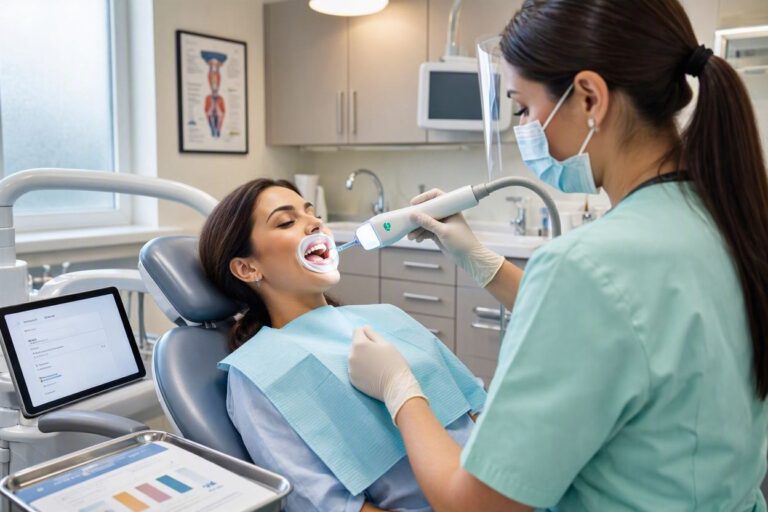
The area is numbed with local anaesthesia. You should feel no pain. The dentist makes an incision in the gum to expose the bone. The graft material is packed into the defect. A membrane is placed over the graft. The gum is sutured closed. The entire process is straightforward and well-tolerated.
After the Procedure
You will experience some swelling and discomfort for a few days. Over-the-counter pain medication is usually sufficient. Your dentist will provide instructions on eating, drinking, and oral hygiene. Avoid chewing on the surgical side for several weeks. The graft will heal over three to six months before an implant can be placed.
The Cost of Skipping a Bone Graft
Some patients ask if a bone graft is really necessary. The answer depends on your specific situation. If you are planning an implant and do not have sufficient bone, the graft is essential. Skipping it increases the risk of implant failure.
An implant placed in insufficient bone may not integrate properly. It can become loose, cause pain, or fail entirely. A failed implant must be removed and replaced. The total cost of a failed implant, including removal, additional grafting, and replacement, can exceed $8,000. Compare that to a $1,200 bone graft. The investment in proper preparation is clearly worthwhile.
If you are not planning an implant, a bone graft may still be recommended after extraction. Preserving the bone now prevents more extensive grafting later. It also maintains the natural contours of your jaw and face.
Frequently Asked Questions
How much does a single tooth bone graft cost?
A single tooth bone graft typically costs between $300 and $1,500. The average total including all fees is around $800 to $1,200.
Is a bone graft painful?
The procedure itself is painless due to local anaesthesia. Post-operative discomfort is usually mild and manageable with over-the-counter medication.
How long does a bone graft take to heal?
The initial healing takes a few weeks. Full integration of the graft with your natural bone takes three to six months before an implant can be placed.
Does insurance cover bone grafts?
Some dental insurance plans cover bone grafts as a major procedure. Coverage is typically 50 percent after the deductible, subject to annual maximums.
Can I get an implant without a bone graft?
It depends on your bone volume. Some patients have sufficient bone and do not need a graft. Your dentist or oral surgeon can assess this with imaging.
What happens if I do not get a bone graft?
Without sufficient bone, an implant may fail. Skipping a necessary graft increases the risk of complications and may lead to more expensive treatment later.
How long do bone grafts last?
A successful bone graft integrates with your natural bone and becomes permanent. It provides a stable foundation for an implant for the rest of your life.
Additional Resource
For reliable information on bone grafting and dental implants, visit the American Academy of Periodontology: https://www.perio.org
Conclusion
A single tooth bone graft costs between $300 and $1,500, with most patients paying around $800 to $1,200. The price depends on the graft material, provider specialisation, and complexity of the case. Insurance coverage is limited, but dental schools and payment plans make the procedure accessible. Investing in a bone graft now prevents more expensive complications and failed implants later.