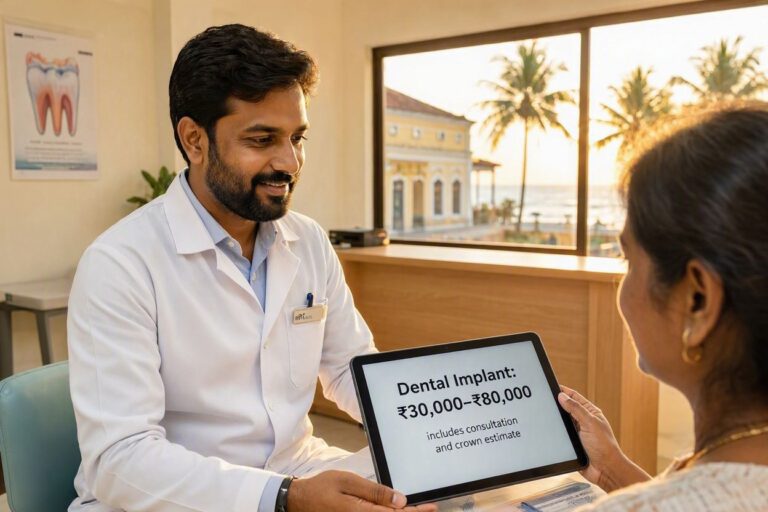
Dental Surgery: A Complete, No‑Fear Guide to Procedures, Recovery, and Costs
If your dentist just said the words “dental surgery,” you might feel your stomach drop a little. That is completely normal. Most people hear “surgery” and immediately think of pain, long recoveries, and big bills.
But here is the truth: modern dental surgery is nothing like it was twenty years ago. Techniques are gentler. Anesthesia is better. Recovery is often much faster than you expect.
This guide walks you through everything you need to know. No scary stories. No confusing medical terms. Just honest, useful information to help you feel prepared and confident.
Let’s start with the most important question of all.
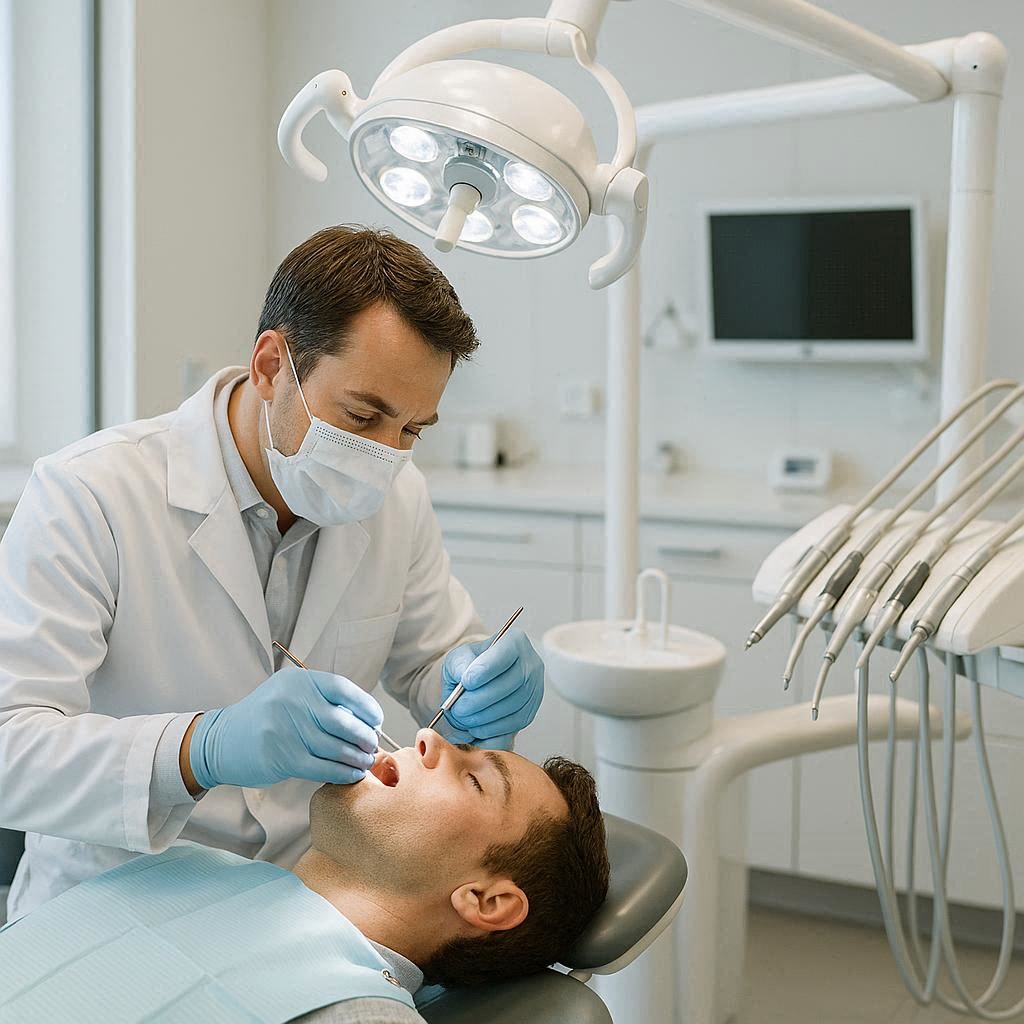
What Exactly Is Dental Surgery?
Dental surgery refers to any procedure that involves physically altering the hard or soft tissues of your mouth. That includes your teeth, gums, jawbone, and even the soft tissue inside your cheeks.
But here is what most people do not realize: many common dental surgeries are actually small, quick procedures. They happen right in the dentist’s chair. You walk out the same day.
Think of dental surgery like this: if a filling is like patching a hole in a drywall, dental surgery is like replacing a small section of that wall. More involved, yes. But still a routine job for a trained professional.
Important note: Not all dental surgeries are the same. Some take fifteen minutes. Others take two hours. The recovery also varies widely. That is why a one‑size‑fits‑all answer does not exist.
The Most Common Types of Dental Surgery (And Why You Might Need One)
Let’s look at the procedures people actually get. These are the ones you are most likely to encounter.
1. Tooth Extraction
Tooth extraction is exactly what it sounds like: removing a tooth from its socket in the bone.
Why you might need it:
- Severe decay that destroys too much of the tooth
- Crowded teeth before orthodontic treatment
- Infection that does not respond to antibiotics
- Broken teeth beyond repair
Simple vs. surgical extraction:
- Simple extraction: The tooth is visible above the gum line. The dentist loosens it with an instrument and removes it. Takes about 20–40 minutes.
- Surgical extraction: The tooth is broken off at the gum line or has not come in yet. The surgeon makes a small cut in your gum. This is common for wisdom teeth.
2. Wisdom Teeth Removal
Wisdom teeth are the third set of molars. They usually appear between ages 17 and 25.
Why most people remove them:
- Not enough room in the jaw → teeth become impacted (stuck)
- Pain, swelling, or infection around the tooth
- Damage to nearby healthy teeth
- Cysts or tumors forming around the impacted tooth
About 85% of people eventually need their wisdom teeth removed. You are in good company.
3. Dental Implants
A dental implant replaces a missing tooth root. The surgeon places a small titanium post into your jawbone. Over several months, the bone grows around it. Then a fake tooth (crown) attaches on top.
Why choose an implant:
- Most natural feeling replacement
- Prevents bone loss in the jaw
- Does not affect nearby teeth (unlike bridges)
- Lasts 20+ years with proper care
4. Root Canal (Endodontic Surgery)
Yes, a root canal is a form of dental surgery. The dentist removes infected pulp from inside your tooth, cleans the canals, then seals them.
Why you might need one:
- Deep decay reaches the nerve
- Cracked or chipped tooth
- Repeated dental work on the same tooth
- Abscess (pus-filled pocket at the root)
Good news: Modern root canals are no more uncomfortable than getting a filling. The old reputation is outdated.
5. Gum (Periodontal) Surgery
Gum surgery treats advanced gum disease. It also reshapes gum tissue for cosmetic or health reasons.
Common types:
- Flap surgery: The surgeon lifts the gum back, cleans deep bacteria, then stitches it in place.
- Gum graft: Takes tissue from your palate (roof of mouth) and attaches it to receding gums.
- Crown lengthening: Removes excess gum tissue to expose more of the tooth.
6. Bone Grafting
Your jawbone needs enough density to hold an implant. If you lost bone from missing teeth or infection, a bone graft rebuilds it.
The surgeon places bone material (human, animal, or synthetic) into the area. Your body gradually replaces it with natural bone.
7. Apicoectomy (Root End Resection)
This is a root canal’s backup plan. If infection remains after a normal root canal, the surgeon removes just the tip of the root. Then they seal the end.
When it helps: When a standard root canal cannot reach the very end of the root system.
Comparison Table: Fast Facts on Common Dental Surgeries
| Procedure | Typical Length | Anesthesia | Recovery (Full healing) |
|---|---|---|---|
| Simple extraction | 20–40 min | Local only | 1–2 weeks |
| Wisdom teeth removal (impacted) | 45–90 min | Local + sedation or general | 2–4 weeks |
| Dental implant (single) | 60–90 min | Local + optional sedation | 4–6 months (bone fusion) |
| Root canal | 30–90 min | Local | A few days |
| Gum flap surgery | 60–120 min | Local | 2–4 weeks |
| Bone graft | 45–90 min | Local | 3–6 months for fusion |
Reader note: These are averages. Your experience may differ based on complexity, your health, and your surgeon’s technique.
Preparing for Dental Surgery: A Practical Checklist
Good preparation makes a huge difference. It lowers your anxiety. It also helps you heal faster.
Two weeks before surgery
- Tell your surgeon about all medications you take. Include over‑the‑counter drugs and supplements.
- If you take blood thinners (like aspirin, warfarin, or ibuprofen daily), ask if you need to stop. Never stop without doctor approval.
- Arrange for someone to drive you home if you will receive sedation or general anesthesia.
- Stop smoking. Seriously. Smoking dramatically increases your risk of dry socket, infection, and implant failure.
The day before surgery
- Fill any prescriptions (painkillers, antibiotics, special mouthwash).
- Prepare soft foods: yogurt, applesauce, soup, protein shakes, mashed potatoes, scrambled eggs.
- Wash your bedsheets and have extra pillows ready. Elevating your head reduces swelling.
- Freeze some ice packs or buy a bag of frozen peas (they mold to your face).
Day of surgery
- Eat if your surgeon says it is okay. If you receive general anesthesia, you will need an empty stomach.
- Brush your teeth gently. Do not swallow any toothpaste or water.
- Wear loose, comfortable clothing with short sleeves.
- Leave jewelry and contacts at home.
- Do not wear makeup or nail polish. It can interfere with monitors.
What Happens During Dental Surgery? (Step by Step)
Knowledge kills fear. So let’s walk through a typical surgical appointment.
Step 1: Numbing.
Your surgeon applies a topical gel to your gum. This gel makes the injection nearly painless. Then they inject local anesthesia. You will feel pressure but no sharp pain.
Step 2: Sedation (if used).
For longer or more complex surgeries, you may receive sedation. Options include nitrous oxide (“laughing gas”), oral pills, or IV sedation. You remain awake but relaxed. Many patients do not remember much afterward.
Step 3: The procedure.
The surgeon works inside your mouth. You will hear noises: drilling, suction, instruments clicking. You might smell a slight burning odor (that is normal — it comes from friction). You can raise your hand anytime to stop or take a break.
Step 4: Stitches (sutures).
Many procedures require stitches. Some dissolve on their own. Others need removal after 7–14 days. Your surgeon tells you which kind you have.
Step 5: Gauze and rest.
You bite down on gauze to stop bleeding. Then you rest in a recovery area for 15–30 minutes. Once the bleeding slows, you go home.
“I was so nervous before my wisdom teeth surgery. But honestly? The worst part was the sound of the drill. I felt nothing. And three days later, I was eating mac and cheese.”
— Sarah, 28, wisdom teeth removal patient
Recovery: A Realistic Timeline (Not the Scary Version)
Let’s be honest. Recovery from dental surgery is not fun. But it is also not the nightmare some people describe. Most patients say it was less painful than they expected.
Day 1 (Day of surgery)
- The anesthesia wears off after 2–6 hours.
- You will feel numb, then some throbbing.
- Do this: Rest with your head elevated. Apply ice packs (20 minutes on, 20 off). Drink cold water. Do not spit, use a straw, or smoke.
- Pain level (1–10): 2–5 after numbing wears off, then drops.
Days 2–3
- Swelling peaks around 48 hours. Your face might look like a chipmunk. Do not panic.
- Switch to warm compresses after 48 hours. Warmth increases blood flow and speeds healing.
- Stick to soft foods. Avoid crunchy, spicy, hot, or acidic foods.
- Pain level: 3–6. Most pain is controlled with ibuprofen or prescribed medication.
Days 4–7
- Swelling goes down noticeably.
- You can start gentle salt water rinses (do not swish hard — just tilt your head).
- You may feel a “funny” taste or smell. That is usually the healing tissue.
- Pain level: 1–4. Many people stop strong painkillers by day 4.
Days 7–14
- Stitches may dissolve or be removed.
- Most normal activities return. You can go back to work or school.
- Still avoid hard or sticky foods (think nuts, caramels, popcorn).
- Pain level: 0–2. More discomfort than actual pain.
Weeks 3–4
- Soft tissue is mostly healed.
- Bone healing continues underneath (you cannot feel this).
- You can eat normally again.
- Pain level: 0.
Healing Faster: 9 Proven Tips
Do these things and you will recover faster than average.
- Ice religiously for the first 48 hours. Ice is your best friend. It reduces swelling, which reduces pain.
- Keep your head elevated for three nights. Sleep in a recliner or prop up three pillows. Gravity keeps fluid from pooling in your face.
- Do not use a straw for two weeks. The suction can pull out the blood clot that protects the wound. That leads to a painful condition called “dry socket.”
- Avoid spicy, hot, or crunchy foods. Heat increases blood flow (more swelling). Crunchy bits can get stuck in the wound.
- Take your medication as prescribed. Even if you feel fine, finish antibiotics. For pain, take ibuprofen before the numbness fully wears off.
- Start salt water rinses after 48 hours. Mix 1 teaspoon of salt in 1 cup of warm water. Gently tilt your head. Do not swish.
- Do not smoke or vape for at least 72 hours (longer is better). Smoking is the #1 cause of failed dental surgeries.
- Eat protein and vitamin C. Protein repairs tissue. Vitamin C builds collagen for new gum tissue. Think eggs, Greek yogurt, protein shakes, oranges (no pulp), and bell peppers.
- Move your body gently. Walking increases circulation. But no heavy lifting or vigorous exercise for one week — it raises blood pressure in your head.
Risks and Complications (Honest but Not Scary)
Every surgery carries risks. Being informed is not being scared. It is being smart.
Common (but usually minor)
- Pain and swelling: Expected. Not a complication.
- Bleeding: Oozing for 24–48 hours is normal. Steady bleeding is not.
- Bruising: Your cheek or neck may turn yellow or purple. This fades in 7–10 days.
Less common (but treatable)
- Dry socket: The blood clot dislodges early. You feel intense, throbbing pain 3–5 days after surgery. Easy to treat. Your dentist packs the socket with medicated gel.
- Infection: Signs include worsening pain after day 3, fever, pus, or bad taste that gets stronger. Treatable with antibiotics.
- Nerve injury: Temporary numbness in your lip, chin, or tongue. Rare. Almost always resolves in weeks to months.
- Sinus communication: Upper tooth extractions can create a small hole into your sinus cavity. Usually heals on its own. Sometimes needs a patch.
Important reader note:
Do not tough out severe pain. If your pain gets worse after day 3 instead of better, call your surgeon. That is the most important sign of a complication.
Cost of Dental Surgery: What You Will Actually Pay
Costs vary wildly based on:
- Where you live
- Whether you have insurance
- The complexity of your case
- The surgeon’s experience
Here are average ranges in the United States (without insurance):
| Procedure | Average cost (no insurance) |
|---|---|
| Simple extraction | $75–$300 per tooth |
| Surgical extraction (impacted) | $225–$600 per tooth |
| Wisdom teeth removal (four, impacted) | $1,200–$3,500 total |
| Root canal (front tooth) | $600–$1,000 |
| Root canal (molar) | $1,000–$1,800 |
| Dental implant (single, all steps) | $3,000–$6,000 |
| Bone graft | $400–$1,200 |
| Gum flap surgery (per quadrant) | $1,000–$3,000 |
| Apicoectomy | $900–$1,500 |
With insurance: Typically covers 50–80% of basic surgical procedures. Implants often have lower coverage or waiting periods.
Money‑saving tip: Dental schools offer high‑quality care at 30–50% lower cost. A trained resident performs the surgery. A licensed surgeon supervises every step.
Dental Surgery vs. Non‑Surgical Alternatives
Sometimes you have a choice. Here is how they compare.
| Problem | Surgical option | Non‑surgical option |
|---|---|---|
| Missing tooth | Implant (surgical) | Bridge or removable partial denture |
| Infected tooth nerve | Root canal (surgical) | Extraction (also surgical) |
| Advanced gum disease | Flap surgery | Deep cleaning (scaling & root planing) |
| Impacted wisdom tooth | Surgical removal | Monitor + pain management (risky) |
| Loose tooth from bone loss | Bone graft + implant | Splinting to nearby teeth (temporary) |
Verdict: Non‑surgical is usually cheaper and faster upfront. But surgical often lasts longer and solves the root cause. Your dentist helps you weigh the trade‑offs.
Frequently Asked Questions (FAQ)
1. Does dental surgery hurt during the procedure?
No. Local anesthesia numbs the area completely. You feel pressure, movement, and vibration — but not sharp pain. If you ever feel pain, raise your hand. The surgeon will stop and add more numbing medicine.
2. How long does it take to recover from dental surgery?
Most people feel back to normal within 7–14 days. Bone healing (for implants or extractions) takes several months, but you do not feel that part.
3. Can I drive myself home after dental surgery?
Only if you receive local anesthesia alone. If you have sedation (pills, IV, or gas), you cannot drive for at least 24 hours. Arrange a ride in advance.
4. When can I eat normally again?
Soft foods for the first 3–5 days. By day 7, most people add semi‑soft foods (pasta, scrambled eggs, well‑cooked vegetables). By week 3–4, you can eat normally.
5. What is dry socket, and how do I avoid it?
Dry socket is when the blood clot falls out too early, exposing bone. It is very painful. Avoid straws, spitting, smoking, and vigorous rinsing for at least one week.
6. Is dental surgery safe during pregnancy?
Routine surgery is usually postponed until after delivery. But if you have a serious infection or abscess, treatment during the second trimester is safer than leaving the infection. Always tell your surgeon you are pregnant.
7. How do I choose a good oral surgeon?
Look for:
- Board certification (American Board of Oral and Maxillofacial Surgery)
- Positive patient reviews specifically about surgery (not just cleanings)
- A surgeon who explains things clearly and answers questions patiently
- Hospital admitting privileges (a sign of strong credentials)
8. Will my insurance cover dental surgery?
Most medical insurance does not cover routine dental surgery. But some procedures (like jaw surgery or trauma repair) are covered under medical. Dental insurance typically covers extractions, root canals, and gum surgery at 50–80%. Call your insurer before scheduling.
Additional Resource
For a step‑by‑step video library showing exactly what to expect during recovery (no graphic surgery footage — just practical aftercare demonstrations), visit:
🔗 The American Association of Oral and Maxillofacial Surgeons (AAOMS) Patient Education Center
Link not embedded per request — search “AAOMS patient education” for trusted, surgeon‑reviewed videos.
Disclaimer
This article is for general informational purposes only and does not constitute medical advice. Dental surgery carries risks that vary by individual. Always consult a licensed dentist or oral surgeon for a personal evaluation. Never ignore professional medical advice or delay seeking it because of something you read here. The author and publisher are not liable for any outcomes resulting from the use of this information.
Conclusion
Dental surgery is often simpler, faster, and less painful than people fear. Most procedures take under two hours. Recovery usually lasts one to two weeks. And with proper preparation and aftercare, complications are rare. Whether you need a simple extraction or a full dental implant, you now have a realistic roadmap — no scary stories, just honest facts to help you move forward with confidence.