Dental Practice: A Complete Guide to Building a Patient-Focused Office
A dental practice is more than a business. It is a place where people come to feel better. They arrive with pain, fear, or embarrassment. They leave with relief and a healthier smile. Running a successful practice means balancing clinical excellence with human warmth. It means managing a team, a schedule, and a budget without losing sight of the patient.
This guide covers the essential elements of a modern dental practice. We will explore patient experience, team culture, marketing, and daily operations. Whether you are opening a new office or improving an existing one, these insights will help you create a practice that patients trust and staff love.
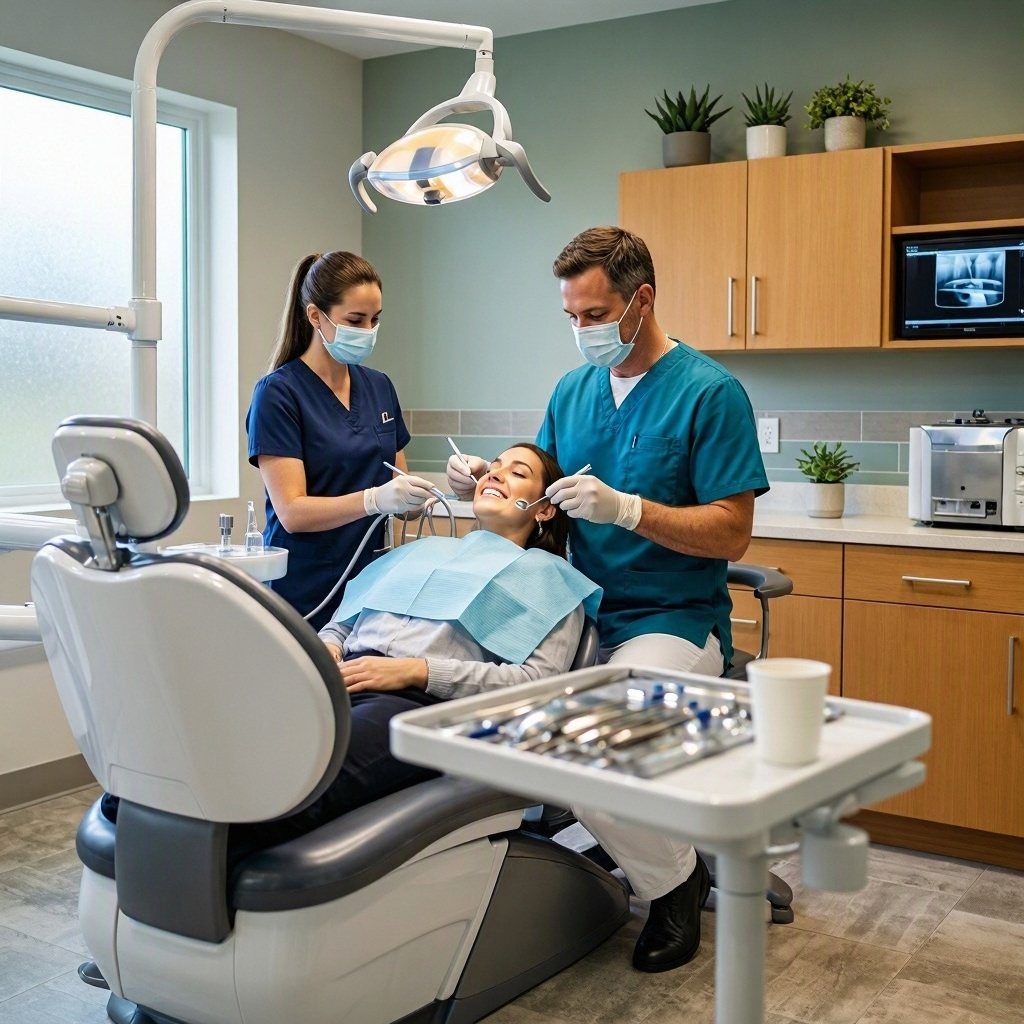
The Heart of a Dental Practice: Patient Experience
Patients judge your practice long before they sit in the chair. They judge the phone call, the website, the parking lot, and the waiting room. Every touchpoint matters. A positive experience reduces anxiety and increases loyalty.
First Impressions Start Online
Most patients find you online. Your website must be clean, fast, and mobile-friendly. Include clear photos of your team and office. List your services in plain language. Avoid jargon. Make it easy to book an appointment.
“We redesigned our website last year. We added online scheduling and a virtual tour. New patient calls increased by 40% in three months.” — Dr. Rachel Kim, General Dentist
The Phone Call Matters
When a patient calls, they are often nervous. The person answering the phone sets the tone. Train your receptionist to smile before picking up. A warm voice lowers anxiety. Offer clear directions and explain what to expect at the first visit.
Comfort in the Chair
Small comforts make a big difference. Offer blankets, neck pillows, and sunglasses for the bright light. Provide noise-canceling headphones. Let patients choose music or a podcast. These gestures show you care about their comfort, not just their teeth.
Team Culture: The Backbone of Your Practice
A dental practice runs on teamwork. Dentists, hygienists, assistants, and front desk staff must work together smoothly. A toxic team culture leads to high turnover and poor patient care.
Hire for Attitude, Train for Skill
Clinical skills can be taught. A friendly, calm demeanor cannot. Look for people who listen well and stay composed under pressure. Ask behavioral questions during interviews. For example: “Tell me about a time you handled a difficult patient.”
Regular Team Meetings
Hold short weekly meetings. Discuss schedule changes, patient feedback, and any challenges. Celebrate wins. A five-minute huddle every morning aligns the team and prevents miscommunication.
Fair Pay and Recognition
Competitive pay and benefits reduce turnover. But recognition matters just as much. Thank your team publicly. A simple “great job” goes a long way.
Marketing Your Dental Practice
You cannot rely on word-of-mouth alone. Modern practices need a clear marketing strategy.
Local SEO
Most patients search for “dentist near me.” Optimize your Google Business Profile. Add photos, respond to reviews, and list your hours accurately. Encourage happy patients to leave reviews.
Social Media
Post consistently but keep it simple. Share photos of your team (with consent), dental tips, and office updates. Avoid controversial topics. Keep the tone friendly and informative.
Referral Program
Happy patients are your best marketers. Offer a small thank-you gift for referrals. A $10 coffee card or a free whitening kit can bring in new patients.
Comparative Table: Marketing Channels for Dental Practices
| Channel | Cost | Effort | Time to Results | Best For |
|---|---|---|---|---|
| Google Business Profile | Free | Low | 1–3 months | Local visibility |
| Social media (organic) | Free | Medium | 3–6 months | Brand building |
| Paid ads (Google/Facebook) | Medium | Medium | Immediate | New patient surge |
| Referral program | Low | Low | 1–2 months | Trust and loyalty |
| Direct mail | Medium | High | 2–4 months | Neighborhood targeting |
Daily Operations: The Engine of Your Practice
Smooth operations keep patients happy and staff sane. Focus on scheduling, billing, and inventory.
Smart Scheduling
Avoid double-booking. Leave buffer time between complex procedures. Use scheduling software that sends reminders via text or email. This reduces no-shows.
Billing and Insurance
Confusing bills upset patients. Explain costs clearly before treatment. Offer payment plans. Train your front desk to handle insurance claims efficiently. A transparent billing process builds trust.
Inventory Management
Running out of gloves or anesthetic disrupts care. Set up a simple inventory system. Check supplies weekly. Use a par-level system: order when stock drops below a set amount.
Important Notes for Readers
Note on Compliance: Follow OSHA and HIPAA regulations strictly. Train your team annually. Keep patient records secure and confidential.
Note on Infection Control: Sterilization protocols must be consistent and documented. Never rush this process.
Note on Patient Feedback: Send short surveys after visits. Ask what went well and what could improve. Act on the feedback. Patients notice when you listen.
Conclusion
A successful dental practice rests on three pillars: patient comfort, team culture, and smart operations. When you invest in these areas, you build a practice that patients recommend and staff are proud to join. Start with small changes and stay consistent.
Frequently Asked Questions (FAQ)
Q: How many patients should a new dental practice see per day?
A: A new practice should aim for 8–12 patients per day. This allows time for thorough care and relationship building.
Q: What is the best way to reduce no-shows?
A: Send automated reminders 48 hours and 2 hours before appointments. Charge a small fee for missed appointments without notice.
Q: Should I offer evening or weekend hours?
A: Yes, if possible. Many patients work during the day. Offering one evening per week and one Saturday per month increases accessibility.
Q: How do I handle a negative online review?
A: Respond calmly and professionally. Apologize for the experience and offer to resolve the issue offline. Never argue publicly.
Q: What is the ideal team size for a solo practice?
A: A solo dentist typically needs one hygienist, one assistant, and one front desk coordinator. Add staff as patient volume grows.
Additional Resource:
For more guidance on practice management, visit the American Dental Association Center for Professional Success.