Dental Clinic Aesthetic: Creating a Space That Patients Remember
A dental clinic aesthetic is not just about looking pretty. It is about creating an experience. It is about telling patients who you are before they sit in the chair. It is about reducing fear and building trust.
Walk into two different dental clinics. One feels cold, sterile, and clinical. The other feels warm, welcoming, and calming. Which one would you choose? Most patients choose the second. They may not articulate why, but they feel the difference immediately.
This guide explores the dental clinic aesthetic in depth. We will cover design principles, color psychology, lighting, textures, and branding. Whether you are opening a new clinic or refreshing an existing one, these insights will help you create a space that patients love.
What Is a Dental Clinic Aesthetic?
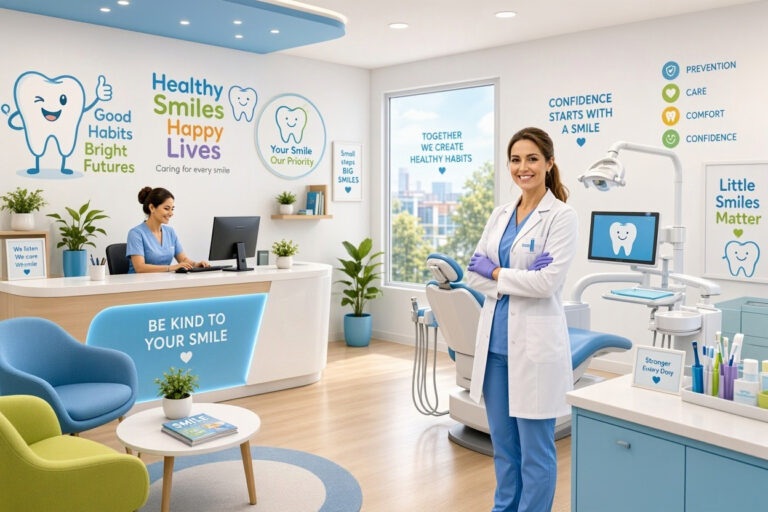
The aesthetic of a dental clinic is the overall look and feel of the space. It is the combination of colors, lighting, furniture, materials, and decor. It is also the intangible feeling you get when you walk in. Does the space feel calm? Professional? Playful? Clinical?
A strong aesthetic is consistent. Every element works together. The colors match the branding. The furniture fits the mood. The lighting supports the atmosphere. Nothing feels out of place.
“We redesigned our clinic with a spa-like aesthetic. Patients started arriving early just to sit in the waiting room. They said it felt like a retreat. That is the power of intentional design.” — Dr. Natalie Brooks, Cosmetic Dentist
Why the Aesthetic Matters
You might think patients only care about clinical outcomes. They do. But they also care about how they feel during the visit. A positive environment reduces anxiety. It improves satisfaction. It encourages patients to return and refer others.
First Impressions Are Formed Instantly
Patients judge your clinic within seconds. They notice the smell, the lighting, the cleanliness, and the colors. These impressions shape their trust. A beautiful, well-maintained clinic signals competence. A dated, cluttered clinic signals neglect.
Anxiety Reduction
Dental anxiety is real. Many patients dread visits. A calming aesthetic lowers stress. Soft colors, natural light, and comfortable furniture help patients relax. When patients relax, treatment is easier for everyone.
Brand Differentiation
Every clinic has a different aesthetic. Yours should reflect your brand. Are you a family-friendly practice? A luxury cosmetic clinic? A budget-friendly community office? Your aesthetic should communicate your values.
The Core Elements of a Dental Clinic Aesthetic
A strong aesthetic is built on several pillars. Let us explore each one.
1. Color Palette
Color is the most powerful design element. It sets the emotional tone of the space.
Calming Colors
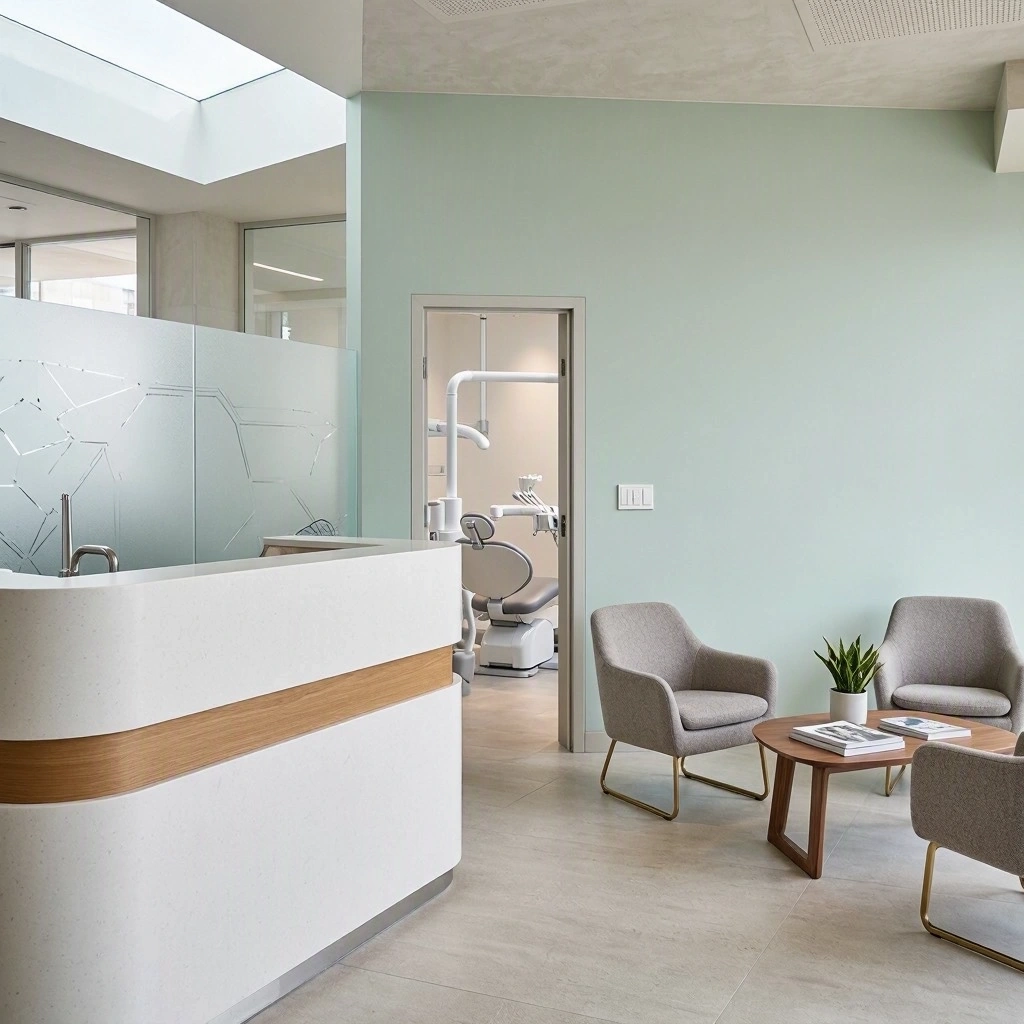
Soft blues, greens, and warm neutrals are popular choices. They evoke nature, calm, and cleanliness. Use them for walls, large furniture, and flooring.
Accent Colors
Add warmth and personality with accents. Warm yellows, peach, or soft coral work well. Use them sparingly on pillows, artwork, or reception desks.
Brand Colors
Incorporate your logo colors into the design. This creates a cohesive brand experience. Use brand colors on signage, brochures, and accent walls.
Colors to Avoid
- Bright red: Can feel aggressive or alarming.
- Dark colors: Can make small spaces feel cramped and gloomy.
- Harsh white: Feels clinical and cold.
| Color | Effect | Best Use |
|---|---|---|
| Soft blue | Calming, trustworthy | Walls, waiting room |
| Sage green | Natural, soothing | Accent walls, plants |
| Warm white | Clean, spacious | Main walls, ceilings |
| Soft gray | Modern, neutral | Furniture, flooring |
| Peach or coral | Warm, friendly | Accents, reception area |
| Deep navy | Professional, elegant | Accent walls, branding |
2. Lighting
Lighting transforms a space. Bad lighting makes even beautiful rooms feel harsh. Good lighting creates warmth and comfort.
Natural Light
Natural light is the best light. Large windows improve mood and reduce reliance on artificial lighting. Place treatment rooms along exterior walls with windows.
Layered Lighting
Do not rely on a single overhead light. Use layers:
- Ambient lighting: Ceiling fixtures for general illumination.
- Task lighting: Focused lights for specific areas.
- Accent lighting: Decorative lights for warmth and visual interest.
Warm LEDs
Choose LED bulbs with a warm color temperature (2700K–3000K). Avoid cool white bulbs, which feel clinical.
Dimmers
Install dimmers where possible. Adjustable lighting allows you to create different moods at different times of day.
3. Materials and Textures
Textures add depth and interest. They also affect how a space feels.
Natural Materials
Wood, stone, and plants bring warmth and connection to nature. Use wood accents on reception desks, shelves, or wall panels. Add potted plants for a touch of green.
Soft Textiles
Textiles soften hard surfaces. Consider upholstered seating in the waiting room. Use washable rugs in non-clinical areas. Avoid fabrics in treatment rooms where hygiene is critical.
Durable Surfaces
Dental clinics need surfaces that withstand frequent cleaning. Choose:
- Luxury vinyl plank (LVP): Looks like wood, easy to clean.
- Ceramic tile: Durable and hygienic.
- Solid surface countertops: Non-porous and easy to sanitize.
4. Furniture
Furniture should be comfortable, durable, and stylish.
Waiting Room Seating
Choose comfortable chairs or sofas. Avoid cheap plastic chairs. Opt for upholstery that is easy to clean. Provide a mix of seating types: individual chairs, loveseats, and child-sized seats.
Reception Desk
The reception desk is a focal point. It should look professional and welcoming. Consider a custom design with wood accents and soft lighting. Lower a section for children to see over.
Treatment Room Furniture
Treatment chairs are functional. But surrounding furniture matters too. Add a comfortable chair for parents. Provide a small stool for siblings. Use cabinets that hide clutter.
5. Art and Decor
Art adds personality. It should reflect your brand and your patients.
Waiting Room Art
Choose calming images: nature scenes, abstract art, or local photography. Avoid busy or aggressive images.
Pediatric Art
For pediatric clinics, use playful murals, colorful decals, and friendly characters. Keep it cleanable.
Branding Elements
Incorporate your logo and brand colors into decor. Use consistent signage throughout the clinic.
6. Plants and Greenery
Plants bring life to a space. They improve air quality and reduce stress.
Best Plants for Dental Clinics
- Snake plant: Low maintenance, air-purifying.
- ZZ plant: Thrives in low light.
- Pothos: Easy to care for, adds greenery.
- Fiddle leaf fig: Elegant, but requires more care.
Maintenance
Water plants regularly. Dust leaves. Replace dead plants promptly. Consider using high-quality artificial plants if maintenance is a concern.
Comparative Table: Aesthetic Styles for Dental Clinics
| Style | Key Elements | Best For | Maintenance |
|---|---|---|---|
| Modern Minimalist | Clean lines, neutral colors, minimal decor | General, cosmetic | Low |
| Spa-Inspired | Soft lighting, natural materials, calming colors | Wellness-focused practices | Medium |
| Warm Contemporary | Wood accents, soft textiles, warm lighting | Family practices | Medium |
| Playful Pediatric | Bright colors, murals, interactive decor | Pediatric clinics | Medium to high |
| Industrial Chic | Exposed brick, metal accents, warm wood | Urban practices | Low |
Sensory Design: Beyond Visuals
Aesthetic is not just visual. It is also what patients hear, smell, and feel.
Sound
- Soft music: Instrumental playlists reduce anxiety.
- Acoustic panels: Reduce echo and noise.
- Quiet equipment: Invest in quieter dental tools.
Smell
- Avoid strong fragrances: Some patients are sensitive.
- Natural scents: A subtle lavender or citrus diffuser can be calming.
- Clean air: Use HEPA filters to remove odors and allergens.
Touch
- Comfortable seating: Patients sit for extended periods.
- Soft blankets: Offer blankets in treatment rooms.
- Weighted lap pads: Helpful for anxious patients.
“We added a subtle lavender scent to our waiting room. Patients noticed immediately. They said it felt like a spa. It was a small change with a big impact.” — Dr. Sarah Patel, Pediatric Dentist
Important Notes for Readers
Note on Hygiene: Aesthetic choices must not compromise hygiene. Choose materials that are easy to clean and disinfect. Avoid porous surfaces in clinical areas.
Note on Budget: You do not need to spend a fortune. Focus on high-impact areas: the waiting room, reception desk, and treatment room ceilings.
Note on Consistency: Choose a style and stick with it. A cohesive aesthetic feels intentional. A mix of styles feels chaotic.
Note on Patient Feedback: Ask patients what they think. Their preferences can guide future updates.
Note on Branding: Your aesthetic should reflect your brand. If you are a luxury clinic, invest in premium materials. If you are a budget-friendly clinic, focus on clean and efficient design.
Conclusion
The dental clinic aesthetic is a strategic tool. It reduces anxiety, attracts patients, and builds brand loyalty. Focus on color, lighting, textures, and furniture. Create a cohesive style that reflects your values. When your clinic looks and feels beautiful, patients notice. And they remember.
Frequently Asked Questions (FAQ)
Q: What is the best color for a dental clinic?
A: Soft blues and greens are calming and trustworthy. Warm neutrals like cream and light gray also work well.
Q: How can I make my clinic look more modern without a full renovation?
A: Update lighting, add plants, change waiting room furniture, and paint accent walls. Small changes make a big impact.
Q: Are plants safe in a dental clinic?
A: Yes, but choose low-allergen plants and keep them out of clinical areas. Water them regularly and dust leaves.
Q: What kind of art should I hang in my dental clinic?
A: Calming images: nature scenes, abstract art, or local photography. For pediatric clinics, use playful murals and friendly characters.
Q: How do I balance aesthetics with infection control?
A: Choose materials that are easy to clean. Avoid porous surfaces in clinical areas. Keep decor minimal in treatment rooms.
Additional Resource:
For more design inspiration, visit the American Dental Association website.