Best Pain Relief After Dental Implants
Undergoing a dental implant procedure is a significant step toward restoring your smile and oral health. It is a surgical process, and like any surgery, it comes with a period of recovery. Feeling some discomfort afterward is completely normal. The good news is that you have many reliable options to manage that pain effectively.
This guide walks you through the best strategies for pain relief after dental implants. We will look at over-the-counter options, prescription medications, natural home remedies, and important lifestyle adjustments. Our goal is to help you recover with as little stress and pain as possible, so you can get back to your daily life.
Remember, everyone heals differently. What works perfectly for one person might feel different for another. The key is to start with the basics, follow your dentist’s advice, and know when to ask for help.
Understanding Post-Operative Pain: What Is Normal?
Before we talk about solutions, it helps to understand what is happening inside your mouth. A dental implant involves placing a titanium post into your jawbone. This post acts as a new tooth root. Your body needs time to accept this new structure.
In the first 24 to 72 hours after surgery, you will likely feel a mix of sensations. These include throbbing, aching, and tenderness in the gums and jaw. This is your body’s natural inflammatory response. Swelling is a sign that healing has begun.
You might also feel some discomfort in your cheeks, chin, or even your ears. This is called referred pain. The nerves in your jaw can send signals to nearby areas. It can be surprising, but it is usually nothing to worry about.
Important Note: Mild to moderate pain that improves day by day is normal. Severe pain that gets worse after the third day is not. If you notice a bad taste in your mouth, a fever, or worsening swelling, contact your dentist immediately. These could be signs of infection or dry socket, though dry socket is rare with implants.
Immediate Pain Management: The First 24 Hours
What you do in the first day after surgery has a huge impact on your comfort level. Your dental team will give you specific instructions. The following general guidelines are a good starting point.
The Role of Gauze and Gentle Pressure
Right after the procedure, your dentist will place gauze over the implant site. Bite down gently but firmly on this gauze. This pressure helps form a blood clot. That clot is essential for healing. It also protects the underlying bone and nerve endings.
Change the gauze as instructed, usually every 30 to 45 minutes. Once the bleeding slows to light oozing, you can remove the gauze.
Ice Packs Are Your Best Friend
One of the most effective pain relievers costs almost nothing. An ice pack reduces swelling, and less swelling means less pain. Apply an ice pack to the outside of your face, right over the implant area.
Follow this schedule:
- 15 minutes on
- 15 minutes off
Repeat this for the first six to eight hours after you get home. Do not apply ice directly to your skin. Wrap it in a thin cloth. After 24 hours, ice is less effective. At that point, you can switch to warm compresses to soothe muscle stiffness.
Rest and Head Elevation
Physical activity increases blood flow and blood pressure. This can cause more bleeding and throbbing at the surgical site. Plan to take it very easy for the first 24 hours.
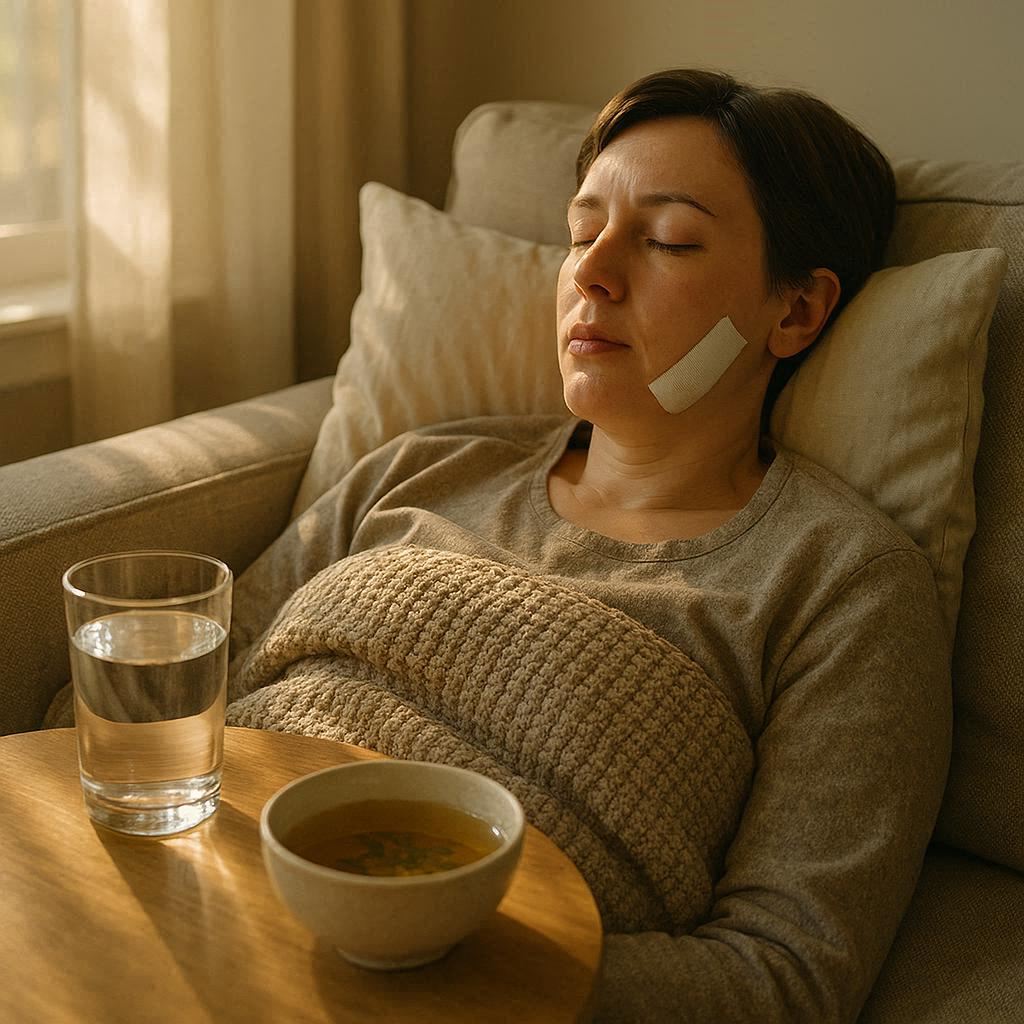
Keep your head elevated, even when you sleep. Use an extra pillow or two. This position uses gravity to reduce blood flow to your head and neck. Less blood flow means less swelling and less pain.
Best Over-the-Counter (OTC) Pain Relievers
For most people, over-the-counter medications are enough to manage dental implant pain. However, not all OTC pain relievers are the same. Some work better for inflammation, while others target pain signals in the brain.
Here is a breakdown of the two most common and effective options.
| Medication | Type | Best For | Typical Dosage (Adults) | Key Consideration |
|---|---|---|---|---|
| Ibuprofen (Advil, Motrin) | NSAID (Non-Steroidal Anti-Inflammatory) | Swelling, throbbing, bone pain | 400-600 mg every 6-8 hours | Take with food to protect your stomach. |
| Acetaminophen (Tylenol) | Analgesic (Pain reliever) | General aching, fever | 500-1000 mg every 6 hours | Hard on the liver. Do not drink alcohol. |
Many dentists recommend taking ibuprofen first. Because dental implant pain comes largely from inflammation, ibuprofen targets the root cause. It blocks the chemicals in your body that cause swelling and pain.
Pro Tip: For moderate pain, you can alternate between ibuprofen and acetaminophen. For example, take ibuprofen at 8:00 AM, then acetaminophen at 12:00 PM, then ibuprofen again at 4:00 PM. This gives you continuous coverage without exceeding the daily limit of either drug. Always check with your dentist before combining medications.
What About Aspirin?
It is best to avoid aspirin after oral surgery. Aspirin is a blood thinner. It can interfere with clot formation and increase bleeding. This can delay healing and lead to more pain in the long run.
Prescription Pain Medications: When OTC Is Not Enough
Some implant surgeries are more complex. For example, if you needed a bone graft or sinus lift, your pain may be more intense. In these cases, your dentist might prescribe a stronger medication.
Opioids: Effective but Use With Caution
Drugs like hydrocodone (Vicodin) or codeine (Tylenol #3) are powerful painkillers. They work by changing how your brain perceives pain. They are very effective for severe pain, but they come with side effects.
Common side effects include:
- Drowsiness and dizziness
- Nausea and vomiting
- Constipation (very common)
More importantly, opioids are habit-forming. Only take them exactly as prescribed. Use them for the shortest time possible, usually no more than two to three days.
Safety reminder: Do not drive or operate machinery while taking prescription pain medication. Do not drink alcohol. If you have a personal or family history of substance abuse, talk to your dentist about non-opioid alternatives.
Non-Opioid Prescriptions
Many dentists now prescribe non-steroidal anti-inflammatory drugs (NSAIDs) at prescription strength. This might be a higher dose of ibuprofen (600-800 mg) or a drug like celecoxib (Celebrex). These provide strong pain relief without the addiction risks of opioids.
Natural and Home Remedies for Pain Relief
Medication is often necessary, but you can also use natural methods to support your recovery. These home remedies reduce your reliance on pills and often have no side effects.
Salt Water Rinses (After 24 Hours)
Do not rinse your mouth on the day of surgery. You might dislodge the blood clot. Starting 24 hours after your procedure, you can begin gentle rinses.
Mix one teaspoon of salt in a cup of warm water. Let the water dissolve the salt completely. Gently swish the solution in your mouth, letting it flow over the implant site. Do not spit forcefully. Instead, let the water fall out of your mouth into the sink.
Why salt water? It is a natural disinfectant. It reduces bacteria, calms inflamed tissues, and helps keep the surgical site clean. Do this two to three times a day.
Clove Oil: An Ancient Remedy
Clove oil contains eugenol, a natural anesthetic. It has been used for tooth pain for centuries. You can find it in most health food stores or pharmacies.
How to use it safely:
- Dip a cotton swab or a clean finger into a carrier oil like coconut or olive oil.
- Add one single drop of clove oil to the carrier oil. (Pure clove oil is too strong and can burn your gums.)
- Gently dab this diluted mixture on the gums next to the implant site. Do not put it directly into the surgical opening.
- Use it once or twice a day, as needed.
Cold and Warm Compresses (Revisited)
We talked about ice for the first 24 hours. After day two, you can switch to warm compresses. Heat increases blood circulation. This helps remove waste products from the healing tissues and brings fresh oxygen and nutrients.
Use a warm (not hot) damp cloth. Place it on your cheek for 15 minutes at a time. This is especially soothing if you have jaw muscle soreness from keeping your mouth open during surgery.
Chamomile Tea Bags
Chamomile has mild anti-inflammatory and calming properties. Steep a chamomile tea bag in hot water for a few minutes. Remove the tea bag and let it cool until it is warm, not hot. Place the warm, damp tea bag against your outer cheek. You can also hold a cooled tea bag gently inside your mouth against the gum, but be very careful not to apply pressure to the implant.
Foods and Drinks That Help Manage Pain
What you eat directly affects how you feel. Soft, cool, and nutrient-rich foods can reduce pain. Hard, hot, or spicy foods can make it worse.
The Best Foods for Recovery
| Food Category | Examples | Why It Helps |
|---|---|---|
| Cold and Soft | Yogurt, pudding, applesauce, smoothies | Cold temperature numbs pain; no chewing needed. |
| Protein-Rich | Scrambled eggs, cottage cheese, protein shakes | Protein builds and repairs tissue. |
| Nutrient-Dense | Mashed avocado, pureed vegetable soups (cooled), well-cooked oatmeal | Vitamins and minerals support immune function. |
Foods to Avoid
- Crunchy foods: Chips, nuts, popcorn, and hard bread can poke the surgical site.
- Hot foods and drinks: Heat increases blood flow and can restart bleeding or increase throbbing.
- Spicy foods: Capsaicin in peppers can irritate the wound.
- Sticky foods: Caramel or taffy can pull on stitches.
- Alcohol: Alcohol dehydrates you and interferes with medications and blood clotting.
- Through a straw: The suction action can dislodge the blood clot. This leads to a painful condition called dry socket. Avoid straws for at least one week.
Hydration Is Pain Management
Dehydration makes pain feel worse. When you are dry, your tissues are less elastic and more sensitive. Drink plenty of cool water. Sip it slowly from a glass or a cup. Staying hydrated also helps prevent constipation, which is a common side effect of prescription pain medication.
Managing Swelling to Reduce Pain
Swelling and pain are partners. If you reduce one, you usually reduce the other. Swelling typically peaks around 48 hours after surgery. Then, it slowly goes down.
Here is a simple timeline and action plan.
Day 1 (Day of Surgery):
- Ice packs continuously (15 on, 15 off).
- Sleep with head elevated.
Day 2:
- Continue ice packs in the morning.
- Switch to warm compresses in the afternoon or evening.
Day 3 and Beyond:
- Use warm compresses as needed for stiffness.
- Gentle salt water rinses to reduce gum inflammation.
If swelling gets worse after day three, or if it spreads to your eye or neck, call your dentist immediately. This is not normal.
Sleep Strategies for Pain-Free Nights
Nighttime can be the hardest part of recovery. When you lie down flat, blood rushes to your head. This increases pressure in your jaws and can wake you up with throbbing pain.
The Pillow Fortress Method
Create a comfortable, inclined sleeping position. Use two or three pillows behind your back and head. You want your upper body to be at a 30- to 45-degree angle.
You can also place a pillow under your knees. This takes pressure off your lower back and stops you from sliding down during the night.
Sleep on the Opposite Side
If your implant is on the left side of your mouth, sleep on your right side. This prevents you from accidentally pressing your face into the pillow. If you have implants on both sides, try to sleep on your back.
Pre-Sleep Medication Timing
Take your pain medication about 30 to 45 minutes before you plan to go to bed. This allows the drug to reach peak effectiveness just as you are trying to fall asleep. Set an alarm for four to five hours later if you need a middle-of-the-night dose to stay ahead of the pain.
What to Avoid for the First Week
Some activities seem harmless but can sabotage your pain relief efforts. Avoiding these things is just as important as taking your medication.
Do Not Spit or Rinse Forcefully
After you brush your teeth, let the toothpaste foam dribble out. Do not spit like you normally would. The suction and pressure can pull out the blood clot. The same goes for rinsing. Be gentle.
Do Not Smoke or Use Vapes
Tobacco and nicotine are terrible for healing. They constrict blood vessels. This means less oxygen reaches the surgical site. Without oxygen, tissues heal slowly, and the risk of infection goes up dramatically. Smokers report significantly higher pain levels after dental surgery. If you can, use this recovery period as a reason to quit. At the very least, do not smoke for 72 hours. A week is even better.
Do Not Skip Meals
Pain medication on an empty stomach can cause nausea. Low blood sugar from not eating can make you feel shaky, weak, and more sensitive to pain. Even if you do not feel hungry, eat small amounts of soft food. A few spoonfuls of yogurt or a smoothie can make a big difference.
Do Not Over-Communicate
Talking moves your jaw. Your jaw muscles are connected to the surgical area. In the first two days, try to keep conversations short. Use texts or notes if you need to communicate complex ideas. Give your jaw muscles a rest.
How to Manage Pain Without Medication (Distraction Techniques)
Your brain has a limited capacity for attention. If you focus entirely on the sensation in your mouth, the pain will seem much worse. Distraction is a legitimate pain management tool.
Low-Effort Entertainment
Plan your entertainment before your surgery. Have these things ready:
- A new audiobook or podcast series
- A binge-worthy TV show (comedies are best, as laughing releases endorphins)
- A puzzle or coloring book (low concentration required)
- A playlist of calm, familiar music
Avoid anything stressful. Do not watch the news or check work emails. Stress raises cortisol levels, which increases inflammation and pain.
Deep Breathing Exercises
When you feel a spike of pain, take ten slow, deep breaths. Inhale for four seconds, hold for four seconds, exhale for six seconds. Deep breathing activates your parasympathetic nervous system. This is the “rest and digest” mode. It lowers your heart rate and relaxes your muscles.
When to Call Your Dentist: Red Flags
Pain relief is about managing normal discomfort. But sometimes, pain is a warning sign. Do not try to tough out the following symptoms.
| Symptom | What It Could Mean | Action |
|---|---|---|
| Pain that worsens after day 3 | Infection or nerve irritation | Call your dentist today. |
| Fever over 101°F (38.3°C) | Systemic infection | Seek medical advice. |
| Swelling that spreads to eye or neck | Deep space infection | Emergency dental or ER visit. |
| Persistent bleeding (bright red blood) after 24 hours | Clot disruption or bleeding disorder | Apply gauze and call your dentist. |
| Numbness in lip, chin, or tongue that lasts beyond anesthetic | Nerve injury (usually temporary) | Report it to your dentist. |
| Bad taste or foul odor from the site | Infection or debris | Schedule a follow-up. |
Quote from a general dentist: “I tell all my implant patients the same thing: ‘It is never a bother to call me. I would rather hear about a false alarm than treat a preventable infection.’ Never hesitate to reach out.”
Day-by-Day Pain Relief Guide
To make this easier, here is a realistic timeline of what to expect and what to do.
Day 0 (Surgery Day)
- Pain level: Moderate to high (anesthetic is wearing off)
- Action: Take first dose of ibuprofen before numbing wears off. Use ice packs. Rest. Eat only cold, soft foods.
- Avoid: Rinsing, spitting, straws, hot food.
Day 1
- Pain level: High (peak swelling begins)
- Action: Continue ice packs. Stay on top of your medication schedule. Sleep elevated. Hydrate.
- Avoid: Chewing on the surgical side.
Day 2
- Pain level: High, but swelling peaks today
- Action: Switch to warm compresses. Begin gentle salt water rinses. Eat scrambled eggs or mashed potatoes.
- Avoid: Heavy lifting or bending over.
Day 3
- Pain level: Moderate (noticeably better than day 1-2)
- Action: You may start reducing medication frequency. Try alternating ibuprofen and acetaminophen only as needed.
- Avoid: Crunchy foods.
Days 4 to 7
- Pain level: Mild to occasional
- Action: Most people stop regular pain medication by day 5. Use warm compresses for residual jaw stiffness.
- Avoid: Straws (continue for full 7 days).
Week 2
- Pain level: Minimal or none
- Action: Resume normal oral hygiene with care around the implant. You can eat most soft solid foods.
- Avoid: Biting directly into hard foods (apples, crusty bread) near the implant.
Pain Relief for Special Situations
Not everyone fits the standard recovery mold. Here are adjustments for specific health conditions.
If You Have Liver Disease
Acetaminophen (Tylenol) is processed by the liver. If you have liver issues, avoid it or use very low doses only under medical supervision. Ibuprofen is a safer choice, but still check with your doctor.
If You Have Kidney Disease or Stomach Ulcers
NSAIDs like ibuprofen can be hard on the kidneys and stomach lining. For these patients, acetaminophen is the preferred OTC pain reliever. Your dentist may also prescribe a COX-2 inhibitor like celecoxib, which is gentler on the stomach.
If You Are Taking Blood Thinners
Many people take warfarin, apixaban (Eliquis), or clopidogrel (Plavix) for heart health. Do not stop these medications without talking to your prescribing doctor. However, you should also avoid adding other blood thinners like aspirin or ibuprofen. Acetaminophen is generally safe. Your dentist needs a full list of your medications before surgery.
If You Are Pregnant or Breastfeeding
Always inform your dentist. For pregnant women, acetaminophen is considered the safest option for pain relief, though it should be used at the lowest effective dose. NSAIDs are usually avoided in the third trimester. For breastfeeding mothers, both ibuprofen and acetaminophen are generally compatible with breastfeeding. Talk to your OB-GYN or pediatrician for personalized advice.
The Psychological Side of Pain
Pain is not just a physical sensation. Your emotions play a huge role in how much you suffer. Anxiety, fear, and frustration can turn a 4 out of 10 pain into a 7 out of 10 pain.
Set Realistic Expectations
Many people expect dental implant recovery to be painless because they have seen social media posts of people eating steak the next day. That is not reality for most people. Accept that you will have two or three uncomfortable days. This acceptance actually reduces anxiety. When you expect discomfort, a little pain does not frighten you.
Celebrate Small Wins
Did you make it through the night without waking up? That is a win. Did you eat a full bowl of soup? That is progress. Acknowledge these small victories. They keep your mood positive, and a positive mood is a natural pain reliever.
Summary Table: Pain Relief Methods at a Glance
| Method | Best Time to Use | Effectiveness | Speed of Relief |
|---|---|---|---|
| Ice packs | First 24 hours | High (reduces swelling) | Fast (within minutes) |
| Ibuprofen (OTC) | Days 1-3 | High | 30-60 minutes |
| Acetaminophen | Days 1-7 | Moderate to High | 30-60 minutes |
| Prescription opioids | Days 1-2 (severe pain only) | Very High | 20-40 minutes |
| Salt water rinse | After day 1 | Low (indirect, reduces inflammation) | Slow |
| Warm compresses | Day 2 onward | Moderate (soothes muscle) | Fast |
| Head elevation | Nighttime | Moderate (prevents pressure) | Slow (preventative) |
| Soft food diet | Days 0-7 | Moderate (avoids irritation) | Preventative |
Additional Resource: Free Recovery Tracker
To help you stay on top of your pain levels, medication times, and swelling, we have created a simple tool.
[Link: Download your free Dental Implant Recovery Tracker (PDF)]
*This printable one-page sheet includes a medication log, a daily pain scale from 0-10, and a checklist of red flag symptoms. Keep it on your fridge for easy reference.*
Conclusion
Managing pain after dental implants comes down to three core actions. First, stay ahead of the pain by taking your medication on a schedule, not just when it hurts. Second, reduce swelling with ice, rest, and head elevation. Third, listen to your body and avoid anything that disrupts the blood clot, like straws or spitting. Most people find that the worst discomfort passes within 72 hours, and by day five, they feel dramatically better. Always follow your dentist’s specific instructions, and never hesitate to call their office if something feels wrong.
Frequently Asked Questions (FAQ)
1. How long does pain last after dental implants?
Mild to moderate pain typically lasts 3 to 5 days. The most intense discomfort is usually in the first 48 hours. By the end of the first week, most patients feel only occasional soreness. Complete tissue healing takes several months, but the sharp surgical pain resolves quickly.
2. Can I use a heating pad on my face?
Yes, but only after the first 24 hours. Heat increases blood flow. In the first day, this can worsen bleeding and swelling. After day two, a warm compress (not a high-heat heating pad) can soothe jaw muscle tension. Never fall asleep with a heating pad on your face.
3. Is it normal to have ear pain after a dental implant?
Yes. The nerves in your lower jaw connect to your ear. Lower implant surgery often causes referred pain that feels like an earache. This usually fades as the surgical site heals. If ear pain is severe or accompanied by hearing loss, see your dentist to rule out other causes.
4. What if I accidentally sneeze or cough?
Do not panic. Sneezing and coughing create pressure, but a single sneeze is unlikely to dislodge a blood clot. Try to sneeze with your mouth open to release pressure. If you feel a sharp pain after sneezing, rest for a few minutes. If bleeding starts, apply gentle pressure with clean gauze.
5. Can I drink coffee after dental implant surgery?
It is best to avoid coffee for the first 48 hours. Coffee is hot, which can increase bleeding. It is also a diuretic, which dehydrates you. If you must have coffee, let it cool to room temperature and drink it slowly from a cup (no straw). Limit yourself to one small cup.
6. When can I brush my teeth normally?
You can brush your teeth the night of surgery, but avoid the surgical site. For the first week, use a soft-bristled toothbrush. Do not spit; let the toothpaste run out. Around day 7 to 10, you can gently brush the implant area. Your dentist will tell you when you can resume normal brushing.
7. Why does my pain get worse at night?
Blood pressure naturally changes with your circadian rhythm. Lying flat increases blood flow to your head. Also, there are fewer distractions at night, so you notice the pain more. Sleeping with your head elevated and taking medication before bed are the best solutions.
Disclaimer
This article is for informational purposes only and does not constitute medical or dental advice. Every person’s health situation is unique. The recommendations in this article are general guidelines based on common practices. You should always follow the specific post-operative instructions provided by your own dentist or oral surgeon. Never change your medication regimen or dosage without consulting a qualified healthcare professional. If you experience severe pain, excessive bleeding, signs of infection, or any concerning symptoms, contact your dental provider immediately or seek emergency medical care. The author and publisher of this article are not responsible for any adverse effects or consequences resulting from the use of any information presented here.