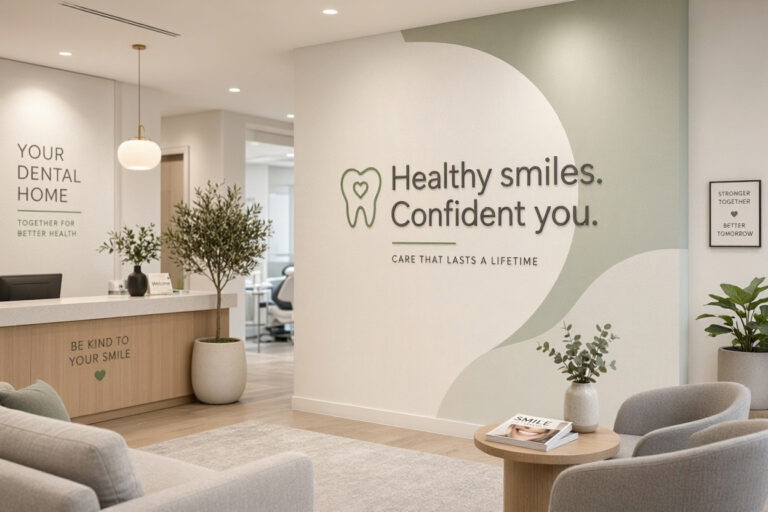
Black and White Dental Office: A Timeless Design Guide for Modern Practices
Black and white design never goes out of style. In a dental office, this classic pairing creates a clean, modern, and professional atmosphere. It also offers incredible flexibility. You can add pops of color, natural textures, or metallic accents without losing the crisp foundation. This guide explains how to plan, execute, and maintain a black and white dental office that impresses patients and stands the test of time.
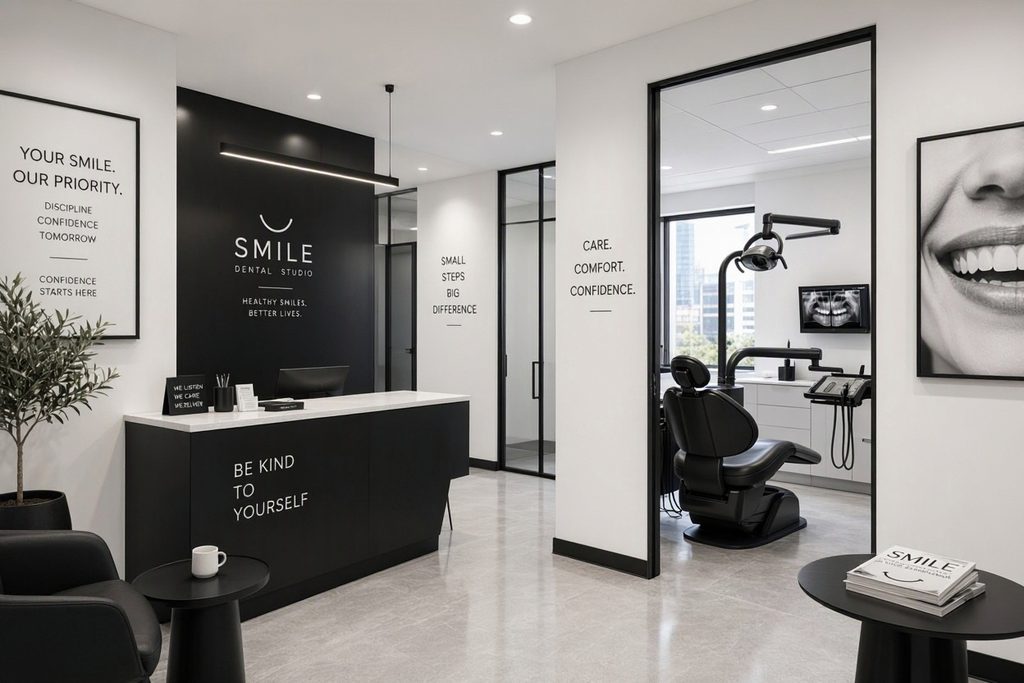
Why Choose a Black and White Dental Office?
Black and white is more than a color scheme. It is a design philosophy. The contrast creates visual clarity, and the simplicity reduces visual noise. For patients, that calm, uncluttered feel can ease anxiety.
The scheme also signals professionalism. Think of high-end spas, luxury hotels, and modern galleries. They use black and white because it feels polished and intentional. A dental practice can borrow that same effect.
“Black and white is the ultimate neutral. It lets your brand, your team, and your patients be the color in the room.” — Interior Designer, Commercial Spaces
Key Benefits of a Monochrome Palette
- Timeless appeal: Does not date like trendy colors do.
- Clean appearance: Hides clutter and feels hygienic.
- Easy to update: Change accent colors or art without repainting.
- Professional image: Signals quality and attention to detail.
- Versatile: Works for pediatric, cosmetic, and general practices.
Getting the Balance Right
Too much black feels heavy and oppressive. Too much white feels sterile and cold. The secret is balance.
The 60-30-10 Rule
Use this classic design ratio to keep your space balanced.
- 60% dominant color: Usually white or soft off-white for walls and ceilings.
- 30% secondary color: Black used in furniture, cabinetry, or accent walls.
- 10% accent color: A third color like sage green, teal, or warm wood.
Comparison Table: Black vs. White Placement
| Element | Suggested Color | Reason |
|---|---|---|
| Walls | White or off-white | Keeps space bright and open |
| Ceiling | White | Reflects light, feels taller |
| Flooring | Light gray or white | Maintains airy feel |
| Reception desk | Black or dark gray | Creates a focal point |
| Cabinetry | White with black hardware | Clean, modern contrast |
| Accent wall | Black or charcoal | Adds depth and drama |
| Trim and moldings | Black or white | Defines edges sharply |
Important Note: Pure black (#000000) and pure white (#FFFFFF) can feel harsh. Consider soft black (charcoal) and warm white (ivory or cream) for a more inviting look.
Choosing the Right Shades
Not all blacks and whites are equal. Understanding undertones helps you avoid clashes.
Whites to Consider
- Warm white: Creamy, inviting, works with wood tones.
- Cool white: Crisp, modern, works with gray and blue accents.
- Off-white: Soft, forgiving, hides scuffs better than pure white.
Blacks to Consider
- Charcoal: Softer than pure black, easier on the eyes.
- Matte black: Modern and sophisticated, hides fingerprints well.
- Gloss black: Reflective and dramatic, but shows smudges.
Tip: Test paint samples under your office lighting. A white that looks perfect in the store may look yellow or blue in your space.
Flooring Options for a Black and White Office
Flooring sets the foundation. Choose materials that are durable, easy to clean, and consistent with the monochrome palette.
Popular Choices
- White or light gray tile: Easy to clean, reflects light, feels spacious.
- Polished concrete: Modern and industrial, available in gray tones.
- Luxury vinyl plank (LVP): Warm wood-look in light gray or whitewashed tones.
- Black and white checkerboard tile: Classic, bold, and memorable.
- Carpet tiles in gray: Adds warmth and absorbs sound in waiting areas.
Comparison Table: Flooring Options
| Flooring | Cost | Durability | Maintenance | Best Rooms |
|---|---|---|---|---|
| Porcelain tile | Medium | High | Easy | Treatment rooms, reception |
| Polished concrete | Medium | Very High | Low | Waiting rooms, hallways |
| LVP | Low to Medium | High | Easy | All areas |
| Checkerboard tile | Medium | High | Easy | Reception, kids’ area |
| Carpet tiles | Low | Medium | Moderate | Waiting room only |
Furniture and Fixtures
Furniture reinforces the palette. Choose pieces that feel intentional and comfortable.
Reception Area
- Black reception desk with white countertop or vice versa.
- White or gray waiting chairs with black metal frames.
- Black side tables with white lamps.
- A large black and white photograph or abstract artwork.
Treatment Rooms
- White cabinetry with matte black handles.
- Black dental chairs (available from most manufacturers).
- White walls with a single black accent strip.
- Gray or white flooring for a seamless look.
Hallways
- Black and white framed photos in a gallery wall.
- White walls with black baseboards.
- Black door handles and fixtures.
Lighting in a Black and White Space
Lighting is critical in monochrome design. Without proper light, black absorbs warmth and white looks flat.
Lighting Tips
- Layer your lighting: Combine ambient, task, and accent lights.
- Use warm bulbs (2700K–3000K) to soften the contrast.
- Add statement fixtures: A black pendant light over the reception desk.
- Highlight artwork: Use picture lights on black and white pieces.
- Avoid harsh overhead fluorescents that make white walls glare.
Important Note: Black surfaces absorb light. You may need more fixtures than in a colorful room to achieve the same brightness.
Adding Warmth Without Breaking the Palette
A pure black and white room can feel cold. Add warmth through texture and natural materials.
Warmth-Boosting Ideas
- Wood accents: Light oak or walnut furniture, wooden frames.
- Plants: Green plants add life and color without disrupting the palette.
- Textiles: Soft throws, textured rugs, upholstered chairs.
- Metallic touches: Brass or gold hardware, warm bronze light fixtures.
- Art: Black and white photography with warm sepia tones.
Tip: One or two plants in the waiting room can transform a stark space into a welcoming one.
Black and White for Pediatric Offices
Children respond well to high contrast, but a purely black and white office may feel too serious. Add playful elements.
Pediatric-Friendly Ideas
- Black and white striped walls with colorful decals.
- Checkerboard floors in the kids’ area.
- Chalkboard walls for drawing.
- Black and white cartoon characters with colorful accents.
- Bright colored seating to break up the monochrome.
Important Note: Keep the overall palette consistent. Add color in small doses rather than repainting whole rooms.
Budgeting for a Black and White Office
A monochrome design can be budget-friendly because it relies on neutral, widely available materials.
| Project | Typical Cost | Notes |
|---|---|---|
| Paint (whole office) | $2,000 – $6,000 | Professional labor included |
| Accent wall (black) | $200 – $600 | Single wall |
| Reception desk | $1,500 – $5,000 | Custom or semi-custom |
| Flooring (per sq ft) | $3 – $12 | Varies by material |
| Artwork and frames | $300 – $1,500 | Mix of prints and photos |
| Lighting fixtures | $500 – $3,000 | Statement pieces |
Note: Prioritize high-impact areas first: reception, waiting room, and treatment rooms patients see most.
Maintenance and Longevity
Black and white shows dirt and scuffs differently than other palettes. Plan for maintenance.
- White walls: Use washable paint and touch up scuffs monthly.
- Black surfaces: Matte finishes hide fingerprints better than gloss.
- Floors: Sweep daily and mop weekly in high-traffic areas.
- Artwork: Dust frames monthly and check for fading.
Important Note: In treatment rooms, choose wipeable surfaces. White walls near sinks may need scrubbable paint.
Common Mistakes to Avoid
- Using pure black and pure white everywhere: Feels harsh and clinical.
- Skipping texture: A flat, monochrome room looks lifeless.
- Ignoring lighting: Dark corners ruin the effect.
- Overdoing black: Too much black makes rooms feel small and heavy.
- Forgetting the human touch: Add plants, art, and warm materials.
Frequently Asked Questions
Is a black and white dental office too cold for patients?
Not if you balance it with texture, warm lighting, wood accents, and plants. The goal is contrast, not starkness.
What accent colors work best with black and white?
Sage green, teal, warm wood tones, and soft gold or brass work beautifully. Keep accents to about 10% of the palette.
How do I keep white walls clean in a dental office?
Use washable or scrubbable paint. Wipe scuffs monthly and keep a touch-up kit on hand.
Can I use black and white in a pediatric dental office?
Yes. Add playful decals, colorful seating, and chalkboard walls to keep the space fun and child-friendly.
What flooring works best in a black and white office?
Light gray or white tile, polished concrete, or luxury vinyl plank work well. Checkerboard tile adds a classic touch.
Additional Resource
For monochrome design inspiration and palette tools, visit Behr Color Studio for visualizer tools and designer-curated palettes.
Conclusion
A black and white dental office is timeless, professional, and easy to adapt. Balance the palette with the 60-30-10 rule, add warmth through texture and lighting, and keep maintenance simple. With careful planning, your monochrome space will feel modern and welcoming for years to come.