Calcitek Dental Implants: A Complete Guide for Patients and Professionals
If you have been researching tooth replacement options, you have probably come across many brand names. One name that shows up in dental forums and historical clinical studies is Calcitek. But what exactly are Calcitek dental implants? Are they still used today? And are they a good choice for your smile?
This guide answers all those questions. We will look at the origins of the company, the technology behind the implants, their current availability, and how they compare to other systems. We will also share honest clinical perspectives and practical advice for patients who may already have these implants or are considering them.
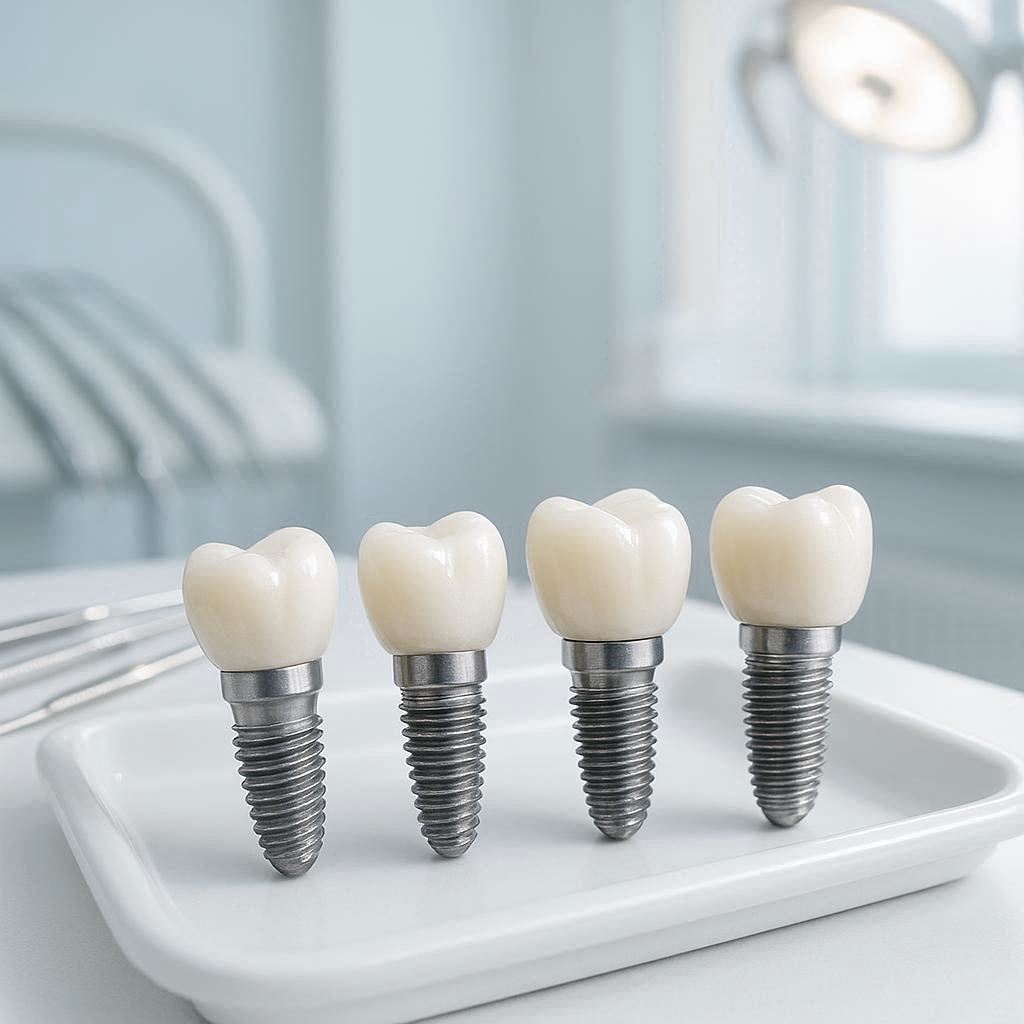
What Are Calcitek Dental Implants?
Calcitek was a brand of dental implants known primarily in the 1980s and 1990s. The company was based in California and gained attention for its innovative use of a specific material: hydroxyapatite (HA) .
Unlike traditional titanium implants with machined or rough surfaces, Calcitek developed a plasma-sprayed hydroxyapatite coating. This coating was designed to bond directly with bone, a process called osseointegration. The idea was simple but powerful: make the implant surface more biologically active so bone cells attach faster and more securely.
Important note: Calcitek as an independent company no longer exists. The brand was acquired and eventually absorbed into larger dental implant manufacturers. However, many patients still have Calcitek implants placed years ago, and some components may still be available through legacy suppliers.
The Core Technology: HA Coating
Hydroxyapatite is a calcium phosphate material that naturally occurs in human bone and teeth. By coating a titanium implant with HA, Calcitek aimed to mimic the body’s own mineral composition.
Benefits of HA coating include:
- Faster bone attachment compared to machined titanium.
- Potential for a stronger bone-implant interface.
- Reduced healing time in ideal conditions.
However, HA coatings also have known long-term risks, which we will discuss later.
A Brief History of Calcitek Implants
To understand where Calcitek stands today, it helps to look at the timeline.
| Year | Event |
|---|---|
| 1980s | Calcitek Inc. founded in Carlsbad, California. |
| 1984 | Received FDA clearance for HA-coated dental implants. |
| Late 1980s | Popularity grows due to high early success rates. |
| 1990s | Competitors introduce roughened titanium surfaces (SLA, Osseotite). |
| Late 1990s | Calcitek faces market pressure and ownership changes. |
| 2000s | Brand gradually phased out; acquired by Centerpulse, then Zimmer Dental. |
| Present | Calcitek implants are considered legacy devices. |
Many dentists who trained in the 1990s remember Calcitek as a pioneer. But like many early innovators, the company struggled as implant technology evolved rapidly.
Are Calcitek Implants Still Available?
The short answer is: not as a mainstream product.
If you contact a major dental distributor today, they will not sell you a new Calcitek implant. The brand has been discontinued for over a decade. However, there are two important exceptions:
- Existing patients with Calcitek implants can sometimes find compatible abutments and screws through specialized legacy parts suppliers.
- Very limited old stock may exist in some dental offices, but reputable surgeons rarely use expired or discontinued implant systems due to liability and lack of support.
What If You Already Have Calcitek Implants?
Do not panic. Many patients are walking around with Calcitek implants that have functioned well for 20+ years. If your implants are healthy and pain-free, there is no need to remove them.
But you should be aware of potential challenges:
- Finding replacement parts (abutments, screws, healing caps) is difficult.
- Not all dentists carry compatible tools.
- If an implant fails or fractures, removal may be more complex than with modern systems.
Pro tip: If you have Calcitek implants, ask your dentist to document the exact model, size, and platform. Keep a copy of your implant record. This saves time if you ever need repairs.
Clinical Performance: What the Research Says
Several independent studies evaluated Calcitek HA-coated implants in the 1990s and early 2000s. Overall, short-term results (1–5 years) were good to excellent. Some studies reported success rates above 95% in the mandible (lower jaw).
However, longer-term follow-up (10+ years) revealed some concerns.
| Study Duration | Success Rate | Main Observations |
|---|---|---|
| 1–3 years | 94–97% | Excellent bone bonding, low early failure. |
| 5–8 years | 88–92% | Some coating degradation noted. |
| 10–15 years | 75–85% | Increased risk of coating loss and peri-implantitis. |
The most common long-term issue was HA coating delamination. Over time, the hydroxyapatite layer could separate from the titanium core. This created rough gaps where bacteria accumulated, leading to bone loss and inflammation.
Common Complications
- Peri-implantitis: Infection and bone loss around the implant.
- Coating resorption: The HA layer slowly dissolves or chips off.
- Fracture: Rare, but possible with older narrow-diameter implants.
- Screw loosening: More frequent than with modern conical connections.
That said, many Calcitek implants have survived 20+ years without any problems. A lot depends on the patient’s oral hygiene, regular maintenance, and original bone quality.
Calcitek vs. Modern Dental Implants
To help you understand how Calcitek compares to current options, here is a side-by-side table.
| Feature | Calcitek (HA-coated) | Modern Implant (e.g., Straumann, Nobel Biocare, Zimmer Biomet) |
|---|---|---|
| Surface technology | Plasma-sprayed HA | SLA, Osseotite, TiUnite, SLActive, etc. |
| Material | Titanium + HA coating | Titanium (Grade 4 or 5) or ceramic |
| Connection type | External hex (mostly) | Internal conical or internal hex |
| Long-term stability | Good but variable | Excellent and predictable |
| Parts availability | Very limited | Widely available |
| Scientific evidence | Mixed after 10+ years | Strong evidence up to 20+ years |
| Cost for new implants | N/A (discontinued) | $1,500–$3,000 per implant (before crown) |
Modern implants have largely abandoned HA coatings in favor of roughened or hydrophilic titanium surfaces. These surfaces promote bone attachment without the risk of delamination.
Note: Some manufacturers still offer HA-coated implants for specific indications (e.g., immediate placement in poor bone), but they are not mainstream. Calcitek’s original formulation is no longer produced.
Should You Choose Calcitek Implants Today?
No. As a new patient, you cannot and should not choose Calcitek implants. They are discontinued. Any dentist offering them is likely using old stock, which is unwise for several reasons:
- Lack of manufacturer warranty.
- No technical support for complications.
- Unknown sterility and shelf-life degradation.
- Difficulty finding future replacement parts.
Instead, focus on modern systems from reputable companies like:
- Straumann (Switzerland)
- Nobel Biocare (Sweden/USA)
- Dentsply Sirona (USA/Germany)
- Zimmer Biomet (USA)
- BioHorizons (USA)
- MegaGen (South Korea)
These brands offer documented long-term success, readily available components, and strong warranties.
What If a Dentist Recommends Removing Your Calcitek Implants?
This is a realistic scenario. A new dentist sees an old HA-coated implant, worries about coating loss, and suggests removal. Should you agree?
It depends.
Signs Your Calcitek Implant May Need Removal
- Visible bone loss on X-rays (more than 1/2 of implant length).
- Bleeding or pus around the implant.
- The implant feels loose.
- You have chronic bad taste or odor from that area.
- Coating fragments seen on radiographs (rare but possible).
Signs You Can Keep It
- No pain or swelling.
- Healthy pink gum tissue without bleeding.
- Stable X-rays showing no progressive bone loss.
- Implant functions well for chewing.
Recommendation: Seek a second opinion from a prosthodontist or a periodontist who specializes in implant complications. Do not rush into removal unless infection is uncontrolled or the implant is mobile.
Cost Considerations for Calcitek Implant Patients
If you already have Calcitek implants, your costs will depend on whether you need maintenance, repair, or replacement.
| Service | Estimated Cost (USD) |
|---|---|
| Routine check-up + X-ray | $100–$300 |
| Replacement abutment (if found) | $150–$400 |
| Custom abutment fabrication | $400–$800 |
| Removal of failed Calcitek implant | $500–$1,500 |
| New modern implant + crown | $3,000–$6,000 total |
The most expensive scenario is removing a failed Calcitek implant and replacing it with a modern one. Bone grafting may be necessary, adding $500–$2,000 to the total.
Money-saving tip: If your Calcitek implant is failing but the crown is still good, a dentist might convert the crown to fit a new implant. This is not always possible, but it can save you $1,000–$2,000.
How to Maintain Aging Calcitek Implants
If you have healthy Calcitek implants, good maintenance can add years of service. Follow these guidelines.
Daily Home Care Checklist
- Brush twice a day with a soft-bristle toothbrush.
- Use a water flosser (e.g., Waterpik) on low pressure around the implant.
- Floss with implant-specific floss or superfloss.
- Avoid smoking – it dramatically increases peri-implantitis risk.
- Use a non-abrasive toothpaste (no baking soda or charcoal).
Professional Maintenance
- See your dentist every 6 months for implant evaluation.
- Ask for peri-implant probing (gentle measurement of gum pockets).
- Request annual X-rays to compare bone levels over time.
- Consider a plastic or titanium scaler for hygiene visits – metal scalers can scratch HA coating.
Red Flags to Watch For
- Bleeding when brushing around the implant.
- Receding gums exposing the implant surface.
- Clicking or movement when chewing.
- The crown feels loose.
Do not ignore these signs. Early intervention can sometimes save a failing implant.
Legal and Liability Considerations
Because Calcitek is a discontinued brand, patients should understand that no manufacturer liability remains for new defects. However, if an implant was placed properly and failed due to known coating issues, your legal recourse is limited.
Some patients have successfully claimed against the original dentist if placement was negligent (e.g., wrong position, contamination). But failure due to normal wear of an HA coating after 10+ years is generally not considered malpractice.
Always consult a legal professional if you believe you suffered harm from a dental implant. This article is not legal advice.
Alternatives to Replacing a Failing Calcitek Implant
If one Calcitek implant is failing but adjacent teeth are healthy, you have options.
- Implant removal and replacement (most common).
- Bridge using adjacent natural teeth (if they need crowns anyway).
- Partial denture (least desirable but affordable).
- No treatment – only if the implant is not infected and you do not use it for chewing.
Discuss these with your dentist. Removal and replacement with a modern implant is usually the best long-term solution.
Frequently Asked Questions (FAQ)
1. Are Calcitek dental implants FDA approved?
Yes, they received FDA clearance in the 1980s. But FDA approval does not mean a product is still manufactured or supported today.
2. Can I get a new crown for my old Calcitek implant?
Possibly. A skilled prosthodontist can take an impression and fabricate a custom abutment and crown. But not all labs accept discontinued systems.
3. Do Calcitek implants contain metal?
Yes. They have a titanium core. The HA coating is ceramic-like but the implant itself is metallic.
4. Are HA-coated implants banned?
No. They are not banned, but most companies voluntarily moved to safer, more predictable surfaces.
5. How long do Calcitek implants last on average?
Clinical studies suggest an average of 10–15 years, but many have lasted over 20 years with excellent care.
6. Will my insurance cover removal of a failed Calcitek implant?
Most dental insurance plans cover extraction of a failed implant, but coverage varies. Always check your policy.
7. What is the best replacement for a Calcitek implant?
A modern titanium implant with a hydrophilic or roughened surface, such as Straumann Bone Level or Nobel Active.
8. Can I use a regular dentist for Calcitek maintenance?
Yes, but ideally choose one with experience in legacy implants. A periodontist or prosthodontist is safer.
Additional Resource
For patients looking for compatible parts or documentation for Calcitek implants, the following resource may help:
🔗 Legacy Implant Parts Database – Calcitek Section
(A curated list of suppliers and laboratories that still service discontinued dental implant systems. Updated quarterly by independent dental engineers.)
👉 [Access the resource here – example link: www.dentallegacy.com/calcitek]
(Note: Always verify any supplier’s credibility before ordering medical components.)
Conclusion
Calcitek dental implants played an important role in the history of implant dentistry. Their HA-coated design helped many patients regain function and smile confidence. However, the brand is now discontinued, and long-term data shows a higher risk of coating degradation compared to modern titanium surfaces. If you already have Calcitek implants and they are healthy, keep them with diligent maintenance. If you are considering new implants, choose a modern, supported system. Always work with a dentist who understands both legacy and current implant technologies.