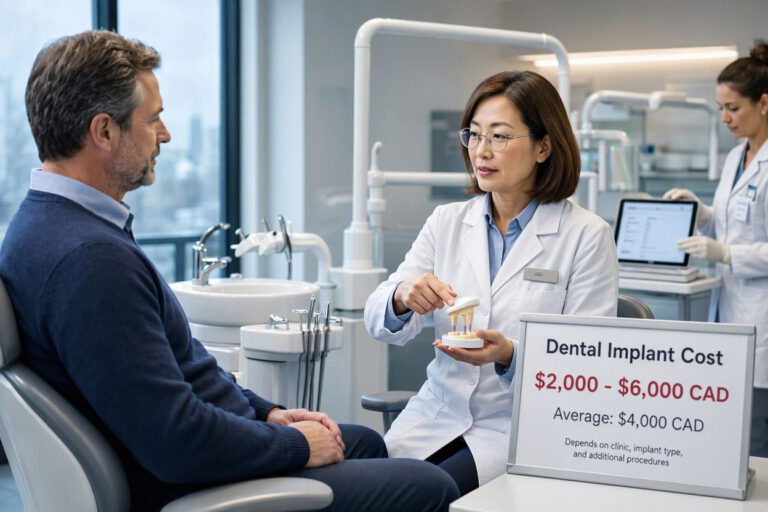
Dental Implants in Ellicott City: A Complete Guide to Restoring Your Smile
If you are reading this, you are likely dealing with a missing tooth—or perhaps several. Maybe you have struggled with uncomfortable dentures for years. Or, you might simply be exploring your options before making a decision.
You are not alone. Millions of adults face the same question: What is the best way to replace a missing tooth?
In Ellicott City, more people are turning to dental implants as their preferred solution. Why? Because implants look, feel, and function like natural teeth. They are not just cosmetic. They play a vital role in your long-term oral health.
This guide will walk you through everything you need to know. No confusing dental jargon. No hard selling. Just honest, practical information to help you make the best choice for your health and your budget.
What Exactly Are Dental Implants?
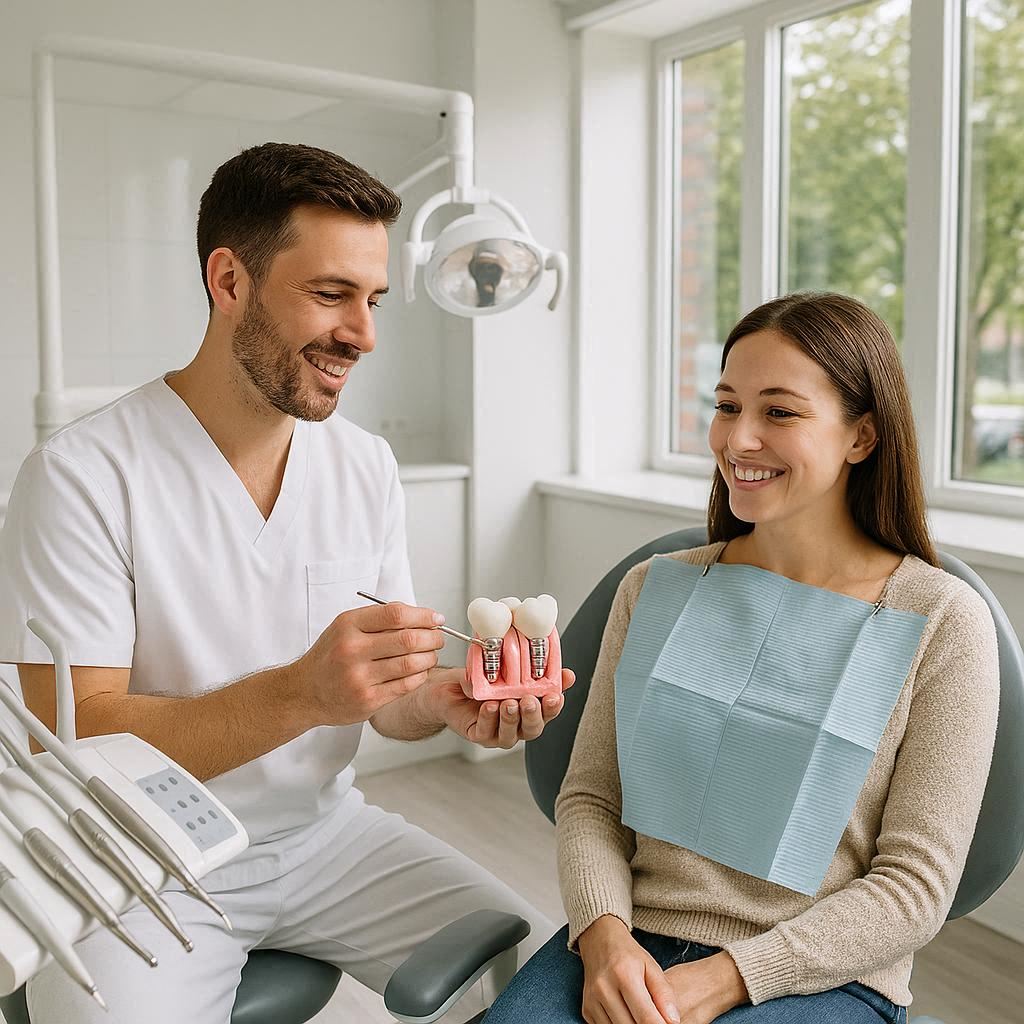
Let us start with the basics. A dental implant is not actually a tooth. It is a small, screw-like post made of medical-grade titanium. A dentist surgically places this post into your jawbone. Over time, the bone grows around the implant. This creates a rock-solid foundation.
Think of it as an artificial tooth root.
Above the implant, we attach a connector called an abutment. On top of that goes the crown—the part you see and chew with. The crown is custom-made to match the color, shape, and size of your natural teeth.
Important note: Unlike bridges or dentures, implants do not sit on top of the gums. They become part of your bone structure.
The Three Main Parts of a Dental Implant
| Component | Function | Material |
|---|---|---|
| Implant post | Acts as the artificial root | Titanium or zirconia |
| Abutment | Connects the post to the crown | Titanium or ceramic |
| Crown | Visible tooth replacement | Porcelain or ceramic |
Who Is a Good Candidate?
Most healthy adults are candidates for dental implants. However, there are a few requirements.
- You need enough jawbone density to support the implant.
- Your gums should be healthy, free from active gum disease.
- You should not smoke heavily, as smoking slows healing.
- You must be committed to good oral hygiene.
If you lack bone density, do not worry. Many Ellicott City dentists offer bone grafting procedures to prepare your jaw.
Why Choose Dental Implants Over Other Options?
This is a fair question. You have other choices: bridges, partial dentures, or full dentures. Each has its place. But implants offer unique advantages.
Comparison: Implants vs. Bridges vs. Dentures
| Feature | Dental Implants | Traditional Bridge | Removable Dentures |
|---|---|---|---|
| Longevity | 20+ years to lifetime | 5–10 years | 3–7 years |
| Bone preservation | Prevents bone loss | Does not preserve bone | Accelerates bone loss |
| Adjacent teeth | Left untouched | Requires grinding down healthy teeth | No effect on adjacent teeth |
| Comfort | Feels like natural teeth | Can feel bulky | Often loose or irritating |
| Eating restrictions | None | Some | Many foods off-limits |
| Maintenance | Normal brushing/flossing | Special flossing required | Daily removal and cleaning |
Real Benefits You Will Notice
Confidence. You will never worry about your tooth slipping or falling out. Implants are permanent.
Better nutrition. With implants, you can bite into an apple or enjoy a steak. No pain. No fear.
Speech improvement. Dentures can slip and cause slurring. Implants stay put.
Bone health. When you lose a tooth, your jawbone starts to shrink. Implants stimulate the bone, just like natural roots.
The Dental Implant Procedure: A Step-by-Step Journey
One of the biggest fears people have is about the procedure itself. Will it hurt? How long does it take? Let us walk through the entire process so you know exactly what to expect.
Step 1: Initial Consultation and Planning
Your first visit to an Ellicott City implant dentist is all about information gathering.
The dentist will:
- Examine your mouth and gums
- Take 3D X-rays or a CBCT scan
- Review your medical history
- Discuss your goals and budget
This is your time to ask questions. Bring a notebook. Write down everything.
Step 2: Preparatory Procedures (If Needed)
Not everyone needs this step. But if your jawbone is too thin or soft, you may require a bone graft. This sounds scarier than it is.
A bone graft involves adding bone material to your jaw. This material can come from your own body, a donor, or a synthetic source. Healing takes about four to six months.
Some patients also need sinus lifts or gum disease treatment before implants.
Step 3: Implant Placement Surgery
On the big day, your dentist will numb the area with local anesthesia. You will be awake but feel no pain. For nervous patients, sedation options are available.
The dentist makes a small incision in your gum. They drill a precise hole into the jawbone. Then, they insert the implant post. Finally, they close the gum tissue over the implant.
The entire surgery for a single implant takes about 60 to 90 minutes.
Recovery note: Most patients describe the aftermath as mild soreness, similar to having a tooth extracted. Over-the-counter pain relievers usually suffice.
Step 4: Osseointegration – The Healing Phase
This is the most important part of the process. Osseointegration is the natural process where your jawbone grows around the implant.
It takes three to six months. During this time, you will wear a temporary tooth replacement if needed.
Do not rush this step. Good healing is what makes implants last a lifetime.
Step 5: Abutment Placement
Once healing is complete, the dentist performs a second minor procedure. They reopen the gum to expose the implant. Then they attach the abutment.
This is a quick appointment. Your gum will need about two weeks to heal around the abutment.
Step 6: Crown Fabrication and Placement
Your dentist takes impressions of your mouth. A dental lab creates your custom crown. This takes two to three weeks.
When the crown is ready, you return for the final appointment. The dentist attaches the crown to the abutment. They check your bite and make small adjustments.
Congratulations. You now have a new tooth.
Types of Dental Implants Available in Ellicott City
Not all implants are the same. Depending on your situation, your dentist may recommend one of these options.
Single Tooth Implant
This replaces one missing tooth. One implant post supports one crown. Simple and effective.
Implant-Supported Bridge
If you have two or more missing teeth in a row, you do not need an implant for every gap. Two implants can support a bridge of three or four teeth.
All-on-4 or All-on-6
For patients missing all teeth in one arch (upper or lower), the All-on-4 technique uses four strategically placed implants to support a full set of fixed teeth. All-on-6 uses six implants for extra support.
Mini Dental Implants
These are narrower than standard implants. They are sometimes used for stabilizing lower dentures. They are less invasive but also less durable for heavy chewing.
Cost of Dental Implants in Ellicott City
Let us talk about money. This is often the biggest concern, and honesty is important here.
Dental implants are an investment. They cost more upfront than bridges or dentures. But over a lifetime, they are often more economical because they do not need regular replacement.
Typical Price Ranges (Ellicott City, MD)
| Procedure | Estimated Cost (per tooth) |
|---|---|
| Single implant (post + crown) | 3,500–6,000 |
| Implant-supported bridge (3 units) | 7,000–12,000 |
| All-on-4 per arch | 15,000–30,000 |
| Bone graft (if needed) | 500–2,500 |
| Sinus lift | 1,500–3,000 |
These figures include surgery, materials, and the crown. But every case is different. Always request a written treatment plan with all costs itemized.
Does Insurance Cover Implants?
Some dental insurance plans now cover a portion of implant costs. However, many still consider implants “cosmetic” or “non-essential.”
Check your policy for:
- Annual maximums
- Waiting periods
- Implant-specific coverage
If insurance does not help, ask about:
- In-house membership plans
- Third-party financing (CareCredit, LendingClub)
- Health Savings Account (HSA) or Flexible Spending Account (FSA)
A realistic note: Never choose an implant dentist based on price alone. A cheap implant that fails will cost you far more in the long run.
How to Choose the Right Implant Dentist in Ellicott City
Not every dentist places implants. This is a specialized skill. Here is how to find a qualified professional.
Look for Advanced Training
General dentists can place implants after taking continuing education courses. But specialists have deeper training.
Consider these specialists:
- Oral surgeons – Extensive surgical training
- Periodontists – Gum and bone specialists
- Prosthodontists – Reconstruction and restoration experts
Questions to Ask Before You Commit
- How many implants have you placed?
- What is your success rate?
- Do you use 3D imaging for planning?
- What brand of implants do you use? (Nobel Biocare, Straumann, Zimmer are reputable)
- What happens if my implant fails?
- Do you offer sedation options?
Red Flags to Avoid
- A dentist who promises “same-day teeth” without checking your bone health first
- Prices that seem too good to be true
- No before-and-after photos of real patients
- High pressure to make a decision immediately
Local Ellicott City Resources
Ellicott City has excellent dental providers. Look for practices with:
- Positive Google reviews mentioning implants specifically
- Membership in the American Academy of Implant Dentistry (AAID)
- Before-and-after galleries on their website
Recovery and Aftercare: What to Expect
Your new implant needs you to take care of it. The good news? Maintenance is just like caring for natural teeth.
First 24 Hours After Surgery
- Bite on gauze to control bleeding
- Apply ice packs to reduce swelling
- Eat only soft, cold foods
- Do not spit, rinse, or use a straw
- Take prescribed or OTC pain medication as needed
First Two Weeks
- Rinse gently with warm salt water after meals
- Stick to soft foods (yogurt, smoothies, mashed potatoes, scrambled eggs)
- Avoid the surgical site when brushing
- Do not smoke or use tobacco products
Long-Term Maintenance
- Brush twice daily with a soft toothbrush
- Floss carefully around the implant
- Use a water flosser for hard-to-reach areas
- Visit your dentist every six months for checkups
- Avoid chewing ice, hard candy, or pens
Signs of a Problem
Contact your dentist immediately if you experience:
- Severe pain that worsens over time
- Implant feels loose
- Redness or swelling around the implant
- Pus or unusual discharge
Most implant failures happen within the first year. After that, success rates exceed 95% with good care.
Common Myths About Dental Implants – Busted
Let us clear up some misinformation.
Myth 1: Implants are painful.
Fact: The procedure itself is painless due to anesthesia. Post-surgery soreness is typically mild.
Myth 2: Implants fail often.
Fact: Success rates are 95–98% in healthy patients. That is higher than bridges.
Myth 3: I am too old for implants.
Fact: Age is not a barrier. Many patients in their 80s and 90s get implants successfully.
Myth 4: Implants look fake.
Fact: Modern crowns are virtually indistinguishable from natural teeth.
Myth 5: The procedure takes too long.
Fact: While full healing takes months, you are never left without a tooth. Temporary restorations keep you smiling.
Frequently Asked Questions (FAQ)
How long do dental implants last?
With proper care, implants can last 20 years, 30 years, or even a lifetime. The crown may need replacement after 10–15 years due to normal wear.
Can I get implants if I have gum disease?
Not immediately. Gum disease must be treated and controlled first. Active infection increases implant failure risk.
Does getting implants hurt?
During the procedure, no. Afterward, most patients rate discomfort between 2 and 4 out of 10. It is usually less painful than a tooth extraction.
How long does the entire process take?
From consultation to final crown, plan on 4 to 9 months. Bone grafting or sinus lifts add 4–6 months of healing time.
Can I get implants on the same day as extraction?
Sometimes. This is called immediate implant placement. Your dentist will decide based on infection levels and bone quality.
What if I do not have enough bone?
Bone grafting is a common solution. Your dentist takes bone from another area or uses synthetic material to build up your jaw.
Are dental implants safe?
Yes. Titanium implants have been used successfully for over 50 years. They are biocompatible and rarely cause allergic reactions.
Additional Resource
For unbiased, research-backed information on dental implants, visit the American Academy of Implant Dentistry (AAID) patient education page:
👉 https://www.aaid.com/patients/index.html
This resource includes a “Find a Dentist” tool, educational videos, and detailed FAQs.
Conclusion
Dental implants in Ellicott City offer a permanent, natural-looking solution for missing teeth. While the upfront cost and healing time are greater than bridges or dentures, the long-term benefits for bone health, comfort, and confidence are unmatched. With proper care and an experienced local dentist, your new smile can last a lifetime.
Disclaimer: This article is for informational purposes only and does not constitute medical advice. Always consult with a licensed dental professional in Ellicott City to discuss your specific oral health condition and treatment options. Individual results and costs vary.