Dental Implants Description: Your Complete, Honest Guide to a Permanent Smile
If you are missing one or more teeth, you have probably heard about dental implants. But what exactly are they? How do they work? And are they the right choice for you?
This guide gives you a full dental implants description in plain, simple English. We will look at the benefits, the costs, the surgery, the recovery time, and the possible risks. By the end, you will feel informed and confident to talk with your dentist.
Let us start from the beginning.
What Exactly Is a Dental Implant? A Simple Description
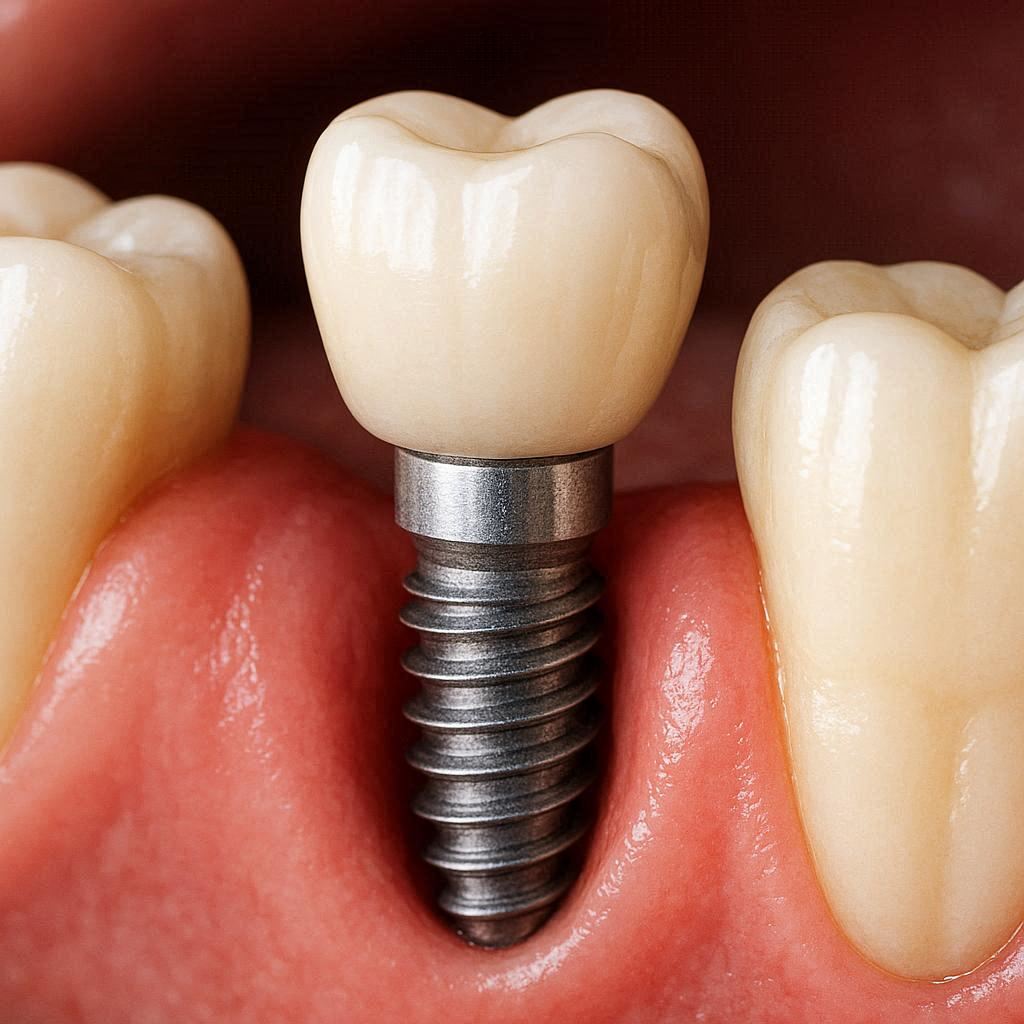
A dental implant is an artificial tooth root. Your dentist places it into your jawbone. Over time, the bone grows around the implant. This makes it very strong and stable.
On top of the implant, your dentist attaches a replacement tooth. That replacement tooth is called a crown. The result looks, feels, and functions like a natural tooth.
So, a complete dental implant has three main parts:
- The implant post: A small screw, usually made of titanium. It goes into the bone.
- The abutment: A connector piece. It sits on top of the implant.
- The crown: The visible, artificial tooth.
This simple dental implants description covers the basics. But there is more to understand. Unlike dentures, implants do not slip or move. Unlike bridges, implants do not harm nearby healthy teeth.
Important Note: Dental implants are not for everyone. Your dentist will check your bone density and overall health first. But for many people, they are the closest thing to a natural tooth.
Why Do People Choose Implants Over Other Options?
People choose dental implants for many reasons. The main one is permanence. You care for them just like your real teeth. Brush, floss, and see your dentist regularly.
Let us compare implants to other common tooth replacement options.
Comparative Table: Implants vs. Dentures vs. Bridges
| Feature | Dental Implants | Removable Dentures | Dental Bridges |
|---|---|---|---|
| Stability | Very high. Fused to bone. | Low. Can slip or click. | High. Anchored to adjacent teeth. |
| Comfort | Feels like a natural tooth. | Can feel bulky or loose. | Feels natural but may trap food. |
| Impact on healthy teeth | None. Does not touch other teeth. | None on remaining teeth. | Requires shaving down healthy teeth. |
| Bone health | Prevents bone loss. | Does not prevent bone loss. | Does not prevent bone loss. |
| Lifespan | 20+ years, often lifetime. | 5–8 years. | 5–15 years. |
| Cleaning | Brush and floss normally. | Needs special cleaners and soaking. | Requires special floss (threader). |
| Initial cost | Higher upfront. | Lower upfront. | Medium upfront. |
As you can see, each option has pros and cons. Implants cost more at the start. But they last much longer. Many people find the long-term value better.
Who Is a Good Candidate for Dental Implants?
A good candidate has:
- One or more missing teeth.
- A fully grown jawbone.
- Enough bone density to hold the implant.
- Healthy gums (no active gum disease).
- Good general health. Certain conditions like uncontrolled diabetes or heavy smoking may affect healing.
Conditions That May Affect Implant Success
Your dentist will review your medical history. Be honest about:
- Smoking or tobacco use
- Diabetes (especially uncontrolled)
- Osteoporosis or bone medications
- Cancer radiation to the jaw area
- Autoimmune diseases
- Teeth grinding (bruxism)
Note: Many of these conditions do not automatically rule out implants. They just require extra care or a modified treatment plan. Your dentist will guide you.
A Step-by-Step Look at the Dental Implant Procedure
Let me walk you through the typical process. Remember, every case is different. But this dental implants description of the steps will help you know what to expect.
Step 1: Initial Consultation (1–2 hours)
Your dentist examines your mouth. They take X-rays or a 3D CT scan. This shows the bone shape and density. You discuss your goals and medical history.
Step 2: Treatment Planning
The team creates a custom plan for you. They decide on the implant size, position, and type of crown. You will also receive a cost estimate and timeline.
Step 3: Bone Graft (If Needed)
Some people lack enough jawbone. In that case, the dentist adds bone material to the area. You then wait several months for the graft to heal. This step is very common. Do not worry if you need it.
Step 4: Implant Placement Surgery (1–2 hours per implant)
This is the main event. You receive local anesthesia to numb the area. Some people also choose sedation. The dentist makes a small cut in your gum. They drill a precise hole in the bone. Then they screw the implant post into that hole. Finally, they close the gum over the implant. You go home the same day.
Step 5: Osseointegration (Healing Period – 3 to 6 months)
This word sounds complex, but the idea is simple. Your jawbone grows around the implant. It fuses to the titanium surface. This makes the implant rock solid. During this time, you eat soft foods. You wear a temporary tooth if needed.
Step 6: Abutment Placement (Minor procedure)
Once the implant is fused to the bone, the dentist reopens the gum. They attach the abutment – the small metal piece that sticks out above the gum line. The gum then heals around the abutment for a few weeks.
Step 7: Crown Fabrication (2–4 weeks)
Your dentist takes impressions of your mouth. A dental lab makes your custom crown. They match the color to your natural teeth.
Step 8: Crown Attachment (30 minutes)
Finally, your dentist screws or cements the new crown onto the abutment. That is it. You walk out with a new, permanent tooth.
Does the Dental Implant Surgery Hurt?
This is one of the most common questions. Most people report less discomfort than they expected.
The surgery itself is painless because of local anesthesia. You may feel pressure, vibration, or pushing. But not sharp pain.
After the anesthesia wears off, you will have some soreness. Think of it like having a tooth pulled. Over-the-counter pain relievers usually work well. Most people return to work the next day.
Swelling and minor bruising are normal. They peak around day two or three. Ice packs help a lot.
Quote from a real patient: “I was terrified before my implant surgery. Honestly, the fear was worse than the reality. By day four, I was eating scrambled eggs and feeling fine.”
Recovery Timeline: What to Expect Week by Week
Here is a realistic recovery timeline.
Days 1–3
- Rest and avoid strenuous activity.
- Use ice packs (15 minutes on, 15 minutes off).
- Eat only cold or lukewarm soft foods (yogurt, smoothies, soup).
- Do not spit, use a straw, or smoke.
- Take prescribed or OTC pain medication as needed.
Days 4–7
- Swelling goes down.
- You can eat warm soft foods (mashed potatoes, oatmeal, scrambled eggs).
- Start gentle salt water rinses (do not swish hard).
- Most people return to normal light activities.
Weeks 2–4
- The gum heals over the implant.
- You gradually add more solid foods.
- Avoid chewing directly on the implant site.
- Continue gentle oral hygiene.
Months 3–6 (Osseointegration)
- The implant fuses with your bone.
- You may not even notice it at all.
- Wear a temporary tooth if you have one.
- Visit your dentist for check-ups.
After Final Crown
- Eat normally within a few days.
- Brush and floss as usual.
- Feel confident smiling and chewing.
How Much Do Dental Implants Cost? A Realistic Breakdown
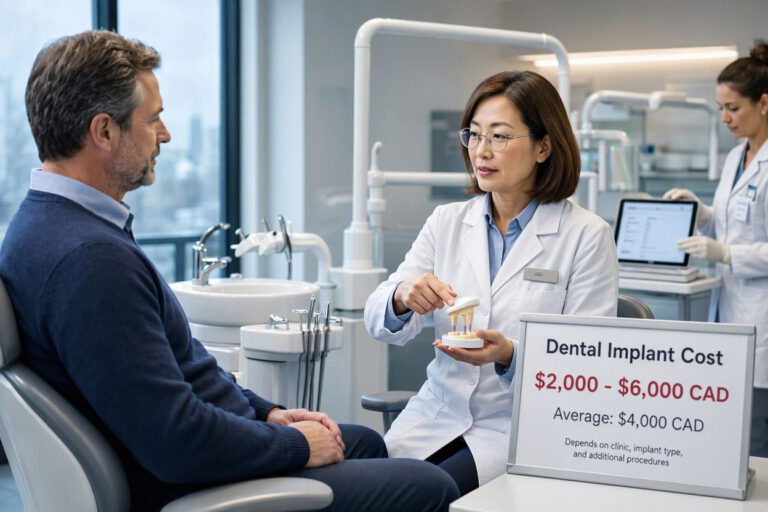
Let us talk numbers. Prices vary widely based on location, dentist experience, and material. But here is a realistic range for the United States.
Estimated Costs (Per Implant)
| Item | Low Range | High Range |
|---|---|---|
| Consultation and CT scan | $150 | $500 |
| Implant post placement | $1,000 | $3,000 |
| Abutment | $300 | $500 |
| Custom crown | $1,000 | $2,500 |
| Total (single implant) | $2,450 | $6,500 |
| Bone graft (if needed) | $250 | $1,200 |
| Sinus lift (if needed) | $500 | $3,000 |
Full Mouth Implants Cost
- Implant-supported dentures: 15,000–30,000 per arch.
- Full set of individual implants: 30,000–90,000 per arch.
Does Insurance Cover Implants?
Traditional dental insurance often covers only a portion. For example, they might pay 50% of the crown but not the implant post. Some plans pay nothing. However, medical insurance may help if the tooth loss is due to an accident or birth defect.
Always get a written treatment plan with costs before you start.
Important financial note: Do not let the price scare you. Many dentists offer payment plans. Third-party financing like CareCredit is also available. Some people travel to other countries for lower prices, but that comes with its own risks. Weigh everything carefully.
Advantages of Dental Implants (The Good)
Let us list the real, proven benefits.
- Natural look and feel. No one can tell you have an implant.
- High success rate. Over 95% for lower jaw, 90% for upper jaw.
- Prevents bone loss. Your jawbone stays strong because it is stimulated.
- Protects healthy teeth. No drilling or shaving adjacent teeth.
- Comfortable. No slipping, clicking, or sore spots.
- Eat normally. Bite into an apple. Chew steak. No restrictions.
- Easy cleaning. Brush and floss like natural teeth.
- Long-lasting. Many last 30 years or a lifetime.
- Improves speech. No slurring or clicking like with loose dentures.
Disadvantages and Risks (The Honest Truth)
No medical procedure is perfect. Here are the realistic downsides and risks.
Disadvantages
- High upfront cost. Much more expensive than dentures or bridges.
- Long treatment time. Months from start to finish.
- Surgery required. Not everyone wants or can have surgery.
- Potential for follow-up procedures. Bone grafts add time and cost.
Possible Risks and Complications
| Risk | How common? | What happens? |
|---|---|---|
| Infection | Uncommon (1-2%) | Requires antibiotics or removal. |
| Implant failure (no fusion) | 5-10% (higher for smokers) | Implant must be removed and replaced. |
| Nerve damage | Rare (less than 1%) | Numbness in lip, chin, or tongue. Usually temporary. |
| Sinus problems | Rare (upper back teeth) | Implant protrudes into sinus cavity. |
| Gum recession | Possible over time | Metal may show. Can be fixed. |
| Peri-implantitis | Similar to gum disease | Inflammation and bone loss around implant. |
Realistic note: Most implants succeed. But you must follow your dentist’s instructions. Good oral hygiene and regular check-ups are not optional. They are essential.
How to Care for Your Dental Implants
Caring for implants is simple. But you must be consistent.
Daily Home Care
- Brush twice a day with a soft toothbrush.
- Floss daily using unwaxed tape or superfloss.
- Use an interdental brush to clean around the abutment.
- Consider a water flosser on a low setting.
- Avoid abrasive toothpaste (no baking soda or charcoal).
Professional Care
- See your dentist every 6 months for cleaning.
- X-rays every 1–2 years to check bone levels.
- Your hygienist will use special plastic instruments (metal ones can scratch titanium).
What to Avoid
- Smoking or chewing tobacco
- Chewing ice, hard candy, or pens
- Using your teeth as tools (opening packages)
- Skipping dental check-ups
Common Questions People Ask (FAQ)
Here are answers to the most frequent questions about dental implants.
How long do dental implants last?
With good care, 20 years to a lifetime. The crown may wear out after 10–15 years, but you can replace just the crown.
Are dental implants safe?
Yes. Titanium is biocompatible. The procedure has been used for over 50 years. Millions of people have implants.
Can I get an implant years after losing a tooth?
Yes, but you may need a bone graft. When a tooth is missing, the bone shrinks over time.
Do dental implants look natural?
Absolutely. The crown is custom-made to match your other teeth in color, shape, and size.
Can I get implants if I have gum disease?
You must treat gum disease first. Healthy gums are essential for implant success.
Is age a problem?
No. Many people in their 80s and 90s get implants. Overall health matters more than age.
Can smokers get implants?
Yes, but your success rate is lower. Smoking slows healing and increases failure risk. You may be advised to quit or reduce heavily.
What if the implant fails?
Your dentist removes it. You wait for the bone to heal (several months). Then you can try again, often with a larger implant or bone graft.
Will my insurance pay anything?
Many plans pay a small portion. Check your plan’s “major services” coverage. Some pay 50% of the crown.
How do I find a good implant dentist?
- Look for a prosthodontist or oral surgeon (specialists).
- Read reviews but be skeptical of fake ones.
- Ask for before-and-after photos of real patients.
- Get a second opinion before committing.
Helpful Resources and Next Steps
Additional resource link:
Visit the American Academy of Implant Dentistry (AAID) for a patient education library and a “find a dentist” tool.
👉 aaid.com/patient-resources (open in a new tab)
Your Action Plan If You Are Considering Implants
- Schedule two consultations with different implant dentists.
- Bring your dental insurance card and medical history.
- Ask for a written treatment plan with all costs listed.
- Ask about the dentist’s experience (how many implants per year?).
- Ask to speak to a past patient (a good dentist will allow this).
- Review financing options before you decide.
- Take your time. There is no rush.
Final Thoughts: Is a Dental Implant Right for You?
A dental implant is a serious investment of time, money, and healing. But for many people, it is life-changing. You stop worrying about your smile. You eat what you want. You laugh without covering your mouth.
The best dental implants description is this: a permanent, natural-feeling solution that becomes part of you. It is as close as you can get to growing a new tooth.
Talk to a professional. Get the facts for your specific mouth. Then make a choice you can live with for decades.
Conclusion (Three-Line Summary)
Dental implants are artificial tooth roots that fuse to your jawbone, providing a permanent and natural-looking replacement. The process takes several months and costs more upfront than other options, but the long-term benefits often justify the investment. With proper care, a dental implant can last a lifetime and restore your confidence to eat, speak, and smile freely.
Disclaimer
This article provides general information and does not replace professional medical or dental advice. Every person’s oral health situation is unique. Always consult a licensed dentist or oral surgeon before making any decisions about dental implants. The author and publisher are not responsible for any outcomes resulting from the use of this information.