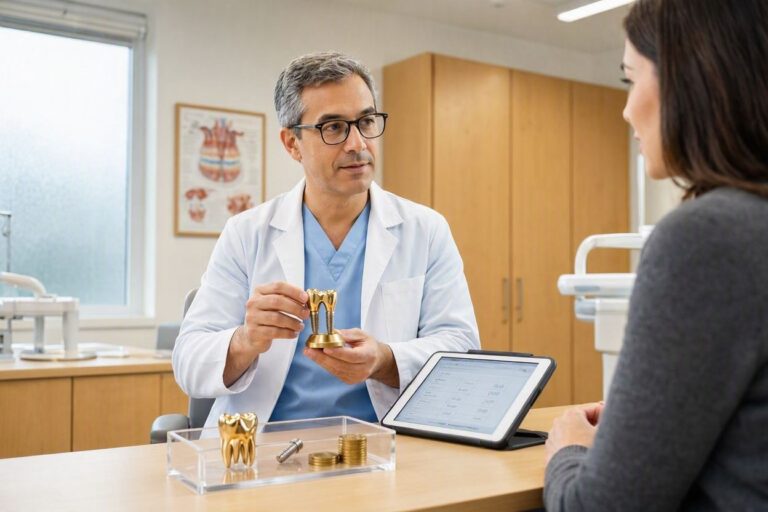
Dental Implants Ruined My Life
If you are typing the words “dental implants ruined my life” into a search engine, please know this: I see you. I feel your frustration. You are not crazy, and you are certainly not alone.
The dental industry often markets implants as the perfect, permanent solution to missing teeth. They promise a smile that lasts forever. But for a significant number of people, the reality is very different. What was supposed to be a life-changing investment turns into a waking nightmare of chronic pain, endless surgeries, and financial ruin.
This article is not designed to scare you away from dentistry. Instead, it is a realistic, honest guide. We will explore exactly why some procedures fail, what the hidden risks are (nerve damage, sinus perforation, bone loss), and most importantly—what you can do to fix it.
Let’s get honest about the dark side of tooth replacement.
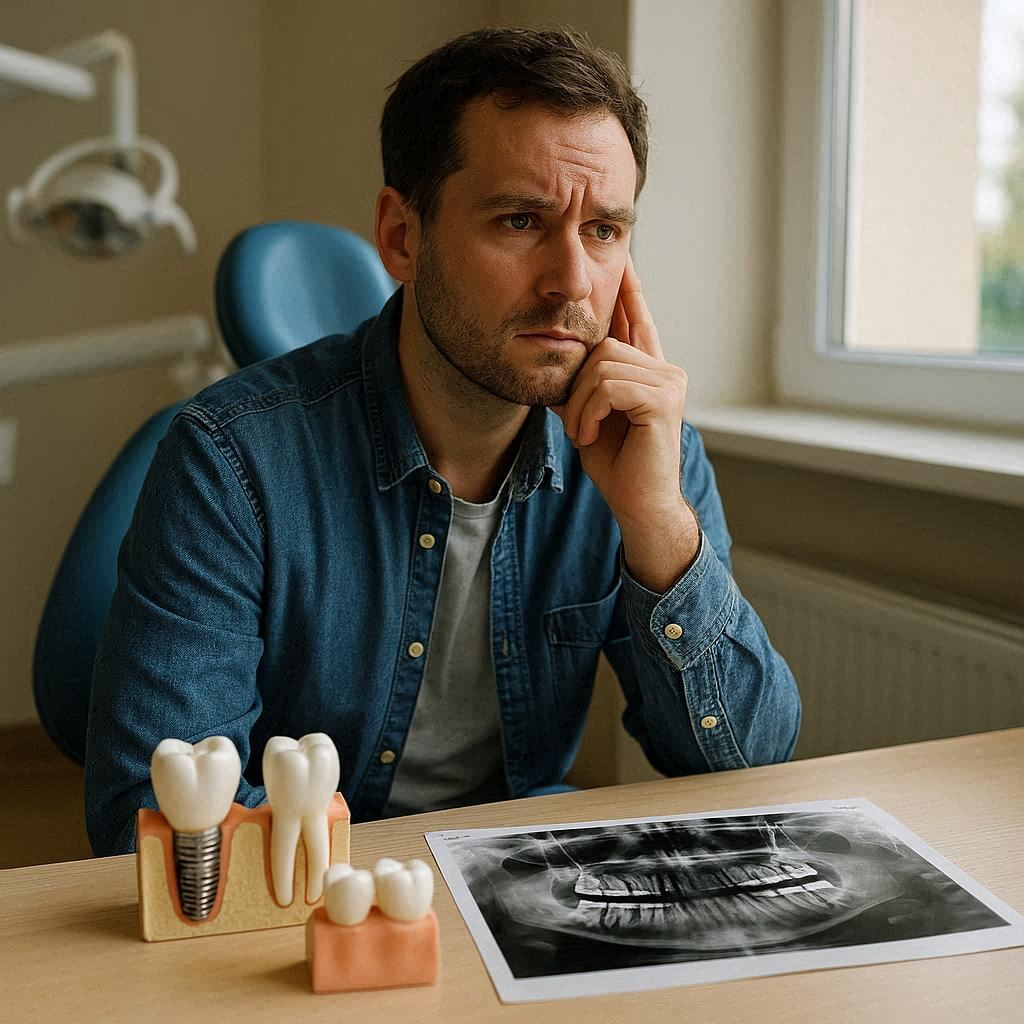
Understanding the Reality: Why “Perfect” Procedures Go Wrong
When we hear “dental implants ruined my life,” our first instinct is to blame the dentist. Sometimes, that is fair. But the truth is more complex. Implant failure is rarely just one thing. It is usually a perfect storm of medical factors, surgical errors, and poor communication.
To understand your pain, we must look at the three pillars of success: the patient’s biology, the surgeon’s skill, and the post-operative care.
The Difference Between Failure and Complications
Before we dive deep, let’s clarify two different realities.
- Complications: These are issues that arise but can be fixed. Examples include a loose crown, a minor infection, or gum inflammation. They are frustrating, but usually solvable.
- Failure: This means the implant has not integrated with your bone (osseointegration failed). It is loose, painful, or must be removed. This is when life truly falls apart.
Most of the stories behind “dental implants ruined my life” are failure stories. The metal post rejects the body, or the body rejects the metal.
Who is Most at Risk?
Not everyone is a good candidate. Many clinics forget to mention this.
| Risk Factor | Why It Causes Failure | Realistic Solution |
|---|---|---|
| Smoking | Nicotine restricts blood flow to the gums. Bones cannot heal. | Quit 2 months before surgery. Non-negotiable. |
| Uncontrolled Diabetes | High blood sugar slows healing and invites infection. | Get A1C under 7.0 before surgery. |
| Bruxism (Teeth Grinding) | Clenching puts 5x more pressure on implants than natural teeth. | Nightguard + possible implant splinting. |
| Osteoporosis Meds | Bisphosphonates (Fosamax) kill jawbone blood supply. | Drug holiday (under MD supervision). |
| Heavy Drinking | Dehydrates tissues and causes poor bone quality. | Abstain for 30 days post-op. |
Important Note: If you have any of these risk factors and your dentist did not discuss them with you, that is a red flag. A responsible surgeon screens for these issues first.
The Physical Nightmare: Chronic Pain and Nerve Damage
Let’s talk about the body. When people say “dental implants ruined my life,” they are usually describing physical agony that never stops.
The human mouth is a map of nerves. The inferior alveolar nerve runs through your lower jaw. Placing an implant here is like parking a car in a busy intersection. If the surgeon misses the “parking spot” by just a few millimeters, they hit the nerve.
Signs of Nerve Damage
You may have nerve damage if you feel:
- A constant burning sensation in your chin or lip.
- Numbness that feels like novocaine that never wears off (permanent paresthesia).
- Drooling without knowing it.
- Lisping or slurring words.
- Food falling out of your mouth when you eat.
This is not just an inconvenience. It affects your ability to smile, kiss, or speak in public. Many patients report feeling “trapped” inside their own face.
Sinus Perforation (The Upper Jaw Disaster)
For upper molars, the implant must sit below the maxillary sinus. If the implant is too long, it pokes through the sinus floor.
The symptoms include:
- Chronic sinus infections that never clear up with antibiotics.
- Green discharge coming through the implant site.
- A feeling of liquid moving in your cheek when you lean forward.
- Your voice sounding permanently “nasal.”
Imagine paying $5,000 for a tooth only to have a permanent sinus infection. This is a leading cause of the phrase “dental implants ruined my life.”
The Emotional and Financial Toll
We cannot ignore the money. In the United States, a single implant costs between 3,000and6,000. Full mouth reconstruction can cost 50,000to90,000.
When that investment fails, you face two devastating realities:
- You lost the tooth anyway.
- You are now in debt for something that hurts you.
The “Sunk Cost” Trap
“I kept going back to the same surgeon for four revisions because I couldn’t bear the thought of paying someone else. He kept saying ‘just wait, it will heal.’ It never did. I lost two years of my life.” — Anonymous forum user.
This is the sunk cost fallacy. You throw good money after bad because the initial investment was so high. You endure more pain, more time off work, and more antibiotics because admitting the implant failed feels like admitting you failed.
The Social Isolation
Dental implants ruined my life socially, too. Here is what people do not tell you:
- Halitosis (bad breath): Failed implants trap food and bacteria. You cannot brush deep enough. You become the person everyone avoids in meetings.
- Metallic taste: Titanium alloys can corrode or react with other metals in your mouth. Everything tastes like batteries.
- The look: If the gum recedes, you see a dark grey metal line at the base of your “tooth.” It looks fake up close.
You stop smiling. You stop dating. You stop laughing. This is not vanity. This is human connection.
Loose Implants: The Grinding Truth
One of the most common complaints we hear is: “My implant feels wiggly.”
Natural teeth have a ligament called the periodontal ligament. It acts like a shock absorber. Implants do not have this. They are fused directly to bone (ankylosis). When you bite down, all the force goes straight into the jawbone.
If you grind your teeth (bruxism), that force shatters the bone around the implant.
The “Frozen” Shoulder of Dentistry
Think of a loose implant like a fence post in concrete. If you wiggle the post enough, the concrete cracks. You cannot “glue” concrete back together. Once the bone around an implant fractures, the implant is loose forever.
Solutions for loose implants:
- Removal: Take it out, bone graft, start over (more money, more time).
- Splinting: Gluing the implant crown to the natural tooth next to it for stability.
- Bite adjustment: Drastically shaving down the implant crown so it never touches food.
None of these are fun. Option #3 means you cannot chew on that side ever again.
Gum Recession and Aesthetic Catastrophe
We place implants to look beautiful. But sometimes, the opposite happens.
Over time, the thin gum tissue around an implant shrinks. This exposes the metal threads of the implant. It looks like a grey screw poking through pink gum.
Why does this happen?
- Thin biotype: Some people have naturally thin gums. The surgeon should have placed a connective tissue graft from your palate (roof of your mouth) to thicken the area. Many skip this to save time.
- Wrong abutment: The metal connector piece (abutment) was too wide, crushing the gum tissue from the inside.
Fixing the “Black Triangle” and Metal Show
To fix this, you need a “pink porcelain” restoration. The lab literally paints pink ceramic onto the crown to hide the metal. It costs extra, and it rarely matches your natural gum color perfectly.
For many, this is the final straw. You paid for a perfect smile. You got a Frankenstein mouth.
The Explant Journey: Removing Failed Implants
If you have decided “dental implants ruined my life and I want them out,” you need an explant procedure.
This is different from a simple extraction. Implants fuse to bone. Removing them often requires drilling through the bone around the implant (trephination) or cutting the implant into pieces.
What to Expect During Explant
| Step | What Happens | Pain Level (1-10) |
|---|---|---|
| Consultation | CBCT scan to see how deep the threads are. | 0 |
| The Surgery | Local anesthesia + possible IV sedation. Drilling around the implant. | 2 (numb) |
| Post-Op (Week 1) | Swelling, bruising, a hole in your jawbone. | 7-8 |
| Post-Op (Month 1) | The hole fills with blood clot. | 4 |
| Bone Grafting | Powdered bone packed into the hole. | 5 |
| Healing (6 months) | Waiting for new bone to grow. | 1 |
Warning: After explant, you will have no tooth there. You cannot place a new implant for 6 to 12 months. You must wear a flipper (removable plastic tooth) or a denture. This is a hard psychological adjustment.
Realistic Alternatives to Dental Implants
Just because implants failed once does not mean you are out of options. You have alternatives that are older, cheaper, and sometimes safer.
1. Removable Partial Dentures (RPDs)
These are the “grandpa teeth” you are afraid of. But modern RPDs are made of flexible Valplast material. They have no metal clasps.
- Pros: Non-invasive. No surgery. Easy to clean. Cheap (500−1,500).
- Cons: You take them out at night. They can feel bulky.
2. Fixed Bridges
A bridge shaves down the teeth on either side of the gap and puts three crowns together.
- Pros: Feels natural. No surgery. Faster (3 weeks).
- Cons: You destroy healthy teeth to support the fake one.
3. Do Nothing (Watchful Waiting)
If the missing tooth is in the back of your mouth (molar) and you have the opposing tooth, leaving the gap is a risk. Teeth will shift. But if you have no pain, rushing into another implant is likely not the answer.
Comparison Table: Bridges vs. Dentures vs. Implants
| Feature | Dental Implants | Fixed Bridge | Partial Denture |
|---|---|---|---|
| Surgery Required | Yes (intense) | No | No |
| Healing Time | 4-8 months | 0 days | 0 days |
| Risk of Nerve Damage | Yes | No | No |
| Cost (USD) | $4,000+ | $2,500 | $800 |
| Longevity if done well | 20+ years | 10-15 years | 5-10 years |
| Can be removed | No | No | Yes |
How to Find an “Explant Surgeon”
Not all dentists will remove failed implants. Many will refuse because it is admitting a colleague made a mistake. You need a specialist.
Look for an Oral and Maxillofacial Surgeon (OMS) . These are the doctors who remove wisdom teeth and fix jaw fractures. They have the tools to cut bone.
Three questions to ask on the phone:
- “How many explant surgeries do you perform per month?” (You want 5+).
- “Do you use a Piezoelectric knife?” (This is a bone scalpel that cuts hard tissue without cutting soft nerves).
- “Do you offer IV sedation for explant procedures?”
If they hesitate or say “we usually just restore them,” hang up. You need a surgeon, not a general dentist.
The Legal Side: Can You Sue?
If you feel “dental implants ruined my life,” you may be considering a lawsuit.
Valid reasons to sue (Malpractice):
- The implant was placed without a CBCT (3D X-ray) to check nerve location.
- You have permanent paresthesia (numbness) documented by a neurologist.
- The implant perforated the sinus wall and the dentist denied it despite X-ray evidence.
Invalid reasons to sue:
- Your body rejected the implant due to unknown reasons (idiopathic failure).
- You smoked after being told to stop.
- You have bruxism and cracked the implant.
Statute of Limitations: In most US states, you have 2 to 3 years from the date of the procedure (not the date the pain started) to file a claim.
Psychological Healing: When Your Body Betrays You
We have talked about bone and nerves. Now, let’s talk about your mind.
Living with a failed medical device creates a specific type of trauma called medical PTSD. You trusted an expert. You paid a fortune. You endured pain. And you ended up worse than when you started.
Signs of Dental Trauma
- Panic attacks in a dentist’s waiting room.
- Crying when you brush your teeth.
- Nightmares about your teeth falling out.
- Hypervigilance (constantly checking the implant with your tongue).
How to Cope
- Find a therapist: Look for one who specializes in chronic pain or medical trauma.
- Join a support group: Facebook has private groups like “Dental Implant Support & Failure” where people share honest reviews.
- Separate the dentist from the dentistry: One bad surgeon does not mean all dentists are evil. Your next dentist might save your life.
Prevention: How to Avoid This Nightmare
If you are reading this before getting implants, thank your lucky stars. You have time to avoid becoming a statistic.
The 5-Step Pre-Surgery Checklist
- Ask for the CBCT. If they use a 2D panoramic X-ray only, walk out. You need a 3D scan.
- Demand a surgical guide. The surgeon should use a 3D printed guide that slots over your teeth. “Freehand” drilling is how nerves get hit.
- Check the warranty. Genuine implants (Straumann, Nobel Biocare) have a lifetime warranty on the part. Ask for the certificate.
- Get a second opinion. If Surgeon A says you need 4 implants, Surgeon B might say you only need 2. Trust the conservative plan.
- Ask about “immediate loading.” This is when they put the fake tooth on the same day. It looks cool, but it fails 3x more often. Wait 4 months for healing.
Conclusion: Reclaiming Your Life
If dental implants ruined your life, you are currently living in a storm. The pain is real. The financial stress is crushing. The isolation is deep. But a storm does not last forever.
Three key takeaways:
- You are not alone. Thousands of patients have failed implants. Your body is not broken; the foreign object is.
- Removal is possible. Find an Oral Surgeon who specializes in explants. It gets worse before it gets better, but it does get better.
- Alternatives exist. A flexible partial denture or a fixed bridge might give you 90% of the function with 0% of the surgical risk.
Your smile matters. But your health matters more. Take a breath. Make the phone call. There is life after implant failure.
Frequently Asked Questions (FAQ)
Q: Can a failed implant make me sick to my stomach?
A: Yes. Chronic infection around an implant (peri-implantitis) leaks bacteria into your bloodstream. This can cause low-grade fever, fatigue, and “metal mouth” taste. Removal usually fixes this.
Q: Is it normal for an implant to hurt after 2 years?
A: No. After 6 months of healing, you should feel nothing. Pain years later means either peri-implantitis (bone infection) or a cracked abutment screw.
Q: Can I get an MRI if I have dental implants?
A: Most titanium implants are MRI-safe (non-ferromagnetic). However, some cheap implants contain nickel or iron. Always ask for your implant brand card before an MRI.
Q: Will my insurance cover explant surgery?
A: Usually, no. Medical insurance calls it “dental.” Dental insurance calls it “surgical.” You will likely pay out of pocket (1,500−3,000 for removal).
Q: What is the success rate of a second implant after a first one fails?
A: Approximately 70% (compared to 95% for a first implant). The bone is scarred and less vascular. You need a bone graft and a longer healing time.
Additional Resource
For verified, non-commercial information on implant safety and patient advocacy, visit the National Institute of Dental and Craniofacial Research (NIDCR) .
👉 Link: https://www.nidcr.nih.gov/health-info/dental-implants
Note: This resource provides scientific data on risks and healing, not advertising for specific dental chains.