Dental Implants Shreveport: Your Complete Guide to a Permanent Smile
Losing a tooth can feel frustrating. It might affect how you eat, how you smile, or even how you feel about yourself in photos. Luckily, modern dentistry offers a solution that looks, feels, and functions like a natural tooth.
If you live in the Ark-La-Tex region, you have access to some excellent options. This guide walks you through everything you need to know about dental implants in Shreveport. We will cover costs, the step-by-step process, recovery tips, and how to choose the right dentist for your needs.
No confusing medical jargon here. Just honest, clear information to help you make a smart decision for your health.
Why Consider Dental Implants Over Other Options?
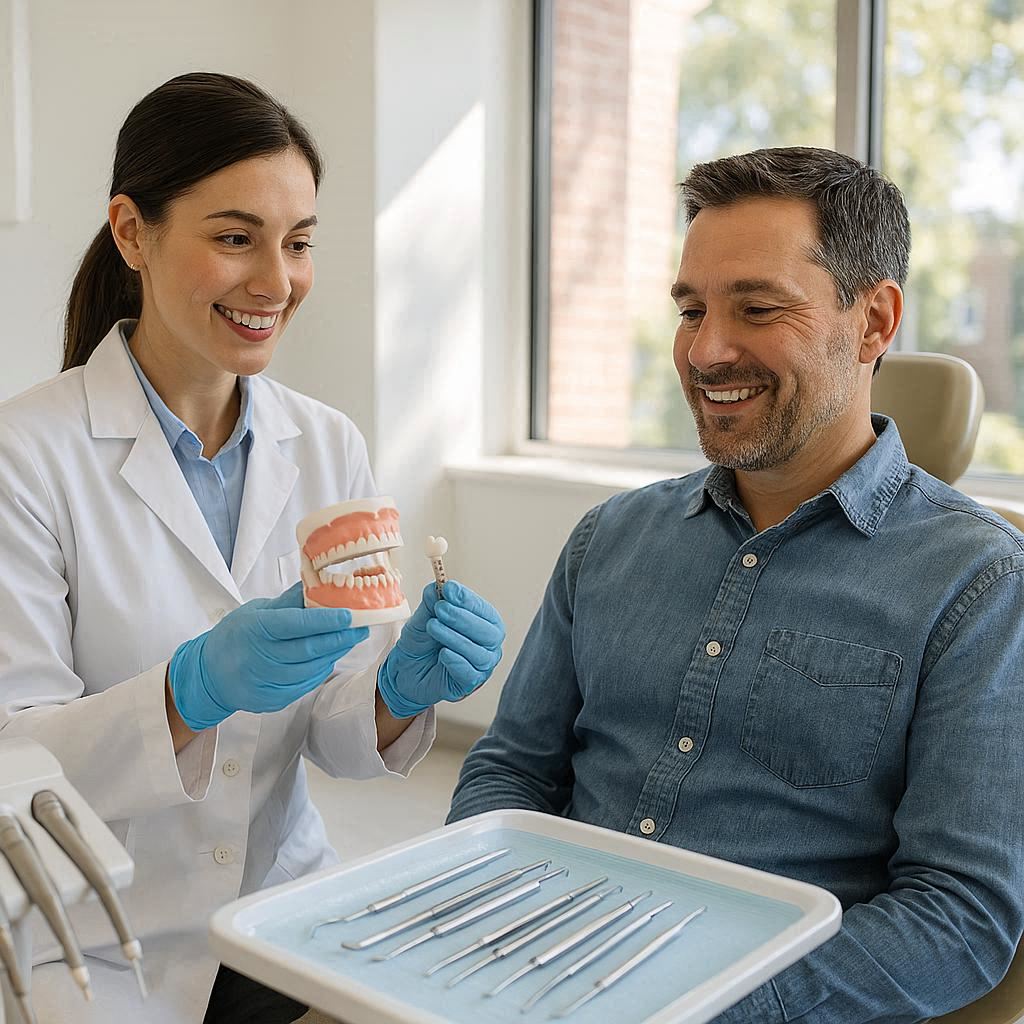
When a tooth goes missing, you typically have three choices: a removable denture, a dental bridge, or an implant. Each has its place, but implants offer unique advantages.
Unlike dentures, implants do not slip or click when you talk. Unlike bridges, they do not require shaving down healthy teeth on either side. Implants replace the entire tooth structure, including the root.
Here is a quick comparison to help you see the difference.
| Feature | Dental Implant | Fixed Bridge | Removable Denture |
|---|---|---|---|
| Bone Preservation | Prevents bone loss | No effect | Accelerates bone loss |
| Impact on Adjacent Teeth | None | Requires grinding down teeth | Can cause sores or pressure |
| Stability | Permanent | Permanent | Can move or slip |
| Lifespan | 20+ years | 5-15 years | 5-10 years |
| Eating Restrictions | None | Minor (avoid hard/sticky) | Significant restrictions |
Important Note: Implants require surgery. While the success rate is very high (around 95-98%), you must be in good general health. Your dentist in Shreveport will evaluate your bone density and gum health before moving forward.
What Exactly Is a Dental Implant?
Many people imagine a fake tooth screwed into the jaw. That is partially correct, but there are three main parts to understand.
- The Post (Fixture): This is a small, screw-shaped piece made of titanium. A dentist surgically places it into your jawbone. Titanium is special because your bone naturally fuses to it. This process is called osseointegration.
- The Abutment: This is a small connector piece. It attaches to the top of the post. Think of it as the “anchor” that sticks out just above the gum line.
- The Crown: This is the visible part. It is the white, tooth-shaped cap made of porcelain or ceramic. It screws or cements onto the abutment.
When all three parts work together, you get a tooth that feels completely natural.
The Step-by-Step Process for Dental Implants in Shreveport
Understanding the timeline helps reduce anxiety. You will not walk out with a new tooth in one day (unless you get “teeth in a day,” which is a specific procedure). Usually, the process takes several months.
Step 1: The Initial Consultation
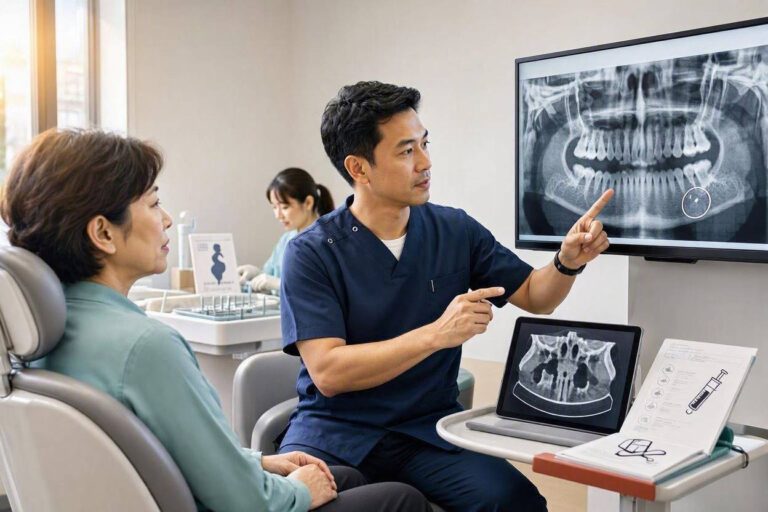
Every journey starts here. Your Shreveport dentist will take X-rays or a 3D CT scan. This lets them see your nerves, sinuses, and bone level.
- What to ask: “Do I have enough bone density?” and “Am I a good candidate?”
- Duration: 30 to 60 minutes.
Step 2: Preparatory Procedures (If Needed)
Sometimes, you need a little preparation. If you have been missing a tooth for years, the bone may have shrunk. You might need a bone graft. Do not let this scare you. It is very common.
Realistic expectation: Bone grafting adds 3 to 6 months to your timeline. It sounds scary, but it is routine. Think of it as adding soil before planting a tree.
Step 3: The Implant Placement Surgery
On surgery day, the dentist numbs the area. Most patients receive local anesthesia. Some choose sedation if they feel nervous.
The dentist makes a small cut in your gum. They drill a precise hole in the bone and insert the titanium post. Then they stitch the gum closed over it.
- Feeling: Pressure, but not pain.
- Duration: 30 to 90 minutes per implant.
Step 4: Healing and Osseointegration
This is the waiting game. You leave the implant alone for 3 to 6 months. During this time, your bone grows tightly around the titanium.
You will wear a temporary partial denture or flipper to fill the gap. This is normal and works fine for social situations.
Step 5: Placing the Abutment and Crown
Once the implant is fused to the bone, the dentist uncovers it. They attach the small abutment. Then, they take impressions to design your permanent crown.
After a few weeks, the lab sends back your custom crown. The dentist attaches it to the abutment. You are done.
Total timeline: 4 to 9 months. Multi-tooth cases may take longer.
How Much Do Dental Implants Cost in Shreveport?
Let us talk money. This is usually the biggest question.
Prices vary depending on the dentist, the lab, and your insurance. Here is a realistic breakdown for the Shreveport/Bossier City area.
| Procedure | Average Cost Range (without insurance) |
|---|---|
| Single Implant (Post only) | 1,500–2,500 |
| Abutment | 300–500 |
| Porcelain Crown | 1,200–2,000 |
| Total Single Tooth Implant | 3,000–3,000–5,000 |
| Bone Graft (if needed) | 500–1,200 |
| Implant-Supported Denture (Full arch) | 15,000–30,000 |
Does insurance help?
Yes, sometimes. Most dental insurance does not cover the implant post. However, they often cover part of the crown (the tooth part). Some medical insurance may cover the bone graft if tooth loss resulted from an injury.
Financing options:
Most clinics in Shreveport offer payment plans. Look for:
- CareCredit (a healthcare credit card).
- In-house membership plans (for patients without insurance).
- LendingClub or Proceed Finance.
Important: Do not go to a clinic just because it is the cheapest. Implants are medical devices. A low price might mean low-quality materials or an inexperienced surgeon.
Single Tooth vs. Multiple Teeth vs. Full Arch
Your needs depend on how many teeth are missing.
Single Tooth Implant
This replaces one gap. It is the most common procedure. It does not touch the neighboring teeth, which keeps them healthy.
Multiple Implants (Implant Bridge)
If you miss three teeth in a row, you do not need three implants. Dentists usually place two implants and use a three-tooth bridge to span the gap. This saves money and reduces surgery time.
Implant-Supported Dentures (All-on-4 or All-on-6)
If you are missing all your upper or lower teeth, this is life-changing. The dentist places four to six implants in specific angles. They attach a fixed, non-removable denture on top.
Pros: No more adhesives. No more clicking. You can eat steak and apples again.
Cons: Higher upfront cost. Requires enough bone for four implants.
Recovery and Aftercare: What to Expect
Recovery from dental implant surgery is usually easier than people fear.
Days 1-3:
- Mild swelling and bruising.
- Eat soft foods: yogurt, mashed potatoes, smoothies (no straws).
- Use an ice pack on your cheek.
- Take over-the-counter pain relievers like ibuprofen.
Days 4-7:
- Swelling goes down.
- You can return to work or normal activities.
- Start gently rinsing with warm salt water.
Weeks 2-4:
- The gum tissue heals.
- You barely notice the implant.
- Avoid biting hard objects on that side.
Long-term maintenance (Lifelong):
Implants cannot get cavities, but they can get gum disease. You must clean them like natural teeth.
- Brush twice a day.
- Floss around the implant with special floss or a water flosser.
- Visit your Shreveport dentist every 6 months for checkups.
Warning sign: If you feel the implant move, or if you have pain when biting months after surgery, call your dentist immediately.
Who Is a Good Candidate for Implants?
Most healthy adults are candidates. However, some conditions make it harder.
Good candidates:
- Have one or more missing teeth.
- Have a fully grown jawbone (over 18 years old).
- Have healthy gums (no active gum disease).
- Do not smoke heavily (smoking slows bone healing).
Challenging cases (but still possible):
- Diabetics: If your blood sugar is controlled, implants often work fine.
- Smokers: You can get implants, but failure rates are higher. Quitting for 2 weeks before and after surgery helps a lot.
- Osteoporosis patients: Talk to your doctor. Some bone medications (bisphosphonates) increase risks.
The best way to know? Visit a local implant specialist for a CT scan.
How to Choose the Right Implant Dentist in Shreveport
Not all dentists place implants. Some are general dentists who took extra courses. Others are specialists. Here are the types of providers you will find locally.
- Oral Surgeon: Focuses on surgery and bone. Best for complex cases or low bone density.
- Periodontist: Focuses on gums and bone. Excellent for patients with gum disease history.
- General Dentist with Implant Training: Convenient because they do the surgery and the crown in one office. Good for simple single-tooth cases.
Three questions to ask before booking:
- “How many implant surgeries do you perform per month?” (Look for someone who does at least 10 to 20 per month.)
- “Do you use 3D CT guided surgery?” (This is the modern, safer standard.)
- “What happens if my implant fails?” (Reputable clinics offer a warranty or free replacement.)
Pros and Cons: A Balanced Look
Let us be fully honest. Implants are wonderful, but they are not magic.
Pros:
- Lasts 20 years to a lifetime.
- Prevents facial sagging (bone loss makes your face look sunken).
- No food restrictions.
- High success rate (95%+ in healthy patients).
- Does not damage other teeth.
Cons:
- Expensive upfront.
- Requires surgery (which scares some people).
- Takes months to finish.
- Not suitable for heavy smokers or uncontrolled diabetes.
Real Patient Stories (Anonymized)
Sometimes, examples help. Here are two realistic scenarios from Shreveport clinics.
Case 1: The Broken Molar
Patient: 34-year-old teacher.
Problem: Cracked back molar beyond repair.
Solution: Single implant.
Outcome: After 6 months, she chews normally. She says she forgets it is an implant.
Case 2: The Loose Denture
Patient: 67-year-old retired firefighter.
Problem: Lower denture floats and causes sores. He cannot enjoy BBQ anymore.
Solution: Two lower implants with a snap-on denture (overdenture).
Outcome: He reports 90% better chewing. No more adhesive cream.
Frequently Asked Questions (FAQ)
Q: Does getting a dental implant hurt?
A: During the surgery, no—you are numb. For the 3 days after, expect soreness similar to a tooth extraction. Most patients rate the pain a 2 or 3 out of 10.
Q: How long do dental implants last?
A: With good home care and regular cleanings, 20 to 30 years is common. Many last a lifetime. The crown (tooth part) may need replacement after 10-15 years due to wear.
Q: Can I get dental implants if I have bone loss?
A: Yes. You will likely need a bone graft first. This adds time and cost, but it makes implantation possible.
Q: Are dental implants covered by Medicare or Medicaid in Louisiana?
A: Original Medicare does not cover dental implants. Louisiana Medicaid covers extractions and dentures for adults, but rarely implants. Check your specific plan.
Q: Can I get all my teeth done in one day in Shreveport?
A: Some clinics offer “Teeth in a Day” (immediate loading). However, you will still need 3-6 months for healing before receiving the final teeth. The “one day” gives you temporary teeth.
Q: What happens if the implant fails?
A: Failure is rare (2-5%). If it happens, the dentist removes the implant. After healing, you can try again, often with a larger implant or bone graft. Most reputable clinics will redo it at a reduced cost.
Common Myths About Dental Implants (Busted)
Myth 1: “The body rejects titanium implants.”
Truth: The body does not reject titanium. It loves it. Titanium is biocompatible. Rejection is nearly unheard of. Failure happens due to infection or overloading, not “rejection.”
Myth 2: “I am too old for implants.”
Truth: Age is not a barrier. Many people in their 80s and 90s get implants. As long as you are healthy enough for a simple procedure, age does not matter.
Myth 3: “Implants look fake.”
Truth: Modern porcelain crowns match the color and translucency of real teeth. No one will know unless you tell them.
How to Prepare for Your Consultation
Walking into a dentist’s office is easier when you are prepared. Bring three things:
- Your medical history list: Include blood pressure medications, blood thinners, or bisphosphonates (Fosamax, Boniva).
- Your dental insurance card: Even if they do not cover the post, they might cover X-rays or the crown.
- A list of questions: Write them down so you do not forget.
Three questions to write down today:
- What is the total cost including the crown and any possible bone graft?
- How long is the warranty on the implant and the crown?
- Do you offer sedation if I am nervous?
Alternative Options to Implants
Not everyone chooses implants. And that is okay. Here are the alternatives available in Shreveport.
Removable Partial Denture:
- Cost: 500–1,500.
- Pros: Cheap, no surgery.
- Cons: Clasps on teeth, can break, feels bulky.
Fixed Dental Bridge:
- Cost: 2,000–4,000.
- Pros: Faster (3 weeks), feels stable.
- Cons: Requires shaving healthy teeth. Lasts only 5-10 years.
Do nothing:
- Cost: $0 today.
- Pros: Saves money now.
- Cons: Adjacent teeth shift. Bone shrinks. Future problems become more expensive.
Final thought: If you are in your 20s or 30s, an implant is usually the best value over your lifetime. If you are over 75 with complex health issues, a bridge or denture might be the safer choice. Talk to your dentist.
Additional Resources for Shreveport Residents
Finding good information locally helps. Here are two resources to support your research.
- Louisiana Dental Association (LDA): Their website has a “Find a Dentist” tool. You can filter for “Implantology.”
- American Academy of Implant Dentistry (AAID): They maintain a national database of credentialed implant dentists. You can search by zip code (71101 for downtown Shreveport).
Click here to find an AAID credentialed implant dentist near you. (External resource for trusted verification)
Conclusion
Dental implants in Shreveport offer a permanent, natural-looking solution for missing teeth. While the process requires an investment of time and money, the benefits—including bone preservation and comfortable eating—often outweigh the alternatives. Start with a consultation, ask the right questions, and choose an experienced local specialist to guide you toward a healthier smile.
Disclaimer: This article is for informational purposes only and does not constitute medical advice. Always consult with a licensed dental professional in Shreveport, Louisiana, to diagnose your specific condition and discuss treatment options. Individual results vary.