Do I Really Need a Dental Implant
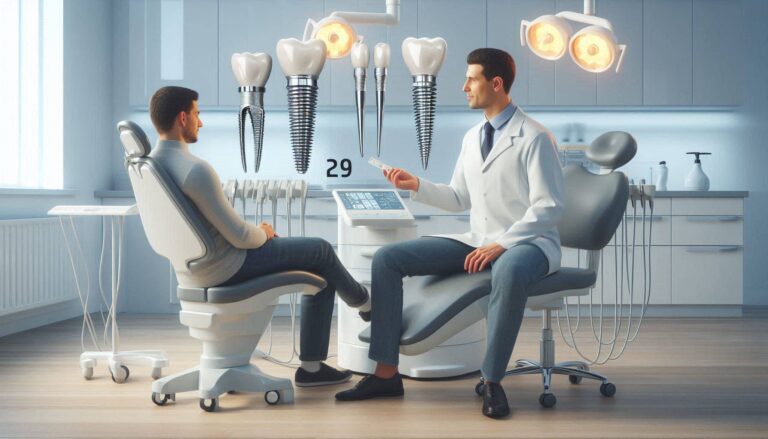
The question forms in the quiet moments after a tooth extraction or in the dentist’s chair when the treatment plan is presented. Do I really need this? It is a fair question, an essential question. A dental implant is a significant investment of time, money, and biological commitment. You deserve a clear, honest, and unpressured answer. This guide is not a sales pitch. It is a realistic decision-making framework. We will examine the consequences of doing nothing, the trade-offs of alternative treatments, and the specific clinical scenarios where an implant is truly the best path forward. The goal is to help you answer the question for yourself, based on your own health, values, and priorities.
The True Cost of Doing Nothing
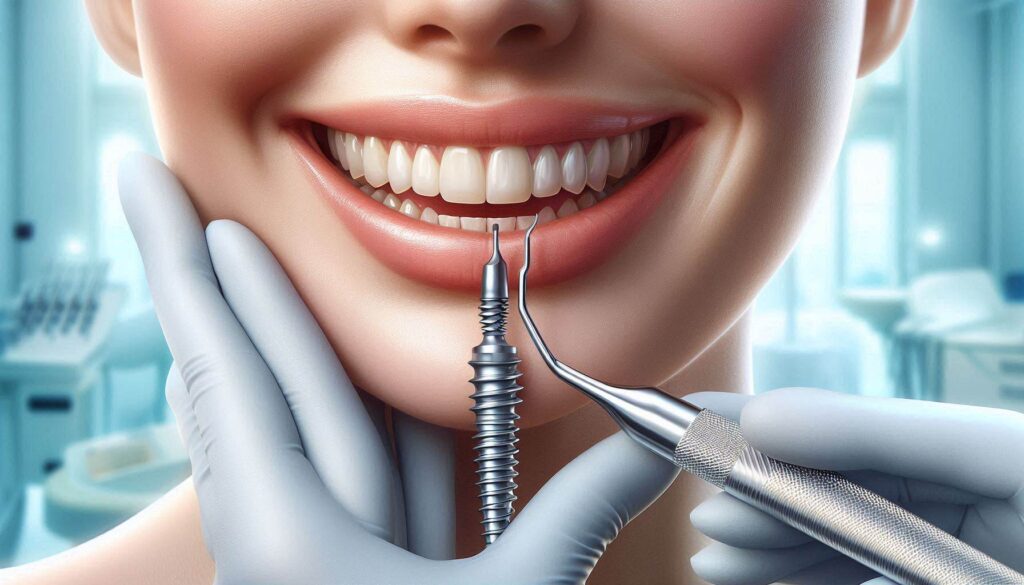
The easiest and cheapest thing to do after losing a tooth is nothing at all. The gap closes slightly. You adapt your chewing to the other side. Life continues. This apparent equilibrium is deceptive. Beneath the gum tissue, a silent, relentless process of destruction has begun. The bone that once cradled the root of your tooth begins to resorb. This is not a slow, gradual decline. The most dramatic bone loss occurs in the first year after extraction, with width decreasing before height. Over a decade, the ridge can atrophy to a thin, knife-edged shelf. This bone loss is permanent and irreversible without complex grafting surgery.
The adjacent teeth, now without their neighbor, begin to drift into the empty space. The upper tooth above the gap, having nothing to bite against, begins to super-erupt, slowly extruding from its socket. This sets off a chain reaction. The tilted tooth develops a plaque-trapping, decay-prone ledge. The super-erupted tooth exposes its softer root surface, vulnerable to sensitivity and decay. The occlusion, the precise way your teeth fit together, becomes disrupted. This can lead to chewing inefficiency, muscle strain, temporomandibular joint pain, and excessive wear on the remaining teeth. The initial simplicity of doing nothing is an illusion. It is a decision to trade a single, localized tooth loss for a progressive, generalized oral health decline. The question is not just “do I need an implant?” but “what is the cost of not replacing this tooth?” The answer, over a five-to-fifteen-year horizon, is often a more complex, more expensive, and more invasive reconstruction than the single implant would have ever been.
The Hidden Consequences of Shifting Teeth
The drifting and tilting of teeth into an edentulous space is not a cosmetic nuisance. It is a biomechanical catastrophe in slow motion. The teeth are designed to receive occlusal forces along their long axes. When a tooth tilts, it begins to receive forces at an oblique, off-axis angle. The periodontal ligament, the specialized tissue that attaches the tooth to the bone, is not designed for these lateral forces. The result is localized bone loss, tooth mobility, and the development of infrabony periodontal defects. A tooth that was perfectly healthy at the time of the extraction becomes a periodontal patient within a few years, solely because of the untreated empty space next to it.
The super-eruption of the opposing tooth is equally destructive. As the tooth moves down or up into the empty space, its root is partially exposed. The cementum covering the root is softer than enamel and more vulnerable to decay. The super-erupted tooth also creates an occlusal interference, a spot where it hits prematurely during chewing. This interference can trigger a protective reflex in the jaw muscles, leading to clenching, grinding, and muscle pain. The simple, passive act of leaving a space untreated is, in biological terms, an active destabilization of the entire stomatognathic system. This is the clinical reality that informs a dentist’s recommendation for a replacement. They are not just filling a hole. They are stabilizing a collapsing arch.
The Bridge Alternative: A Valid Choice with Biological Compromises
For many patients, the real question is not implant versus nothing. It is implant versus a fixed bridge. A bridge is a time-tested, non-surgical solution that can be completed in a matter of weeks. It involves preparing the two teeth adjacent to the gap, shaving them down to small posts, and cementing a three-unit prosthesis that spans the space. The bridge is fixed. It does not come out. It restores chewing function and aesthetics. It prevents the drifting and super-eruption that would occur with an empty space. For a patient who is medically compromised, who cannot undergo surgery, or who has a strong aversion to surgical procedures, a bridge is an excellent and appropriate choice.
The biological cost of the bridge is the irreversible sacrifice of the adjacent teeth. These are perfectly healthy, intact teeth that must be structurally reduced by a significant amount of their enamel and dentin. They are now loaded with the combined chewing forces of themselves and the missing tooth in between. This overload, over years, can lead to complications. Studies show that a significant percentage of bridge abutment teeth require root canal treatment within ten to fifteen years due to the cumulative biological insult of the preparation and the occlusal load. The bridge also does nothing to preserve the bone under the pontic, the false tooth. The ridge continues to resorb, and over time, a gap develops between the gum and the underside of the bridge, creating a food trap and an aesthetic concern. A bridge trades one problem, a missing tooth, for a new set of risks to the neighboring teeth. If you are comfortable with this trade-off, and you understand the long-term maintenance and potential failure modes, a bridge is a perfectly defensible choice.
The Calculus of Conservation
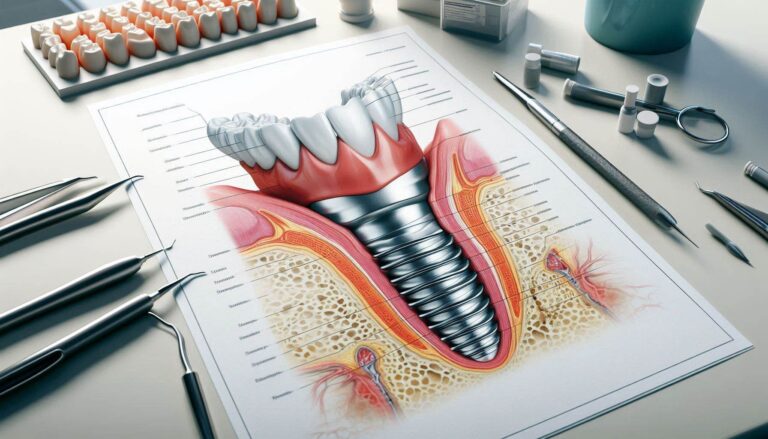
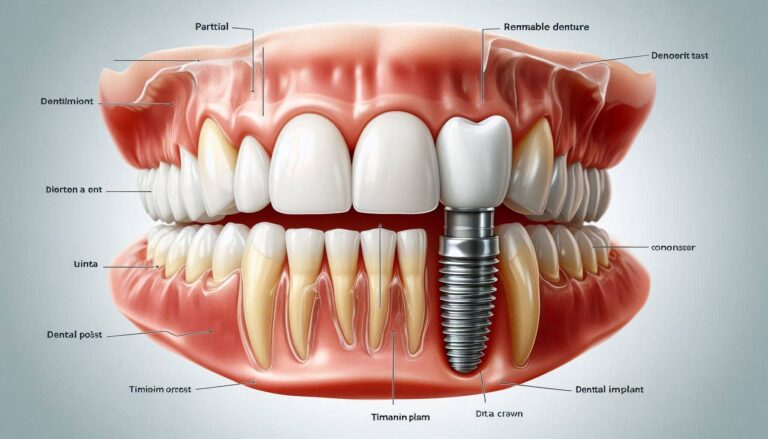
The core philosophy of modern conservative dentistry is the preservation of natural tooth structure. This is the ethical and clinical principle that guides treatment recommendations. A dental implant, by replacing the root, creates a stand-alone unit that does not demand the sacrifice of any healthy tooth structure. The teeth adjacent to the gap remain completely untouched. They bear only their own natural loads. They are not drilled, not traumatized, not placed at increased risk. The implant is the most conservative option from a tooth-preservation standpoint. It is the only option that truly restores the missing unit without collateral damage.
This conservative advantage extends to the future. If a bridge fails due to decay on one of the abutment teeth, the entire three-unit bridge is destroyed. The patient now has two damaged abutment teeth and still has the original missing tooth site. The resulting defect is larger and more complex to restore than the original single-tooth gap. An implant, if it encounters a problem, is a localized issue. The adjacent teeth are unaffected. The failure is contained. This compartmentalization of risk is a powerful concept. In a mouth where the remaining teeth are healthy and have a good long-term prognosis, placing a bridge that connects them to a missing-tooth space is, from a conservative standpoint, a downgrade. The implant keeps the healthy teeth healthy. This is the argument that, for many dentists, makes the implant the standard of care.
The Specific Scenarios Where an Implant Is Strongly Indicated
There are clinical scenarios where the case for an implant is particularly compelling. The first is the single missing posterior tooth at the very back of the arch. If you lose a lower first molar and there is no tooth behind it, a traditional bridge is impossible because there is no posterior abutment tooth. The only fixed option is an implant. A removable partial denture is an alternative, but for a single, terminal tooth in the arch, an implant provides a fixed, functional, non-removable replacement that prevents the super-eruption of the opposing molar. The second scenario is the missing tooth in a mouth full of virgin, perfectly healthy, unfilled teeth. To grind down two pristine teeth for a bridge is, in the eyes of many dentists and patients, an act of dental vandalism. The implant preserves the natural beauty and integrity of a healthy mouth.
The third scenario is the patient with a history of failed bridgework or a strong desire to avoid the maintenance challenges of a bridge. A patient who has experienced the frustration of recurrent decay under a bridge or the difficulty of threading floss under a pontic may find the stand-alone, easy-to-clean nature of an implant to be a liberation. The fourth scenario is the patient who has suffered significant bone loss from a previous extraction and wants to halt the progressive resorption. Only an implant provides the internal stimulation to stop the bone loss. A bridge or a partial will allow the atrophy to continue. The decision in these scenarios is not driven by a vague preference but by a specific clinical or anatomical indication that makes the implant the superior, and sometimes the only, rational choice.
When the Honest Answer Is “No, Not Really”
There are also scenarios where the honest, ethical answer is that an implant is not necessary, or at least not the only good option. A small, single missing upper lateral incisor with two large, heavily filled, or already crowned central incisor and canine may actually be better served by a bridge. In this case, the adjacent teeth are already compromised and in need of full-coverage restorations. Preparing them for a bridge does not sacrifice virgin tooth structure; it simply incorporates the restorations into a single, unified prosthesis. The biological cost of the bridge, in this specific context, is minimal, and the aesthetic result can be outstanding. The implant pathway, while still an option, may require bone grafting and complex soft tissue management, with a longer timeline and a higher risk of an aesthetic compromise.
For a patient of advanced age with significant medical comorbidities, who is frail, who is on multiple anticoagulant medications, and who has a limited life expectancy, a simple, non-surgical approach may be the most compassionate and appropriate care. A well-made removable partial denture or a simple bridge can restore function with minimal biological trespass. The pursuit of a surgical implant in such a patient may impose an unnecessary burden of surgical risk and prolonged healing. The principle of doing no harm is paramount. The best treatment is not always the most technologically advanced treatment. It is the treatment that is best for the individual patient, in their unique life circumstances. A good dentist is a guide, not a salesperson. They will present the options, explain the risks and benefits, and help you find the path that feels right to you.
Conclusion
Whether you truly need a dental implant is a decision measured not just against the gap in your smile but against the long-term cost of doing nothing, which guarantees progressive bone loss, tooth drift, and occlusal collapse. The implant’s unique value lies in its structural independence, replacing the root to preserve bone and requiring no sacrifice of adjacent healthy teeth, making it the most conservative and biologically sound option for a single missing tooth. Yet, in specific situations where adjacent teeth are already heavily restored, or when a patient’s medical fragility tips the risk-benefit scale, a bridge or a partial denture is a perfectly valid, functional, and ethical alternative.
Frequently Asked Questions
Can I just wait a year or two to get an implant after an extraction?
You can, but you must understand the cost. Significant bone resorption occurs in the first year. By waiting, you increase the likelihood that you will need a bone grafting procedure at the time of implant placement, adding cost, time, and surgical complexity to the treatment. The ideal window is often within the first few months.
Is a dental implant worth the extra money compared to a bridge?
From a biological and tooth-preservation standpoint, the answer is almost always yes. The implant protects your healthy natural teeth, preserves your bone, and, over a lifetime, is often the more cost-effective solution when you factor in the long-term maintenance and eventual replacement costs of a bridge.
What if I am not in any pain and the missing tooth doesn’t bother me?
Pain is not a reliable indicator of health. The bone resorption, the tooth drifting, and the occlusal destabilization caused by an untreated missing tooth are largely asymptomatic in their early stages. By the time you feel pain or notice movement, significant, often irreversible, damage has already occurred.
Does every single missing tooth need to be replaced?
In a fully dentate, healthy mouth, replacing a single missing tooth is strongly recommended to preserve arch integrity. In a mouth with multiple missing teeth or a full-arch reconstruction, the treatment plan is holistic. The goal is to create a stable, functional, and aesthetic outcome, which may involve strategically placed implants supporting bridges rather than an implant for every single missing root.
Can I get an implant if I have had a bridge for many years and now it is failing?
Yes, absolutely. This is a very common and excellent use of dental implants. The failing bridge is removed, the abutment teeth are evaluated and restored or extracted as needed, and implants are placed to support a new, independent fixed restoration, often a combination of single crowns and implant-supported bridges.
Additional Resource
The American College of Prosthodontists provides comprehensive, patient-centered information on the full spectrum of tooth replacement options, including the decision-making framework for choosing between bridges, dentures, and implants. Visit their website at: https://www.gotoapro.org/