How Many Laser Teeth Whitening Treatments Are Needed?
A bright, radiant smile often serves as the ultimate confidence booster. When you meet someone new or step into a room full of people, your smile frequently makes the first impression before you even speak a word. You might have tried whitening toothpaste, drugstore strips, or even natural remedies, only to feel disappointed by the slow progress or lackluster results. Now, you find yourself researching professional solutions, and one question keeps surfacing in your mind: How many laser teeth whitening treatments are needed to achieve that dazzling Hollywood smile?
The answer is not a simple universal number. Some people see a dramatic transformation after just one session. Others might require a strategic series of appointments spread across several weeks. The variation depends on your unique dental history, the natural shade of your enamel, your lifestyle habits, and your cosmetic goals.
This guide dives deep into every factor that influences your treatment plan. We will explore the science behind the procedure, break down realistic timelines, and provide honest advice that dental professionals share with their patients. By the time you finish reading, you will know exactly what to expect, how to prepare, and how to maintain your results for as long as possible.
Understanding Laser Teeth Whitening Technology
Before you can determine the number of sessions required, you need to understand what actually happens during a laser whitening appointment. Many people assume the laser itself bleaches the teeth. The reality involves a carefully orchestrated chemical reaction where light energy acts as a catalyst.
What Happens During a Session
A dental professional begins by protecting your gums, lips, and soft tissues. They apply a specialized barrier that prevents the potent whitening gel from touching sensitive areas. Once your mouth is prepped, they paint a hydrogen peroxide or carbamide peroxide gel onto the enamel surfaces of your teeth.
This is where the laser or advanced LED light enters the equation. The concentrated beam directs specific wavelengths of energy onto the gel-covered teeth. This energy excites the peroxide molecules, accelerating the breakdown of complex stain compounds into smaller, colorless particles. The process essentially speeds up the oxidation reaction that would otherwise take days or weeks with at-home kits.
A single in-office cycle usually lasts between fifteen and thirty minutes. Depending on the system your dentist uses, you might undergo multiple cycles during one appointment.
The Difference Between Laser and LED Systems
True laser whitening utilizes a focused, coherent beam of light at a precise wavelength. LED systems employ broad-spectrum light that covers a wider range. Both technologies activate the whitening agent, but laser systems often deliver faster results because of the concentrated energy. However, the term “laser whitening” has become a catch-all phrase in marketing. When you visit a dental office, ask whether they use a genuine laser or an advanced LED accelerator. Either option can produce excellent outcomes, though the number of cycles per visit might differ.
Immediate Versus Gradual Whitening
Laser whitening distinguishes itself from take-home trays through the speed of visible change. You leave the office the same day with teeth that appear several shades brighter. This instant gratification appeals to people with upcoming events, photoshoots, or weddings. However, the rapid dehydration of the enamel during the procedure temporarily makes the teeth appear even whiter than the true final shade. Within a few days, as the enamel rehydrates, the color settles into its lasting baseline.
This phenomenon explains why dentists sometimes recommend a follow-up session a week or two later, rather than performing everything in one marathon appointment. The second session builds on the stable baseline, pushing the brightness further without over-stressing the enamel.
How Many Laser Teeth Whitening Treatments Are Needed? The Honest Answer
Most people seeking noticeable improvement achieve their desired outcome with one to three sessions. Let’s unpack what that range looks like in real life.
A young adult with mild yellowing from daily coffee drinking might walk out thrilled after a single two-cycle session. A middle-aged individual who has smoked for fifteen years and never whitened their teeth might need three full appointments spaced two weeks apart, plus diligent at-home maintenance, to reach a shade they love.
The number hinges on starting shade, stain type, and aesthetic expectations. Let’s explore each variable in depth.
The Single-Session Scenario
A single laser whitening session works beautifully for patients who already have relatively light teeth and want a boost of about two to four shades. These are individuals who maintain good oral hygiene, avoid heavy staining habits, and possess enamel that responds readily to peroxide. If your teeth fall into the A2 to B1 range on the professional shade guide, one well-executed laser treatment can push you into the ultra-bright territory that many people desire.
During this single visit, the dentist typically performs two to three cycles of gel application and light activation. Each cycle lasts fifteen to twenty minutes. By the end, the teeth look visibly transformed. The patient receives aftercare instructions and a take-home maintenance plan.
The Two-Session Plan
When someone asks, “How many laser teeth whitening treatments are needed?” and their teeth show moderate discoloration, two sessions often represent the sweet spot. The first appointment lifts the shade dramatically. The second appointment, scheduled one to two weeks later, refines the result and tackles deeper stains that resisted the initial treatment.
A two-session plan allows the enamel to recover and rehydrate between visits. It also gives the patient time to assess their new shade in different lighting conditions—sunlight, office fluorescents, and evening lamps. Some people realize they want to go even brighter, while others feel satisfied and cancel the second appointment. Flexibility remains key.
The Three-Session Protocol
Severe tetracycline staining, long-term nicotine residue, or naturally dark dentin sometimes requires three sessions. In these cases, the dentist spaces appointments two to three weeks apart. They monitor sensitivity levels closely and may adjust the peroxide concentration for each visit. The goal is steady, safe progress rather than aggressive bleaching that damages pulp tissue.
Patients undergoing three sessions often combine in-office treatments with custom take-home trays. The dentist might instruct them to use a lower-concentration carbamide peroxide gel for a few nights between visits. This hybrid approach extends the whitening trajectory and reduces the total number of laser sessions needed over time.
Why More Is Not Always Better
You might wonder whether you could simply request five or six sessions and achieve blindingly white teeth. Dental professionals caution against this mindset. Enamel has a limit to how much it can lighten. Once you reach the natural white color of your dentin, further bleaching produces no additional benefit and can lead to irreversible damage.
Over-bleaching causes the enamel to lose its natural luster, taking on a chalky, translucent, or blue-gray appearance. It also increases the risk of extreme sensitivity that lingers for months. Responsible dentists identify your saturation point and advise you when to stop.
Factors That Influence the Number of Treatments
Understanding why treatment numbers vary from person to person empowers you to set realistic goals. The following factors play the most significant roles in determining your personal treatment plan.
Your Baseline Tooth Shade
Dental professionals use a standardized shade guide that ranges from A1 (darkest reddish-brown) to B1 (lightest yellowish-white) and beyond into bleached shades. A person starting at A3 needs more sessions than someone starting at A1. The starting point represents the most objective predictor of treatment length.
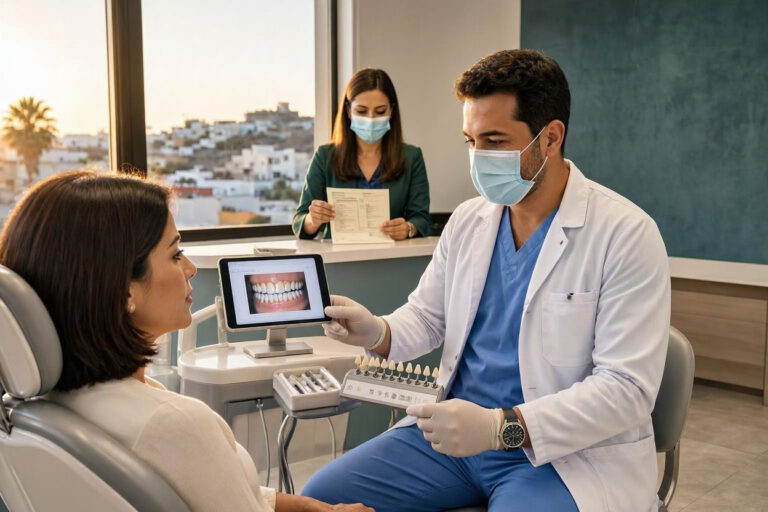
During your consultation, the dentist will hold the shade guide next to your teeth under controlled lighting. They might even take digital photographs for precise comparison. Do not feel discouraged if your starting shade is darker. Modern laser systems can achieve remarkable transformations, but they require patience.
The Nature of the Stains
Stains fall into two broad categories: extrinsic and intrinsic. Extrinsic stains sit on the enamel surface. Coffee, tea, red wine, berries, and tobacco smoke deposit these pigmented molecules. Laser whitening removes extrinsic stains relatively easily, often within one or two cycles.
Intrinsic stains reside deeper, within the dentin layer or even formed during tooth development. Tetracycline antibiotics taken during childhood, excessive fluoride ingestion, or trauma to a tooth can cause intrinsic discoloration. These stains prove more stubborn. Removing them requires multiple sessions and sometimes a combination of in-office and at-home treatments over several months.
Age-related discoloration involves both types. Over decades, the enamel thins, revealing the naturally yellower dentin beneath. At the same time, a lifetime of dietary habits deposits extrinsic stains. This dual challenge frequently pushes the needed number of sessions toward the higher end of the spectrum.
Enamel Thickness and Condition
Thicker, healthier enamel responds more predictably to laser whitening. The peroxide penetrates evenly, and the light energy activates it efficiently. Thinner enamel, often seen in older adults or those with a history of acid erosion, presents a more delicate situation. The dentin shines through more prominently, and aggressive whitening can cause sharp sensitivity. Dentists working with thin enamel often opt for lower peroxide concentrations and more sessions, trading speed for comfort.
Enamel with microscopic cracks or defects also demands caution. The whitening gel can seep into these fissures, irritating the nerve. A careful professional will assess your enamel under magnification before recommending a protocol.
Lifestyle and Dietary Habits
If you smoke cigarettes or drink multiple cups of black coffee daily, you fight an uphill battle. Each laser session lifts existing stains, but new stains begin accumulating the moment you leave the office. Smokers and heavy coffee drinkers often require more frequent maintenance sessions to keep their teeth bright. The initial whitening phase might still take one to two sessions, but the long-term plan involves quarterly or bi-annual touch-ups.
Conversely, someone who drinks water after staining beverages, uses a straw, and brushes diligently may extend the interval between treatments considerably.
Age and Genetic Factors
Genetics determine the natural color of your dentin, the thickness of your enamel, and the porosity of your tooth structure. Some people simply inherit yellower or grayer teeth. Others enjoy naturally bright enamel without ever undergoing a whitening procedure. You cannot change your genetics, but you can work with them. Your dentist will assess your natural tooth characteristics and estimate how many laser teeth whitening treatments are needed to reach a shade that harmonizes with your complexion and features.
Age intersects with genetics. As you grow older, enamel inevitably thins, and dentin darkens. A fifty-year-old with excellent oral hygiene might still need more sessions than a twenty-year-old with similar staining because of these intrinsic changes.
Patient Compliance and Aftercare
The number of sessions does not exist in isolation. Your behavior between and after appointments dramatically impacts the outcome. Patients who follow the dentist’s white-diet instructions, avoid staining foods, and use desensitizing products as directed often achieve their goals with fewer sessions. Those who disregard aftercare advice may see regression and require additional appointments to regain lost brightness.
The Typical Treatment Timeline
Rather than viewing laser whitening as a single event, think of it as a journey with distinct phases. Understanding this timeline reduces anxiety and helps you plan around important life events.
Phase One: Consultation and Assessment
Your journey begins with a comprehensive dental examination. The dentist checks for cavities, gum disease, leaking fillings, or cracked teeth. Whitening compromised teeth can cause excruciating pain and further damage. Any necessary restorative work must happen before whitening begins.
During this consultation, the dentist discusses your shade goals. They might show you before-and-after photos of similar cases. You will receive a realistic estimate of how many sessions you need, how much each session costs, and what kind of results you can expect.
Phase Two: Dental Cleaning
Most dentists insist on a professional cleaning before whitening. Plaque and tartar create a physical barrier that prevents the peroxide gel from contacting the enamel evenly. A thorough cleaning removes surface debris and allows the whitening agent to work uniformly. This step alone can brighten your teeth slightly and improve the final outcome.
Phase Three: The First Laser Session
The first session establishes your new baseline. The dentist isolates your teeth, applies the gel, and activates it with the laser or LED light. You might feel a slight warmth or tingling, but the procedure remains largely comfortable. After the final cycle, the dentist removes the gel, rinses your teeth, and reveals your new shade.
The immediate transformation often elicits gasps of delight. The dentist records your new shade and schedules a follow-up if the plan calls for multiple sessions. You receive detailed aftercare instructions and perhaps a take-home desensitizing kit.
Phase Four: The Inter-Session Period
If you need multiple sessions, the time between appointments matters. Your enamel rehydrates and remineralizes. Any mild sensitivity subsides. The shade settles slightly from the initial dehydration effect. This period lasts from one to three weeks, depending on your sensitivity levels and the dentist’s protocol.
During this time, you maintain a white-friendly diet. You avoid red wine, coffee, tea, cola, soy sauce, balsamic vinegar, berries, and tomato-based sauces. You brush gently with a desensitizing toothpaste and use fluoride rinse to strengthen your enamel.
Phase Five: Subsequent Sessions
The second and possibly third sessions build on the stable baseline. Because the enamel has recovered, the dentist can safely push the brightness further. Each additional session typically produces less dramatic change than the first, but the cumulative effect yields a stunning result.
Phase Six: Long-Term Maintenance
After achieving your goal shade, you enter the maintenance phase. This phase determines whether your results last six months or several years. Your dentist may provide custom take-home trays with a low-concentration gel for periodic touch-ups. You might schedule professional maintenance whitening once or twice a year.
Professional, Realistic Expectations
Marketing images showing snow-white teeth set unrealistic standards. Natural, healthy teeth possess subtle variations in shade and translucency. The canines, for example, are naturally slightly yellower than the central incisors. A uniform, opaque white across every tooth looks artificial and bizarre.
Set your goal to achieve your own teeth’s maximum natural brightness. Your dentist can show you the “white point” beyond which further bleaching becomes counterproductive. A good cosmetic result makes your smile look refreshed, healthy, and vibrant without screaming “I had work done.”
The Shade Guide in Practice
Professional shade guides progress from dark to light. Most patients start somewhere between A3 and B2. A single laser session typically shifts the shade by two to eight tabs on the guide. The exact shift depends on the concentration of peroxide used, the number of cycles performed, and your individual response.
| Starting Shade | Typical Improvement After One Session | Likely Number of Sessions to Reach Optimal White |
|---|---|---|
| B1 (Light yellow-white) | 2-4 shades lighter | 1 session |
| A2 (Medium yellow-brown) | 3-6 shades lighter | 1-2 sessions |
| A3 (Darker yellow-brown) | 4-7 shades lighter | 2 sessions |
| B3 (Yellow-gray) | 3-5 shades lighter | 2-3 sessions |
| C1 (Gray tones) | 2-4 shades lighter | 2-3 sessions, possible combined approach |
| Tetracycline-stained | Variable, 1-3 shades | 3+ sessions, often combined with at-home trays |
This table represents averages drawn from clinical experience. Individual results vary, and your dentist will provide a personalized prognosis.
Comparing Laser Whitening to Other Methods
Context helps you understand why laser whitening often requires fewer sessions than alternative approaches. Let’s compare methods side by side.
| Method | Typical Time to Desired Shade | Number of Appointments/Sessions | Shade Improvement | Sensitivity Risk |
|---|---|---|---|---|
| Laser In-Office | 1 day to 6 weeks | 1-3 in-office visits | 2-8 shades per session | Moderate, transient |
| Custom Take-Home Trays | 1-4 weeks | Nightly use for 7-14 days | 2-6 shades total | Low to moderate |
| Over-the-Counter Strips | 1-4 weeks | Daily use for 10-20 days | 1-4 shades total | Low to moderate |
| Whitening Toothpaste | Months | Ongoing daily use | 1-2 shades total | Minimal |
| Natural Remedies (Charcoal, etc.) | Unpredictable | Ongoing | Minimal, possible enamel damage | Variable, often high |
The speed and power of laser whitening reduce the total number of active treatment days. However, the per-session cost runs higher than other methods. You pay for convenience and immediacy.
The Importance of a Professional Consultation
No article, no matter how detailed, can replace an in-person examination. Your unique dental anatomy, oral health status, and personal goals require professional evaluation. A consultation provides:
Comprehensive Oral Health Screening
The dentist checks for active decay, gum inflammation, enamel erosion, and defective restorations. Whitening diseased teeth leads to severe pain and potential complications. Treating underlying issues first protects your health and ensures the whitening investment pays off.
Shade Matching and Goal Setting
The dentist uses the shade guide under standardized lighting to establish your baseline. They discuss what is achievable and help you set goals that align with your natural tooth characteristics.
Customized Treatment Planning
Based on the examination, the dentist recommends a specific number of sessions, peroxide concentrations, and intersession intervals. They might suggest combining laser whitening with take-home trays for optimal results. This personalized plan answers, once and for all, how many laser teeth whitening treatments are needed for your specific smile.
Sensitivity Assessment
If you already have sensitive teeth, the dentist will adapt the protocol. They might use a lower peroxide concentration, perform fewer cycles per visit, or prescribe a desensitizing regimen before and after treatment. Ignoring sensitivity risks transforms a cosmetic enhancement into a painful ordeal.
Important Note: Never undergo laser teeth whitening at a beauty salon, spa, or non-dental establishment. Only a licensed dental professional possesses the training to protect your gums, assess your oral health, and handle complications. Unlicensed providers risk burning your soft tissues, damaging your enamel, and missing serious dental conditions.
Preparing for Your Laser Whitening Sessions
Proper preparation sets the stage for the best possible outcome with the fewest sessions. Here is how to get ready.
Two Weeks Before
Schedule a dental cleaning and examination. Address any cavities, gum issues, or broken fillings. Begin using a desensitizing toothpaste containing potassium nitrate. This ingredient calms the nerve endings inside your teeth and builds resilience before the whitening session.
One Week Before
Pay attention to your diet. Reduce consumption of deeply pigmented foods and beverages. This step is not strictly necessary for the whitening chemistry, but it prevents new stains from setting in. Consider your schedule and choose a time when you can comfortably follow the post-treatment white diet for at least 48 hours.
The Day Before
Brush and floss thoroughly. Take a “before” selfie in natural daylight for your own records. This image will help you appreciate the transformation and answer the question of how many laser teeth whitening treatments are needed for your personal satisfaction.
The Day Of
Eat a light meal before your appointment. You will be in the chair for an hour or more, and a rumbling stomach adds discomfort. Brush your teeth gently, but avoid irritating your gums. Arrive with clean teeth and a relaxed mindset.
The Laser Whitening Procedure Step by Step
Knowing exactly what happens during the session eliminates fear of the unknown. Let’s walk through the experience.
Step One: Pre-Treatment Photographs
The dental assistant or dentist takes high-resolution photographs of your teeth with the shade guide in the frame. These images serve as objective documentation of your starting point.
Step Two: Isolation and Protection
The dentist places a cheek retractor to keep your lips away from your teeth. They apply a liquid rubber dam or a specialized gingival barrier to cover your gums thoroughly. The barrier is then cured with a small light to harden it. Protective eyewear shields your eyes from the laser or LED light.
Step Three: Application of Whitening Gel
Using a syringe or brush, the dentist carefully paints the hydrogen peroxide gel onto the facial surfaces of your teeth. The gel usually has a concentration between 25% and 40% hydrogen peroxide. The dentist avoids getting the gel on your gums or lips.
Step Four: Light Activation
The dentist positions the laser or LED light over your teeth. The light bathes your smile in specific wavelengths, usually in the blue spectrum. You feel warmth on your teeth. Some systems require the light to remain stationary, while others move slowly across the arch. Each activation cycle lasts between 15 and 20 minutes.
Step Five: Gel Removal and Reapplication
After the cycle ends, the dentist suctions away the used gel. They assess the shade change. If multiple cycles are planned, they apply fresh gel and repeat the activation. Most single sessions include two to three cycles.
Step Six: Final Rinse and Fluoride Application
The dentist removes all remaining gel and the gingival barrier. You rinse your mouth thoroughly. Many dentists apply a fluoride varnish or a desensitizing serum to calm the teeth and start the remineralization process.
Step Seven: Shade Assessment and Photographs
The dentist captures the immediate result with another set of photographs. The difference is often startling. You receive post-care instructions and schedule any follow-up appointments.
Immediate Aftercare: The First 48 Hours
The hours immediately following your session determine how well the results stabilize and how many laser teeth whitening treatments are needed in the future. Adhering to the “white diet” is crucial.
The White Diet Explained
Your enamel pores remain slightly open for 24 to 48 hours after whitening. During this window, your teeth easily absorb pigments from foods and drinks. To protect your investment, consume only white or pale-colored foods and beverages.
Allowed Items:
- Plain chicken or turkey breast
- White fish
- Cauliflower
- Potatoes (without skin)
- White rice
- Plain pasta with cream sauce
- Egg whites
- White bread (no crust)
- Bananas
- Plain yogurt
- Milk
- Water
- Clear coconut water
Forbidden Items:
- Coffee and tea
- Red wine
- Cola and dark sodas
- Soy sauce and dark vinegars
- Ketchup and tomato sauce
- Balsamic dressing
- Berries and cherries
- Beets
- Dark chocolate
- Curry and turmeric
- Tobacco products
- Colored mouthwashes
Practical Tip: Prepare your white diet meals in advance so you are not scrambling when hunger strikes. Keep a water bottle handy and rinse your mouth after eating, even with allowed foods.
Managing Sensitivity
Some sensitivity is normal. It usually manifests as a dull ache or sharp twinges when breathing cold air. Take over-the-counter anti-inflammatory medication if your dentist approves. Use a soft-bristled toothbrush and lukewarm water. Continue the desensitizing toothpaste. Apply any prescribed desensitizing gel to your teeth using the provided trays.
Most sensitivity resolves within 24 to 72 hours. If you experience severe or persistent pain, contact your dentist immediately.
Avoiding Staining Habits
If you smoke, the post-whitening period offers a powerful incentive to quit. Smoking not only restains your newly bright teeth but also harms your gums and overall health. If quitting entirely feels overwhelming, at least abstain for the first 48 hours, and then use nicotine alternatives while you work on cessation.
Long-Term Maintenance: Extending Your Results
Your bright smile represents an investment. Protecting that investment reduces the frequency and number of future laser sessions.
Daily Oral Hygiene
Brush twice daily with a whitening or desensitizing toothpaste. Floss every night. Plaque buildup traps stains and dulls your smile. An electric toothbrush with a timer can improve your brushing effectiveness.
Dietary Modifications
You do not need to abandon coffee and red wine forever. Instead, adopt strategies that minimize their staining impact. Drink staining beverages through a straw to bypass the front teeth. Rinse your mouth with water immediately after consuming pigmented foods or drinks. Wait at least 30 minutes before brushing to avoid abrading acid-softened enamel.
Touch-Up Protocols
Talk to your dentist about a customized touch-up plan. Many patients benefit from one maintenance laser session per year. Others prefer using take-home trays with a 10-15% carbamide peroxide gel for one or two nights every three to six months. Touch-ups keep your smile vibrant without the time and cost commitment of a full initial treatment.
Lifestyle Choices
Quitting smoking, limiting red wine, and moderating coffee intake produce benefits far beyond tooth color. Your overall health improves, and your dental investments last longer. Consider what habits you are willing to change permanently.
Potential Risks and How to Minimize Them
Laser whitening is safe when performed by a qualified professional, but no medical procedure is entirely risk-free. Awareness helps you make informed decisions.
Tooth Sensitivity
The most common side effect. The peroxide molecules penetrate the enamel and can temporarily irritate the nerve within the pulp. Using desensitizing products before and after treatment dramatically reduces this risk. Dentists can also incorporate potassium nitrate and fluoride into the whitening gel or post-treatment protocol.
Gum Irritation
If the gingival barrier is not perfectly applied or if the gel seeps past it, the gums can become irritated. This presents as localized redness or white patches that resolve within a few days. The dentist rinses the area thoroughly and may apply a soothing gel. Proper isolation technique prevents this issue almost entirely.
Enamel Damage from Overuse
Excessive whitening sessions can erode the enamel surface, especially if combined with aggressive brushing and acidic diets. Signs of over-bleaching include a chalky appearance, increased translucency at the edges, and persistent sensitivity. Respect the saturation point your dentist identifies. More sessions do not equal better results.
Uneven Whitening
Teeth with restorations—fillings, crowns, veneers—do not whiten like natural enamel. The peroxide has no effect on porcelain or composite resin. If you have visible restorations on your front teeth, discuss this with your dentist before whitening. You may need to replace the restorations after achieving your desired natural shade to match the new color. This factor can influence how many laser teeth whitening treatments are needed, as you might choose a shade slightly darker than “bleached white” to match existing older restorations.
Special Cases: When More Sessions Are Necessary
Certain situations demand patience and a strategic approach. These cases illustrate why a simple one-size-fits-all answer does not exist.
Tetracycline Staining
Tetracycline antibiotics, commonly prescribed decades ago, bind to calcium in developing teeth and cause deep, banded gray or brown discoloration. These intrinsic stains are notoriously difficult to remove. Patients with tetracycline staining often require an extended treatment plan involving multiple laser sessions spaced over several months, combined with nightly at-home bleaching. Even then, complete elimination may not be possible. Significant improvement, however, remains a realistic goal.
Fluorosis Staining
Excessive fluoride ingestion during childhood produces white spots, brown patches, or mottled enamel. Mild fluorosis often responds well to laser whitening, as the whitening blends the spots with the surrounding enamel. Severe fluorosis with pitted enamel may require a combination of whitening and restorative treatments like microabrasion or composite bonding. The whitening phase can involve two or three laser sessions.
Single Dark Tooth
A tooth that has undergone root canal treatment often darkens over time due to internal tissue breakdown. External laser whitening may not sufficiently lighten this tooth. Instead, the dentist performs internal (walking) bleaching, placing the peroxide agent inside the tooth chamber. This process takes several appointments. Laser activation on the external surface can complement the internal bleaching. The combined approach requires patience but preserves the natural tooth structure.
Smokers
Heavy smokers often present with thick, tenacious brown stains. Laser whitening breaks through these layers effectively, but if the patient continues smoking, the stains return aggressively. In addition to the initial two or three whitening sessions, smokers typically require maintenance treatments every three to four months. The most cost-effective approach for smokers involves combining a laser session with take-home trays and, ideally, smoking cessation.
The Emotional and Psychological Impact of a Brighter Smile
The number of laser treatments addresses a clinical question, but the reason you want whiter teeth is deeply personal. Understanding this emotional dimension helps you appreciate the value of the investment.
A brighter smile often reshapes how you present yourself to the world. You smile more freely in photographs. You laugh without covering your mouth. You feel more confident during job interviews, first dates, and public speaking engagements. This psychological boost extends beyond vanity. Studies in social psychology consistently demonstrate that people perceive individuals with white, healthy teeth as more successful, approachable, and trustworthy.
These intangible benefits do not require “bleached white” teeth. Even a noticeable improvement of a few shades can shift your self-perception. Your goal should center on feeling comfortable and confident, not on matching an artificial ideal.
Technological Advances Reducing the Number of Needed Sessions
Dental technology evolves continuously. Recent innovations aim to minimize the number of in-office visits while maximizing patient comfort.
Dual-Activation Systems
Some modern whitening systems combine LED light activation with enzymatic boosters. These additives accelerate the breakdown of hydrogen peroxide into oxygen radicals, speeding up the whitening reaction. The result is a more efficient single session that may reduce the need for follow-ups.
Enhanced Desensitizers
Built-in desensitizing agents in the whitening gel allow dentists to use higher peroxide concentrations with less discomfort. Patients tolerate longer or more intense cycles in one sitting, achieving more shade change in fewer sessions.
Laser Wavelength Optimization
Researchers have identified specific laser wavelengths that optimize peroxide activation while minimizing thermal effects on the pulp. Erbium and diode lasers with precise targeting allow for efficient whitening with reduced sensitivity, potentially condensing the treatment timeline.
Digital Smile Design Integration
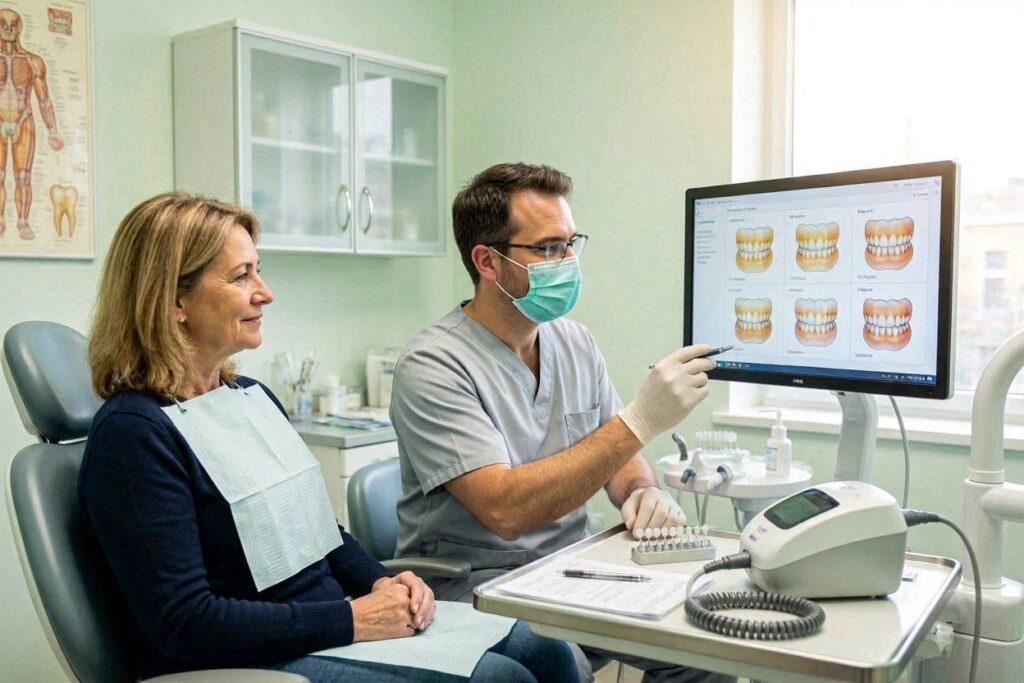
Some practices now integrate digital smile design software that simulates the expected outcome based on your current shade and selected treatment plan. Seeing a realistic preview helps you and your dentist agree on the target shade and the estimated number of sessions before any gel touches your teeth.
These advancements continue to shift the answer to “How many laser teeth whitening treatments are needed?” downward, with more patients achieving their goals in a single comprehensive visit.
Choosing the Right Provider
The skill and ethics of the provider impact your results more than the brand of laser or the concentration of gel. When selecting a dental professional, consider the following:
Credentials and Experience
Look for a dentist with specific training in cosmetic dentistry and laser procedures. Membership in professional organizations such as the American Academy of Cosmetic Dentistry indicates a commitment to ongoing education and ethical standards.
Before-and-After Portfolio
Ask to see before-and-after photographs of actual patients treated by that dentist. Pay attention to cases similar to yours in terms of starting shade and staining type. This visual evidence reveals the dentist’s skill and realistic outcomes.
Consultation Thoroughness
A dentist who rushes through the consultation without examining your teeth, discussing your health history, and explaining the procedure’s risks and limitations should raise a red flag. A thorough consultation takes time and establishes trust.
Honesty About Limitations
The best cosmetic dentists openly discuss what whitening cannot achieve. They explain that existing restorations will not whiten, that certain intrinsic stains may resist full removal, and that there exists a natural endpoint beyond which further bleaching provides no benefit. Choose a provider who sets realistic expectations rather than promising miracles.
Cost Considerations and Value
The price of laser teeth whitening varies widely based on location, provider expertise, and the number of sessions included in the treatment package. Understanding cost helps you budget appropriately.
A single laser session in the United States typically ranges from $400 to $1,500. Some practices offer package deals for two or three sessions at a reduced per-session rate. When comparing costs, clarify what the fee includes:
- The initial consultation
- Pre-treatment cleaning
- The whitening procedure itself
- Post-treatment fluoride or desensitizing application
- Take-home maintenance kit
- Follow-up visits
The cheapest option is rarely the best value. A lower fee might mean rushed treatment, lower peroxide concentration, fewer activation cycles, or lack of proper isolation. Investing in quality care reduces the likelihood of needing corrective work and additional sessions later.
Consider the cost per year of a bright smile. If you spend $800 on a comprehensive whitening plan that lasts two years with proper maintenance, that breaks down to roughly $1.10 per day. Most people find this a reasonable investment in their confidence and appearance.
Common Myths About Laser Whitening
Misinformation clouds the decision-making process. Let’s debunk some persistent myths.
Myth: One Laser Session Gives Permanently White Teeth
Reality: Results last anywhere from six months to three years, depending on your habits and maintenance. Touch-ups are necessary for long-term brightness.
Myth: Laser Whitening Damages Enamel
Reality: When performed correctly by a professional, laser whitening does not permanently damage healthy enamel. The reversible dehydration and slight demineralization heal within days.
Myth: You Need Ten Sessions for Extreme Stains
Reality: Most patients max out their natural white point after one to three sessions. Additional sessions beyond this point yield no benefit and can cause harm.
Myth: At-Home LED Kits Deliver the Same Results
Reality: Over-the-counter LED kits use a much lower concentration of peroxide and a less powerful light. They whiten teeth gradually but cannot match the speed and potency of professional laser treatment.
Myth: Whitening Works on All Teeth
Reality: Restorations, veneers, and crowns do not whiten. Only natural tooth structure responds to the peroxide.
Frequently Asked Questions
How long does a single laser whitening session take?
Most sessions last between 60 and 90 minutes from start to finish, including preparation, whitening cycles, and post-treatment care.
Does laser whitening hurt?
Most patients experience little to no pain during the procedure. You may feel warmth or tingling. Sensitivity after the session is common and temporary.
Can I get laser whitening if I have sensitive teeth?
Yes. Inform your dentist beforehand. They will adjust the protocol using lower concentrations, shorter cycles, and desensitizing products to keep you comfortable.
How white can my teeth realistically get?
Realistic results reach the natural white point of your dentin, often translating to the lightest shades on the professional guide. You cannot achieve a shade lighter than your natural tooth structure allows.
How many laser teeth whitening treatments are needed for severely stained teeth?
Severely stained teeth from tetracycline, fluorosis, or long-term smoking typically require two to three in-office sessions combined with at-home maintenance. Some cases need more extensive treatment plans.
Will my existing fillings or crowns whiten?
No. Composite resin, porcelain, and metal restorations retain their original color. Plan to replace visible restorations after whitening if you want a uniform appearance.
How soon before a wedding or event should I get laser whitening?
Schedule your final session at least two weeks before the event. This allows any sensitivity to resolve and the shade to settle to its final color. Do not whiten the day before, as temporary dehydration can make teeth appear unnaturally white.
Can pregnant or breastfeeding women undergo laser whitening?
Most dentists recommend postponing elective cosmetic procedures during pregnancy and breastfeeding due to the lack of safety studies in these populations.
Is laser whitening safe for teenagers?
Dentists usually recommend waiting until all permanent teeth have fully erupted and the pulp chambers have matured, typically around age 16 to 18. Younger patients also have a higher sensitivity risk.
Conclusion
Figuring out how many laser teeth whitening treatments are needed depends entirely on your unique dental makeup, the type of discoloration you carry, and the brightness goal you have in mind. Most patients walk out with a dramatically improved smile after just one session, while those tackling deeper, intrinsic staining may find their ideal result after two or three visits spaced carefully apart. Beyond the numbers, choosing a skilled professional, preparing your teeth properly, and committing to disciplined aftercare make the real difference between a fleeting change and a luminous smile that endures for years.
Additional Resource
For reliable, research-backed information on tooth whitening safety and efficacy, visit the American Dental Association’s oral health resources at www.ada.org.
Disclaimer: This article provides educational information and does not constitute medical or dental advice. Always consult a licensed dental professional for personalized guidance regarding your oral health and cosmetic treatment options.