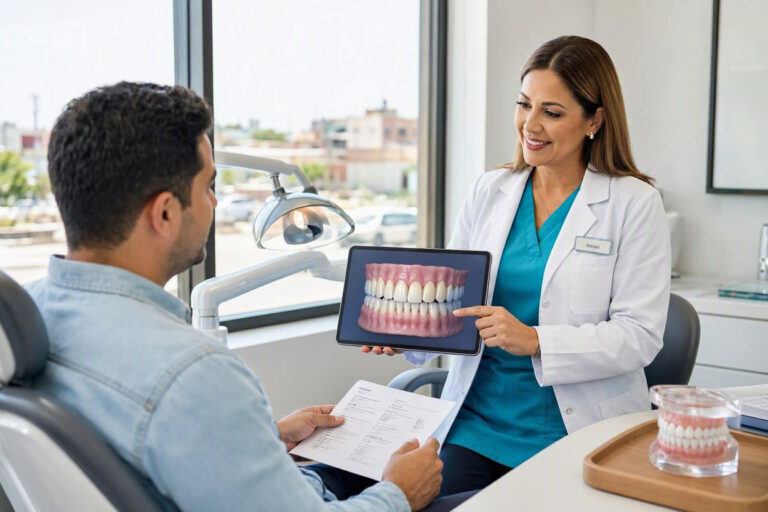
How Much Does It Cost To Get Veneers On Every Tooth?
Getting veneers on every tooth typically costs between $8,000 and $30,000 for a full set. The national average in the United States is around $16,000 to $20,000 for 16 to 20 veneers. If you only cover the teeth that show when you smile—usually 10 to 12 teeth—the cost ranges from $5,000 to $25,000. The final price depends on your location, the dentist you choose, the material used, and whether you need both upper and lower arches. This guide explains the real costs, the factors that change them, and how to make smart financial choices.
What Does “Veneers On Every Tooth” Mean?
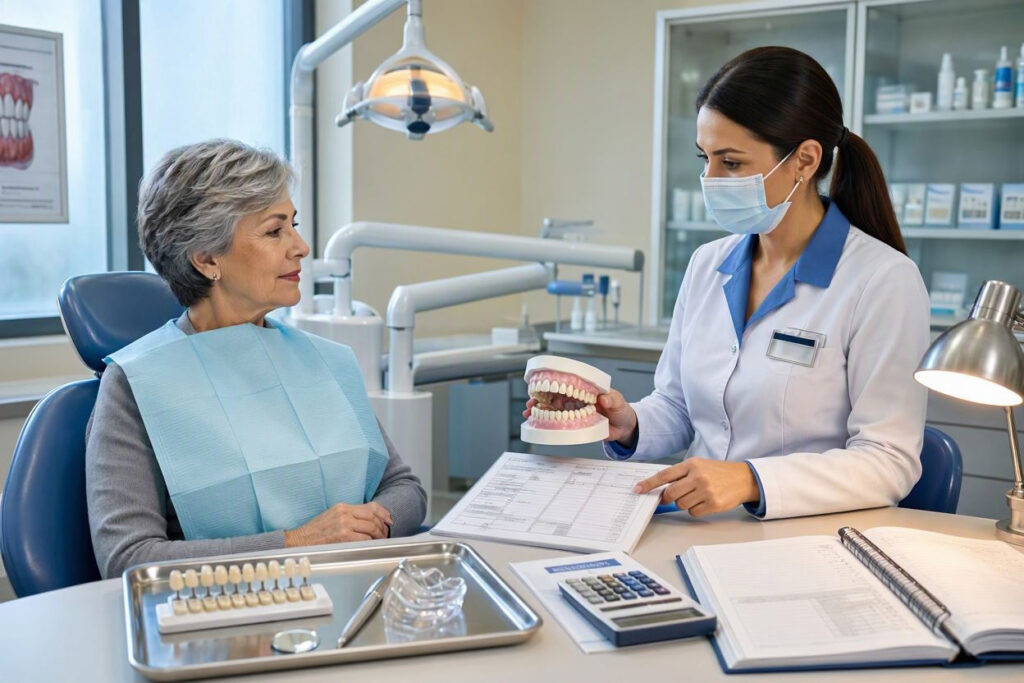
When people say “veneers on every tooth,” they usually mean one of two things. Some want a full-mouth makeover that covers all visible teeth in both the upper and lower arches. That is typically 16 to 20 veneers. Others only want veneers on the teeth that show when they smile. That is usually 10 to 12 veneers—six to eight on top and four to six on the bottom.
In rare cases, a patient may want veneers on all 28 to 32 teeth. This is uncommon because back teeth are not visible and do not need cosmetic coverage. It is also very expensive. Most dentists recommend focusing on the smile zone to get the best value.
Types Of Veneers And Their Costs
The material you choose has a huge impact on the total price. Here is a comparison of the most common options.
| Type of Veneer | Typical Cost Per Tooth | How Long It Lasts | Best For |
|---|---|---|---|
| Composite (direct) | $250–$800 | 5–7 years | Budget-friendly, same-day |
| Porcelain (lab-made) | $800–$2,500 | 10–15 years | Natural look, durability |
| Minimal-prep porcelain | $900–$2,500 | 10–15 years | Healthy teeth, less drilling |
| Premium porcelain (branded) | $1,200–$3,000 | 15–20 years | High-end smile makeovers |
| Zirconia | $1,000–$2,500 | 10–15 years | Strength and aesthetics |
Composite veneers are the cheapest option. They are applied directly to the tooth and shaped by the dentist. Porcelain veneers are made in a lab and bonded to the tooth. They look better and last longer. Premium brands like Lumineers or Da Vinci cost more but may offer specific benefits. Zirconia is strong and looks natural, but it is not as translucent as porcelain.
Typical Cost Ranges For Full Sets
Prices vary widely by region and practice. Here is a realistic breakdown for the United States.
| Number of Teeth | Low Estimate | Average Estimate | High Estimate |
|---|---|---|---|
| 6 veneers (upper front) | $3,000 | $7,200 | $15,000 |
| 8 veneers (upper smile) | $4,000 | $9,600 | $20,000 |
| 10 veneers (upper and lower) | $5,000 | $12,000 | $25,000 |
| 12 veneers (full smile) | $6,000 | $14,400 | $30,000 |
| 16 veneers (both arches) | $8,000 | $19,200 | $40,000 |
| 20 veneers (full mouth) | $10,000 | $24,000 | $50,000+ |
These prices usually include the dentist’s time, lab work, and the veneer material. They may not include the initial exam, X-rays, temporary veneers, or follow-up visits. Always ask for a written estimate before treatment.
What Affects The Price?
Many factors change the final cost. Knowing them helps you compare quotes fairly.
Geographic Location
Dental fees are higher in big cities and lower in rural areas. A full set of veneers in Los Angeles, New York, or Miami may cost 50% more than the same work in a small town in the Midwest. Rent, salaries, and taxes all affect overhead. Some dentists in high-end areas charge $3,000 per tooth or more.
Dentist’s Experience And Reputation
A general dentist may charge less than a cosmetic dentist. Cosmetic dentists specialize in smile makeovers. They often charge premium fees. A dentist with many years of experience and a strong reputation may also charge more. Some celebrity dentists charge $5,000 or more per tooth.
Material Used
Composite veneers are cheaper than porcelain. Porcelain veneers are cheaper than premium branded porcelain or zirconia. The material affects the look, durability, and price. Some dentists offer a mix of materials—porcelain on the front teeth and composite on the back. This can save money without sacrificing appearance.
Number Of Teeth
The more teeth you cover, the higher the total cost. Some patients only need six to eight veneers on the upper arch. Others want a full smile makeover with twelve to twenty veneers. The price per tooth may drop slightly when you buy in bulk, but the total still adds up quickly.
Complexity Of The Case
A simple case with healthy teeth is cheaper. If you need gum contouring, tooth reshaping, or bite adjustments, the cost goes up. Some patients need orthodontics first to straighten their teeth. That adds thousands of dollars to the total. If you have crowns or bridges, those may need to be replaced to match the new veneers.
Dental Lab Fees
Porcelain veneers are made in a dental lab. The lab charges the dentist for materials and labor. Some dentists use high-quality labs with master technicians. Others use cheaper labs. The lab fee is passed on to you. In-house composite veneers avoid lab fees, which is why they are cheaper.
Temporary Veneers
While your permanent veneers are being made, you may need temporary veneers. These protect your teeth and let you smile during the waiting period. Temporary veneers cost $100–$500 per arch. Some dentists include them in the total fee. Others charge separately.
Insurance Coverage
Dental insurance almost never covers veneers. Most plans consider them cosmetic. Some plans may cover part of the cost if the veneer is medically necessary. For example, if a tooth is severely damaged, insurance might pay for a crown instead. Always check with your insurance company before treatment.
How The Process Works
Knowing the steps helps you understand where your money goes.
- Consultation and exam. The dentist checks your teeth and discusses your goals. X-rays may be needed. Cost: $50–$200.
- Treatment planning. The dentist designs your new smile. This may include digital imaging or a wax-up. Cost: $100–$500.
- Tooth preparation. The dentist removes a thin layer of enamel from the front of your teeth. This is usually 0.3–0.5 mm per tooth. Cost: included in the veneer fee.
- Impressions. The dentist takes a mold of your teeth. This is sent to the lab. Cost: $50–$150.
- Temporary veneers. You get temporary veneers while the lab makes your permanent ones. Cost: $100–$500 per arch.
- Lab work. The lab makes your custom veneers. This takes one to three weeks. Cost: the largest part of the bill.
- Bonding. The dentist tries on the veneers and bonds them to your teeth. Cost: included in the veneer fee.
- Follow-up. You may need a follow-up to check your bite. Cost: usually included.
Some dentists offer same-day veneers with composite. Others require multiple visits for porcelain. The process affects the total price.
How To Save Money On Full Mouth Veneers
You do not have to pay the highest price. Here are practical ways to lower your costs.
- Ask for a cash discount. Many dentists offer 5–10% off if you pay upfront.
- Use a dental school. Some dental schools offer cosmetic dentistry at lower rates. Students work under close supervision. Quality is often excellent.
- Compare at least three quotes. Call different offices and ask for a written estimate for the same service.
- Choose composite veneers. They are cheaper than porcelain and can be placed in one visit.
- Cover fewer teeth. If you only need to fix the teeth that show, you can save thousands.
- Consider dental tourism. Some patients travel to Mexico, Costa Rica, or Thailand for cheaper veneers. Research the dentist carefully.
- Use an HSA or FSA. Health savings accounts and flexible spending accounts let you pay with pre-tax dollars.
- Ask about payment plans. Many offices offer zero-interest financing for 6–12 months.
- Negotiate. Do not be afraid to ask for a lower fee or a bundled price for multiple veneers.
- Do it in stages. Some dentists will do the upper arch first and the lower arch later. This spreads out the cost.
Important note: Do not choose a dentist based only on price. Poorly made veneers can look fake, fall off, or cause bite problems. Quality matters. A cheap veneer that needs to be replaced in two years is not a bargain.
Real-World Examples
Example 1: Eight upper porcelain veneers in a small town.
A patient wants to fix eight upper teeth. The dentist uses porcelain. The total cost is $8,000. Insurance does not cover it. The patient pays the full amount. The office offers a 5% cash discount, so the patient pays $7,600.
Example 2: Twelve porcelain veneers in a large city.
A patient wants a full smile makeover on twelve teeth. The dentist is a cosmetic specialist. The total cost is $24,000. Insurance does not cover it. The patient uses a payment plan over 24 months with zero interest.
Example 3: Sixteen composite veneers at a dental school.
A patient wants veneers on sixteen teeth. The patient goes to a dental school. The total cost is $8,000. The patient pays with an HSA. The treatment takes longer but costs much less than a private practice.
These examples show how much prices can vary. Your own quote will depend on your unique needs.
Quotations From Dental Professionals
“Full mouth veneers are a big investment. I always ask my patients about their goals and budget. Sometimes we can achieve a great result with fewer veneers. It is not always necessary to cover every tooth.” — Cosmetic dentist in California.
“I see many patients who want veneers on every tooth because they saw them on social media. I always explain the risks and the costs. Veneers are not reversible. Once you prepare the teeth, you cannot go back.” — General dentist in Florida.
Frequently Asked Questions
How long do full mouth veneers last?
Porcelain veneers last 10–15 years with good care. Composite veneers last 5–7 years. Good oral hygiene and regular dental visits help them last longer.
Does getting veneers on every tooth hurt?
The procedure is not painful. The dentist uses local anesthesia if needed. You may feel mild sensitivity afterward. This usually goes away in a few days.
Can I eat with full mouth veneers?
Yes. You can eat most foods. Avoid biting your nails, opening packages, or chewing on hard objects. These habits can damage your veneers.
Will my insurance pay for veneers on every tooth?
Most dental plans do not cover veneers because they are considered cosmetic. Some plans may cover part of the cost if the veneer is medically necessary. Check with your insurance company.
What if I do not like my veneers?
You should discuss your goals with your dentist before treatment. If you are not happy with the result, talk to your dentist. Some offices offer a satisfaction guarantee. Others may charge for adjustments.
Can veneers be whitened?
No. Porcelain veneers do not respond to whitening agents. If you want whiter teeth, you should whiten before getting veneers. Your dentist will match the veneer color to your whitened teeth.
What is the difference between veneers and crowns?
Veneers cover only the front surface of the tooth. Crowns cover the entire tooth. Crowns are used for damaged or weak teeth. Veneers are used for cosmetic improvements.
How do I care for my veneers?
Brush twice a day with a soft toothbrush. Floss daily. Avoid abrasive toothpaste. Visit your dentist every six months for a checkup and cleaning.
Can I get veneers if I have gum disease?
You need to treat gum disease first. Veneers can make gum disease worse if it is not controlled. Your dentist will evaluate your gums before treatment.
How much do full mouth veneers cost in other countries?
Veneers in Mexico cost $300–$800 per tooth. In Costa Rica, they cost $400–$900. In Thailand, they cost $500–$1,000. In the UK, they cost £400–£1,000. Prices vary by location and quality.
Is it better to get veneers on every tooth or just the front ones?
Most dentists recommend veneers only on the teeth that show when you smile. This is usually 10 to 12 teeth. Covering every tooth is expensive and often unnecessary. Your dentist can help you decide.
Additional Resources
For more information on veneers and cosmetic dentistry, visit the American Dental Association at ada.org. You can also check with the American Academy of Cosmetic Dentistry at aacd.com for a list of qualified cosmetic dentists.
Conclusion
Getting veneers on every tooth costs between $8,000 and $30,000 for a full set, with most people paying around $16,000 to $20,000. The price depends on your location, dentist, material, and the number of teeth. Always get a written estimate and choose a qualified dentist. Veneers are an investment in your smile, so take the time to do your research and plan your budget.