How Much Does Private Dental Care Cost?
You’ve been going to an NHS dentist for years. But now you can’t get an appointment. Or you’ve moved to a new area and the waiting list is months long. Maybe you want a specific treatment that the NHS doesn’t offer. Or perhaps you simply want more choice, more time, and more personalized care.
Whatever the reason, you’re considering private dental care. And you’re wondering: How much will it actually cost?
Private dentistry has a reputation for being expensive. And it can be. But it’s also more varied than many people realize. Prices range from surprisingly affordable to eye-wateringly high, depending on what you need and where you go.
In this comprehensive guide, we’ll break down everything you need to know about private dental care costs. We’ll look at prices for every common procedure. We’ll explain what affects costs, compare private and public options, and help you decide if private care is worth it for you. We’ll also cover payment plans, insurance, and how to find a good private dentist.
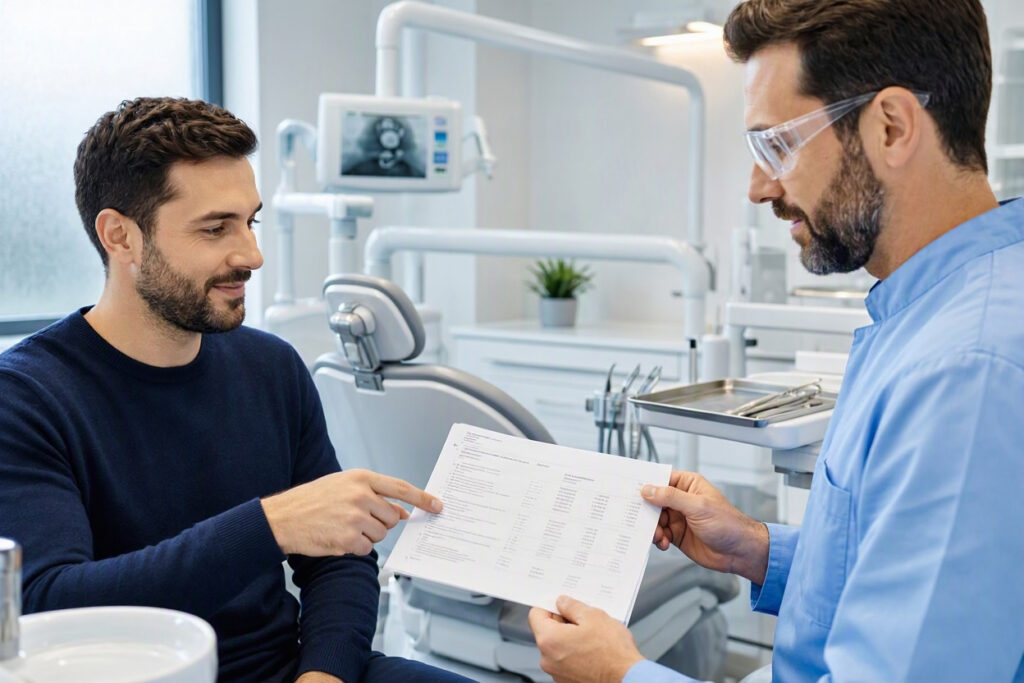
What Is Private Dental Care?
Private dental care is dental treatment that you pay for directly, rather than through a government-funded system. In countries with public dental systems—like the UK, Canada, Australia, and parts of Europe—private dentistry exists alongside public care.
In the UK, for example, the NHS provides dental care at subsidized rates. But NHS dentistry has become increasingly difficult to access. Many people now turn to private care instead.
In the US, most dental care is private. Insurance may cover part of the cost, but you pay the rest.
In Canada, dental care is mostly private, though some provinces offer limited public coverage.
Private dental care offers several advantages:
Choice: You can choose your dentist, your treatment, and your materials.
Speed: You can usually get an appointment quickly.
Time: Private appointments are often longer. Your dentist has more time to explain and discuss.
Advanced treatments: Private dentists offer treatments that may not be available publicly, such as implants, orthodontics, and cosmetic dentistry.
Comfort: Private practices often have nicer facilities and more comfortable appointments.
Continuity: You see the same dentist each time.
But private care also has disadvantages:
Cost: Private care is more expensive than public care.
No subsidies: You pay the full cost unless you have insurance.
Variable quality: Private dentists vary in quality. You need to choose carefully.
As one private dentist explains, “Private dentistry isn’t just about money. It’s about having the time and freedom to provide the best possible care for each patient. We’re not rushed. We can focus on prevention and long-term health.”
The Big Question: How Much Does Private Dental Care Cost?
Now let’s get to the numbers. Private dental care costs vary widely depending on the procedure, your location, and the dentist.
Here are typical price ranges in the UK for private treatment:
| Procedure | Low End | Average | High End |
|---|---|---|---|
| New Patient Exam | £40 | £60-£100 | £150 |
| Routine Exam | £30 | £45-£75 | £100 |
| Scale and Polish | £40 | £60-£100 | £150 |
| X-rays (per film) | £10 | £15-£30 | £50 |
| Composite Filling | £90 | £120-£200 | £350 |
| Amalgam Filling | £60 | £80-£120 | £200 |
| Root Canal (Front) | £250 | £350-£500 | £800 |
| Root Canal (Molar) | £350 | £500-£700 | £1,200 |
| Extraction (Simple) | £80 | £120-£200 | £350 |
| Extraction (Surgical) | £150 | £200-£350 | £600 |
| Wisdom Tooth Removal | £200 | £300-£500 | £900 |
| Porcelain Crown | £400 | £600-£900 | £1,500 |
| Zirconia Crown | £500 | £700-£1,000 | £1,800 |
| Gold Crown | £450 | £650-£950 | £1,500 |
| Bridge (3 units) | £900 | £1,200-£2,000 | £3,500 |
| Denture (Partial) | £400 | £600-£1,000 | £2,000 |
| Denture (Full) | £600 | £900-£1,500 | £3,000 |
| Dental Implant | £1,500 | £2,000-£2,800 | £4,500 |
| All-on-4 (Per Arch) | £8,000 | £10,000-£15,000 | £25,000 |
| Teeth Whitening | £200 | £300-£500 | £800 |
| Porcelain Veneer | £400 | £600-£900 | £1,500 |
| Composite Veneer | £150 | £250-£400 | £700 |
| Invisalign (Full) | £2,000 | £2,800-£4,000 | £6,000 |
| Traditional Braces | £1,500 | £2,000-£3,500 | £5,000 |
These prices are approximate. They vary by practice, location, and the complexity of your case. Always ask for a written treatment plan with itemized costs.
What About a Private Dental Plan?
Many private dentists offer dental plans. These are monthly subscription plans that cover routine care and give you discounts on other treatments.
| Plan Type | Monthly Cost | What’s Included |
|---|---|---|
| Basic | £10 – £20 | 2 exams, 2 cleanings, 10% off other treatments |
| Standard | £20 – £35 | 2 exams, 2 cleanings, X-rays, 15% off other treatments |
| Comprehensive | £35 – £60 | 2 exams, 4 cleanings, X-rays, 20% off other treatments |
| Premium | £60 – £100 | Everything above, plus emergency care, 25% off |
Dental plans can save you money if you go regularly. They also spread the cost of routine care over the year.
Private Dental Care Costs by Country
Private dental costs vary significantly around the world. Here’s how they compare for some common procedures.
| Country | Exam (USD) | Filling (USD) | Crown (USD) | Implant (USD) |
|---|---|---|---|---|
| United States | $50 – $300 | $150 – $400 | $800 – $2,500 | $3,000 – $6,000 |
| United Kingdom | $50 – $150 | $120 – $350 | $500 – $1,500 | $2,000 – $4,500 |
| Canada | $50 – $150 | $100 – $300 | $600 – $2,000 | $2,500 – $5,000 |
| Australia | $50 – $200 | $150 – $400 | $800 – $2,500 | $3,000 – $6,000 |
| Ireland | €40 – €100 | €80 – €200 | €600 – €1,800 | €2,000 – €4,000 |
| France | €30 – €80 | €50 – €150 | €400 – €1,200 | €1,500 – €3,000 |
| Germany | €40 – €100 | €60 – €180 | €500 – €1,500 | €1,800 – €3,500 |
| Spain | €30 – €70 | €40 – €120 | €300 – €900 | €1,200 – €2,500 |
The US is generally the most expensive. European countries are often cheaper. But quality varies, so it’s important to research.
What Affects the Cost of Private Dental Care?
Many factors influence what you’ll pay. Let’s look at the most important ones.
1. Your Location
Prices vary by country, region, and city. In the UK, London is the most expensive. Rural areas are cheaper.
| Region (UK) | Average Crown Cost |
|---|---|
| London | £800 – £1,200 |
| South East | £700 – £1,000 |
| South West | £600 – £900 |
| Midlands | £550 – £850 |
| North West | £500 – £800 |
| North East | £500 – £750 |
| Scotland | £550 – £850 |
| Wales | £500 – £800 |
| Northern Ireland | £500 – £800 |
2. The Dentist’s Experience
A specialist charges more than a general dentist. A dentist with decades of experience charges more than a new graduate. But experience matters, especially for complex procedures.
3. The Practice
A luxury practice in a prime location charges more than a small practice in a residential area. But higher prices don’t always mean better care.
4. The Materials
Premium materials cost more. For example:
- Gold crowns cost more than porcelain
- Zirconia implants cost more than titanium
- Premium whitening systems cost more than generic ones
5. The Complexity of Your Case
A simple filling costs less than a complex one. A single implant costs less than All-on-4.
6. Additional Procedures
You may need:
- X-rays: £10 – £50 per film
- CT scan: £100 – £300
- Bone grafting: £500 – £2,000
- Sinus lift: £1,000 – £2,500
- Sedation: £100 – £400
These add to the total cost.
7. Time of Year
Some practices offer promotions at certain times of year. January and September are common times for dental promotions.
8. Payment Method
Some practices offer discounts for upfront payment. Others charge more for payment plans.
9. Insurance Coverage
If you have private dental insurance, your out-of-pocket cost will be lower. But coverage varies.
10. Dental Plan Membership
If you’re a member of a dental plan, you’ll get discounts on treatments.
Private vs. NHS Dental Care: What’s the Difference?
In the UK, the NHS provides dental care at subsidized rates. But private care offers more choice and faster access. Let’s compare.
| Feature | NHS | Private |
|---|---|---|
| Cost | £25.80 – £306.80 (Band 1-3) | £40 – £25,000+ |
| Waiting Times | Weeks to months | Usually days |
| Choice of Dentist | Limited | Full choice |
| Materials | Limited | Full range |
| Cosmetic Treatments | Rarely available | Widely available |
| Appointment Length | Shorter | Longer |
| Continuity | May see different dentists | Usually same dentist |
| Advanced Treatments | Limited | Widely available |
NHS Dental Charges (England, 2024)
- Band 1: £25.80 (exam, diagnosis, advice, preventive care)
- Band 2: £70.70 (fillings, extractions, root canals)
- Band 3: £306.80 (crowns, bridges, dentures)
Some people are exempt from NHS charges, including under-18s, pregnant women, new mothers, and people on certain benefits.
Is Private Worth the Extra Cost?
It depends on your priorities.
Choose NHS if:
- You’re on a tight budget
- You don’t mind waiting
- You don’t need cosmetic treatment
- You’re happy with the materials available
Choose private if:
- You want faster access
- You want more choice
- You need cosmetic treatment
- You want advanced treatments like implants
- You value longer appointments and personalized care
As one dentist explains, “The NHS does a great job with limited resources. But private dentistry allows us to provide the level of care we’d want for our own families.”
Does Insurance Cover Private Dental Care?
Insurance coverage for private dental care varies. Let’s break it down.
Private Dental Insurance
Private dental insurance works like other insurance. You pay a monthly premium. In return, the insurer pays a portion of your dental bills.
Typical coverage:
- Preventive care (exams, cleanings): 100% covered
- Basic care (fillings, extractions): 80% covered
- Major care (crowns, bridges): 50% covered
Annual maximum: Usually £500 to £2,000.
Waiting periods: Many plans have waiting periods for major procedures.
Cost: £10 to £50 per month.
What About Employer-Sponsored Insurance?
Some employers offer dental insurance as a benefit. These plans are often cheaper than individual plans.
What About Dental Payment Plans?
These are monthly subscription plans offered by dental practices. You pay a set amount each month, which covers routine care and gives you discounts on other treatments.
What If You Don’t Have Insurance?
You’ll pay the full cost. But many private dentists offer payment plans or discounts for upfront payment. Ask about these options.
How to Save on Private Dental Care
You don’t have to pay full price. Here are practical ways to reduce your costs.
1. Get Multiple Quotes
Prices vary. Get at least three quotes before deciding.
2. Join a Dental Plan
Dental plans offer discounts on treatments. If you go regularly, the savings can be significant.
3. Ask About Payment Plans
Many practices offer in-house financing. You can spread the cost over several months. Some plans are interest-free.
4. Choose a Less Expensive Material
Composite fillings cost less than gold. Porcelain-fused-to-metal crowns cost less than zirconia. Choose what’s right for your needs and budget.
5. Negotiate
It never hurts to ask. Some dentists offer discounts for upfront payment or for multiple treatments.
6. Go to a Dental School
Dental schools offer discounted treatment performed by supervised students. Savings can be 30-50%.
7. Use an HSA or FSA
If you have a Health Savings Account or Flexible Spending Account, you can use pre-tax dollars for dental care.
8. Time It Right
If you have insurance with an annual maximum, use it before the year ends.
9. Consider Dental Tourism
Some people travel abroad for dental work. But consider the risks: follow-up care is difficult, and quality varies.
10. Prevent Problems
The best way to save is to avoid needing expensive treatments. Brush, floss, and get regular checkups.
The Process: What to Expect at a Private Dental Practice
If you’ve never been to a private dentist, here’s what to expect.
Step 1: Booking
You can usually book an appointment quickly. Some practices offer online booking.
Step 2: New Patient Exam
Your first appointment will be longer than a routine exam. Your dentist will take a full medical history, examine your mouth, and take X-rays. They’ll discuss your goals and any concerns.
Time: 30-60 minutes
Step 3: Treatment Plan
Your dentist will create a personalized treatment plan. This includes the recommended treatments, the costs, and the timeline.
Step 4: Treatment
Treatment is carried out at your pace. You’ll have longer appointments and more personalized care.
Step 5: Follow-Up
You’ll have follow-up appointments as needed. Your dentist will monitor your progress and make adjustments.
Step 6: Maintenance
Regular checkups and cleanings will help you maintain your oral health.
What About Comfort?
Private practices often have nicer facilities, including:
- Comfortable waiting rooms
- TVs or music during treatment
- Sedation options
- Longer appointment times
What About Communication?
Private dentists often take more time to explain treatments and answer questions. They may use diagrams, photos, or videos to help you understand.
Important Notes for Readers
Get Everything in Writing: Always request a written treatment plan with itemized costs. Verbal quotes mean nothing if there’s a dispute.
Ask About Guarantees: Some private dentists offer warranties on their work. Ask what’s covered and for how long.
Check Credentials: Look for dentists who are members of professional organizations and who have relevant training.
Read Reviews: Check online reviews and ask for recommendations from friends or family.
Ask About Payment Plans: Don’t be afraid to ask about financing options. Many practices offer them.
Don’t Choose Based on Price Alone: The cheapest option isn’t always the best. Quality matters, especially for major work.
Consider the Long Term: Private dental care is an investment in your health. Regular care can prevent expensive problems down the road.
Review Your Plan Annually: Your needs change. Review your dental plan or insurance every year.
Ask About Sedation: If you’re anxious, ask about sedation options. They can make treatment more comfortable.
Be Honest: Tell your dentist about your medical history, medications, and habits. This helps them provide better care.
Frequently Asked Questions
How much does private dental care cost?
Private dental care costs vary widely. A routine exam costs £40-£100. A filling costs £90-£350. A crown costs £400-£1,500. An implant costs £1,500-£4,500.
Is private dental care better than NHS?
Private care offers more choice, faster access, and advanced treatments. NHS care is cheaper but more limited. The best choice depends on your needs and budget.
How much does a private dental plan cost?
Private dental plans cost £10-£100 per month, depending on the level of coverage.
Does private dental insurance cover treatment?
Yes. Private dental insurance covers a portion of treatment costs. You pay a monthly premium and a co-pay for each procedure.
Can I mix NHS and private treatment?
Yes. You can have some treatments on the NHS and others privately. Discuss this with your dentist.
How do I find a good private dentist?
Look for recommendations, read reviews, check credentials, and ask about their approach and pricing.
What if I can’t afford private dental care?
Consider NHS care, dental schools, payment plans, or dental tourism. Don’t skip care—problems get worse.
Are private dentists better than NHS dentists?
Not necessarily. Many dentists work in both systems. The difference is in the time, choice, and materials available.
Do private dentists offer emergency care?
Many do. Some offer same-day emergency appointments.
Can I get cosmetic treatment on the NHS?
Rarely. Cosmetic treatments like veneers and whitening are usually only available privately.
How long do private dental appointments last?
Private appointments are often longer than NHS appointments. A routine exam may last 30-45 minutes.
What’s included in a private dental exam?
A private exam includes a full examination, X-rays (if needed), and a discussion of your treatment options.
Can I use my private health insurance for dental care?
Some private health insurance plans include dental coverage. Check your policy.
How do I complain about a private dentist?
Contact the practice first. If you’re not satisfied, contact the General Dental Council (GDC) or the Dental Complaints Service.
Is private dental care worth it?
For many people, yes. It offers more choice, faster access, and advanced treatments. But it’s more expensive. Consider your needs and budget.
Conclusion
Private dental care costs vary widely, from £40 for an exam to £25,000 for full-mouth implants. The final price depends on the procedure, your location, your dentist’s experience, and the materials used. Private care offers more choice, faster access, and advanced treatments than public care. With dental plans, insurance, and payment plans, private care can be more affordable than you think.
Additional Resources
For more information on private dental care and finding a dentist, visit the British Dental Association at bda.org.