The Cost Of A Whole Set Of Veneers?
A smile makeover with veneers is one of the most dramatic transformations in cosmetic dentistry. Instead of fixing one chipped tooth or closing a small gap, a whole set of veneers reshapes your entire visible smile. It can change the color, shape, size, and alignment of your front teeth in just a few visits.
But when people hear the words “whole set,” they often pause. The cost can be significant. Some clinics quote $5,000. Others quote $30,000 or more. The difference can feel confusing and even discouraging.
So, what does a whole set of veneers really cost? And why is there such a wide range?
This guide will answer those questions in plain language. We will look at average prices, explain what affects the cost, compare prices around the world, and share practical ways to make treatment more affordable. By the end, you should have a clear picture of what to expect and how to plan for your new smile.
What Counts As A “Whole Set” Of Veneers?
Before we talk about price, let us define what a “whole set” actually means. This is important because the number of teeth covered has a huge impact on the final bill.
In cosmetic dentistry, a “whole set” usually refers to one of the following:
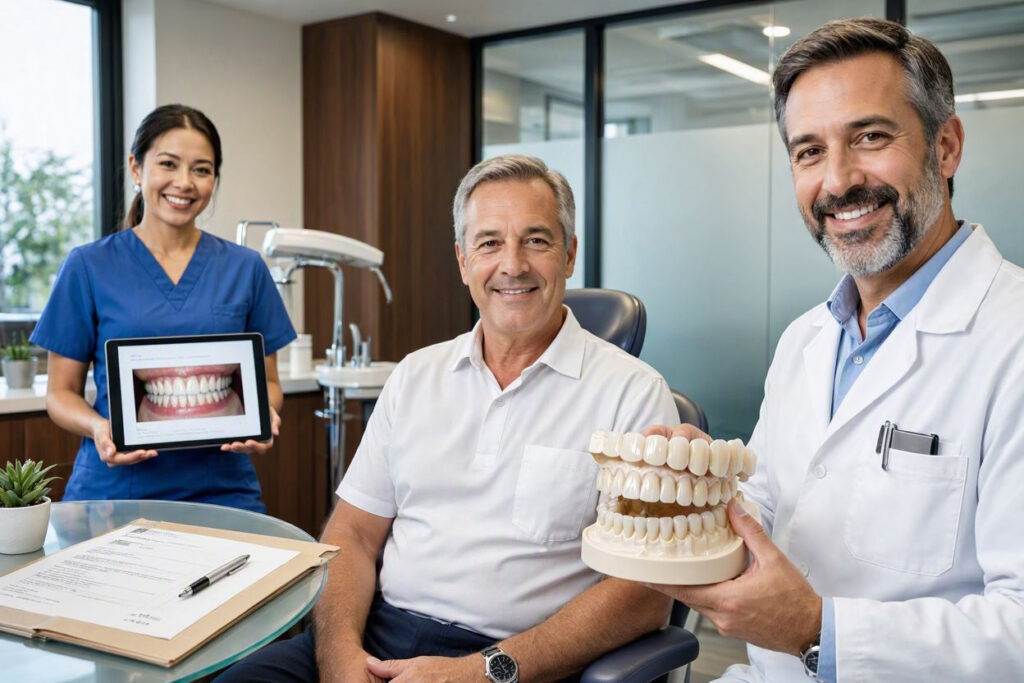
- Six veneers: Often called a “smile set.” This covers the teeth that show when you smile — usually the front six upper teeth.
- Eight veneers: Covers the front eight upper teeth, sometimes including the premolars.
- Ten to twelve veneers: Covers the upper teeth and sometimes the lower front teeth.
- Full mouth veneers: Covers all visible teeth in both the upper and lower arches. This can be 20 or more veneers.
When people say “a whole set,” they usually mean six to eight veneers on the top arch. But some people want both arches done, which doubles the cost.
It is important to be clear with your dentist about how many teeth you want to treat. The price difference between six and twenty veneers is enormous.
The Average Cost Of A Whole Set Of Veneers
Let us start with the numbers. In the United States, the average cost of a single porcelain veneer ranges from $900 to $2,500. For a whole set, you multiply that by the number of teeth.
Here are typical ranges for a whole set of porcelain veneers in the US:
| Number Of Veneers | Average Cost Range (USD) |
|---|---|
| 6 veneers | $5,400 – $15,000 |
| 8 veneers | $7,200 – $20,000 |
| 10 veneers | $9,000 – $25,000 |
| Full mouth (20 veneers) | $18,000 – $50,000+ |
Composite veneers are cheaper. A single composite veneer costs between $250 and $1,500. A whole set of composite veneers might cost:
| Number Of Veneers | Average Cost Range (USD) |
|---|---|
| 6 veneers | $1,500 – $9,000 |
| 8 veneers | $2,000 – $12,000 |
| Full mouth (20 veneers) | $5,000 – $30,000 |
These are averages. Your actual quote will depend on many factors, which we will discuss next.
What Affects The Cost Of A Whole Set Of Veneers?
Many things influence the final price. Let us break down the most important ones.
1. Number Of Teeth
This is the biggest factor. The more teeth you cover, the more you pay. A six-veneer smile makeover is much cheaper than a full-mouth reconstruction.
2. Type Of Veneer
Porcelain veneers are more expensive than composite veneers. Porcelain is more durable, stains less, and looks more natural. It also requires more work from the dentist and the lab.
There are also different types of porcelain veneers:
- Traditional porcelain veneers: Require more tooth preparation.
- Minimal-prep veneers: Thinner, require less drilling.
- No-prep veneers: Ultra-thin, no drilling required.
No-prep veneers are often marketed as a premium option. They can cost as much as traditional veneers, or more.
3. Dentist’s Experience And Reputation
A highly skilled cosmetic dentist will charge more than a general dentist. Cosmetic dentistry is an art. Dentists who create beautiful, natural-looking smiles are in high demand. Their fees reflect their training, experience, and results.
4. Geographic Location
Where you live makes a huge difference. A veneer in New York City might cost $2,500. The same veneer in a small town in the Midwest might cost $900. The cost of living, rent, and local demand all affect fees.
5. Lab Fees
Porcelain veneers are made in a dental lab. The quality of the lab affects the price. High-end labs use better materials and more skilled technicians. Some dentists work with local labs; others use labs overseas. Cheaper labs may lower the cost, but the quality may suffer.
6. Additional Procedures
Sometimes veneers require extra work. For example:
- Teeth whitening: If you are getting veneers on only some teeth, you may need to whiten the rest so they match.
- Gum contouring: If your gums are uneven, you may need this procedure first.
- Orthodontics: If your teeth are misaligned, you might need braces or Invisalign before veneers.
- Bite adjustment: If your bite is off, it may need to be corrected.
These add to the overall cost.
7. Complexity Of The Case
Simple cases with healthy teeth are easier and cheaper. Complex cases with damaged teeth, bite issues, or gum problems require more time and skill. That increases the price.
8. Technology Used
Some dentists use advanced technology like digital smile design (DSD), 3D scanning, and milling machines. This can improve results but also adds to the cost.
Comparative Table: Cost Of A Whole Set Of Veneers By Type
| Type Of Veneer | Cost For 6 Veneers (USD) | Cost For 8 Veneers (USD) | Cost For Full Mouth (20 Veneers) |
|---|---|---|---|
| Composite | $1,500 – $9,000 | $2,000 – $12,000 | $5,000 – $30,000 |
| Porcelain | $5,400 – $15,000 | $7,200 – $20,000 | $18,000 – $50,000+ |
| Minimal-Prep Porcelain | $6,000 – $12,000 | $8,000 – $16,000 | $20,000 – $40,000 |
| No-Prep Porcelain | $7,200 – $15,000 | $9,600 – $20,000 | $24,000 – $50,000+ |
The Cost Of A Whole Set Of Veneers Around The World
Veneer prices vary dramatically from country to country. Let us compare costs for a set of six porcelain veneers in different countries.
| Country | Average Cost For 6 Porcelain Veneers (USD) |
|---|---|
| United States | $5,400 – $15,000 |
| Canada | $4,800 – $12,000 |
| United Kingdom | $3,600 – $7,200 |
| Australia | $4,200 – $8,400 |
| Ireland | $4,000 – $8,000 |
| Germany | $4,000 – $9,000 |
| France | $3,600 – $8,000 |
| Spain | $3,000 – $6,600 |
| Mexico | $1,800 – $4,800 |
| Costa Rica | $3,000 – $5,400 |
| Thailand | $2,400 – $4,800 |
| India | $1,200 – $3,000 |
| Turkey | $1,800 – $3,600 |
Prices vary by clinic and city. These ranges are for general comparison only.
Porcelain Vs. Composite Veneers For A Whole Set
Choosing between porcelain and composite is one of the biggest decisions you will make. Here is a comparison.
| Feature | Porcelain Veneers | Composite Veneers |
|---|---|---|
| Cost per tooth | $900 – $2,500 | $250 – $1,500 |
| Durability | 10 – 15 years | 5 – 7 years |
| Stain resistance | High | Moderate |
| Natural appearance | Excellent | Good |
| Tooth preparation | More enamel removal | Less enamel removal |
| Number of visits | 2 – 3 | Usually 1 |
| Repair | Difficult | Easy |
| Best for | Long-term, natural look | Budget-friendly, quick fix |
For a whole set, porcelain is usually the better choice if you can afford it. It lasts longer and looks more natural. Composite is a good option if you have a limited budget or want a temporary fix.
Why Does A Whole Set Of Veneers Cost So Much?
Many people wonder why veneers are so expensive. Here is a breakdown of what goes into the price.
1. Custom Craftsmanship
Every veneer is custom-made for your tooth. It is not a one-size-fits-all product. A skilled technician shapes and colors each veneer to match your other teeth and your face.
2. Multiple Appointments
Getting a whole set of veneers requires several visits:
- Consultation and treatment planning
- Preparation and impressions
- Temporary veneers
- Bonding of permanent veneers
- Follow-up
Each visit takes time, and time is money.
3. Materials
High-quality porcelain is expensive. The materials used to bond the veneers are also costly.
4. Technology
Digital smile design, 3D scanning, and other technologies improve results but add to the cost.
5. Expertise
Cosmetic dentists invest years in training. Their skill is what makes your smile look natural. You are paying for their expertise.
6. Lab Fees
The dental lab charges the dentist for each veneer. These fees are passed on to you.
7. Overhead
Dental offices have high overhead: rent, staff salaries, equipment, insurance, and more. These costs are reflected in the fees.
The Process Of Getting A Whole Set Of Veneers
Understanding the process helps you see where your money goes.
Step 1: Consultation
Your dentist examines your teeth, discusses your goals, and takes X-rays or scans. You may see a digital preview of your new smile.
Step 2: Treatment Plan
A custom treatment plan is created. This includes the number of veneers, the type, and the cost.
Step 3: Preparation
For traditional veneers, a small amount of enamel is removed. For no-prep veneers, this step is skipped.
Step 4: Impressions
Your dentist takes impressions or digital scans. These are sent to the lab.
Step 5: Temporary Veneers
You receive temporary veneers to wear while your permanent ones are made. This usually takes one to two weeks.
Step 6: Bonding
Your dentist checks the fit and color of your permanent veneers, then bonds them to your teeth.
Step 7: Follow-Up
You have a follow-up appointment to ensure everything looks and feels right.
Does Insurance Cover A Whole Set Of Veneers?
In most cases, dental insurance does not cover veneers because they are considered cosmetic. However, there are exceptions.
If veneers are needed for functional reasons — such as restoring a broken tooth or fixing a bite problem — your insurance might cover part of the cost. But a whole set of veneers for cosmetic reasons is almost never covered.
It is always worth checking with your insurance provider. Ask specific questions:
- Are veneers covered?
- Is there a medical necessity clause?
- What documentation is needed?
Even if insurance does not cover veneers, you may be able to use an FSA or HSA to pay for them with pre-tax dollars.
Financing Options For A Whole Set Of Veneers
Veneers are a significant investment. Here are some ways to pay for them.
1. Payment Plans
Many dental offices offer in-house payment plans. You pay a down payment and then monthly installments. Some plans are interest-free.
2. Third-Party Financing
Companies like CareCredit, LendingClub, and OrthoFi offer loans for dental procedures. Check the interest rates and terms carefully.
3. Credit Cards
You can use a credit card, but be mindful of high interest rates. If you can pay off the balance quickly, this may be an option.
4. Health Savings Accounts (HSAs) And Flexible Spending Accounts (FSAs)
If you have an HSA or FSA, you can use pre-tax dollars to pay for veneers. This can save you 20% to 30% depending on your tax bracket.
5. Dental Schools
Dental schools often offer cosmetic treatments at reduced costs. Students perform the work under supervision. Treatment takes longer, but you can save a lot.
6. Dental Tourism
Traveling to another country for veneers can save you thousands of dollars. Popular destinations include Mexico, Costa Rica, Thailand, and Turkey. However, do your research. Quality varies, and follow-up care can be difficult.
How To Save Money On A Whole Set Of Veneers
Here are practical tips to reduce the cost without sacrificing quality.
1. Get Multiple Quotes
Prices vary widely. Get quotes from at least three dentists. Compare not just the price but also the experience, technology, and results.
2. Consider Composite Instead Of Porcelain
If your budget is tight, composite veneers are a cheaper alternative. They do not last as long, but they can still transform your smile.
3. Treat Fewer Teeth
You do not always need a full set. Sometimes six veneers are enough to create a beautiful smile. Talk to your dentist about the minimum number needed.
4. Use An FSA Or HSA
If you have one, use it. Pre-tax dollars stretch further.
5. Ask About Discounts
Some offices offer discounts for paying in full upfront, for multiple family members, or for referrals. It never hurts to ask.
6. Go To A Dental School
Dental schools offer lower-cost treatment. The trade-off is longer appointments and less experienced hands.
7. Negotiate
Dentistry is a business. Sometimes you can negotiate the price, especially if you are paying cash. Be polite and respectful, but do ask.
8. Plan Ahead
If you know you want veneers, start saving early. Set aside money each month. This avoids the need for high-interest loans.
Quotations From Dental Professionals
“A whole set of veneers is not just a purchase. It is an investment in your confidence and your smile. The cheapest option is rarely the best one.”
— Dr. Sarah Mitchell, Cosmetic Dentist
“I tell my patients to think about the long term. Porcelain veneers can last 15 years or more. When you divide the cost over that time, it is not as expensive as it seems.”
— Dr. James Carter, Prosthodontist
“The most important thing is to choose a dentist you trust. A beautiful smile is worth nothing if it is not healthy.”
— Dr. Emily Nguyen, Orthodontist
Important Notes For Readers
- Veneers are permanent. Once you get them, you cannot go back to your natural teeth without significant dental work.
- Always choose a qualified, experienced cosmetic dentist. Cheap veneers can end up costing more in the long run.
- Be realistic about what veneers can achieve. They are not a fix for every dental problem.
- Consider the long-term costs, including replacements and maintenance.
- If you are considering dental tourism, research the clinic thoroughly. Check reviews, ask for before-and-after photos, and verify credentials.
- Do not rush. Take your time to find the right dentist and the right treatment plan.
FAQ
1. How much does a whole set of veneers cost?
A set of six porcelain veneers costs $5,400 to $15,000 in the US. A full mouth can cost $18,000 to $50,000 or more.
2. Is a whole set of veneers worth the money?
If you want a dramatic, long-lasting smile transformation and have the budget, veneers can be worth it. They can boost your confidence and improve your appearance.
3. How many veneers are in a whole set?
A “whole set” usually means six to eight veneers on the top arch. A full mouth set can be 20 or more.
4. Do veneers ruin your teeth?
Veneers do not ruin your teeth, but they require permanent enamel removal. This means your teeth will always need veneers or crowns afterward.
5. Can I get a whole set of veneers in one day?
Composite veneers can sometimes be done in one day. Porcelain veneers usually require two or more visits.
6. How long do a whole set of veneers last?
Porcelain veneers last 10 to 15 years. Composite veneers last 5 to 7 years.
7. Does insurance cover a whole set of veneers?
Insurance usually does not cover veneers because they are considered cosmetic. However, if they are medically necessary, part of the cost might be covered.
8. What is the cheapest way to get a whole set of veneers?
Composite veneers are cheaper than porcelain. Dental tourism can also reduce costs, but do your research.
9. Are veneers painful?
The procedure is usually not painful, but you may experience some sensitivity afterward.
10. Can I finance a whole set of veneers?
Yes. Many dental offices offer payment plans, and third-party financing is available. You can also use an FSA or HSA.
Additional Resource
For more information on cosmetic dentistry and veneers, visit the American Academy of Cosmetic Dentistry:
https://aacd.com
Conclusion
A whole set of veneers costs between $5,400 and $50,000 or more, depending on the number of teeth, the type of veneer, and where you live. Porcelain veneers last longer and look more natural, while composite veneers are more affordable. With careful planning and the right dentist, you can achieve a beautiful smile that is worth the investment.