What Does A Flexible Partial Denture Cost?
For many people, the word “denture” conjures up images of bulky, uncomfortable plates with visible metal clasps. Fortunately, modern dentistry offers a far superior alternative: the flexible partial denture. This innovative solution has transformed the experience of wearing a partial denture, prioritising comfort and aesthetics. This guide will explore the cost of a flexible partial denture in the UK, how it differs from traditional options, and the factors that influence its price.
Understanding Flexible Partial Dentures
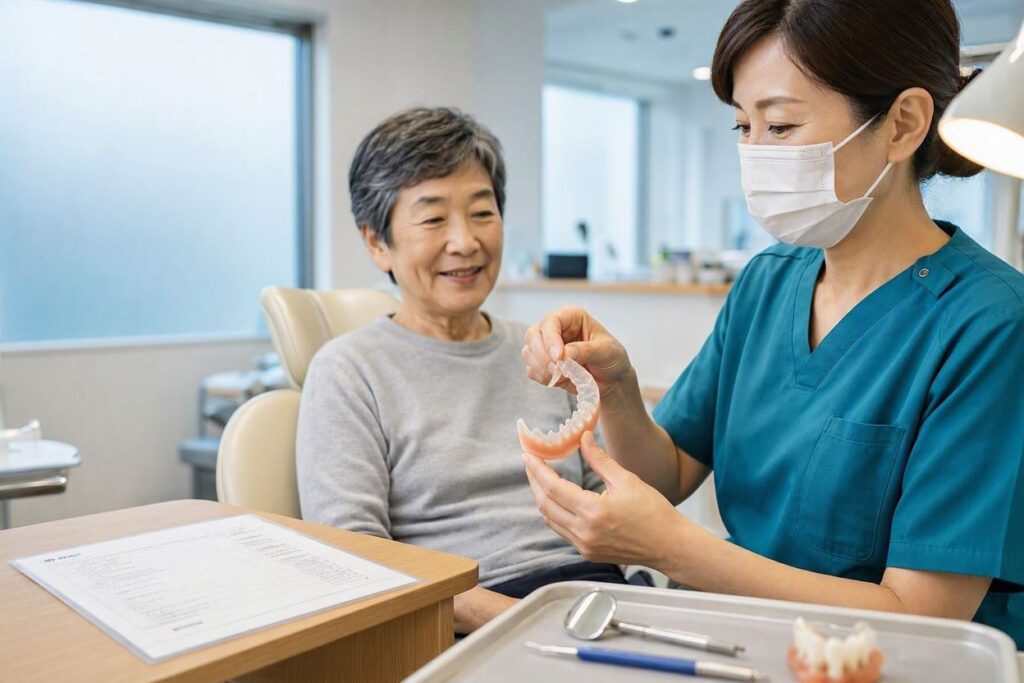
A flexible partial denture is a removable dental appliance used to replace one or more missing teeth. Unlike a traditional acrylic denture, which is made from a rigid material, a flexible denture is made from a thin, pliable thermoplastic nylon resin. The most well-known brand is Valplast, but other materials like Duraflex and Flexite are also used.
The unique properties of this material offer several significant advantages:
- Superior Comfort: The flexible base is thin and lightweight. It adapts to the contours of your mouth, providing a snug, comfortable fit that feels less bulky.
- Excellent Aesthetics: The material is translucent, allowing the natural pink colour of your gums to show through. This makes the denture much less noticeable.
- No Metal Clasps: Traditional dentures are held in place with visible metal clips. Flexible dentures have “gum-coloured” clasps made from the same flexible material. They blend seamlessly with your gums.
- Durability: The nylon material is incredibly strong and resistant to cracking or breaking if dropped.
- Hypoallergenic: This is an excellent option for patients who are allergic to the chemicals used in traditional acrylic dentures or to metals.
The result is a denture that is more comfortable to wear, easier to get used to, and virtually invisible when you smile.
The Average Cost of a Flexible Partial Denture
The cost of a flexible partial denture in the UK is higher than a basic acrylic denture but lower than a high-end chrome denture. You can expect to pay anywhere from £800 to £1,800 for a private flexible partial denture.
The price is influenced by the size of the denture, the number of teeth being replaced, and the specific dental practice. This is a private treatment, as flexible dentures are not typically available on the NHS due to their higher cost compared to standard acrylic options.
This investment buys you a significant upgrade in comfort and quality of life compared to a standard NHS denture. The improved fit and natural appearance are benefits that patients often feel are well worth the additional cost.
Factors That Influence the Cost
Several key factors will determine the final price you are quoted for a flexible partial denture.
1. The Size of the Denture and Number of Teeth
This is the most direct cost driver. A small, one-tooth flexible denture will be at the lower end of the price range. A larger denture that replaces several teeth on both sides of the mouth will require more material and laboratory time, increasing the cost.
2. The Complexity of the Case
If your remaining teeth are healthy and in good positions, the design and fabrication of the denture are straightforward. However, if your bite is uneven or your teeth have shifted, the dental technician will need to do more complex work to create a denture that fits and functions correctly.
3. The Dental Laboratory
Flexible dentures require specialised equipment and materials. Not all dental laboratories fabricate them. Your dentist will work with a specialist laboratory. The quality of this laboratory and the skill of its technicians play a role in the cost.
4. The Dentist’s Location
The standard rules of private dental pricing apply. A dental practice in a high-rent area of London or a major city will charge more for a flexible denture than a practice in a smaller town or a more affordable region of the UK.
5. The Experience of the Dentist
A dentist with extensive experience in fitting flexible dentures will be able to ensure an optimal result. Their expertise in taking precise impressions and adjusting the denture for maximum comfort is valuable and may command a premium.
Cost Comparison: Flexible vs. Acrylic vs. Chrome
To help you make an informed decision, here is a comparison of the three main types of private partial dentures.
| Feature | Acrylic Partial Denture | Flexible Partial Denture | Chrome Cobalt Partial Denture |
|---|---|---|---|
| Comfort | Good; can be bulky | Excellent; thin and lightweight | Excellent; very precise fit |
| Aesthetics | Good; metal clasps may show | Excellent; no metal clasps | Very good; discreet framework |
| Durability | Fair; can crack if dropped | Excellent; very strong | Excellent; very strong |
| Cost | £500 – £900 | £800 – £1,800 | £1,000 – £2,500+ |
| Best For | Budget-conscious patients | Patients seeking comfort and aesthetics | Patients needing a very stable, long-term solution |
Important Note: A flexible partial denture is an excellent choice for many patients, but it is not suitable for everyone. It is typically recommended for smaller gaps. For very large spans or cases where significant support is needed, a chrome denture may be a better option. Your dentist will advise you on the best choice for your specific mouth.
The Advantages and Disadvantages
Before investing, it is important to weigh the pros and cons.
Advantages of Flexible Partial Dentures:
- Very Comfortable: The most comfortable type of denture to wear.
- Natural Looking: The translucent material and gum-coloured clasps make it virtually invisible.
- No Risk of Allergic Reaction: Ideal for patients with sensitivities to acrylic or metal.
- Tough and Hard-Wearing: Less likely to break than an acrylic denture.
Disadvantages of Flexible Partial Dentures:
- Higher Cost: More expensive than basic acrylic dentures.
- Difficult to Repair: If the denture does break, it can be very difficult or impossible to repair. It often needs to be remade entirely.
- Can Stain Over Time: The porous surface of the nylon material can absorb stains from food and drink if not cleaned diligently.
- Limited Adjustments: Unlike a rigid denture, a flexible denture cannot easily be relined or adjusted if your mouth changes shape.
How to Save Money on a Flexible Partial Denture
While a flexible denture is a premium product, you can still take steps to manage the cost.
- Join a Dental Plan: Many private practices offer membership plans that provide a discount on treatment, including dentures. This can save you 10-20%.
- Ask About Finance Options: Most practices offer payment plans, allowing you to spread the cost of your denture over several months.
- Compare Quotes: You are free to ask for a written treatment plan and cost estimate from multiple dentists. Compare the prices and the quality of the service offered.
- Consider a Standard Acrylic Denture: If the flexible option is out of your budget, a well-made private acrylic denture is still a significant step up from a basic NHS denture and comes at a lower price.
What to Expect During the Process
The process of getting a flexible denture is similar to other dentures but requires precision.
- Initial Consultation: Your dentist will examine your mouth and determine if a flexible denture is suitable for you.
- Impressions: Accurate moulds of your mouth are taken.
- Bite Registration: The dentist records how your upper and lower teeth meet.
- Try-In: A try-in of the denture may be done to check the fit and appearance.
- The Fit: The final denture is fitted. The flexible nature of the material means it will gently snap into place around your teeth.
Frequently Asked Questions (FAQ)
Q: How long do flexible partial dentures last?
A: With proper care, a flexible partial denture can last for 5 to 8 years or more. The lifespan depends on how well you care for it and any changes in your mouth.
Q: Can I sleep with my flexible denture in?
A: It is generally recommended to remove all dentures at night. This allows your gums to rest and helps maintain good oral hygiene.
Q: How do I clean a flexible denture?
A: You should clean it daily with a soft brush and a specialist denture cleaner. It is important not to use regular toothpaste, as it can be too abrasive. You can soak it in a denture-cleaning solution.
Q: Will a flexible denture feel bulky?
A: No, that is its main advantage. The material is very thin and moulds to your mouth, so it feels much less bulky than a traditional acrylic denture.
Q: Can a flexible denture be used to replace back teeth?
A: Yes, but the design must be very precise to withstand chewing forces. Your dentist will assess if it is strong enough for your specific case.
Additional Resource
For more information on dentures and other tooth replacement options, you can visit the Oral Health Foundation website: www.dentalhealth.org.
Conclusion
The cost of a flexible partial denture in the UK ranges from £800 to £1,800, reflecting the superior comfort, aesthetics, and durability of the material. It is a premium solution for patients who want a removable denture that is both comfortable and virtually invisible. By understanding the factors that influence the price and exploring finance options, you can invest in a solution that significantly improves your quality of life.