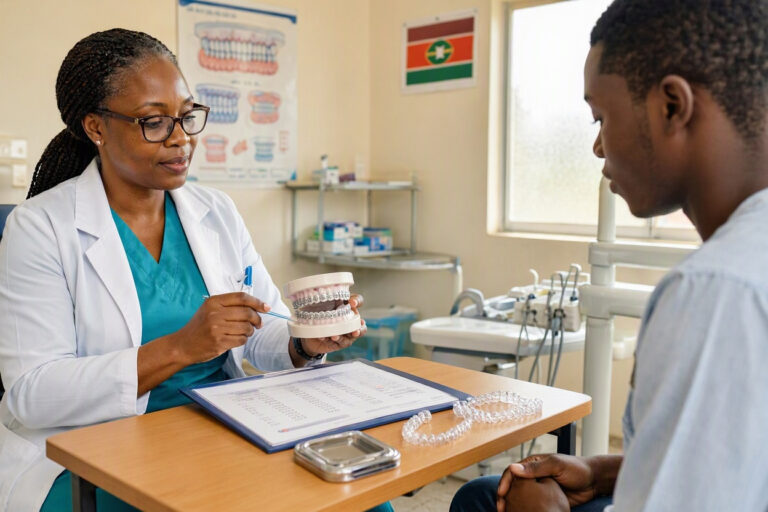
What Is The Cost Of Braces In Canada?
Braces are a significant investment in your smile, your oral health, and your confidence. In Canada, thousands of children, teenagers, and adults start orthodontic treatment every year. Whether you need braces to correct crowding, close gaps, fix a bite problem, or simply improve your appearance, one of the first questions you will ask is: how much does it cost?
The cost of braces in Canada varies widely depending on the province, the type of braces, the orthodontist, and the complexity of your case. This comprehensive guide will walk you through everything you need to know about braces costs in Canada, including average prices, regional differences, insurance coverage, payment plans, and tips to save money. By the end, you will have a clear picture of what to expect and how to plan for treatment.

What Are Braces?
Braces are orthodontic devices that straighten teeth and correct bite problems. They work by applying gentle, continuous pressure to your teeth over time. This pressure moves teeth into better alignment. Braces can also correct problems with the jaw, such as overbites, underbites, and crossbites.
There are several types of braces available in Canada:
- Traditional metal braces: Made of metal brackets and wires. Durable, effective, and the most affordable option.
- Ceramic braces: Made of tooth-colored or clear material. Less visible than metal but slightly more expensive.
- Lingual braces: Placed behind the teeth. Completely hidden from view. More expensive and less common.
- Clear aligners: Removable plastic trays, such as Invisalign. Nearly invisible and convenient, but not suitable for all cases.
- Self-ligating braces: Use clips instead of rubber bands. Fewer adjustments and often faster treatment.
Your orthodontist will recommend the best option based on your dental needs, lifestyle, and budget.
Average Cost Of Braces In Canada
The cost of braces in Canada ranges from CAD $3,000 to CAD $10,000 for a full treatment. The average cost is around CAD $5,000 to CAD $7,000. The total fee usually includes consultations, X-rays, braces placement, adjustments, removal, and retainers. However, some orthodontists charge separately for certain services, so always ask for a complete breakdown.
Here is a breakdown by type of braces:
| Type of Braces | Average Cost in Canada (CAD) |
|---|---|
| Traditional metal braces | $3,000 – $7,000 |
| Ceramic braces | $4,000 – $8,000 |
| Lingual braces | $8,000 – $12,000 |
| Clear aligners (e.g., Invisalign) | $4,000 – $9,000 |
| Self-ligating braces | $4,500 – $8,500 |
These prices are for the full treatment, which typically lasts 12 to 36 months. Shorter treatments for minor corrections may cost less.
Regional Price Variations In Canada
Braces costs vary by province and city. Orthodontists in large cities like Toronto and Vancouver charge more than those in smaller towns. Here is a general comparison:
| Province | Average Cost for Metal Braces (CAD) |
|---|---|
| Ontario | $4,000 – $7,500 |
| British Columbia | $4,200 – $7,800 |
| Alberta | $4,000 – $7,500 |
| Quebec | $3,500 – $6,800 |
| Manitoba | $3,500 – $6,500 |
| Saskatchewan | $3,500 – $6,500 |
| Nova Scotia | $3,200 – $6,000 |
| New Brunswick | $3,200 – $6,000 |
| Newfoundland and Labrador | $3,000 – $5,800 |
| Prince Edward Island | $3,200 – $6,000 |
Toronto and Vancouver are the most expensive cities. Smaller cities and rural areas offer lower prices, but there may be fewer orthodontists available. In some provinces, you may need to travel to a larger city for treatment.
Factors That Influence The Cost In Canada
Several things affect how much you pay for braces in Canada.
Geographic Location
As noted above, orthodontic fees are higher in big cities. Rent, staff salaries, and equipment costs are higher in urban areas. A braces treatment in downtown Toronto may cost 20-30% more than in a small town in Manitoba.
Orthodontist’s Experience
An experienced orthodontist with a good reputation often charges more. In Canada, orthodontists are specialists who have completed additional training beyond dental school. Their expertise commands higher fees.
Complexity Of The Case
Simple cases involving minor crowding cost less. Complex cases that require extractions, jaw surgery, or longer treatment time cost more. The duration of treatment also affects the price. Most braces treatments last 12 to 24 months, but complex cases can take 3 years or more.
Type Of Braces
Metal braces are the cheapest. Ceramic and lingual braces cost more because the materials are more expensive and the procedure is more complex. Clear aligners are priced similarly to ceramic braces.
Additional Procedures
Sometimes braces require extra steps:
- X-rays and dental impressions
- Tooth extractions
- Palatal expanders
- Rubber bands and headgear
- Retainers after treatment
These add to the total cost.
Payment Structure
Some orthodontists charge a flat fee for the entire treatment. Others charge per visit or per adjustment. Flat fees are often more predictable. Per-visit plans can be easier on your wallet month by month but may cost more overall.
Braces Vs Clear Aligners In Canada: Cost Comparison
| Feature | Metal Braces | Clear Aligners |
|---|---|---|
| Cost (CAD) | $3,000 – $7,000 | $4,000 – $9,000 |
| Visibility | Visible | Nearly invisible |
| Removability | Fixed | Removable |
| Treatment time | 12 – 36 months | 6 – 18 months |
| Comfort | Moderate | High |
| Office visits | Every 4 – 6 weeks | Every 6 – 8 weeks |
| Best for | Complex cases | Mild to moderate cases |
Metal braces are the most affordable and effective for complex cases. Clear aligners are more expensive but offer convenience and discretion.
Does Insurance Cover Braces In Canada?
Dental insurance in Canada often covers part of the cost of braces, especially for children and teenagers. Coverage varies by plan:
- Coverage percentage: Many plans pay 50% of the cost after a deductible.
- Lifetime maximum: Most plans have a lifetime maximum for orthodontics, often CAD $1,500 to $3,000.
- Age limits: Some plans only cover braces for children under 18. Others cover adults too.
- Pre-authorization: Most insurers require approval before treatment.
Provincial health plans generally do not cover braces for adults. Some provinces cover orthodontic treatment for children with severe medical needs, but this is rare.
If you have no insurance, you pay the full fee. Some orthodontists offer discounts for cash or upfront payment.
Payment Options And Financing In Canada
Braces are a significant expense. Fortunately, many orthodontists in Canada offer payment plans. Here are common options:
- In-house payment plans: Most orthodontists offer monthly installments with low or no interest. You pay a down payment and then monthly fees over the treatment period.
- Third-party financing: Companies like DentalCard, iFinance, and Medicard offer dental loans.
- Credit cards: Convenient but watch for high interest rates.
- Health spending accounts (HSA): If your employer offers one, you can use pre-tax dollars.
- Flexible spending accounts: Use pre-tax dollars for eligible expenses.
- Dental savings plans: Discount plans that reduce fees by 10-60%.
Ask your orthodontist about payment options before treatment starts.
How To Save Money On Braces In Canada
- Get multiple quotes: Prices vary. Compare at least three orthodontists.
- Visit a dental school: Canadian dental schools offer orthodontic treatment at reduced cost under supervision.
- Choose metal braces: They are the cheapest option and very effective.
- Pay upfront: Some orthodontists offer a discount for full payment.
- Ask about promotions: Some offices run specials during certain months.
- Use insurance benefits: Schedule treatment before your lifetime maximum is used.
- Negotiate: Do not be afraid to discuss the price. Many orthodontists are flexible.
- Maintain good oral hygiene: Avoid extra costs from cavities or gum disease during treatment.
The Braces Procedure In Canada
1. Consultation
Your orthodontist examines your teeth, takes X-rays, and discusses your goals. They create a treatment plan and give you a cost estimate.
2. Preparation
You may need extractions or other dental work before braces. Your teeth are cleaned and prepared for brackets.
3. Braces Placement
The orthodontist attaches brackets to your teeth and threads the wire through them. This takes 1 to 2 hours.
4. Adjustments
You visit the orthodontist every 4 to 6 weeks for adjustments. The wire is tightened or changed to keep your teeth moving.
5. Removal
When treatment is complete, the braces are removed. Your teeth are polished to remove any glue.
6. Retainers
You receive a retainer to wear at night. Retainers keep your teeth from shifting back.
How Long Do You Wear Braces In Canada?
Most patients wear braces for 12 to 24 months. Complex cases may take 3 years or more. After braces, you wear a retainer for at least 12 months, often longer. Retainers are essential to maintain your new smile.
Expert Opinions
“In Canada, braces are a significant investment, but they are worth it. A healthy, straight smile improves your confidence and your oral health. The key is to choose a qualified orthodontist and understand the full cost before you begin.”
— Dr. Laura Bennett, Orthodontist, Toronto
“I always tell my patients to budget for retainers. Many people forget about them, and then their teeth shift back. That is a waste of money. Retainers are part of the treatment.”
— Dr. Marc Tremblay, Orthodontist, Montreal
Important Notes For Readers
Note 1: Prices in this article are estimates. Actual costs vary by orthodontist and province. Always get a written quote.
Note 2: Braces require regular visits. If you live far from your orthodontist, factor in travel costs.
Note 3: Poor oral hygiene during braces can lead to cavities and gum disease. This can increase your total cost.
Note 4: Retainers are not optional. They are part of the treatment. Budget for them from the start.
Note 5: Be wary of unlicensed practitioners. Always check that your orthodontist is registered with the provincial dental regulatory body.
Frequently Asked Questions
How much do braces cost in Canada?
Braces in Canada cost between CAD $3,000 and CAD $10,000, depending on the type and complexity. Metal braces are the cheapest, starting around CAD $3,000.
Can I pay for braces in installments in Canada?
Yes. Most orthodontists in Canada offer monthly payment plans. You pay a down payment and then monthly fees.
Does provincial health insurance cover braces in Canada?
No. Provincial health plans generally do not cover braces for adults. Some provinces cover orthodontic treatment for children with severe medical needs, but this is rare.
How long do you wear braces in Canada?
Most patients wear braces for 12 to 24 months. Complex cases may take longer.
Are clear aligners available in Canada?
Yes, clear aligners are available in Canada, but they are more expensive than metal braces. Expect to pay CAD $4,000 to $9,000.
What is the best age for braces?
The best age is between 10 and 14, when the jaw is still growing. However, adults can also get braces at any age.
Do braces hurt?
Braces do not hurt when they are placed. You may feel soreness for a few days after each adjustment. This is normal and goes away.
Additional Resources
For more information about orthodontic treatment in Canada, visit the Canadian Association of Orthodontists website. You can also check the Canadian Dental Association for general oral health resources.
Conclusion
Braces in Canada cost between CAD $3,000 and CAD $10,000, with metal braces being the most affordable option. Prices vary by province, orthodontist experience, and case complexity. Insurance may cover part of the cost, and payment plans are widely available. By choosing a qualified orthodontist and maintaining good oral hygiene, you can achieve a healthy, straight smile without breaking your budget.