What To Expect After Getting Veneers?
Dental veneers are a transformative cosmetic procedure that can completely redesign a smile. However, the journey to a beautiful result does not end when the final restorations are bonded to your teeth. The post-placement period is a critical phase of physical adjustment, sensory adaptation, and learning a new long-term maintenance routine. Understanding exactly what to expect after getting veneers will eliminate anxiety and set you up for decades of success with your new smile.

The Immediate Post-Bonding Sensation
The moment your dentist removes the rubber dam and hands you a mirror, you will see an instant, dramatic transformation. Your brain, however, needs time to catch up with the new image. The teeth will feel different to your tongue and lips. They may feel thicker, smoother, or larger initially, not because they are oversized, but because the micro-changes in contour and the elimination of natural irregularities create a novel oral landscape.
The most common physical sensation is a feeling of pressure or tightness. The veneers are bonded to your teeth with a high-strength resin cement that sets completely in the chair. The interproximal contacts, the tight flossing points between the teeth, will feel firm. For the first few days, you may have a heightened awareness of your teeth. Your tongue will obsessively explore the new smooth surfaces, the edges, and the bite. This oral fixation fades quickly as your somatosensory cortex adapts and remaps the new contours, typically within one to two weeks.
Lip and Cheek Adaptation
Your lips and cheeks need time to adapt to the new facial surfaces of the veneers. If your previous teeth were worn, chipped, or positioned differently, your lips will suddenly have new support. You may feel that your lips protrude slightly more or that the corners of your mouth rest differently. This soft tissue adjustment is normal. The lining of your cheeks and lips, the buccal and labial mucosa, will adapt to the new embrasures and contours. Any minor irritation or a sensation of fullness resolves quickly.
Speech and Phonetics
Your speech is a finely tuned motor skill that relies on the precise contact of your tongue with your teeth. Sounds like “S,” “V,” “F,” and “Th” require specific placement of the tongue tip against the lingual surfaces of the upper incisors. Even a millimeter of change in tooth thickness or length can temporarily disrupt these phonetic patterns. You may notice a slight lisp or a whistling sound when you say “sixty-six” or “Mississippi.” This is not permanent.
Your brain’s speech centers will adapt remarkably quickly. Practice speaking aloud, read a book to yourself, and consciously repeat the difficult sounds. The lisp almost always resolves completely within a few days to a week as your tongue learns the new target positions for sound production. If a lisp persists beyond a month, return to your dentist; a minor adjustment to the veneer’s lingual surface or length can correct it.
Managing Post-Operative Sensitivity
The preparation for most veneers involves removing a thin layer of enamel from the facial surface of the tooth. This exposes the ends of the microscopic dentin tubules that communicate with the nerve in the tooth’s pulp chamber. Even with a sealed, bonded veneer covering them, these tubules can still transmit a sensation of cold, air, or pressure for a short period.
Expect some degree of thermal sensitivity, particularly to cold liquids and cold air. This sensitivity is temporary and should diminish every day. The bonding agent and resin cement seal the dentin, and over time, the tooth’s natural defense mechanism deposits minerals inside the tubules, reducing the fluid flow that triggers nerve pain. A desensitizing toothpaste containing potassium nitrate or stannous fluoride, used daily, can dramatically reduce this post-operative sensitivity within a week.
Gum Tissue Response
The gum tissue, or gingiva, around the margins of the new veneers may be slightly inflamed or tender. The retraction cord and bonding materials used during the procedure can temporarily irritate the gum. This is a mild, localized gingivitis that heals rapidly with excellent oral hygiene. Rinse with warm salt water several times a day for the first three days to soothe and clean the gum margins. The gum tissue will mature and form a tight, healthy collar around the veneer necks as healing progresses.
The Dietary Transition: Eating with Veneers
Dental porcelain is an incredibly strong material, often stronger than natural enamel, but it is not indestructible. The bonding interface between the veneer and the tooth is the most vulnerable point. Shear forces, which are lateral and torquing forces, pose a greater risk than compressive biting forces. Your diet must adapt to protect this bond line and the porcelain itself from excessive stress.
Foods and Habits to Avoid Initially
For the first 24 to 48 hours after the final cementation, your dentist may recommend a soft or no-chew diet. The resin cement continues to mature and achieve its maximum bond strength during this time. After this initial period, you can eat normally, but you must permanently change your relationship with certain foods. You must never again use your front teeth as tools. Opening plastic packaging, biting off clothing tags, cracking nuts, or chewing on pen caps will fracture a veneer.
Hard, crunchy foods like hard-crusted bread, popcorn with hidden unpopped kernels, hard candies, and ice cubes are a direct threat. You can still eat these foods, but you must do so with awareness. Chew hard foods on your back teeth only. Do not bite directly into a hard item with your veneered front teeth. Cut tough foods like apples, carrots, or a baguette into small, manageable pieces that you can place directly on your posterior teeth.
Staining and Pigmentation Resistance
A major advantage of high-quality dental porcelain is its glaze. A well-glazed porcelain surface is incredibly smooth and stain-resistant. It will not absorb coffee, red wine, or tobacco stains like natural enamel. In the early days, you can enjoy these beverages without fear of immediate discoloration. However, the margins of the veneers, where the porcelain meets the tooth, are sealed with resin cement. This cement line is the weak link for staining. Over many years, this margin can accumulate micro-stains.
Additionally, if you have veneers placed on only your upper teeth, your lower natural teeth remain susceptible to staining. An aesthetic mismatch can develop over time, where the veneers remain perfectly white while the lower teeth darken. A consistent oral hygiene regimen, regular professional cleanings, and an awareness of this differential staining risk are part of the long-term ownership of a veneered smile.
The Critical First Week: Bite Adjustments
The bite, or occlusion, is the most critical technical aspect of a successful veneer case. Even with the finest laboratory fabrication and the most meticulous dentist, the way your teeth come together in the mouth, under the influence of jaw muscles and chewing patterns, is slightly different from the articulator model. Micro-adjustments to the biting surfaces are normal and expected.
You must be hyper-aware of your bite in the first week. When the anesthetic wears off, gently tap your teeth together. Then, slide your jaw forward, backward, and side to side. Your back teeth should touch evenly and simultaneously, and your front teeth should glide smoothly without any individual tooth hitting too hard or too early. A single high spot on a veneer can cause an aching sensation in that tooth, lead to porcelain fracture, or trigger muscle pain and headaches from the jaw muscles trying to find a comfortable position. If any tooth feels like it hits first or feels “taller” than the others, contact your dentist immediately. A bite adjustment is a quick, painless, five-minute procedure that uses fine finishing diamonds to re-shape the guidance surfaces.
Long-Term Maintenance and Hygiene
Caring for your veneers is a marriage of technique and product selection. The teeth underneath the porcelain are still alive and susceptible to decay. The primary threat to a veneer is not the porcelain failing but the tooth structure at the margin decaying. This decay starts at the gum line, where the veneer edge meets the tooth. Your home care routine must focus on cleaning this critical junction.
The Non-Negotiable Hygiene Routine
You must brush twice a day with a soft-bristled toothbrush and a non-abrasive, fluoride toothpaste. Avoid any toothpaste labeled “whitening,” “smoker’s,” or “tartar control” with high relative dentin abrasivity, as these can scratch and dull the glaze of the porcelain over time. Floss once a day, using a careful, controlled technique. Slide the floss down between the contacts and gently pull it out sideways through the contact, rather than snapping it upward against the gum tissue, which can lift the veneer margin.
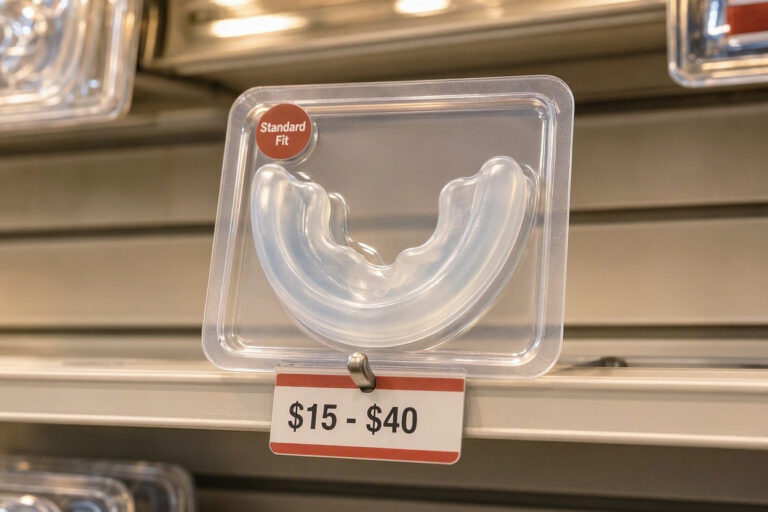
A water flosser is an excellent adjunct for cleaning the gum line around veneers. A fluoride mouth rinse used at a separate time from brushing can add an extra layer of enamel remineralization protection at the margins. A night guard is not a recommendation for a veneer patient; it is essential protection. If you clench or grind your teeth at night, the intense, uncontrolled forces will fracture porcelain. A custom-fabricated hard night guard made by your dentist protects your investment while you sleep.
The Lifespan and Replacement Cycle
Porcelain veneers are a long-term cosmetic solution, not a permanent one. With excellent care, a set of well-made veneers can last 15 to 20 years, and many cases last even longer. However, the statistical expectation is that some veneers will require replacement within this timeframe. The margin may eventually leak, allowing decay to start at the hidden interface. The porcelain may eventually chip. Gums may recede over decades, exposing the veneer margin.
Replacing a veneer is a more complex and costly procedure than the initial placement, as it involves removing the old porcelain and the remaining bonding resin from the tooth surface without damaging the underlying, often already thinned, enamel. Understanding this replacement cycle at the outset frames the financial and biological commitment. A dental veneer is a highly effective but service-based cosmetic restoration that requires ongoing professional maintenance.
Conclusion
After getting veneers, you can expect a brief period of sensory and speech adaptation, followed by mild, temporary tooth sensitivity and gum tenderness that resolves with proper care. You must permanently adopt a diet that avoids biting hard foods with your front teeth and commit to a meticulous, non-abrasive hygiene routine focused on protecting the vulnerable margins. With a custom night guard and regular professional maintenance, your new smile will remain beautiful and functional for well over a decade, but you must accept that veneers are a serviceable restoration that will eventually require replacement.
Frequently Asked Questions
Q: Will my veneers feel bulky and fake?
A: Initially, they may feel strange or thick to your tongue, but this is a neurosensory adaptation issue, not an actual design flaw. Within one to two weeks, your brain will adjust, and they will feel like a natural part of you.
Q: Can I whiten my veneers if they get stained in a few years?
A: No. Whitening gel does not change the intrinsic color of dental porcelain. If your veneers become stained or you desire a lighter shade, they must be replaced with new, lighter veneers. This is why you must select the shade carefully at the initial try-in appointment.
Q: Is it normal for one veneer to feel slightly different from the others?
A: Yes, individual teeth may have slightly different sensations, especially if one tooth required more enamel reduction or had a deeper pre-existing restoration. However, any feeling of a single tooth hitting too hard in the bite is a specific problem requiring an adjustment.
Additional Resource
For authentic patient insights and expert advice on cosmetic dentistry procedures and maintenance, the following professional resource is invaluable.
- American Academy of Cosmetic Dentistry Patient Guide: aacd.com/patients