What Was The Cost Of Your Invisalign UK Purchase?
Invisalign has transformed the way people think about straightening their teeth. Gone are the days when metal braces were the only option. Today, clear aligners offer a discreet, comfortable, and convenient alternative. If you are considering this treatment, you have probably asked yourself one big question: What was the cost of your Invisalign UK purchase?
The answer is not simple. Prices vary widely. They depend on your location, your dentist’s experience, and the complexity of your case. Some people pay under £2,000. Others pay over £5,000. Understanding what drives these numbers helps you plan your budget with confidence. This guide breaks down every cost factor, compares NHS and private options, and shows you how real patients describe their financial experience.

Understanding the True Price of a Straighter Smile
When you look at Invisalign prices in the UK, you see a wide range. A simple case might cost £1,500. A complex case involving multiple teeth movements could reach £4,500 or more. Most people fall somewhere in the middle.
The average cost in the UK sits between £2,500 and £4,000. But average numbers only tell part of the story. You need to understand what you get for that money. The price usually includes the aligners, the dental scans, the check-up appointments, and often a retainer at the end. Some clinics bundle everything into one fee. Others charge separately for each stage.
Dentists set their own prices. There is no fixed national rate. A clinic in central London will charge more than one in a small town in Yorkshire. The overheads are higher. The demand is stronger. The same applies to experienced orthodontists versus general dentists. Specialists often charge a premium for their expertise.
Your personal treatment plan shapes the cost too. A minor front-tooth correction may only need 10 to 14 aligners. A full arch correction may need 30 or more. More aligners mean more lab work, more appointments, and a higher price.
Factors That Influence Invisalign Pricing in the UK
Understanding the breakdown helps you see where your money goes. It also helps you compare quotes fairly. Here are the main drivers of cost.
1. Complexity of Your Case
This is the biggest factor. Invisalign has different product tiers. Invisalign Express handles mild crowding or spacing. Invisalign Lite suits moderate cases. Invisalign Full is for comprehensive treatment.
- Invisalign Express: Usually up to 7 aligners. Cost: £1,500 to £2,500.
- Invisalign Lite: Up to 14 aligners. Cost: £2,500 to £3,500.
- Invisalign Full: Unlimited aligners for complex cases. Cost: £3,500 to £5,500.
Your dentist will assess your teeth and recommend the appropriate tier. If you need attachments—small tooth-coloured bumps that help the aligners grip—the price may increase slightly. Interproximal reduction, where the dentist creates tiny gaps between teeth, may also add time but usually sits within the package.
2. Geographic Location
London and the South East carry the highest prices. You can expect to pay 20 to 40 percent more than in the North of England, Scotland, or Wales. This mirrors the cost of living and clinic rents.
| Region | Average Cost Range |
|---|---|
| London | £3,000 – £5,500 |
| South East England | £2,800 – £4,800 |
| Midlands | £2,200 – £4,000 |
| North of England | £2,000 – £3,800 |
| Scotland | £2,200 – £4,000 |
| Wales | £2,000 – £3,500 |
| Northern Ireland | £2,000 – £3,600 |
3. Provider Expertise
A specialist orthodontist typically charges more than a general dentist. They have spent extra years training in tooth movement. They also handle difficult cases regularly. General dentists can offer Invisalign after completing certification courses. Their prices often undercut specialists. Both can deliver excellent results, but complex cases benefit from specialist care.
4. Clinic Reputation and Technology
Premium clinics invest in advanced scanners, 3D printers, and digital smile design software. They may also offer perks like free whitening or dedicated treatment coordinators. These services add value but also increase the fee. Budget clinics may use older scanning methods or outsource lab work more cheaply.
5. Included Extras
Always ask what your quote includes. Some clinics advertise a low price but then charge extra for essentials. A complete Invisalign package should include:
- Initial consultation and scans
- The full set of aligners
- All check-up appointments
- Any attachments or elastics needed
- One set of retainers after treatment
- Post-treatment review
If your quote excludes retainers, add £150 to £400 for a single set. Replacement aligners, if lost, cost £50 to £150 each. These hidden costs catch many people off guard.
NHS Invisalign: Is It Ever Free?
The NHS does not generally fund Invisalign for adults. Orthodontic treatment under the NHS is available only for severe clinical need. Children under 18 may qualify if their case scores high enough on the Index of Orthodontic Treatment Need. But even then, the NHS usually provides traditional metal braces, not clear aligners.
Some NHS trusts have piloted clear aligner programmes for teenagers. These are rare. You cannot choose Invisalign on the NHS just because you prefer it. The NHS prioritises health outcomes and cost-effectiveness. Metal braces achieve similar results at a lower cost to the taxpayer.
For adults, the only route to Invisalign is private treatment. If you have a dental insurance policy, check your cover. Some policies contribute towards orthodontics. Bupa, Denplan, and Simplyhealth sometimes offer partial reimbursement. The amount varies from £300 to £1,500 per year. You still pay most of the cost yourself.
Real Patient Reports: What People Actually Paid
Online forums and social media groups give a raw picture of pricing. Here are some real examples shared by UK patients in the past two years. These quotes come from public discussions and reflect common experiences, not guaranteed prices.
Patient A, Manchester: Paid £2,800 for Invisalign Lite. Treatment lasted 9 months. Price included retainers and one round of refinements.
Patient B, Birmingham: Paid £3,400 for Invisalign Full. Needed 26 aligners. Price included whitening at the end.
Patient C, London: Paid £4,600 at a specialist orthodontist. Complex case involving bite correction. Included all appointments and retainers.
Patient D, Glasgow: Paid £2,200 for Invisalign Express. Only front six teeth needed slight movement. Finished in 4 months.
Patient E, Bristol: Paid £3,000 for Invisalign Full during a promotional offer. The clinic waived the consultation fee and included a free electric toothbrush.
Patient F, Leeds: Paid £3,800. Price included a permanent retainer on the lower teeth plus removable retainers for both arches.
“I shopped around for weeks. The quotes ranged from £2,500 to £5,000 for the same treatment plan. The dentist’s experience and the clinic’s location made the biggest difference. In the end, I chose a mid-range clinic with an orthodontist and paid £3,200. I do not regret it.” – Sarah, 29, Newcastle
These reports show that the same treatment can cost very different amounts. Negotiation and timing also play a role. Many clinics run seasonal offers or discounts for paying upfront.
The Hidden Costs You Must Budget For
Your initial quote may not cover everything. Savvy patients budget for these additional expenses before committing.
Initial Consultation Fees
Some clinics offer free consultations. Others charge between £50 and £150. This fee often comes off your total if you proceed. Always ask.
Dental Records and Scans
Digital scans usually sit within the consultation or treatment fee. X-rays may cost extra. A panoramic X-ray costs £30 to £80. A cone beam CT scan, sometimes needed for complex cases, costs £100 to £250.
Pre-Treatment Dental Work
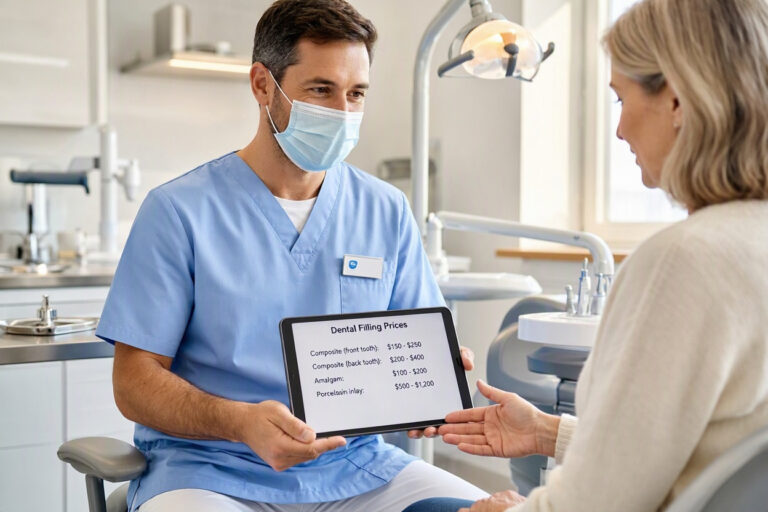
Invisalign only moves teeth. It does not fill cavities or treat gum disease. If you need a filling before starting, budget £90 to £300 per tooth. A hygienist visit costs £50 to £90. Ignoring these issues can derail your treatment.
Refinements
Most Invisalign packages include one round of refinements. Refinements are additional aligners used to perfect the result after your initial set. If you need a second or third round, some clinics charge £300 to £800. Clarify this before signing.
Retainers
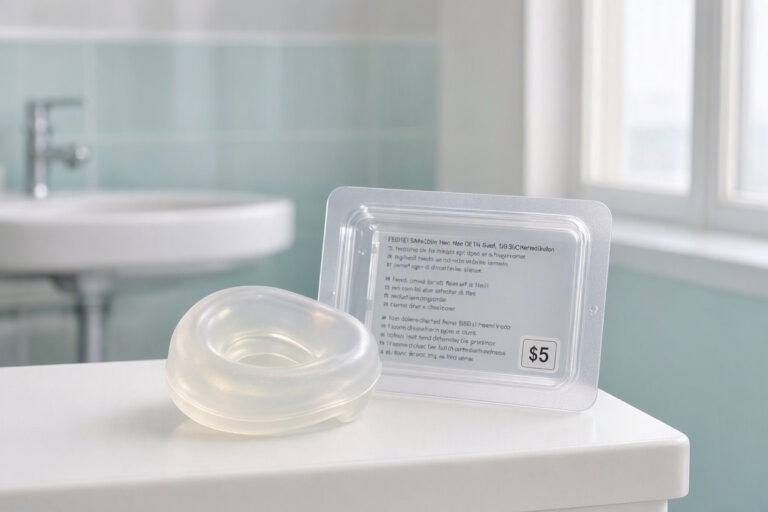
This is the most forgotten cost. After treatment, you need retainers for life. Most packages include one set. You will need replacements every one to three years. Budget £150 to £400 per set. Some clinics offer retainer plans for £10 to £20 per month.
Travel and Time
Attending appointments takes time and money. You will visit the clinic every six to eight weeks. If you choose a distant clinic for a cheaper price, travel costs may eat the savings. A central location near your home or work adds convenience value.
Invisalign vs. Other UK Teeth Straightening Options
Invisalign is not the only clear aligner brand. Several cheaper alternatives have entered the market. Understanding the differences helps you decide if Invisalign is worth the premium.
| Treatment | Average UK Cost | Key Features |
|---|---|---|
| Invisalign | £2,500 – £4,500 | Dentist-led, attachments, bite correction, wide range of cases |
| SmileDirectClub | £1,500 – £2,000 | Remote monitoring, limited cases, no attachments |
| Straight Teeth Direct | £1,200 – £1,800 | Home impression kit, remote dentist review |
| PlusDent | £1,000 – £1,500 | Remote treatment, mild cases only |
| Traditional Metal Braces | £2,000 – £3,500 | NHS available for some, visible, very effective |
| Ceramic Braces | £2,500 – £4,000 | Tooth-coloured brackets, less visible, effective |
| Lingual Braces | £4,000 – £7,000 | Hidden behind teeth, custom-made, premium cost |
Invisalign’s main advantage is the combination of comfort, aesthetics, and clinical oversight. You see a real dentist or orthodontist throughout treatment. Remote brands are cheaper but suit only mild cosmetic cases. They cannot fix bite problems or severe crowding. If something goes wrong, you have less direct support.
Payment Plans and Financing Options in the UK
Most people do not pay for Invisalign in one lump sum. Clinics understand this and offer flexible payment options.
0% Finance Plans
Many clinics partner with finance companies like Chrysalis, Tabeo, or Dental Finance. You split the cost over 12 to 24 months at zero percent interest. This makes treatment accessible. You usually need to pass a credit check. Some clinics require a deposit of 10 to 25 percent.
Monthly Subscription Models
A growing number of dental chains offer monthly plans. You pay a set amount each month, similar to a gym membership. For example, £100 per month for 36 months. This often includes check-ups, hygiene visits, and retainers at the end. Read the terms carefully. Some plans lock you into a contract.
Pay-As-You-Go
Some independent dentists allow you to pay per visit. You pay for scans first, then a portion when you receive aligners, then the balance spread across review appointments. This reduces upfront cost but can end up slightly more expensive overall.
Insurance Contributions
Check your dental insurance policy before booking. Some plans cover orthodontics after a waiting period. The contribution is usually capped. For example, a policy might pay 50 percent up to £1,000. You claim after paying the clinic, or the insurer pays directly in some cases. Employer-funded health plans sometimes include dental benefits too.
How to Get the Best Value for Your Money
You want a great result at a fair price. These strategies help you avoid overpaying without sacrificing quality.
Get Multiple Quotes
Visit at least three providers. Compare not just the price but what is included. A higher quote might include more refinements or longer aftercare. A lower quote might exclude retainers. Make a simple comparison sheet.
Ask About the Provider’s Experience
How many Invisalign cases has the dentist completed? Ask to see before-and-after photos of similar cases. An experienced provider may cost more but can treat you more efficiently, potentially reducing refinements and total treatment time.
Time Your Treatment
Many clinics offer discounts in January, after summer holidays, or during Invisalign’s own promotional periods. Some practices reduce prices by £200 to £500 during these windows. If you are flexible, wait for a good offer.
Consider a Dental School
Dental schools sometimes offer orthodontic treatment at reduced prices. Students work under the supervision of experienced tutors. The cost can be 30 to 50 percent lower than private clinics. The trade-off is longer appointment times and limited availability.
Negotiate
Private dental fees are not always fixed. If you have a good quote from one clinic, show it to another. Some will match or beat it to win your business. Politely ask if there is any flexibility on the price or if they can add extras like free whitening.
Read the Contract Carefully
Before signing, understand the terms. Ask about refund policies if you move away mid-treatment. Clarify the cost of lost or broken aligners. Confirm what happens if you are not satisfied with the result. A reputable clinic will explain everything clearly.
What the Cost Includes: A Breakdown Table
To help you visualise value, here is a typical breakdown of where your money goes in a £3,500 Invisalign Full package.
| Component | Estimated Cost |
|---|---|
| Invisalign lab fee (aligner manufacturing) | £1,200 – £1,500 |
| Clinic overheads (rent, staff, equipment) | £800 – £1,000 |
| Dentist’s time and expertise | £800 – £1,000 |
| Scans, X-rays, and digital records | £200 – £300 |
| Retainers | £200 – £300 |
| Admin and follow-up care | £150 – £250 |
| Total | £3,350 – £4,350 |
This table shows that a large chunk goes to lab fees and clinic overheads. The dentist’s expertise is a smaller portion than many people assume. This means cutting the dentist’s fee does not dramatically reduce the price. Clinics with lower overheads—smaller premises, fewer staff—can offer lower prices without affecting quality.
The Emotional and Financial Value of a Confident Smile
Numbers matter, but so does the outcome. Many patients say the cost fades quickly once they see their new smile. Straight teeth are easier to clean, reducing future dental bills. They also improve self-esteem in social and professional settings.
Some people delay treatment for years because of cost. Then they realise the price keeps rising. Invisalign prices in the UK have increased by around 3 to 5 percent annually. Waiting often costs more, not less. Financing makes treatment possible now rather than later.
Consider the long-term investment. A £3,000 treatment spread over 24 months costs £125 per month. That is less than many people spend on coffee or streaming services. The results last a lifetime with proper retainer use. When you frame it this way, the value becomes clearer.
Common Mistakes That Increase Your Total Cost
Avoid these pitfalls to keep your Invisalign journey affordable.
Choosing the Cheapest Quote Without Checking What’s Included
A low headline price may exclude scans, retainers, or refinements. You end up paying more than a comprehensive quote from a more expensive clinic. Always compare like for like.
Losing or Breaking Aligners
Each lost aligner costs money and delays treatment. Store aligners in their case. Keep the previous set as a backup. Avoid eating or drinking anything except water with aligners in.
Skipping Retainer Use
Failing to wear your retainer allows teeth to drift. You may need re-treatment. That can cost another £1,500 to £3,000. Wear your retainer as instructed. Replace it when it wears out.
Not Addressing Underlying Dental Issues
Starting Invisalign with untreated decay or gum disease causes complications. Treatment pauses cost time. Emergency dental work costs money. Fix these issues first.
Moving During Treatment
If you relocate, your original clinic may charge a transfer fee. Finding a new provider mid-treatment is difficult. Some dentists refuse to take over another provider’s case. Plan for potential relocation before starting.
Frequently Asked Questions
How much does Invisalign cost in the UK on average?
The average cost ranges from £2,500 to £4,000. Simple cases cost less. Complex cases cost more.
Can I get Invisalign on the NHS?
Invisalign is rarely available on the NHS. The NHS funds orthodontics for severe cases in children and teenagers, usually with traditional braces.
Does dental insurance cover Invisalign in the UK?
Some policies offer partial coverage for orthodontics. Check your policy details. Typical contributions range from £300 to £1,500.
How long does Invisalign treatment take?
Most cases take 6 to 18 months. Simple cases finish sooner. Complex cases take longer.
Is Invisalign cheaper than braces?
Invisalign is often slightly more expensive than traditional metal braces. Metal braces cost £2,000 to £3,500 on average. Invisalign costs £2,500 to £4,500.
Can I pay for Invisalign monthly?
Yes. Many UK clinics offer 0 percent finance over 12 to 24 months. Some offer monthly subscription plans.
What happens if I lose my aligners?
Contact your dentist immediately. Replacement aligners cost £50 to £150 each. You may need to wear your previous set while waiting.
Do I need to wear retainers after Invisalign?
Yes. Retainers prevent teeth from shifting back. You wear them nightly at first, then less frequently over time. Budget for replacements every one to three years.
Additional Resource
For trusted information on orthodontic treatment options in the UK, visit the British Orthodontic Society website: https://www.bos.org.uk
Conclusion
Invisalign costs in the UK vary widely based on case complexity, location, provider expertise, and included extras. Most patients pay between £2,500 and £4,000, with financing options making treatment accessible. Comparing quotes carefully and understanding hidden costs ensures you receive fair value. Ultimately, the investment delivers both health benefits and lasting confidence.