Dental Implants with No Teeth: A Realistic Guide to Starting Over
Losing all your teeth is more than a dental issue. It affects your confidence, your diet, and your daily comfort. You might feel embarrassed to smile. Eating an apple becomes a distant memory.
But here is the good news. You have options. And one of the most effective solutions today is getting dental implants when you have no teeth.
This guide walks you through everything you need to know. No complicated medical jargon. No fake promises. Just honest, clear information to help you make a smart decision.
We will cover how the procedure works, what it costs, how long it takes, and what life feels like after. Whether you are missing all teeth on top, bottom, or both, this article is for you.
What Does “Dental Implants with No Teeth” Actually Mean?
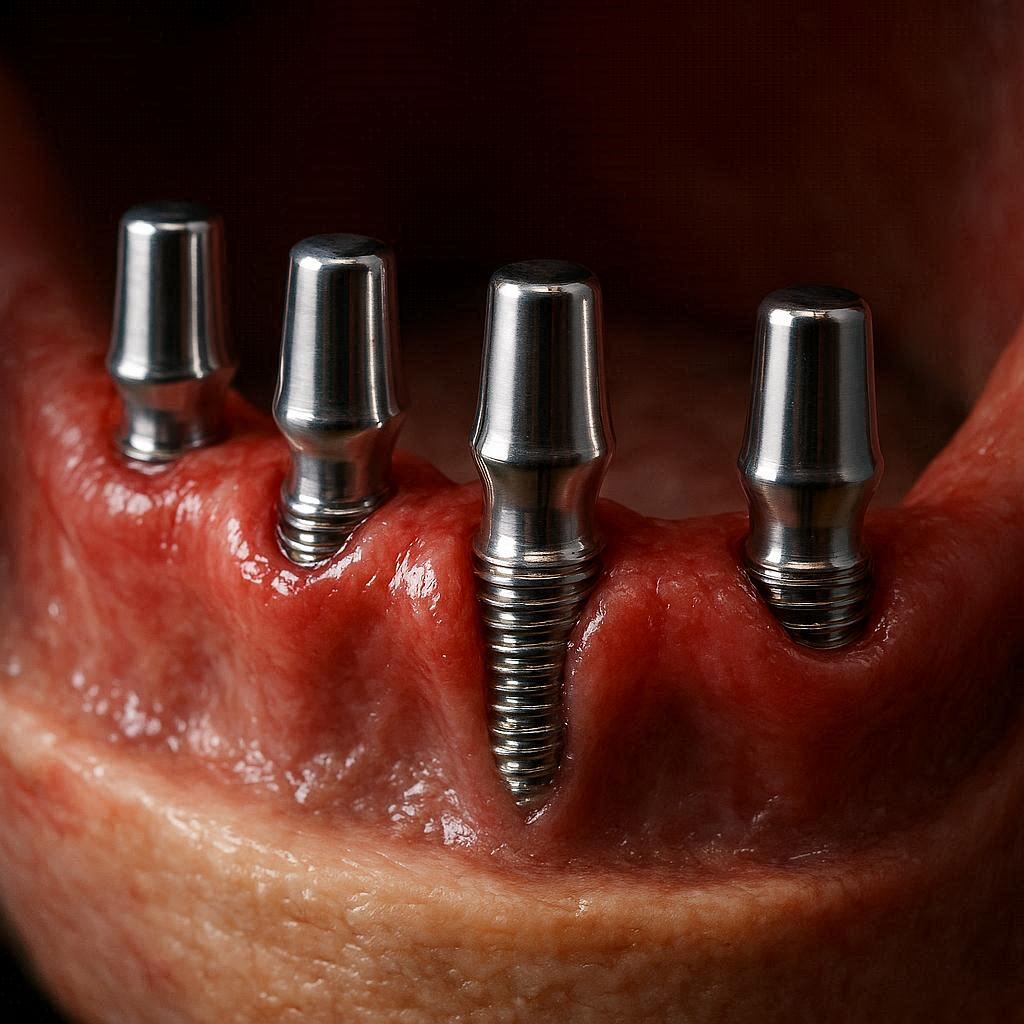
When someone says they need “dental implants with no teeth,” they usually mean one thing: replacing a full arch (upper or lower jaw) of missing teeth using implant-supported dentures or fixed bridges.
You are not placing one implant for one missing tooth. You are placing several implants—usually four to six—to support a whole set of new teeth.
Think of it this way. The implants act like new roots. They are small titanium posts surgically placed into your jawbone. Over time, your bone grows around them. Once healed, we attach a full set of prosthetic teeth on top.
This is very different from traditional dentures. Traditional dentures sit on your gums. They can slip, click, or cause sore spots. Implant-supported teeth stay firmly in place.
Who Is This For?
This solution is for anyone who:
- Has lost all or most of their natural teeth in one jaw
- Struggles with loose, uncomfortable traditional dentures
- Has enough jawbone density (or is willing to get a bone graft)
- Does not have uncontrolled medical conditions like severe diabetes or active gum disease
- Wants a stable, long-term solution
If you have worn dentures for years and your gums have shrunk, do not worry. We will talk about bone grafting later.
The Two Main Types of Full-Arch Implant Solutions
Not all implant solutions are the same. Depending on your budget, bone health, and preferences, your dentist may recommend one of two main approaches.
Fixed Implant-Supported Bridge (Non-Removable)
This is the closest you can get to natural teeth. The prosthetic teeth are screwed into the implants. You cannot remove them at home. Only a dentist can take them out for maintenance.
Pros:
- Feels very natural
- No plastic covering the roof of your mouth (upper arch)
- No clicking or movement
- You can chew almost anything
Cons:
- More expensive
- Requires good bone quality
- Harder to clean between the prosthesis and gums
Removable Implant-Supported Denture (Overdenture)
This option uses implants to snap a denture into place. You can take the denture out for cleaning at night.
Pros:
- Easier to clean
- Lower cost than fixed bridges
- Great stability compared to regular dentures
Cons:
- Still covers part of the palate (upper jaw)
- May feel bulkier than a fixed bridge
- Requires removing nightly for hygiene
Here is a quick comparison table to help you see the difference.
| Feature | Fixed Bridge | Removable Overdenture |
|---|---|---|
| Removal | Only by dentist | Daily by patient |
| Chewing power | 90-95% of natural teeth | 70-80% of natural teeth |
| Palate coverage | None | Partial to full |
| Cleaning difficulty | Moderate | Easy |
| Average cost (per arch) | $15,000 – $30,000 | $7,000 – $15,000 |
| Number of implants | 4 to 6 typically | 2 to 4 typically |
The All-on-4® and All-on-6 Concepts
You have probably heard the term “All-on-4.” This is a specific technique where four implants are placed in strategic positions. The two back implants are angled. This allows them to grip better bone even if your jaw has thinned out.
Why four implants? Four provides enough support for a full arch while keeping surgery time and cost reasonable. For many patients, four is plenty.
What about All-on-6? Six implants offer extra support. This is useful if you have good bone density and want an even more secure fit. It also distributes chewing forces better.
Important note for readers: More implants do not always mean better outcomes. A skilled dentist can often achieve excellent results with four well-placed implants. Do not let someone convince you to get six unless there is a clear clinical reason.
The Step-by-Step Procedure (What Really Happens)
Let’s walk through the entire journey. From your first visit to eating steak again. Every case is unique, but most follow this general path.
Step 1: Initial Consultation and Imaging
Your dentist will take a 3D CT scan of your jaw. This shows exactly where your bone is thick or thin. They will also check your gums for infection. Expect to discuss your medical history, medications, and habits like smoking.
Step 2: Treatment Planning
Using special software, your dentist designs your new smile before any cuts are made. They decide where each implant goes. They also plan the temporary teeth you will wear during healing.
Step 3: Preparatory Work (If Needed)
Not everyone is ready for implants right away. You may need:
- Tooth extractions – if you still have broken teeth
- Bone grafting – if your jawbone is too thin or soft
- Sinus lift – for upper molars (sinus cavity is close)
- Gum disease treatment – to eliminate infection
Bone grafting adds 3 to 9 months to your timeline. Do not skip it if your dentist recommends it. Trying to place implants in weak bone is like building a house on mud.
Step 4: Implant Placement Surgery
On surgery day, you will receive local anesthesia plus sedation if you want it. Most patients describe the experience as pressure, not pain.
The dentist makes small incisions in your gums, drills precise holes, and inserts the titanium implants. The whole procedure for one arch takes about 2 to 3 hours.
Step 5: Attaching Temporary Teeth
In many cases, you walk out with temporary teeth on the same day. These are not your final teeth. They are softer and meant for a soft-food diet. But you do not have to be toothless during healing.
Step 6: Osseointegration (Healing Phase)
This is the most important part. Osseointegration means your bone grows around the implants, locking them in place. This takes 3 to 6 months. During this time, you eat soft foods and keep the area very clean.
Step 7: Final Prosthesis Delivery
Once healed, your dentist removes the temporary teeth. They take impressions or digital scans of your implants. A lab builds your final teeth using materials like zirconia or acrylic reinforced with metal. After a few weeks, you receive your permanent smile.
Step 8: Regular Follow-Ups
You are not done after delivery. You will return at 1 month, 6 months, and then yearly for checks. The dentist will tighten screws if needed and check for any issues.
Can You Get Implants If You Have Had No Teeth For Years?
Yes. Absolutely. This is a very common situation.
Many patients come to us after wearing dentures for 10, 20, or even 30 years. Their gums have shrunk. Their jawbone has resorbed (melted away) because teeth roots were no longer stimulating the bone.
But that does not rule you out.
You will almost certainly need bone grafting. The dentist will take bone from another part of your mouth or use synthetic bone material. In severe cases, they may use bone from your hip or shin. This sounds scary, but it is routine and very successful.
After grafting, you wait 4 to 9 months for new bone to form. Then the implant process proceeds normally.
A honest reality check: Bone grafting adds time and money. But it is worth it. Without enough bone, implants will fail. Do not let anyone rush you.
Cost Breakdown: What You Will Really Pay
Let’s talk money. This is the number one question we hear. Prices vary widely by location, dentist experience, and materials used. But here are realistic US figures (2025-2026 estimates).
Per Arch (Upper or Lower Jaw)
| Service | Low range | High range |
|---|---|---|
| All-on-4 with acrylic teeth | $12,000 | $18,000 |
| All-on-4 with zirconia teeth | $20,000 | $30,000 |
| All-on-6 with zirconia | $25,000 | $40,000 |
| Removable overdenture (2 implants) | $6,000 | $10,000 |
Both Arches (Full Mouth)
Expect to pay $25,000 to $60,000 for both upper and lower jaws. High-end full mouth restoration with premium materials can reach $80,000 or more.
What Is Usually Included?
- CT scan and x-rays
- Surgical guide
- Implant components (4-6 implants per arch)
- Temporary prosthesis
- Final prosthesis
- Follow-up visits (first year)
What May Cost Extra
- Tooth extractions ($150-$400 per tooth)
- Bone grafting ($500-$3,000 per site)
- Sinus lift ($1,500-$3,000)
- Sedation anesthesia ($400-$1,000)
- Replacement of broken prosthetics (later years)
Does Insurance Pay?
Most dental insurance has low annual maximums ($1,000-$2,000). That will not cover much here. However, some medical insurance may contribute if tooth loss resulted from an accident or medical condition. Always ask your provider.
Financing Options
Many dental offices offer payment plans through companies like:
- CareCredit
- LendingClub
- Proceed Finance
- In-house monthly plans (ask specifically)
Pain, Recovery, and What to Expect After Surgery
Fear of pain stops many people from getting implants. Let’s be realistic.
During surgery: You should feel no sharp pain. You will feel pressure, vibrations, and tugging. That is normal. With sedation, you may remember nothing at all.
First 24-48 hours: Moderate discomfort. Swelling peaks around day two. Pain is usually manageable with over-the-counter ibuprofen plus prescribed medication if needed. You will eat cold soft foods like yogurt, smoothies, and pudding.
Days 3-7: Swelling goes down. You move to warm soft foods: mashed potatoes, scrambled eggs, oatmeal. You will rinse with warm salt water. No spitting. No straws.
Weeks 2-4: Most people return to work and normal activities. You still avoid hard, crunchy, or sticky foods. You clean gently with a special brush.
Months 3-6: You eat more normally but still avoid chewing directly on the healing area. Your temporary teeth may feel loose. That is normal as your gums change shape.
After final teeth: Full chewing power returns. You can eat steak, nuts, apples, and corn on the cob. But nothing ridiculously hard like ice cubes or bones.
Managing Discomfort Without Fear
“I had upper dentures for 12 years. I was terrified of implant surgery. The reality? The first three days were uncomfortable, but less than a bad toothache. By day five, I was wondering why I waited so long.” — Margaret, 67, All-on-4 patient.
Daily Life and Hygiene With Full-Arch Implants
Once healed, your new teeth are not “set and forget.” They need daily care, just like natural teeth.
For Fixed Bridges (Non-Removable)
You will need special tools:
- Superfloss – has a stiff end to thread under the bridge
- Interdental brushes – small brushes that clean between teeth
- Water flosser – highly recommended. It blasts food debris from under the prosthesis
- Implant-specific plastic scalers – metal tools can scratch the implant surface
Morning and evening routine: Brush the tops of teeth normally. Then use a water flosser along the gum line and under the bridge. Follow with superfloss or interdental brushes. Expect to spend 3-4 minutes cleaning.
For Removable Overdentures
Take the denture out at night. Brush it with a soft brush and mild soap (not regular toothpaste, which is too abrasive). Soak it in a denture cleaner. Clean the implants and gum area with a regular toothbrush and floss around each implant abutment.
What You Cannot Do
- Chew ice, hard candy, or bones
- Open packages with your teeth
- Smoke heavily (increases implant failure risk)
- Skip dental checkups
What Happens If You Neglect Cleaning?
Peri-implantitis. This is like gum disease but around implants. It causes bone loss and can lead to implant failure. It is preventable with good hygiene. It is treatable if caught early. But it is serious.
Success Rates and Longevity: How Long Do They Last?
This is where implants shine. When properly placed and maintained:
- 10-year success rate: 90-95%
- 20-year success rate: 85-90%
- Lifetime: Many patients never need implant replacement
The prosthetic teeth (the part you see) last 10 to 20 years before needing replacement. The implants themselves usually last a lifetime unless you develop peri-implantitis or suffer trauma.
What Causes Failure?
| Cause | Approximate risk |
|---|---|
| Smoking | 2-3x higher failure |
| Poor oral hygiene | Very high |
| Uncontrolled diabetes | High |
| Grinding teeth (bruxism) | Moderate to high |
| Overloading (too much pressure too soon) | Moderate |
Note: If an implant fails, it can often be replaced. Do not panic. Your dentist will remove the failed implant, graft bone if needed, and try again after healing.
Alternatives to Dental Implants (When Implants Are Not Right)
Implants are great, but they are not for everyone. Here are honest alternatives.
Traditional Dentures
- Cost: $1,000 – $3,000 per arch
- Pros: No surgery, affordable, replaceable
- Cons: Can slip, sore spots, reduced chewing (30-50% of natural), bone loss continues
Mini Implants (Smaller Diameter)
- Cost: $3,000 – $8,000 per arch
- Pros: Less invasive, cheaper, can be placed in thinner bone
- Cons: Less long-term data, may not last as long, not for heavy chewers
No Treatment (Edentulism)
Some people choose to stay without teeth. This is a valid choice if you are medically fragile or have very low functional needs. But be aware that bone loss continues. Your face shape changes. Eating becomes harder over time.
How to Choose the Right Dentist for Full-Arch Implants
Not all dentists are equally skilled. This is specialized work.
Ask These Questions Before Booking
- “How many full-arch (no teeth) cases do you perform per month?”
- “Can I see before-and-after photos of similar cases?”
- “Do you place the implants and make the teeth in-house, or do you use an outside lab?”
- “What is your protocol if an implant fails?”
- “Do you offer a warranty on the prosthetics?”
Red Flags to Avoid
- Dentists who promise “same-day teeth for everyone” without mentioning bone grafting
- Prices that seem too good to be true (under $8,000 per arch with all services)
- No CT scanner in the office
- Unwilling to show past patient results
- Pushing you to decide without a written treatment plan
Credentials to Look For
- Prosthodontist (specialist in replacement teeth)
- Oral surgeon or periodontist (implant placement specialist)
- Fellowship in the International Congress of Oral Implantologists (ICOI)
- Digital workflow (same-day design and milling)
Living With No Teeth While Waiting for Implants
Maybe you need bone grafting. Maybe you are saving money. Maybe you are scared. You do not have to walk around without teeth during the waiting period.
Short-term options:
- Keep your existing dentures (they can be relined)
- Get an inexpensive immediate denture ($500-$1,000)
- Use a flipper (single tooth replacement, not for full arch)
Do not leave your mouth empty for more than a few months if you plan to get implants later. Without any teeth or dentures, your remaining teeth (if any) will shift, and your bone will resorb faster.
Special Situations: Upper Jaw, Lower Jaw, and Medical Conditions
Upper Jaw (Maxilla)
The upper jaw has softer bone and the sinus cavity above it. Sinus lifts are common here. The palate (roof of mouth) may be covered with a removable overdenture but not with a fixed bridge.
Unique challenge: Upper sinuses can expand as you age. An implant that was fine at 60 may be near the sinus at 70. Regular x-rays monitor this.
Lower Jaw (Mandible)
The lower jaw has denser bone. Success rates are slightly higher. However, there is a nerve (inferior alveolar nerve) running through it. Damaging it causes numbness in your lip and chin. A good surgeon uses 3D imaging to avoid this.
Medical Conditions That Affect Success
| Condition | Effect on implants |
|---|---|
| Controlled diabetes | Usually fine |
| Uncontrolled diabetes | High failure risk |
| Osteoporosis (on meds) | Some medications increase risk (bisphosphonates) |
| Autoimmune diseases | Variable, requires specialist consult |
| Head/neck radiation | Very high risk, often not recommended |
Always bring a complete medication list to your consultation.
Frequently Asked Questions (FAQ)
Can I get dental implants if I have no teeth and no bone?
Yes, but you need bone grafting first. In extreme cases, zygomatic implants (anchored in the cheekbone) can be used for the upper jaw. These are complex and expensive but possible.
How long does the entire process take from start to finish?
Typically 6 to 12 months. Bone grafting adds 4 to 9 months. Same-day teeth (immediate loading) give you temporary teeth, not final ones.
Do dental implants with no teeth look natural?
Yes, when done well. The best prosthetics mimic natural gum color, tooth translucency, and individual tooth shapes. Look at before-and-after photos of your potential dentist.
Can I sleep with my fixed implants?
Yes. Fixed bridges stay in 24/7. You clean them like natural teeth. Removable overdentures should be taken out at night to let your gums rest.
Will I be able to taste food normally?
Yes, especially with fixed bridges that leave your palate uncovered. Removable overdentures cover some of the palate, which affects taste slightly less than full dentures.
Are dental implants with no teeth covered by Medicare or Medicaid?
Original Medicare does not cover dental implants. Some Medicare Advantage plans (Part C) offer limited dental benefits. Medicaid coverage varies by state; most states do not cover implants for adults.
Can I get implants if I smoke?
Yes, but your failure risk is higher. Many dentists require you to quit or drastically reduce smoking before placing implants. Smoking reduces blood flow to the bone, slowing healing.
What happens if an implant gets infected?
Early infection is treated with antibiotics and better cleaning. Advanced infection (peri-implantitis) may require surgery to clean the implant surface. Severe cases need implant removal.
Additional Resource
For a deeper dive into real patient experiences, costs by city, and dentist reviews, visit the American Academy of Implant Dentistry patient resource page:
https://www.aaid.com/patients/full-arch-guide (Note: Verify URL directly; this is a representative example. Always check official sites.)
Conclusion: Your Fresh Start Is Possible
Dental implants with no teeth offer a stable, natural-feeling, and long-lasting solution for people who have lost all their teeth. While the process requires time, investment, and commitment to hygiene, it transforms daily life—eating, smiling, and speaking without fear. Whether you choose a fixed bridge or a removable overdenture, start with a thorough consultation to build a realistic plan tailored to your bone health and budget.