Solutions for Missing Teeth: A Practical Guide to Restoring Your Smile
Losing a tooth can feel unsettling. Maybe you hide your smile in photos. Perhaps you struggle to chew your favorite foods. You are not alone. Millions of adults have one or more missing teeth. The good news? Modern dentistry offers several reliable ways to fill that gap.
This guide walks you through every realistic option available today. We will look at costs, benefits, drawbacks, and what to expect during treatment. No confusing jargon. No false promises. Just clear, helpful information to help you make the best choice for your mouth and your budget.
Let us explore how you can bring back your confident smile.
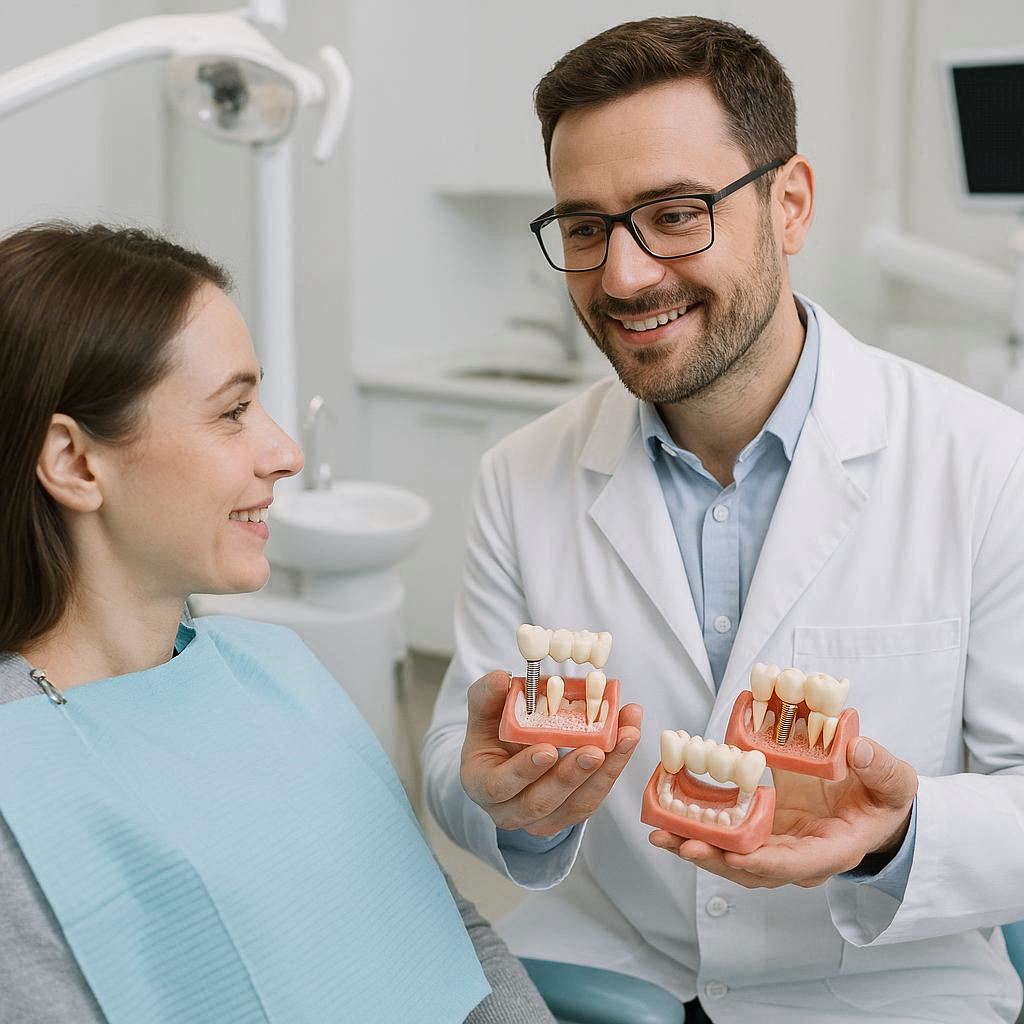
Why Replacing Missing Teeth Matters More Than You Think
You might wonder: is replacing a missing tooth really necessary? After all, many people live with gaps for years. However, leaving a space empty can create a domino effect of dental problems.
When a tooth goes missing, the surrounding teeth begin to shift. They lean into the gap. This changes your bite. It can make cleaning between teeth harder, leading to cavities and gum disease. The bone that once held the tooth starts to shrink because it no longer receives stimulation from chewing. Over time, your face shape can change, giving a sunken appearance around the mouth.
Replacing missing teeth is not just about looks. It is about keeping your remaining teeth healthy, preserving your jawbone, and maintaining proper chewing function. In simple terms, your mouth works better when all the pieces are in place.
Overview of the Main Solutions
We have several paths to consider. Each solution varies in cost, durability, invasiveness, and appearance. Below is a quick map to help you orient yourself.
| Solution | Best For | Longevity | Approximate Cost Range (USD) |
|---|---|---|---|
| Dental Implants | Single or multiple missing teeth | 20+ years to lifetime | 3,000−6,000 per implant |
| Fixed Bridge | One or two missing teeth in a row | 5 to 15 years | 2,000−5,000 per bridge |
| Removable Partial Denture | Several missing teeth not all together | 3 to 8 years | 700−1,800 |
| Complete Dentures | All teeth missing in one arch | 5 to 10 years | 600−4,000 per arch |
| Implant-Supported Denture | All missing teeth with bone loss | 10 to 20+ years | 4,000−15,000 per arch |
| Resin-Bonded Bridge | Missing front tooth with healthy neighbors | 3 to 8 years | 1,500−2,500 |
Important note: Costs vary significantly based on your location, the dentist’s expertise, materials used, and whether you need extra procedures like bone grafting. Always ask for a written estimate before starting treatment.
Let us dive deep into each solution. We will cover how they work, who they suit best, and what daily life looks like with each option.
Dental Implants: The Gold Standard
Dental implants have become the most recommended solution for missing teeth. Many dentists consider them the closest thing to a natural tooth.
How Dental Implants Work
An implant has three parts. First, a small titanium post is surgically placed into your jawbone. Over several months, the bone grows around this post in a process called osseointegration. Second, an abutment is attached to the post. Third, a custom-made crown is placed on top.
The result is a standalone artificial tooth that does not rely on neighboring teeth for support.
Who Is a Good Candidate for Implants?
You are likely a good candidate if you have:
- Healthy gums
- Enough jawbone density to hold the implant
- Good overall health (conditions like uncontrolled diabetes may affect healing)
- Commitment to good oral hygiene
If you lack enough bone, do not lose hope. Bone grafting procedures can rebuild the area. However, this adds time and cost to the treatment.
The Implant Procedure Step by Step
Getting an implant takes patience. Here is a realistic timeline.
- Consultation and planning: Your dentist takes X-rays or a CT scan to assess bone density.
- Implant placement surgery: The post is placed into the bone. This takes about 60 to 90 minutes per implant.
- Healing period: You wait 3 to 6 months for osseointegration. During this time, you may wear a temporary tooth.
- Abutment placement: A minor procedure to attach the connector piece.
- Crown placement: Your final tooth is screwed or cemented onto the abutment.
Pros and Cons of Implants
Pros:
- Look and feel completely natural
- Do not affect adjacent teeth
- Preserve jawbone and facial structure
- Can last a lifetime with proper care
- No special cleaning needs (just brush and floss normally)
Cons:
- Highest upfront cost
- Requires surgery
- Long treatment time (often 6 to 9 months total)
- Not suitable for heavy smokers or those with certain medical conditions
“Implants changed my life. I forget I ever lost a tooth. But the waiting was hard, and the cost was no joke. Still, I would do it again in a heartbeat.” — Rebecca, 52
Caring for Dental Implants
The good news: implants cannot get cavities. However, they can fail if you develop gum disease around them. Brush twice daily, floss carefully around the crown, and visit your dentist regularly. With good care, your implant can serve you for decades.
Fixed Dental Bridges: A Non-Surgical Alternative
A fixed bridge literally bridges the gap left by one or two missing teeth. Unlike implants, bridges do not require surgery. This makes them attractive for people who cannot or do not want to undergo an implant procedure.
How a Fixed Bridge Works
The bridge consists of a false tooth (called a pontic) held in place by crowns on the two teeth next to the gap. Your dentist reshapes those neighboring teeth so the crowns fit over them. The entire piece is cemented into place permanently. You cannot remove it yourself.
Types of Fixed Bridges
Traditional bridge: The most common type. Uses crowns on both adjacent teeth.
Cantilever bridge: Used when only one adjacent tooth is available. Less common because it puts more stress on that single tooth.
Resin-bonded bridge (Maryland bridge): Has wings made of metal or ceramic bonded to the back of adjacent teeth. This requires minimal reshaping of healthy teeth.
The Bridge Procedure
- Tooth preparation: Your dentist numbs the area and reshapes the two teeth next to the gap.
- Impressions: Molds are taken and sent to a lab. You receive a temporary bridge for 2 to 3 weeks.
- Placement: The permanent bridge is checked for fit and cemented into place.
The entire process takes about two to three weeks. No surgery and no healing period.
Pros and Cons of Fixed Bridges
Pros:
- No surgery required
- Faster treatment (2 to 3 weeks)
- Lower cost than implants
- Looks and feels natural
- Fixed permanently in place
Cons:
- Requires grinding down healthy teeth
- Does not prevent bone loss under the missing tooth
- May need replacement every 5 to 15 years
- Can be harder to clean underneath
- Adjacent teeth become more vulnerable to decay
Cleaning a Fixed Bridge
This is where many bridge owners struggle. Food and plaque can get trapped under the pontic. You need special tools like floss threaders, superfloss, or water flossers to clean underneath. Without thorough cleaning, the supporting teeth can develop cavities, causing the bridge to fail.
Removable Partial Dentures: A Budget-Friendly Option
Partial dentures have been around for generations. They remain a popular choice for people missing several teeth in different areas of the mouth.
What Is a Removable Partial Denture?
A partial denture is a plate made of acrylic or metal with replacement teeth attached. It clasps onto your remaining natural teeth using metal or flexible gum-colored clips. You take it out at night for cleaning.
Types of Partial Dentures
Cast metal partial denture: A rigid metal framework that is strong and thin. It clasps onto teeth securely. Most dentists consider this the best removable option.
Acrylic partial denture: Made entirely of pink acrylic. Less expensive but bulkier and less durable. Often used as a temporary solution.
Flexible partial denture (Valplast): Made from a nylon-like material. It is comfortable, lightweight, and has no metal clasps. However, it cannot be repaired easily and may stain over time.
Getting a Partial Denture
- Impressions: Your dentist takes molds of your mouth.
- Try-in: You test a wax model to check fit and appearance.
- Delivery: The finished denture is adjusted for comfort.
You will need 3 to 5 dental visits over 4 to 6 weeks.
Pros and Cons of Partial Dentures
Pros:
- Most affordable option for multiple missing teeth
- Non-invasive (no surgery, no drilling)
- Easier to clean teeth under the denture
- Can replace many missing teeth at once
- Repairable if damaged
Cons:
- Can feel bulky and uncomfortable
- Metal clasps may show when smiling
- May affect speech and taste
- Can loosen or move while eating
- Accelerates bone loss over time
- Needs replacement every few years
Living with a Removable Partial Denture
Expect an adjustment period of two to three weeks. You may produce extra saliva at first. Speaking might feel awkward. Practice reading aloud to speed up the adjustment. Remove your partial at night to give your gums a rest. Clean it daily with a soft brush and mild soap (not regular toothpaste, which can scratch the surface).
Complete Dentures: For Full Arch Tooth Loss
When you have lost all teeth on your upper or lower jaw, complete dentures offer a way to eat, speak, and smile again.
Understanding Complete Dentures
Conventional dentures are made after all teeth have been removed and the gum tissue has healed. This takes 8 to 12 weeks. Immediate dentures are placed right after tooth extraction, so you never have to go without teeth. However, immediate dentures require frequent relining as your gums shrink during healing.
The Process of Getting Dentures
- Extractions (if needed): Your remaining teeth are removed.
- Healing: You wait 2 to 4 months for gums to heal.
- Impressions: Multiple molds are taken to ensure a precise fit.
- Wax try-in: You test the arrangement of teeth before final production.
- Delivery and adjustments: Your final denture is placed, followed by several adjustment visits.
Challenges of Lower Dentures
Lower dentures are notoriously difficult to keep in place. The tongue and the mobile floor of the mouth work against the denture. Many people struggle with lower dentures that float or click. For this reason, implant-supported lower dentures have become increasingly popular.
Pros and Cons of Complete Dentures
Pros:
- Replaces all teeth at once
- Restores facial fullness
- Improves ability to eat and speak
- No surgery required for conventional dentures
- Most affordable full-arch solution
Cons:
- Requires significant adjustment
- Reduces chewing efficiency (only 20% to 30% of natural bite force)
- Can loosen during laughing or coughing
- Accelerates jawbone resorption
- Needs relining or replacement every 5 to 10 years
- May cause sore spots and discomfort
Tips for New Denture Wearers
Start with soft foods cut into small pieces. Avoid sticky or hard foods initially. Practice speaking by repeating challenging words. Use denture adhesive if needed, but do not rely on it to fix a poor fit. Clean your dentures daily and remove them at night to allow your gum tissues to recover.
Implant-Supported Dentures: The Best of Both Worlds
Implant-supported dentures combine the stability of implants with the affordability of dentures. For many people with full tooth loss, this is the ideal solution.
How Implant-Supported Dentures Work
Two to four implants are placed in your jawbone. These implants act as anchors for your denture. The denture either snaps onto the implants (removable type) or is screwed in place by your dentist (fixed type).
Types of Implant Dentures
Bar-retained denture: A metal bar connects two to four implants. Your denture clips onto this bar. You can remove the denture for cleaning.
Ball-retained denture (stud attachment): Each implant has a metal ball that fits into a socket in the denture. The denture snaps firmly into place.
Fixed hybrid denture (All-on-4): Four to six implants support a fixed bridge that you cannot remove yourself. This option costs more but feels most natural.
Who Needs Implant Dentures?
This solution works well if you:
- Have lost all teeth in one or both jaws
- Have significant bone loss (fewer implants can be placed)
- Struggle with traditional dentures that move
- Want better chewing ability than regular dentures
- Have a moderate budget (less than full individual implants but more than basic dentures)
Advantages Over Regular Dentures
- No slipping or clicking
- Chewing force improves to 60% to 80% of natural teeth
- Reduces bone loss because implants stimulate the jaw
- Better taste and sensation (no palate coverage on some designs)
- Greater confidence in social situations
Considerations
Implant dentures require surgery and a healing period of 3 to 6 months. They cost more than regular dentures but significantly less than replacing each missing tooth with a single implant. Cleaning is more involved than regular dentures because you need to clean around the implant attachments.
Comparing Solutions: Which One Fits Your Situation?
Let us match specific scenarios to the most appropriate solutions.
Single Missing Tooth
| Situation | Recommended Solution | Second Choice |
|---|---|---|
| Healthy adjacent teeth, enough bone | Dental implant | Resin-bonded bridge |
| Adjacent teeth already need crowns | Fixed bridge | Implant |
| Budget constraints, temporary fix | Removable partial (acrylic) | — |
| Front tooth with healthy neighbors | Resin-bonded bridge | Implant |
Two or Three Missing Teeth in a Row
| Situation | Recommended Solution | Second Choice |
|---|---|---|
| Good bone health, long-term | Two implants with a 3-unit bridge | Single implant each tooth |
| Want to avoid surgery | Traditional fixed bridge | Removable partial |
| Limited budget | Cast metal partial denture | Acrylic partial |
Several Missing Teeth Spread Out
| Situation | Recommended Solution | Second Choice |
|---|---|---|
| Enough bone in key areas | Multiple implants | — |
| Prefer non-surgical | Cast metal partial denture | Flexible partial |
| Very tight budget | Acrylic partial denture | — |
All Teeth Missing (Upper or Lower)
| Situation | Recommended Solution | Second Choice |
|---|---|---|
| Enough bone, adequate budget | Fixed implant denture (All-on-4) | Multiple individual implants |
| Limited bone, moderate budget | Removable implant denture (2-4 implants) | — |
| Cannot have surgery, low budget | Conventional complete denture | — |
| Lower jaw denture problems | Two-implant lower denture | Four-implant overdenture |
Important Factors to Consider Before Choosing
Making a decision about replacing missing teeth involves more than just picking the cheapest or most popular option. Take these factors seriously.
Your Budget Realistically
Prices vary widely. A single implant might cost 5,000inamajorcitybut3,000 in a rural area. Dental schools offer reduced fees for treatment performed by supervised students (often 30% to 50% less). Some people travel internationally for dental tourism, but be cautious about follow-up care and quality standards.
Think long-term. A cheap partial denture that needs replacement every 3 years at 800maycostmoreover20yearsthanabridgethatlasts15yearsfor3,000.
Your Health Status
Certain conditions complicate tooth replacement:
- Uncontrolled diabetes slows healing and increases implant failure risk
- Osteoporosis medications (bisphosphonates) raise the risk of jawbone problems
- Autoimmune diseases may affect gum healing
- Heavy smoking significantly reduces implant success rates
- Teeth grinding (bruxism) can break bridges and loosen implants
Be honest with your dentist about your medical history. Not everyone is a candidate for every solution.
Your Commitment to Hygiene
Some solutions demand more daily care than others.
Low maintenance: Implants (brush and floss normally), complete dentures (soak and brush)
Medium maintenance: Bridges (need floss threaders), implant dentures (clean around abutments)
High maintenance: Removable partials (clean clasps and abutment teeth carefully)
If you struggle with regular brushing and flossing, a removable option you can take out and clean may actually be better for your oral health.
Time and Convenience
Ask yourself: how much time can you dedicate to treatment?
- Dental implant: 6 to 12 months, multiple appointments, surgery recovery
- Fixed bridge: 2 to 3 weeks, two to three appointments, no recovery time
- Partial denture: 4 to 6 weeks, four to five appointments
- Complete denture: 3 to 4 months for conventional, or immediate placement with adjustments
- Implant denture: 4 to 9 months, surgery plus healing time
Some people choose a bridge because they cannot wait nearly a year for an implant. That is a valid decision. The best solution is one you can complete without giving up.
Costs, Insurance, and Financing Explained
Let us talk honestly about money. This is often the biggest barrier to replacing missing teeth.
Typical Cost Ranges (USA, 2025-2026 estimates)
| Procedure | Low End | Average | High End |
|---|---|---|---|
| Single implant (post, abutment, crown) | $3,000 | $4,500 | $6,000+ |
| Implant with bone grafting | $4,500 | $6,500 | $9,000+ |
| 3-unit fixed bridge | $2,000 | $3,500 | $5,000+ |
| Resin-bonded bridge | $1,500 | $2,000 | $2,500 |
| Cast metal partial denture | $800 | $1,200 | $1,800 |
| Acrylic partial denture | $400 | $700 | $1,000 |
| Flexible partial denture | $1,000 | $1,500 | $2,000 |
| Conventional full denture (per arch) | $600 | $1,500 | $4,000 |
| Immediate denture (per arch) | $800 | $1,800 | $4,500 |
| Implant denture (removable, 2 implants) | $4,000 | $7,000 | $12,000 |
| All-on-4 fixed bridge (per arch) | $15,000 | $25,000 | $35,000+ |
Dental Insurance Coverage
Most dental insurance plans cover a portion of tooth replacement, but with limits. Typical coverage:
- Exams and X-rays: 80% to 100%
- Fillings and extractions: 70% to 80%
- Bridges and dentures: 50% for major services
- Implants: Often excluded or covered at 50% with a low annual maximum
Most plans have an annual maximum between 1,000and2,000. That means even good insurance will only contribute a fraction toward an implant. Some plans have waiting periods of 6 to 12 months before covering major services.
Ways to Make Treatment Affordable
- Dental schools: Major cost reduction (30% to 50% less)
- In-house membership plans: Some offices offer their own discount plans for 200to400 per year
- CareCredit: Healthcare credit card with promotional financing
- FSAs and HSAs: Use pre-tax dollars for dental work
- Dental tourism: Mexico, Costa Rica, Thailand, and Hungary offer lower prices. Factor in travel costs and follow-up logistics.
- Phased treatment: Spread implant placement and crowns over multiple years using insurance maximums each year
Important note: Avoid bargain hunting on dental work in unsafe conditions. Failed implants or poorly made dentures cost more to fix than doing it right the first time.
What to Expect During Each Procedure
Understanding the experience helps reduce anxiety. Let me walk you through what each solution feels like.
Implant Surgery Day
You receive local anesthesia to numb the area. Sometimes sedation dentistry (laughing gas or oral medication) is available for nervous patients. You feel pressure but no sharp pain. The surgery takes about 60 to 90 minutes per implant. Afterwards, expect swelling, mild bruising, and some discomfort for 3 to 5 days. Over-the-counter pain relievers usually suffice. You eat soft foods for about a week.
Bridge Preparation
Your dentist numbs the teeth next to the gap. The reshaping involves drilling down the enamel. This does not hurt because you are numb, but you will hear the drill and feel vibration. After impressions, you wear a temporary bridge for two to three weeks. The permanent bridge placement is painless and takes about 30 minutes.
Getting a Partial Denture
No pain involved. The process involves impressions and bite registrations. You may gag while the impression material sets. Let your dentist know if gagging is a problem; they can use smaller trays or digital scans. When you receive the denture, it might feel bulky for a week or two. Minor sore spots are common and can be adjusted by your dentist.
Complete Denture Delivery
This is an emotional moment for many people. Seeing yourself with a full set of teeth after being without can be overwhelming. However, the first few weeks are challenging. Eating feels strange. The denture may rub against gums. Your tongue has less space. These issues improve with time and professional adjustments. Do not tolerate a denture that hurts; see your dentist for relief.
Implant Denture Placement
This occurs after implants have healed for 3 to 6 months. Your dentist uncovers the implants (a quick, minor procedure), attaches abutments, and fits your denture. If you choose a fixed version, the denture is screwed in. For removable versions, you learn to snap the denture on and off. This takes practice.
Long-Term Care and Maintenance
Your solution will last longer if you care for it properly. Here are solution-specific maintenance tips.
For Dental Implants
- Brush twice daily with a soft toothbrush
- Floss around the implant crown
- Use a water flosser to clean the gum line
- Avoid biting hard objects (ice, pens, hard candy)
- Visit your dentist every 6 months for check-ups
- Professional cleanings should include checking the implant stability
For Fixed Bridges
- Use floss threaders or superfloss to clean under the pontic
- Consider a water flosser aimed at the bridge margins
- Avoid sticky or hard foods that could loosen the bridge
- Watch for red, bleeding gums around bridge teeth (a sign of decay underneath)
For Removable Partials and Dentures
- Remove and rinse after meals
- Brush with a soft denture brush and mild soap (not toothpaste)
- Soak in denture cleaning solution nightly
- Store in water to prevent warping
- Brush your natural teeth and gums before reinserting
- Have the fit checked annually
For Implant Dentures
- Clean around implant abutments with special brushes
- Remove the denture daily to clean (for removable types)
- Soak and brush the denture portion
- Have the retaining clips replaced every 6 to 12 months (they wear out)
- Professional cleaning of the implants themselves is essential
Emergency Situations and Repairs
Things can go wrong. Here is how to handle common problems.
Loose Bridge
Do not try to glue it back yourself. Over-the-counter dental cement or toothpaste will not hold properly. See your dentist. If the supporting teeth are healthy, the bridge can often be recemented. If decay is present, you may need a new bridge.
Broken Partial Denture
If a tooth or clasp breaks, save all pieces. Do not wear a damaged denture as it can injure your gums. Most repairs are possible. A dental lab can add a new tooth or replace a clasp for 100to300. Never use superglue on dental appliances; the fumes and chemicals are toxic in your mouth.
Lost or Broken Implant Crown
The crown on top of your implant can chip or come loose. The implant post itself is usually fine. Your dentist can often recement the crown or make a new one. This is much less expensive than replacing the whole implant.
Denture That Does Not Fit
Gums change shape over time. A denture that fit perfectly five years ago may now be loose. Do not use DIY reline kits from the pharmacy; they often make the problem worse. Your dentist can perform a professional reline for 200to500. This involves adding new material to the denture base to match your current gum shape.
Realistic Expectations: What Each Solution Can and Cannot Do
Let us set honest expectations. No replacement is exactly like a natural tooth.
Dental Implants
Can do: Feel nearly natural, allow you to eat most foods, preserve bone, last for decades.
Cannot do: Guarantee 100% success (about 95% success rate over 10 years), work for everyone, cost as little as other options.
Fixed Bridges
Can do: Restore appearance and chewing for moderate foods, complete treatment quickly, avoid surgery.
Cannot do: Prevent bone loss, last as long as implants, be cleaned as easily as natural teeth.
Partial Dentures
Can do: Replace many missing teeth affordably, be removed for easy cleaning, be repaired if damaged.
Cannot do: Feel completely comfortable, stay perfectly still while eating, avoid coverage of your palate (for upper dentures), stop bone loss.
Complete Dentures
Can do: Give you teeth when none remain, restore your facial profile, allow you to smile confidently.
Cannot do: Restore full chewing power (expect eating to be harder), stay in place without adhesive for many people, feel like natural teeth, prevent continued bone loss.
Alternative and Emerging Options
Dentistry keeps advancing. While not yet mainstream, these options may interest you.
Mini Implants
Smaller diameter implants than standard ones. They require less bone and can sometimes be placed in one appointment. You might use them to stabilize a lower denture. However, mini implants have lower long-term success rates than standard implants. Use them only for denture stabilization, not for individual crowns.
3D Printed Dentures
Some labs now use digital scanning and 3D printing to create dentures. This reduces the number of appointments and improves fit accuracy. Costs are similar to traditional dentures. Ask your dentist if they offer digital denture workflows.
Dental Tourism Considerations
Countries like Mexico, Costa Rica, Turkey, and Thailand offer dental work at 30% to 60% of US prices. Many clinics cater to international patients with English-speaking staff. Weigh these factors carefully:
Pros: Lower costs, sometimes faster treatment, vacation combined with dental care
Cons: Difficult follow-up if problems arise, different quality standards, no legal recourse for complications, travel costs and time
If you choose this path, research clinics thoroughly. Ask for patient testimonials and before-after photos. Ensure they use sterile techniques and quality materials. Have a plan for managing problems once you return home.
How to Choose a Dentist for Tooth Replacement
The professional you choose matters as much as the solution itself. Here is what to look for.
Questions to Ask Before Committing
- How many of these procedures have you performed?
- Can I see before-and-after photos of similar cases?
- What is your success rate with implants (if applicable)?
- Do you handle the entire treatment or refer to specialists?
- What is included in your quoted price (extractions, temps, follow-up)?
- What happens if the restoration fails within the first year?
Credentials to Look For
- Implants: Oral surgeon or periodontist (gum specialist) for surgical placement; general dentist or prosthodontist for the crown
- Complex bridges and dentures: Prosthodontist (specialist in tooth replacement)
- General dentures: Experienced general dentist or denturist (in states where permitted)
Red Flags to Avoid
- Promises that seem too good to be true (“Implants in one day!” without explaining limitations)
- Pressure to decide immediately
- Unusually low prices without explanation
- Reluctance to provide written treatment plans or warranties
- Poor online reviews or unresolved complaints
Psychological and Social Aspects of Missing Teeth
Tooth loss affects more than physical health. Many people report feeling self-conscious, avoiding social situations, or smiling with their mouth closed. These feelings are valid.
Replacing missing teeth often brings emotional relief. People describe feeling “like themselves again.” They laugh openly. They order steak at restaurants without worry. Do not underestimate the value of this psychological benefit when weighing costs.
If you cannot afford treatment immediately, consider a temporary solution. A flipper (acrylic partial) costs a few hundred dollars and can get you through a job interview or wedding while you save for a permanent option.
Step-by-Step Action Plan for Readers
Feeling overwhelmed? Let me simplify your next steps.
Step 1: Schedule a Consultation
Visit two or three dentists for opinions. Most offer free or low-cost consultations for new patients. Bring a list of your questions.
Step 2: Get a Written Treatment Plan
Ask for a document listing every procedure, material, cost, and timeline. Compare plans side by side.
Step 3: Verify Insurance and Financing
Call your insurance company. Ask: “What is my coverage for implants, bridges, and dentures? What is my annual maximum? Are there waiting periods?”
Step 4: Start with Urgent Needs First
If you have active infection or pain, address extractions and gum disease before planning replacements.
Step 5: Make a Decision Based on Your Values
Rank these in order of importance to you: cost, longevity, invasiveness, treatment time, comfort. Choose the option that best matches your priorities.
Step 6: Prepare for Treatment
Take time off work if needed. Stock soft foods. Arrange for a ride home after sedation appointments.
Step 7: Commit to Aftercare
The best solution will fail without proper cleaning and regular check-ups. Make hygiene non-negotiable.
Common Myths About Tooth Replacement
Let me clear up some persistent misconceptions.
Myth: “Once I get dentures, I never need to see a dentist again.”
Truth: Dentures require regular check-ups to check fit, examine your gums and tongue for disease, and adjust as your mouth changes.
Myth: “Implants are painful and risky.”
Truth: The procedure is no more painful than a tooth extraction. Implant surgery has a very high success rate (over 95% in healthy individuals).
Myth: “A bridge will last forever.”
Truth: Bridges have a finite lifespan. Most last 5 to 15 years before needing replacement due to decay under the crowns or wear.
Myth: “Partial dentures will ruin my remaining teeth.”
Truth: Poorly fitting partials can cause damage. Well-designed partials made by a skilled dentist actually protect remaining teeth by preventing shifting.
Myth: “I am too old for implants.”
Truth: Age alone is not a barrier. Healthy older adults in their 80s and 90s successfully receive implants. General health matters more than chronological age.
Frequently Asked Questions
Q: How long do I have to wait to replace a missing tooth?
A: You can replace it immediately in some cases (immediate implant or temporary partial). However, waiting 3 to 6 months after extraction allows gum and bone healing, which often leads to better long-term results. Your dentist will advise based on your situation.
Q: Can I get an implant years after losing a tooth?
A: Yes, absolutely. You may need bone grafting if significant bone loss has occurred, but many people successfully receive implants decades after losing a tooth.
Q: Will my dental insurance cover implants?
A: Some plans cover a portion (often 50% up to the annual maximum). Many traditional plans exclude implants entirely. Check your specific policy documents or call your insurer.
Q: Do dental implants hurt?
A: The procedure itself is painless due to anesthesia. Afterward, you will have soreness and swelling for 3 to 7 days, similar to having a tooth pulled. Most people manage with over-the-counter pain relievers.
Q: How do I clean under a fixed bridge?
A: Use floss threaders, superfloss (has a stiff end to thread under the bridge), or a water flosser aimed at the gap between the bridge and gums. Clean under the bridge daily.
Q: Can I sleep in my dentures?
A: No. Remove them at night to give your gums a rest and to prevent fungal infections (denture stomatitis). Clean and store them in water or solution overnight.
Q: What is the cheapest solution for one missing tooth?
A: An acrylic removable partial (sometimes called a “flipper”) costs 300to500. This is temporary and not meant for long-term use. For permanent solutions, a resin-bonded bridge or traditional bridge is cheaper than an implant.
Q: How many implants do I need for a full arch of teeth?
A: Four to six implants can support a fixed full-arch bridge (All-on-4 is common). Two to four implants can support a removable implant denture.
Q: Will my face shape change if I do not replace a missing tooth?
A: Over several years, yes. The bone loss from a missing tooth can cause gradual changes to your jawline and cheek support, especially if multiple teeth are missing.
Q: Can I eat normally with partial dentures?
A: Most people adapt well but may avoid very sticky or hard foods. Cutting food into smaller pieces helps. Avoid chewing directly on the metal clasps.
Additional Resources
For more detailed information, professional associations, and patient support, visit:
American College of Prosthodontists
Link: https://www.gotoapro.org
Why this resource? Find a specialist in tooth replacement near you. The site offers patient education brochures and a “Find a Prosthodontist” tool.
Final Thoughts
Replacing missing teeth is an investment in your health, confidence, and quality of life. No single solution works for everyone. The right choice depends on your unique mouth, budget, and personal priorities.
Start by talking to a dentist you trust. Get two or three opinions if you feel unsure. Ask questions until you understand your options clearly. Remember that doing something is almost always better than doing nothing, as gaps tend to create more problems over time.
Whether you choose an implant, bridge, or denture, you are taking a positive step toward better health. Your smile matters. You deserve to eat, laugh, and speak without worry.
Take that first step today. Your future self will thank you.
Disclaimer: This article provides general information and does not constitute medical advice. Dental needs vary from person to person. Always consult with a licensed dental professional before making decisions about your oral health. The author and publisher are not responsible for any outcomes resulting from the use of this information.
Conclusion
Missing teeth can be replaced through several reliable methods, including dental implants, fixed bridges, removable partials, complete dentures, and implant-supported dentures. Each option has different costs, longevity, and lifestyle impacts. The best solution depends on your budget, health status, and personal preferences—so consult a dentist to create a plan tailored to you.