Cost of Dental Sealants for Adults: Your Complete 2026 Price Guide
Dental sealants can protect your back teeth from decay for a decade or more — but most adults have no idea what they cost, whether insurance pays, or if they’re even worth it. This guide answers every question, with real price ranges, comparisons, and money-saving strategies you can use today.
What Are Dental Sealants?
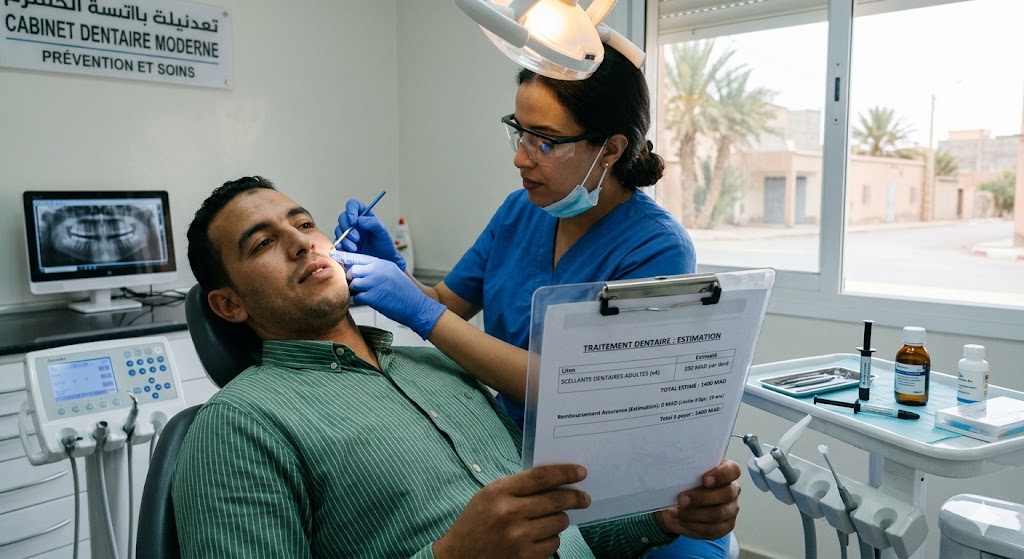
Dental sealants are thin, protective coatings applied directly to the chewing surfaces of your back teeth — mainly the molars and premolars. Think of them as an invisible shield. They fill in the tiny grooves and pits where bacteria and food debris tend to get trapped, making it much harder for cavities to form.
The material used is usually a plastic-based resin or, in some cases, a glass ionomer cement. Both bond tightly to the tooth surface and harden quickly, creating a smooth, easy-to-clean barrier. Once in place, a sealant requires no special maintenance beyond regular brushing and dental visits.
Most people associate sealants with children, and for good reason — they were first introduced as a pediatric preventive tool in the 1970s. But adult applications have grown significantly over the past two decades. Adults with deep grooves in their teeth, those prone to cavities, or those who haven’t yet developed decay in certain teeth can all benefit.
Sealants are one of the most cost-effective preventive treatments in dentistry. Placing a sealant today can save a patient from a filling, a crown, or worse, a root canal down the road.— General Dentistry perspective, American Dental Association-aligned practitioners
The application takes only a few minutes per tooth and causes no pain. No drilling is involved in most cases. Your dentist simply cleans the tooth, applies a mild acid gel to prepare the surface, rinses and dries it, then paints on the sealant liquid, which hardens under a special curing light.
For adults, sealants are most often recommended for:
- Molars and premolars that have never had a cavity or filling
- Teeth with unusually deep or narrow grooves that are hard to clean
- Patients with dry mouth, which reduces the natural cavity-fighting effect of saliva
- Adults returning to regular dental care after years away and looking to protect teeth proactively
- People with a high-sugar diet or who struggle with consistent brushing habits
How Much Do Dental Sealants Cost for Adults?
Let’s get to the number you’re probably most curious about. Dental sealant costs vary more than most people expect, depending on location, provider, and whether insurance is involved. Here’s a straightforward summary of what you’re likely to encounter in 2026.
$30
Minimum per tooth (basic clinic, uninsured discount)
$60
Average per tooth (typical dental office, US)
$120
Maximum per tooth (premium urban practice)
$240–$480
Estimated full treatment (4–8 teeth)
Most adults who get sealants have them placed on four to eight back teeth — typically the four permanent molars, though sometimes premolars are included too. That puts the typical out-of-pocket cost, before insurance, somewhere between $200 and $500 for a complete treatment.
Important note: These prices reflect self-pay rates at general dental practices in the United States. Rates outside the US can differ significantly — in the UK under the NHS, sealants may be covered for free or at a nominal charge; in countries like Canada or Australia, costs often fall in a similar range to the US for private care.
| Setting | Cost Per Tooth | Notes |
|---|---|---|
| Dental school clinic | $10–$30 | Supervised student work; excellent quality control |
| Community health center (FQHC) | $15–$40 | Sliding scale fees based on income |
| General dentist (suburban US) | $35–$65 | Most common scenario for the average adult |
| General dentist (urban US) | $50–$90 | Higher overhead costs in cities drive up prices |
| Specialist / cosmetic dentist | $70–$120 | Rarely necessary for sealants; not recommended |
| With dental insurance (copay) | $0–$25 | If covered; varies widely by plan |
One thing worth knowing: dentists rarely offer a line-item price for sealants on their public websites. You’ll almost always need to call and ask directly. When you do, make sure to ask for the fee for CDT code D1351 — that’s the standard American dental billing code for a sealant on a permanent tooth. Having that code makes it easier to compare prices between offices and check your insurance coverage.
Quick tip: Ask your dentist for the fee for code D1351 (sealant, per tooth) when calling around for prices. Dental offices track their fees by these codes, and it makes price comparison much easier.
Cost Breakdown by Tooth Type
Not all teeth cost the same to seal. The location and accessibility of a tooth can influence both the time and material required, and therefore the price. Here’s how things typically break down.
First Molars
Your first molars — the large, flat teeth just behind your premolars — are the most common targets for sealants in adults. They have the deepest pits and fissures of any tooth and the highest risk of developing decay in those grooves. Sealing them makes a lot of sense if they’re still cavity-free. Expect to pay in the mid-range, around $40–$70 per tooth at an average US practice.
Second Molars
Second molars sit further back in the mouth, making them slightly harder to access. Some dentists charge a small premium for these due to the extra time involved, but in most practices, the fee is identical to first molars. You may pay $40–$80 per tooth depending on the office.
Third Molars (Wisdom Teeth)
Sealants on wisdom teeth are unusual and generally not recommended. Wisdom teeth are often partially erupted, misaligned, or scheduled for eventual removal, making the cost of sealing them hard to justify. Most dentists will advise against it.
Premolars
Premolars have smaller, shallower grooves than molars. They’re less commonly sealed in adults, but your dentist may recommend it if your specific anatomy makes you prone to decay in these areas. Cost is usually at the lower end — $30–$55 per tooth.
| Tooth Type | Typical Cost (per tooth) | Sealant Recommended? |
|---|---|---|
| First molars | $40–$70 | Yes — most common |
| Second molars | $40–$80 | Yes — common |
| Premolars | $30–$55 | Sometimes |
| Third molars (wisdom) | $50–$90 if done | Rarely, if ever |
| Front teeth | N/A | Not applicable |
Keep in mind that most adults have four permanent molars ideally suited for sealants. If your dentist recommends sealing all four at once, you might negotiate a slight discount for multiple teeth treated in the same visit — some offices offer this, though it’s not universal.
What Affects the Price?
The range between $30 and $120 per tooth is wide, and it’s not random. Several specific factors drive costs up or down. Understanding these can help you make smarter decisions about where and when to get sealants placed.
Geographic Location
Where you live has perhaps the biggest single impact on dental fees. Dentists in Manhattan or San Francisco face dramatically higher rent, staff wages, and operating costs than those in rural Tennessee or suburban Ohio. A procedure that costs $70 per tooth in a major metropolitan area might be $40 in a mid-sized city and $30 or less in a rural town.
Even within the same city, there can be meaningful variation. A practice in a wealthy neighborhood with high-end equipment and a premium patient experience will charge more than a no-frills community practice across town doing the exact same procedure.
Type of Sealant Material
There are two main types of dental sealant materials:
- Resin-based sealants — the most common type. Durable, clear or white in appearance, and long-lasting. These are the standard and are included in most quoted prices.
- Glass ionomer sealants — sometimes used in specific situations (like partially erupted teeth). They release fluoride into the surrounding tooth structure, which is a bonus. They tend to be slightly less durable than resin-based options but may be preferred in certain clinical scenarios.
Some dentists charge a small premium for glass ionomer or fluoride-releasing sealants, but the difference is rarely significant — typically under $10 per tooth.
Number of Teeth Treated
More teeth means more total cost, but occasionally a lower per-tooth rate. If you’re sealing four teeth in one visit, ask if the dentist offers a package price or small courtesy discount. This isn’t guaranteed, but it doesn’t hurt to ask.
Practice Type and Overhead
Corporate dental chains (like Aspen Dental or Heartland Dental-affiliated practices) sometimes advertise lower initial fees to attract new patients, but prices vary widely by location. Private solo practices may charge more but often offer more personalized care and consistent pricing. Dental school clinics are consistently the most affordable option for healthy, patient adults willing to spend a bit more time at appointments.
Technology and Equipment
Some dentists invest in advanced diagnostic technology — like laser caries detection or digital radiography — that can improve accuracy when assessing whether a tooth is suitable for a sealant. If your dentist uses these tools as part of the sealant workup, it could add to the bill, though the clinical benefit is real.
Whether a New Patient Exam Is Required
If you’re a new patient at a dental practice, most offices require a full exam and X-rays before performing any preventive or restorative work. This new patient visit can cost anywhere from $50 to $200 depending on the practice, and it’s separate from the sealant fee. If you’re already an established patient due for a cleaning, sealants can often be placed at the same visit at no extra appointment fee.
Watch out: Some dental offices advertise “free sealants” as part of a new patient promotion. Read the fine print — these offers sometimes require purchasing additional treatments or signing up for a dental membership plan. Ask exactly what’s included and what isn’t before booking.
Insurance and Coverage: What You Need to Know
This is where things get complicated — and frustrating. Insurance coverage for adult dental sealants is genuinely inconsistent. Unlike children, who are often covered universally for sealants under both private and public insurance plans, adults frequently face age cutoffs or outright exclusions.
Private Dental Insurance
Most private dental insurance plans categorize sealants as a preventive service, which typically means they’re covered at 80–100% of the fee — but often only for patients under a certain age. That age limit is most commonly 14, 16, or 18, though some plans extend coverage to age 21 or beyond.
Plans that do cover adult sealants typically pay 50–80% of the fee after any deductible. That means even with coverage, you may owe $10–$30 per tooth out of pocket.
| Insurance Scenario | Your Estimated Out-of-Pocket (per tooth) |
|---|---|
| Plan covers adult sealants at 100% | $0 (less common) |
| Plan covers at 80% (standard preventive tier) | $8–$20 per tooth |
| Plan covers at 50% (basic/restorative tier) | $20–$45 per tooth |
| Plan has age limit (under 18); patient is adult | $35–$90 per tooth (full self-pay rate) |
| No dental insurance | $35–$120 per tooth (full self-pay rate) |
Before scheduling, call your insurance company directly and ask these three questions:
- Are dental sealants covered under my plan for adults?
- Is there an age limit on sealant coverage?
- What is the coverage percentage, and does it apply after my deductible?
Reference CDT code D1351 when you call. Insurance representatives know their system by these codes, and it removes any ambiguity about what you’re asking about.
Medicaid and CHIP
Coverage for adult dental sealants under Medicaid varies dramatically by state. Most state Medicaid programs offer fairly comprehensive dental benefits for children including sealants, but adult dental benefits are often minimal or limited to emergency extractions. As of 2026, fewer than half of US states provide meaningful adult preventive dental coverage through Medicaid.
If you’re on Medicaid, contact your state program or speak with the dental office billing coordinator. Some Federally Qualified Health Centers (FQHCs) can provide sealants at a greatly reduced cost regardless of your insurance status.
Medicare
Traditional Medicare (Parts A and B) does not cover dental sealants or most dental services. Medicare Advantage (Part C) plans sometimes include dental benefits, and a small number of these plans cover adult preventive dental work. Check your specific Medicare Advantage plan’s dental benefit schedule.
Flexible Spending Accounts (FSA) and Health Savings Accounts (HSA)
Good news here: dental sealants qualify as an eligible medical expense under both FSA and HSA accounts. If you have either of these accounts, you can pay for sealants with pre-tax dollars, effectively reducing your cost by your marginal tax rate. For someone in the 22% federal tax bracket, a $240 sealant treatment would cost the equivalent of about $187 after the tax benefit.
Tax savings tip: Paying for sealants through an FSA or HSA is one of the simplest ways to reduce your real cost. If you have either account and funds available, use them. The savings are automatic and require no extra paperwork.
Are Dental Sealants Worth It for Adults?
Here’s the honest answer: it depends on your specific situation. Sealants are not a universally necessary treatment for every adult. They’re a smart, targeted investment for some people and an unnecessary expense for others. Let’s break down when they make sense and when they don’t.
When Sealants Make Strong Financial Sense
Think about the math. A sealant costs roughly $40–$80 per tooth upfront and lasts up to 5–10 years. Over that same period, a single cavity filling on an unsealed molar might cost $150–$300. A filling that eventually requires a crown could mean $800–$1,500 or more. Root canal treatment plus a crown? That can easily exceed $2,000.
If there’s a meaningful chance your tooth will develop a cavity without the sealant — and that chance is real for people with deep grooves or a history of cavities — the preventive investment pays off many times over.
$60
Cost of one sealant (avg.)
$200
Avg. cost of a filling (composite)
$1,200
Avg. cost of crown + filling
$2,000+
Root canal + crown (worst case)
Sealants make the most financial sense for adults who:
- Have deep pits and fissures in back teeth that are still cavity-free
- Have a history of cavities in other teeth
- Have inconsistent brushing habits or dietary habits that increase decay risk
- Have dry mouth from medications or medical conditions
- Are returning to regular dental care after a gap in treatment
- Have insurance or an FSA that covers at least part of the cost
When Sealants May Not Be Worth the Cost
Sealants do not make sense in all situations. Your dentist should be transparent about this, and a good one will tell you honestly whether the treatment is justified for your teeth.
Sealants are NOT appropriate when:
- The tooth already has a cavity or existing filling — sealants work on clean, decay-free surfaces only
- The grooves are shallow enough that regular brushing effectively cleans them
- The tooth has microcracks or early decay that might be sealed in rather than treated
- Your overall cavity risk is very low based on diet, saliva composition, and oral hygiene
- The tooth is a wisdom tooth likely to be extracted soon
The best candidate for a sealant is a deep, pit-and-fissure surface on a molar that has never had any treatment and belongs to someone who’s shown they’re susceptible to decay. Age is irrelevant — the tooth anatomy and risk profile matter more than how old the patient is.— Composite view from preventive dentistry literature
There’s also the question of cost relative to your overall dental health. If you have other dental problems that need addressing — active decay, gum disease, cracked teeth — those should take priority. Preventive work like sealants makes the most sense when your foundational oral health is solid.
Long-Term Return on Investment
Several peer-reviewed studies have confirmed the cost-effectiveness of dental sealants in preventing pit-and-fissure decay. Research consistently shows that sealants reduce the likelihood of decay in the sealed surfaces by up to 80% in the years immediately following placement. Even at lower effectiveness rates over time, the prevention of a single filling typically justifies the cost of two or three sealants.
When you factor in the downstream costs of untreated cavities — not just the filling, but potentially the crown, the root canal, the implant if the tooth is eventually lost — the cost-benefit math becomes even more compelling.
Alternatives to Dental Sealants
Sealants are not the only way to protect your back teeth. Depending on your situation, some of these alternatives might be more appropriate or cost-effective for you.
Fluoride Treatments
Professional fluoride treatments (typically a varnish or gel applied in the dental office) strengthen tooth enamel and make it more resistant to acid attacks from bacteria. Fluoride is particularly effective at protecting smooth surfaces and early-stage lesions, but it doesn’t physically block the deep pits and grooves the way a sealant does. Fluoride treatments are widely covered by insurance, often included as part of a cleaning visit, and cost around $20–$50 if not covered. For many adults, fluoride treatment plus excellent brushing habits is sufficient.
Silver Diamine Fluoride (SDF)
Silver diamine fluoride is a liquid antimicrobial agent that has gained popularity for arresting active decay and remineralizing weakened enamel. It’s not a substitute for sealants — it doesn’t seal grooves — but it’s an interesting and affordable tool in the preventive toolkit. Costs are typically $25–$75 per treatment and vary widely.
Dental Varnishes
Similar to fluoride varnish but sometimes formulated with additional protective agents. Applied as part of a routine cleaning, varnishes are low-cost and painless but don’t provide the physical groove-filling protection of a sealant.
Improved Oral Hygiene Habits
No product replaces consistent, thorough oral hygiene. Using a fluoride toothpaste, brushing for a full two minutes twice daily (including getting into those back-tooth grooves), and flossing daily eliminates a large proportion of decay risk without any expense. Some adults with good anatomy — shallow grooves — and excellent hygiene simply don’t need sealants at all.
Diet Modification
Reducing sugar and acidic food and beverage consumption directly reduces the substrate that cavity-causing bacteria need to produce enamel-eroding acid. It won’t seal anything physically, but it does reduce the overall risk environment in your mouth. Free. No appointment required.
| Option | Cost (approx.) | Main Benefit | Covers Deep Grooves? |
|---|---|---|---|
| Dental sealant | $40–$120/tooth | Physical groove barrier | Yes |
| Fluoride varnish | $20–$50/treatment | Enamel strengthening | No |
| Silver diamine fluoride | $25–$75/treatment | Arrest active decay | Partially |
| Improved brushing | $0 (+ toothpaste) | Overall plaque control | Somewhat |
| Diet changes | $0 | Reduce acid exposure | No |
The best outcomes come from combining approaches. A sealant in a high-risk groove, paired with regular fluoride varnish at cleanings and good daily hygiene, gives you multiple layers of protection rather than relying on any single strategy.
How to Pay Less for Dental Sealants
Whether or not you have insurance, there are several legitimate ways to reduce what you pay for dental sealants. Here are the most effective strategies.
1. Use a Dental School Clinic
Dental schools in the US offer nearly every dental procedure at significantly reduced rates — often 40–70% less than private practices. Students perform the procedures under the direct supervision of licensed faculty dentists. Quality is generally excellent; the main tradeoff is time. Appointments take longer, and you may need multiple visits for what a private dentist would complete in one. If you have time and flexibility, this is the single best way to save money on sealants.
2. Look Into Federally Qualified Health Centers
FQHCs are community health clinics that receive federal funding to serve lower-income and underserved populations. They charge on a sliding scale based on income. Even middle-income patients often pay significantly less than private dental rates. You can find your nearest FQHC using the HRSA Health Center Finder tool online.
3. Dental Discount Plans
Dental discount plans (sometimes called dental savings plans) are not insurance — they’re membership programs where you pay an annual fee ($80–$150 typically) and get access to discounted rates at participating dentists. Many plans include 15–30% savings on preventive procedures like sealants. If you don’t have dental insurance and need multiple procedures, these plans can pay for themselves quickly.
Well-known discount plan networks include Careington, Aetna Dental Access, and those offered through organizations like AARP. Your dentist may also offer their own in-house membership plan.
4. Negotiate or Ask About Cash Pay Discounts
Many dental offices quietly offer cash-pay discounts — typically 5–10% off their standard fee — for patients who pay in full on the day of service. This works because it eliminates the administrative cost and payment delay associated with insurance billing. It’s perfectly reasonable to ask, especially at smaller private practices.
5. Time Sealants with Your Cleaning Appointment
If your dentist recommends sealants, try to have them placed at the same appointment as your regular cleaning and exam. Doing so avoids the cost of a second visit (your time and any co-pay), and the tooth surfaces are already cleaned and prepped from the hygiene visit, which may slightly streamline the procedure.
6. Use FSA/HSA Funds Before They Expire
If you have a Flexible Spending Account (FSA), remember that most have a “use it or lose it” rule — funds expire at the end of the plan year. Dental sealants are an HSA/FSA-eligible expense. If you’re sitting on unspent FSA funds in the fall, scheduling sealants is a smart way to deploy them on something genuinely useful.
7. Look for Dental Health Events and Free Clinics
Organizations like Give Kids A Smile (and adult equivalents), state dental association missions, and community health fairs occasionally offer free or deeply discounted dental care. These events are particularly common in rural and underserved areas. A quick search of “free dental care [your state/city]” often turns up options you didn’t know existed.
Pro tip: Some dental chains like Aspen Dental occasionally run promotions offering free exams and X-rays for new patients. If you use one of these to get a full picture of what you need, you can then price-shop the actual treatment (like sealants) at multiple practices before committing.
What to Expect During the Sealant Procedure
If you’ve never had sealants before, you might wonder what the actual experience is like. The good news: it’s one of the simplest and most painless procedures in all of dentistry. Here’s exactly what happens, step by step.
- Cleaning the tooth: Your dentist or hygienist starts by thoroughly cleaning the chewing surface of the tooth. Any debris, plaque, or polishing paste is removed. The surface must be perfectly clean for the sealant to bond properly.
- Acid etching: A mild acid solution (typically phosphoric acid gel) is applied to the chewing surface for about 15–30 seconds. This roughens the enamel microscopically, creating tiny pores that the sealant liquid will flow into and lock onto. Don’t worry — this causes no pain and doesn’t damage the tooth.
- Rinsing and drying: The acid is rinsed off thoroughly, and the tooth is dried completely. This step is critical — moisture at this stage can compromise the bond. Your dentist may place cotton rolls or a dental dam to keep saliva away.
- Applying the sealant: The liquid sealant is painted onto the grooves and pits of the tooth surface with a small brush. It flows into all the tiny crevices. The dentist makes sure full coverage is achieved.
- Curing: A special blue light (called a curing light) is held over the tooth for about 20–30 seconds. This activates the sealant material and hardens it into a durable coating.
- Checking the bite: Your dentist will have you bite down on articulating paper to check that the sealant doesn’t interfere with your natural bite. Any high spots are trimmed down with a small drill — this takes seconds and usually requires no anesthetic.
The whole process for one tooth takes 5–10 minutes. Four teeth can usually be sealed in 30–45 minutes total, including the time for exam and bite check.
You can eat and drink normally after the procedure — just avoid sticky or very hard foods for 24 hours to give the sealant its best chance to fully set.
No recovery needed: There’s no swelling, no soreness, and no recovery time associated with dental sealants. You can go right back to your normal activities immediately after the appointment.
How Long Do Dental Sealants Last?
Longevity is a key part of the value equation for sealants. If they only lasted a year, the economics would look very different. Fortunately, sealants placed with good technique on properly prepared surfaces hold up well — often for many years.
Most high-quality resin-based dental sealants last 5 to 10 years, and some studies report sealants surviving intact for 15+ years. The rate of retention depends on several factors:
- The experience and technique of the dentist or hygienist applying them
- How dry and well-prepared the tooth surface was during application
- Your chewing habits — grinding your teeth (bruxism) accelerates sealant wear
- The foods you eat — sticky candies, hard nuts, and ice chewing all stress sealants more
- Whether you have routine dental checkups where sealant integrity is evaluated
| Sealant Condition at Check | What It Means | Recommended Action |
|---|---|---|
| Fully intact | Complete protection still in place | No action needed; monitor |
| Partial retention / chips | Some grooves exposed again | Reapplication of affected areas |
| Completely lost | No protection remains | Full resealing if tooth still cavity-free |
| Decay found under sealant | Sealant failed to prevent decay | Remove sealant, restore decay, reassess |
Partial loss of a sealant is common and doesn’t mean the entire sealant has failed. Most dentists simply reapply material to the affected area at your regular cleaning visit. This touch-up is generally quick and inexpensive — sometimes done at no additional charge as part of a hygiene appointment.
The most important thing is regular checkups. Your dentist will visually inspect your sealants at each visit. Catching a partial loss early means a simple touch-up rather than a full re-sealing procedure.
A sealant that’s been in place for seven years and is still intact is protecting that tooth just as effectively as it was on day one. There’s no “expiration date” — what matters is whether it’s still covering the surface.— Preventive dentistry clinical perspective
Adults vs. Children: Is There a Cost Difference?
You might assume sealants for adults cost more or require a more complex procedure than those for children. In reality, the clinical procedure is essentially identical. The sealant material is the same. The application technique is the same. The outcome should be equally effective.
Where the difference lies is primarily in insurance coverage, not in the procedure itself.
| Factor | Children | Adults |
|---|---|---|
| Procedure cost (uninsured) | $30–$80/tooth | $35–$120/tooth |
| Insurance coverage likelihood | Very high (70–100% in most plans) | Low to moderate (often age-restricted) |
| Medicaid coverage | Covered in nearly all states | Covered in fewer than half of states |
| Recommended teeth | First molars (age 6) and second molars (age 12) | Any eligible molar or premolar |
| Evidence base for benefit | Very strong (decades of research) | Strong (growing body of evidence) |
Children benefit enormously from sealants because their permanent molars erupt already at high risk — they’re new, often deeply grooved, and kids are still developing good oral hygiene habits. For adults, the logic is slightly different: the benefit depends more on individual risk factors and whether the specific tooth has anatomy that puts it at ongoing risk.
The clinical evidence for adult sealants has grown considerably in the past decade. A number of major dental organizations, including the American Dental Association, have updated their guidance to acknowledge that adults with appropriate risk profiles can benefit from sealants just as meaningfully as children.
Finding Affordable Sealant Providers Near You
Knowing your options is the first step. Here’s a practical approach to finding a provider that fits your budget and needs.
Start With Your Current Dentist
If you have a dentist you trust and see regularly, start there. Ask directly: what is your fee for code D1351 (sealant per tooth)? Does your practice offer any courtesy for placing multiple sealants in one visit? If you have insurance, ask them to pre-authorize the treatment so you know exactly what you’ll owe before the appointment.
Compare Two or Three Offices
If cost is a concern, calling two or three dental offices for fee quotes is entirely normal and expected. Most front desk coordinators answer these questions regularly. Be upfront that you’re comparing prices. You’re not obligated to book at the first place you call.
Search the HRSA Health Center Locator
The US Health Resources & Services Administration maintains a public database of federally qualified health centers. These offer sliding-scale dental care. Visit findahealthcenter.hrsa.gov to locate one near you.
Check Dental School Availability
If you live within reasonable distance of a dental school, it’s worth at least one call to inquire about adult preventive care. Not all schools see adult patients for sealants, but many do. Waiting times can be longer, but the savings often justify the wait.
Consider a Dental Savings Plan
If you have no dental insurance, a discount/savings plan through your employer, an affinity group (like AARP), or directly from a network like Careington or DentalPlans.com can provide meaningful savings on sealants and all other dental care. Annual fees are typically $80–$150, and a single set of sealants can save you more than the membership cost.
Resource: The National Association of Free & Charitable Clinics (nafc.org) maintains a directory of free dental clinics across the US. For low-income adults with no insurance, these clinics may provide sealants and other preventive care at no cost.
Conclusion
Key Takeaways
Dental sealants for adults typically cost between $35 and $120 per tooth, with most patients paying $200–$500 for a full treatment on four to eight back teeth — before insurance. While coverage for adults is inconsistent and often limited by age restrictions in insurance plans, FSA and HSA funds can be used to reduce your real cost. The value proposition is strong for adults with deep grooves, a history of cavities, or elevated decay risk: preventing a single filling or crown more than pays for the sealants many times over. Focus on getting an honest assessment from your dentist, compare prices if needed, and explore options like dental schools or FQHCs if budget is tight.
Frequently Asked Questions
Can adults really get dental sealants, or are they just for kids?
Adults absolutely can get dental sealants. While sealants were historically marketed as a pediatric tool, there is solid and growing clinical evidence that adults with appropriate tooth anatomy and decay risk benefit just as much as children. Many dentists now routinely offer them to adult patients.
How much does it cost to get sealants on all four molars?
At an average US general dental practice with no insurance, sealing all four permanent molars typically costs between $160 and $320 total (roughly $40–$80 per tooth). Prices are lower at dental schools ($40–$120 total) and higher at urban premium practices ($200–$480).
Does dental insurance cover sealants for adults?
It depends on your specific plan. Many dental insurance plans cover sealants for children under a certain age (often 14–18) but not for adults. Some plans do cover adult sealants at 50–80%. Always call your insurance company before treatment and ask specifically whether CDT code D1351 is covered for adults, and what percentage is paid.
Are dental sealants painful?
No. Dental sealants involve no drilling, no injections, and no removal of tooth structure. The procedure involves cleaning the tooth, applying an acid gel (which you won’t feel), rinsing, and painting on the sealant material. The whole process is completely painless for the vast majority of patients.
How long do dental sealants last in adults?
Properly placed sealants typically last 5–10 years, and some remain intact significantly longer. Longevity depends on placement technique, your chewing habits (grinding accelerates wear), and regular dental monitoring. Partial wear can be touched up at routine checkup appointments.
Can I use my FSA or HSA to pay for dental sealants?
Yes. Dental sealants are an IRS-recognized eligible medical expense and can be paid for using funds from a Flexible Spending Account (FSA) or Health Savings Account (HSA). This effectively reduces your cost by your marginal income tax rate — typically 15–30% for most adults.
What happens if decay develops under a sealant?
When a sealant is properly placed on a healthy, decay-free surface, this should not happen. However, if a sealant was placed on a surface with early undetected decay, or if the sealant later partially lifts and allows bacteria in, decay can progress. This is why X-rays before sealant placement and regular monitoring afterward are essential. Any decay found under a sealant is treated by removing the sealant, addressing the decay, and then re-evaluating whether resealing makes sense.
Is there any age that’s too old for dental sealants?
There is no upper age limit from a clinical standpoint. If you have a molar with deep grooves that has never developed a cavity and you have factors that put you at ongoing decay risk, you could be a candidate at 40, 60, or beyond. The decision is based on the individual tooth’s condition and your decay risk profile, not your age.
What is the CDT code for a dental sealant?
The standard CDT code for a sealant on a permanent tooth is D1351. Some plans use D1352 for preventive resin restorations, which are a related but slightly different procedure. When calling your insurance company or comparing prices between dental offices, reference D1351 to ensure everyone is discussing the same procedure.
Are there any risks or side effects from dental sealants?
Dental sealants are considered very safe. The main potential concern raised historically was about BPA (bisphenol A) content in some resin materials. However, current evidence suggests the amount of BPA exposure from dental sealants is extremely small and well below any level associated with health effects. Some patients notice a slightly different bite sensation immediately after placement, but this resolves quickly once the sealant is checked and any high spots are smoothed down.
Additional Resource
For more information on dental sealants, evidence-based guidelines, and finding affordable care near you, visit the American Dental Association’s official sealant resource page. The ADA maintains up-to-date patient education materials, clinical guidelines, and a dentist finder tool that can help you locate a provider in your area.
Disclaimer: The information in this article is intended for general educational purposes only and does not constitute professional dental or medical advice. Prices listed are estimates based on typical US market rates as of 2026 and will vary significantly by location, provider, and individual circumstances. Always consult a licensed dental professional to determine whether dental sealants are appropriate for your specific oral health needs. Insurance coverage details should be verified directly with your insurance provider before scheduling any treatment.