How to Heal a Mouth Pimple Inside Lip Fast and Safely
Ever wake up to a painful bump inside your lip? It makes eating feel like a big challenge. Dealing with a mouth pimple inside lip is really frustrating. You just want to go about your day without pain.
Most of these bumps are minor but show your mouth is stressed. Knowing why it happened is the first essential step to healing.
https://youtube.com/watch?v=lYx7oqroccg%3Frel%3D0
Your mouth is a delicate place that needs care to avoid more pain. Choosing the right care can help soothe and heal faster. Taking care of a mouth pimple inside lip safely keeps you comfortable while your body fixes itself.
Key Takeaways
- Most oral bumps are minor but require gentle, non-irritating care.
- Identifying the underlying cause is vital for effective treatment.
- Avoid harsh chemicals that can further inflame sensitive tissues.
- Maintaining good oral hygiene helps prevent future discomfort.
- Prompt attention to symptoms leads to faster, safer healing.
Understanding the Causes of a Mouth Pimple Inside Lip
A sudden mouth pimple inside lip can really mess up your day. These bumps might seem small, but they can hurt a lot when you eat or talk. Knowing why they happen helps you handle them better.
Distinguishing Between Pimples and Canker Sores
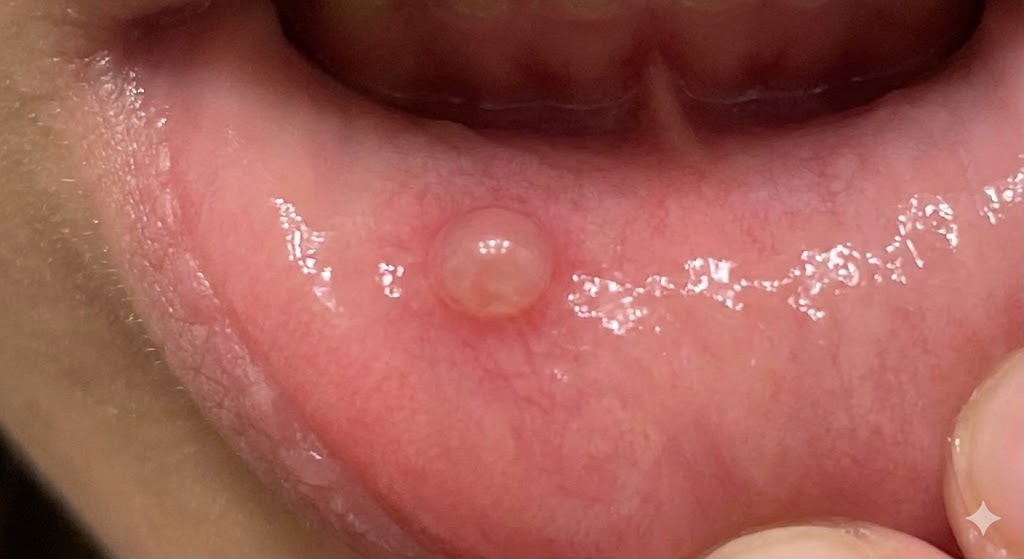
It’s easy to mix up a bump with a canker sore. But they’re really different. A pimple is a blocked oil gland or hair follicle, looking like a small, raised white or red bump. On the other hand, a canker sore is a shallow, painful ulcer with a white or yellow center and a red border.
Canker sores aren’t contagious and usually come from your immune system. If your bump feels like a firm, fluid-filled sac, it’s likely a blocked gland. Knowing the difference is key to treating your inside lip sore right.
Common Triggers for Oral Mucosal Pimples
Many things can cause an oral mucosal pimple. Getting hurt, like biting your lip, or irritation from sharp food, is a big one. This can hurt the tissue and cause inflammation or a small cyst.
Stress and what you eat also matter a lot. High stress can weaken your immune system, making your mouth more prone to bumps. Also, foods that are too acidic or spicy can irritate the lining and cause an oral mucosal pimple.
When to Be Concerned About Lip Inflammation
Most bumps go away in a week or so. But, some need a doctor’s help. If the bump lasts more than two weeks, or if it’s really swollen, painful, or hard to swallow, see a dentist or doctor.
Look out for signs of infection like spreading redness, fever, or pus. If the bump gets bigger fast or changes color, get it checked by a pro. This way, you can catch any serious health issues early.
Immediate Steps for Lip Inflammation Relief
When you see a bump inside your mouth, acting fast is key. The first 24 to 48 hours are critical for treating an inside lip sore. Quick action helps stop the condition from getting worse and keeps your mouth’s lining safe.
Maintaining Oral Hygiene During an Outbreak
Keeping your mouth clean is the best way to stop infections. Even if it hurts, brush your teeth gently. Consistency is key to keep bacteria away from the sore area.
Use a soft-bristled toothbrush to avoid hurting the sore. Clean the teeth around the sore well, but gently. A clean mouth helps your body heal faster.
Choosing the Right Mouthwash for Sensitive Tissue
Choosing the right mouthwash is crucial for relief. Many mouthwashes have alcohol, which can sting open sores. Always choose alcohol-free formulas made for sensitive mouths.
“The mouth is a complex ecosystem that requires gentle care, especially when the natural barrier of the oral mucosa is compromised.”
Look for mouthwashes with aloe vera or chamomile. These ingredients soothe sore skin. They create a protective layer without harsh chemicals that slow healing. Use these rinses twice a day to keep the area clean and comfortable.
Avoiding Irritants That Delay Healing
Some daily habits can slow down healing. Avoid spicy, acidic, or salty foods that can make the sore worse. These foods can make inflammation worse, slowing healing.
Also, don’t touch the sore with your tongue or fingers. Touching it can introduce bacteria and slow healing. By avoiding these irritants, you help your body heal faster and naturally.
Effective Home Remedies for Oral Mucosa Pimple Management
Natural remedies are gentle and help soothe irritation. They support healing of your oral tissue. When you see a bump, home items can offer relief. These lip bump remedies aim to reduce inflammation and create a clean space for healing.
Salt Water Rinses for Natural Disinfection
A salt water rinse is great for oral mucosa pimple management. Salt is a natural antiseptic that fights bacteria in your mouth. Regular rinsing keeps the area clean and helps repair tissue faster.
- Mix one-half teaspoon of salt into a cup of warm water.
- Swish the solution gently around your mouth for thirty seconds.
- Spit the mixture out and repeat this process three times daily.
The Role of Honey in Soothing Lip Bumps
Honey is known for its healing properties and soothing sensitive skin. A small amount of raw honey on an oral mucosal pimple creates a protective barrier. It also reduces inflammation and stinging sensations.
Applying Cold Compresses to Reduce Swelling
Cold therapy offers quick pain relief. A cold compress constricts blood vessels, reducing swelling and numbing the area. It’s a key part of many lip bump remedies that focus on comfort during healing.
| Remedy | Primary Benefit | Frequency |
| Salt Water | Disinfection | 3x Daily |
| Honey | Soothing | As Needed |
| Cold Compress | Swelling Reduction | 10 Minutes |
Using these methods regularly is crucial for oral mucosal pimple care. Keeping your mouth clean lets your body repair the tissue. Always wash your hands before touching the area to avoid introducing bacteria.
Safe Over-the-Counter Treatments for Lip Pimple Relief
Choosing the right treatment for your lip irritation is key. When you feel discomfort, finding a good lip pimple treatment can help you heal faster. It’s important to pick products that soothe, not irritate, your sensitive mouth tissue.
Topical Gels and Protective Barriers
Effective mouth blister treatment options include protective gels. These gels create a thin, invisible film over the affected area. This film acts as a shield, protecting the bump from friction and acidic foods.
These gels prevent constant contact, allowing the tissue to heal. Look for products with soothing agents like aloe vera or hyaluronic acid. Using these barriers daily can offer significant lip inflammation relief.
Pain Relieving Oral Medications
If the bump hurts a lot, you might need oral pain medications. Over-the-counter pain relievers can reduce inflammation and make eating and speaking easier. Always follow the dosage instructions for your safety.
While these medications help with pain, don’t forget about oral hygiene. Combining systemic pain management with local care is best for lip bump remedies. If unsure, talk to a pharmacist about the right medication for you.
Selecting Products Without Harsh Chemicals
When looking for relief, avoid products with harsh chemicals or high alcohol content. Ingredients like hydrogen peroxide can dry out your mouth and slow healing. Gentle care is always better for sensitive oral mucosa.
Always check the label to make sure the product is safe for oral use. Opt for non-irritating, soothing formulas to avoid more inflammation. Here’s a quick guide to help you pick the right product.
| Treatment Type | Primary Benefit | Best Use Case |
| Protective Gels | Creates a physical barrier | Preventing food irritation |
| Oral Pain Relievers | Reduces systemic discomfort | Managing sharp pain |
| Soothing Rinses | Cleanses the oral cavity | Daily maintenance |
Dietary Adjustments to Speed Up Recovery
Your daily diet is key for oral mucosa pimple management. Topical treatments help, but what you eat affects healing speed. Choosing the right foods can prevent irritation and support healthy skin.
Foods to Avoid While Healing
Some foods can slow healing or make it hurt more. Avoid acidic foods like citrus fruits and tomatoes. Vinegar-based dressings can also sting and slow healing.
Spicy foods can make bumps worse. Also, skip crunchy snacks like chips and pretzels. They can scrape the area and cause more inflammation and longer recovery times.
Nutrient-Rich Foods That Support Oral Health
To help with oral mucosa pimple management, eat foods rich in vitamins and minerals. Vitamin C is key for collagen, which repairs mouth lining. Find it in soft foods like cooked sweet potatoes and steamed broccoli.
Zinc helps with immune function and healing. Eat lean proteins like chicken or soft-cooked beans for zinc. Soft, nutrient-dense meals give you the fuel you need without stress.
Hydration Strategies for Mucosal Repair
Drinking enough water is crucial for mucosal repair. Dry mouth makes tissue more prone to irritation. Drinking water keeps your mouth moist and comfortable.
Keep a water bottle with you to drink often. Add a cucumber slice for a refreshing taste. Staying hydrated is a simple yet effective way to help your body heal.
Lifestyle Habits to Prevent Future Oral Cavity Skin Conditions
Preventing a recurring oral cavity skin condition starts with simple habits. Spotting triggers early helps reduce discomfort. Keeping your mouth healthy is a long-term goal.
Managing Stress to Reduce Mouth Blisters
High stress can lead to mouth inflammation. It weakens your immune system, making you more prone to blisters. Managing stress is crucial for mouth blister treatment.
“The greatest weapon against stress is our ability to choose one thought over another.”
William James
Try mindfulness like deep breathing, yoga, or exercise. These lower cortisol, reducing sore risk. Rest is also key for recovery.
The Impact of Toothpaste Ingredients on Lip Health
Many toothpastes irritate sensitive areas. Sodium Lauryl Sulfate (SLS) is a common irritant. Switching to SLS-free toothpaste helps.
Choose hypoallergenic or sensitive mouth toothpastes. They avoid harsh chemicals and dyes. This small change prevents irritation.
Regular Dental Checkups and Oral Care
Dentist visits are key for more than cavities. They catch oral cavity skin conditions early. These visits offer advice on your routine.
- Schedule professional cleanings at least twice a year.
- Discuss any recurring symptoms with your dentist during your visit.
- Maintain a consistent mouth blister treatment plan if recommended by your provider.
Your dentist can suggest the right tools for you. Staying proactive keeps your mouth healthy against future problems.
Professional Medical Intervention for Persistent Bumps
Most oral bumps get better with home care. But, some need a doctor’s help. If your bump doesn’t get better, it’s time to see a professional. Home treatments work for small issues, but bigger problems need a doctor’s check-up.
When to See a Dentist or Doctor
See a doctor if a bump doesn’t change after two weeks of care. Early detection helps avoid bigger problems. If you notice any of these signs, see a doctor right away:
- The bump is getting bigger or changing color.
- Pain when eating or speaking doesn’t go away.
- You see signs of infection like pus or fever.
- The bump bleeds easily without reason.
Diagnostic Procedures for Unusual Oral Growths
A doctor will check you thoroughly to find out what’s wrong. They might use different methods to make sure they get it right. This is key for treating your mouth blister treatment right.
“Professional diagnosis is the gold standard for distinguishing between common irritations and conditions that require specific medical intervention.”
They’ll look at your mouth and talk about your health history. Sometimes, they might take a small tissue sample. These steps are quick and help figure out how to fix the problem.
Prescription Treatments for Severe Inflammation
For serious cases, over-the-counter treatments might not be enough. A doctor might give you stronger medicine to help. This could be creams to reduce swelling or medicines for viruses.
If there’s a bacterial infection, you might get antibiotics. Always take the medicine as directed for the best results. Getting professional help and staying healthy can help you feel better for good.
Myths and Mistakes to Avoid During Healing
When you have a sore spot in your mouth, it’s key to know what not to do. Many people make things worse by following old advice or trying hard treatments. Knowing the common mistakes with a mouth pimple inside lip helps you heal faster.
Why You Should Never Pop a Mouth Pimple
It’s tempting to squeeze a bump in your mouth, but don’t. Popping it can push bacteria into the sore area. This can cause more pain and swelling.
The inside of your mouth is very sensitive. Squeezing can hurt the healthy tissue around it. This makes the sore bigger and harder to heal. Always let your body heal it naturally or with gentle care.
Dangers of Using Harsh Home Remedies
Some people use strong stuff like hydrogen peroxide or essential oils to get rid of the bump. But these are too harsh for your mouth’s thin skin. They can burn your mouth and make things worse.
“The oral mucosa is a highly vascular and sensitive environment. Applying caustic agents to an existing lesion often causes more cellular damage than the original condition itself.”
Instead, use gentle things that help your mouth heal. If you’re not sure, talk to a dentist first.
Common Misconceptions About Lip Bump Remedies
There are many myths about lip bump remedies that can confuse you. For example, not all bumps are the same. Some are from viruses, others from injury or blocked glands.
Don’t treat a viral blister like a clogged pore. Using the wrong treatment can waste time and irritate your mouth. Here’s a table to show the right and wrong ways to treat a bump.
| Action | Status | Reasoning |
| Squeezing/Popping | Dangerous | Risk of infection and tissue trauma |
| Using Alcohol | Harmful | Causes chemical burns on mucosa |
| Salt Water Rinse | Recommended | Natural, gentle disinfection |
| Ignoring Pain | Risky | May delay professional diagnosis |
Avoiding these mistakes helps your mouth heal faster. Stick to gentle, proven methods. Avoid quick fixes that might harm you in the long run.
Creating a Daily Care Routine for Oral Tissue Health
Building a sustainable habit is key to managing oral mucosa pimples. Spend a few minutes each day on your mouth. This can greatly reduce irritation and help your tissues heal.
Morning and Evening Oral Hygiene Protocols
Your daily routine should focus on gentle care. This avoids making any oral cavity skin condition worse. In the morning, use a soft-bristled toothbrush to clean your teeth gently.
After brushing, use a mild, alcohol-free mouthwash to rinse. This removes debris. In the evening, do the same to prevent oral mucosal pimples from forming.
Monitoring Progress and Adjusting Care
Being consistent is important, but also watch how your mouth reacts. If you see more sensitivity or redness, it might be time to change toothpaste. Look for one without sodium lauryl sulfate.
Keep a log of your symptoms to find what triggers them. Changing your routine based on these observations can help manage oral mucosa pimples better.
Long-Term Maintenance for a Healthy Mouth
Keeping your mouth healthy means being proactive about any oral cavity skin condition. Regular dental visits are crucial to catch any issues early.
Stay hydrated and eat a balanced diet to keep your tissues strong. By sticking to these habits, you can lower the chance of getting a oral mucosal pimple again.
| Action Item | Frequency | Goal |
| Soft Brushing | Twice Daily | Remove Plaque |
| Alcohol-Free Rinse | Twice Daily | Disinfect Tissues |
| Symptom Tracking | Weekly | Identify Triggers |
| Dental Exam | Bi-Annually | Professional Care |
Conclusion
Managing your oral health is all about patience and daily habits. To treat lip pimples, be gentle and avoid irritants. This helps your sensitive skin.
You know when to use home care or see a doctor for a lip bump. Spotting signs of a skin issue early stops more irritation.
Choose products from brands like Colgate or Crest for a healthy mouth. Drinking water and managing stress also help your gums and lips stay healthy.
Be informed about the products you use daily. A healthy, pain-free mouth is possible with simple routines.
FAQ
What exactly is a mouth pimple inside lip and how does it differ from a canker sore?
A mouth pimple inside the lip is called an oral mucosal pimple or mucocele. It’s a raised, fluid-filled bump from a blocked salivary gland or minor trauma. On the other hand, a canker sore is a flat, white, or yellowish ulcer with a red “halo” around it.While both can hurt, a mucocele feels like a bump. A canker sore is a shallow lesion. They are different in appearance and feel.
What are the most effective options for lip pimple treatment at home?
For treating oral mucosa pimples, keep your mouth clean. Use a warm salt water rinse three times a day to disinfect. Also, apply high-quality Manuka honey or a cold compress for relief.Don’t try to pop the bump. This can cause infections.
Can certain brands of toothpaste trigger an oral cavity skin condition?
Yes, some people are allergic to Sodium Lauryl Sulfate (SLS) in toothpaste. Brands like Colgate Total or Crest have it. It can irritate the mouth, causing pimples.Try switching to SLS-free toothpaste like Sensodyne Pronamel or Hello Oral Care. It might help.
How long does a mouth blister treatment usually take to show results?
Minor bumps usually heal in one to two weeks with proper treatment. Topical gels like Orajel or Zilactin can offer quick pain relief. But, it takes days to heal fully, avoiding irritants like spicy foods.
When should I seek professional medical help for an inside lip sore?
See a dentist or doctor if the pimple doesn’t heal after two weeks or grows fast. Also, if it bleeds a lot. A doctor can provide stronger treatments or drain the mucocele.
Are there specific dietary changes that help with lip inflammation relief?
Yes, what you eat matters. Avoid sharp foods and acidic fruits like lemons or pineapples. Eat soft, nutrient-rich foods and drink plenty of water. This helps your body heal.
What is the biggest mistake people make during mouth blister treatment?
The biggest mistake is trying to pop the bump. This can push bacteria deeper, causing more harm. Safe treatments focus on gentle care, not irritation.