How Much Does Dental Implant Surgery Cost?
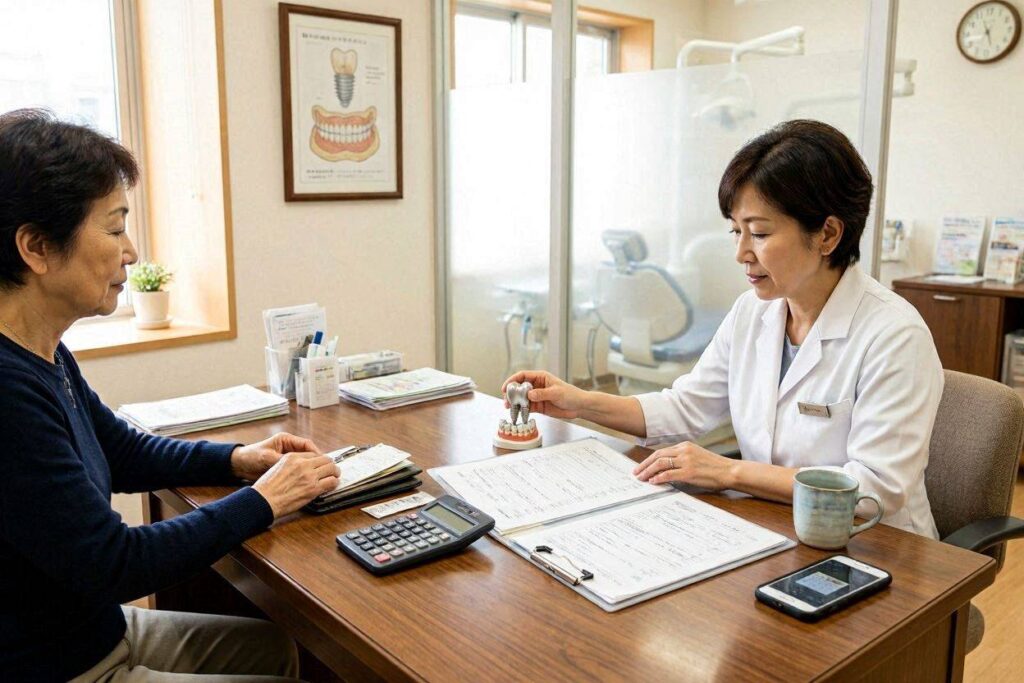
You sit across from the treatment coordinator, the estimate in front of you breaking down the cost of your implant surgery into line items that may or may not make sense. The numbers vary depending on who you ask, where you live, and what exactly needs to be done. Online searches yield figures ranging from a few hundred dollars to tens of thousands, and the advertisements promising implants for $999 seem to belong to an entirely different universe from the quote you just received. Understanding what dental implant surgery actually costs, what drives those costs, and how to evaluate what you are being quoted is essential for making an informed decision. This guide focuses specifically on the surgical phase of implant treatment, separating it from the restorative costs that follow, so you can understand exactly what you are paying for when you pay for implant surgery.
The Real Cost of Implant Surgery
The surgical phase of dental implant treatment encompasses everything from the initial consultation and imaging through the placement of the implant into your jawbone. Understanding what this phase includes and what it costs provides the foundation for evaluating treatment proposals.
What the Surgical Fee Covers
The surgical fee for dental implant placement typically includes several distinct components bundled into a single price. The surgeon’s professional fee covers their time, expertise, and the surgical procedure itself. This fee reflects their training, experience, and the complexity of your specific case.
The implant component, the titanium or zirconia post that is placed in your jawbone, is included in the surgical fee. The surgeon purchases this component from the implant manufacturer. Premium implant systems from companies with extensive research and development programs, rigorous quality control, and long-term warranty support cost more than generic or budget implant systems.
The surgical suite and supplies are included. This covers the sterile environment, surgical instruments, drapes, irrigation solutions, and all disposable items used during your procedure. Maintaining a surgical environment that meets sterility standards requires significant investment in equipment, sterilization systems, and protocols.
Anesthesia is included in the surgical fee when local anesthesia is used. Additional sedation options including nitrous oxide, oral sedation, or intravenous sedation typically incur additional fees that may or may not be included in the quoted surgical price.
Post-operative care for a defined period, typically including follow-up visits and management of any immediate surgical complications, is usually included. The specific duration and scope of included post-operative care vary by practice and should be clarified before treatment.
The Range Across the United States
Implant surgery fees vary substantially by geographic location, reflecting differences in practice overhead, market dynamics, and regional economies.
In major metropolitan areas on the East and West Coasts, including New York, Boston, San Francisco, and Los Angeles, the surgical fee for a single implant typically ranges from $1,800 to $3,000. These higher fees reflect higher commercial rents, higher staff salaries, higher malpractice insurance premiums, and generally higher costs of doing business in these regions.
In mid-sized cities and suburban areas across the Midwest, South, and interior regions, surgical fees typically range from $1,200 to $2,200. Practice overhead is generally lower in these areas, and market competition may be more robust.
In rural areas and smaller communities, surgical fees may range from $1,000 to $1,800. However, access to implant surgeons may be limited, requiring travel to larger communities for treatment. The lower surgical fee may be partially offset by travel costs and the logistical challenges of multiple appointments over several months.
Dental schools and residency programs offer implant surgery at reduced fees, typically 30 to 60 percent less than private practice fees. Surgical procedures are performed by residents under close faculty supervision. The trade-off is longer appointment times, fewer scheduling options, and treatment by clinicians who are still in advanced training.
The Gap Between Advertised and Actual Costs
Implant advertising presents significant challenges for consumers trying to understand costs. A billboard or online advertisement may quote a fee for dental implant placement, but this fee rarely represents the complete surgical cost.
The advertised fee may cover only the implant placement itself, excluding the consultation, imaging, extraction, bone grafting, and anesthesia. When these additional procedures are added, the total surgical cost is substantially higher than the advertised figure.
Some advertisements quote a fee that covers only the implant component, with the surgical placement fee charged separately. Others quote a surgical fee that seems very low but requires using a specific implant system that may not be the best choice for the clinical situation.
Patients should ask specifically what is included in any quoted surgical fee. Does it include the consultation and imaging? Does it include the implant component? Does it include anesthesia? Does it include post-operative care? What additional procedures might be needed, and what will they cost?
Component-by-Component Breakdown
Understanding each component of the surgical phase allows more meaningful comparison of treatment proposals and better financial planning.
Consultation and Diagnostic Imaging
The initial consultation establishes your candidacy for implant surgery and develops the treatment plan. This appointment typically costs $100 to $300, though some practices credit this fee toward the surgical procedure if you proceed with treatment.
Diagnostic imaging is essential and is often charged separately from the consultation. A panoramic radiograph provides a two-dimensional screening view and costs $100 to $250. Cone beam computed tomography, the three-dimensional imaging standard for implant planning, costs $250 to $600. Some practices include the cost of CBCT imaging in the surgical fee. Others charge separately.
The CBCT scan is not an optional add-on. It provides the detailed three-dimensional information about your bone anatomy, nerve locations, and sinus positions that enables safe, precise implant placement. Attempting implant surgery without adequate imaging increases complication risk and is not consistent with the standard of care.
Extraction Costs
If the tooth being replaced is still present, it must be extracted before or at the time of implant placement. Extraction costs are typically separate from the implant placement fee.
Simple extractions of teeth with intact roots and adequate crown structure for forceps engagement cost $150 to $300 per tooth. Surgical extractions, required for broken teeth, teeth with curved or divergent roots, or teeth that fracture during extraction, cost $300 to $600 per tooth.
The extraction cost may be higher if the tooth is in a challenging location or if the extraction requires significant bone removal. Impacted teeth, particularly wisdom teeth, involve more extensive surgery and higher fees.
Some practices offer a bundled fee for extraction with immediate implant placement, where the implant is placed into the extraction socket at the same appointment. This bundled fee may be less than the sum of separate extraction and implant placement fees.
Bone Grafting Costs
Bone grafting is required when the existing bone volume is insufficient to support an implant. Grafting procedures are common and represent a significant additional cost beyond the implant placement fee.
Socket preservation, performed at the time of extraction to maintain bone volume for future implant placement, costs $400 to $800 per site. This procedure places bone graft material into the extraction socket immediately after tooth removal, preventing the bone collapse that would otherwise occur during healing.
Ridge augmentation, rebuilding bone width or height in a healed edentulous site, costs $800 to $2,500 depending on the defect size, the graft material used, and the complexity of the procedure. Small defects requiring only particulate graft material cost less. Large defects requiring block grafts or titanium mesh for space maintenance cost more.
Sinus lift procedures, required when the maxillary sinus floor is too low for implant placement in the upper back jaw, cost $1,500 to $3,000 per side. The lateral window technique, which accesses the sinus through an opening in the side of the upper jaw, is more expensive than the less invasive transcrestal approach. The cost includes the surgeon’s fee, the graft material, and any membrane or fixation required.
The type of graft material affects cost. Allograft from human tissue banks and xenograft from bovine sources are moderately priced. Synthetic alloplasts are similarly priced. Autograft harvested from the patient’s own body requires a second surgical site and additional operative time, increasing cost.
The Implant Placement Procedure
The implant placement fee covers the surgical procedure of preparing the implant site and placing the implant. This fee typically ranges from $1,200 to $3,000 for a single implant.
The implant component cost to the practice is typically $300 to $600, included in the surgical fee. Premium implant systems from manufacturers like Straumann, Nobel Biocare, and Zimmer Biomet cost more than budget systems. The difference reflects research investment, quality control, surface technology, and warranty support.
The surgical approach affects the fee. Flapless surgery, where the implant is placed through the gum without raising a surgical flap, may cost less due to reduced surgical time. However, this approach is only appropriate for selected cases with adequate bone and keratinized tissue. Most implant placements require flap elevation for visualization and precise positioning.
Guided surgery using a computer-generated surgical template adds $300 to $800 to the surgical cost. The guide is fabricated from the CBCT data and directs the implant drills to the pre-planned position, angle, and depth. This technology improves precision and is particularly valuable for complex cases involving multiple implants or anatomically challenging sites.
Anesthesia and Sedation Fees
Anesthesia costs vary based on the type used and are often separate from the surgical fee. Local anesthesia, the numbing medication injected at the surgical site, is included in the surgical fee. No additional charge applies.
Nitrous oxide, or laughing gas, adds $100 to $200 to the procedure cost. The gas is breathed through a nasal mask during the procedure and provides relaxation without sedation. Its effects dissipate quickly after the mask is removed, and patients can drive themselves home.
Oral conscious sedation, a prescribed sedative pill taken before the procedure, adds $200 to $400. The medication provides deeper relaxation and often partial amnesia of the procedure. Patients require an escort and cannot drive for 24 hours.
Intravenous sedation, delivering sedative medication directly into the bloodstream, adds $500 to $1,500 depending on the provider and the duration of sedation. This option is appropriate for longer procedures, multiple implants, or patients with significant dental anxiety. It requires an escort and post-procedure restrictions.
General anesthesia in a hospital or surgical center setting is the most expensive option, adding $1,500 to $3,000 or more. It is rarely necessary for routine implant surgery but may be indicated for complex full-arch cases, patients with special needs, or patients with medical conditions requiring hospital-based care.
Summary of Surgical Cost Components
| Component | Cost Range | Notes |
|---|---|---|
| Consultation | $100 – $300 | May be credited toward treatment |
| Panoramic radiograph | $100 – $250 | Screening only, not sufficient for planning |
| CBCT scan | $250 – $600 | Standard of care for implant planning |
| Tooth extraction (simple) | $150 – $300 | Per tooth |
| Tooth extraction (surgical) | $300 – $600 | Per tooth |
| Socket preservation graft | $400 – $800 | Per site, at time of extraction |
| Ridge augmentation graft | $800 – $2,500 | Per site |
| Sinus lift | $1,500 – $3,000 | Per side |
| Implant placement (single) | $1,200 – $3,000 | Includes implant component |
| Surgical guide | $300 – $800 | Optional, computer-generated |
| Nitrous oxide | $100 – $200 | Optional |
| Oral sedation | $200 – $400 | Optional |
| IV sedation | $500 – $1,500 | Optional |
| General anesthesia | $1,500 – $3,000+ | Rarely necessary |
Cost for Multiple Implants
When multiple implants are placed during the same surgical session, efficiency gains reduce the cost per implant. The setup, anesthesia, and surgical preparation occur once rather than being repeated for each implant. The surgeon can work systematically across the arch.
The surgical fee for two implants is typically not double the single implant fee but rather 1.5 to 1.8 times the single fee. For four implants, such as for an All-on-4 full-arch restoration, the surgical fee may be 2.5 to 3 times the single implant fee.
The implant components are charged per implant, as the surgeon pays for each implant used. Anesthesia fees increase with procedure duration, which is longer for multiple implants. Bone grafting may be required at multiple sites, with each site charged separately.
A full-arch restoration involving four to six implants typically costs $12,000 to $25,000 for the surgical phase alone, depending on the number of implants, the need for extractions and grafting, and the sedation used. The restorative phase, including the prosthesis, is additional.
Factors That Drive Surgical Cost Variation
Understanding why surgical costs vary among providers helps patients evaluate the value of different treatment proposals.
Surgeon Training and Credentials
Specialist surgeons, including oral and maxillofacial surgeons and periodontists, typically charge more than general dentists for implant placement. This fee difference reflects their additional years of hospital-based surgical residency training, experience managing complex cases, and ability to handle intraoperative and post-operative complications.
Oral and maxillofacial surgeons complete four to six years of residency after dental school, including training in anesthesia, complex bone grafting, and management of surgical complications. Periodontists complete three years of residency focused on the supporting structures of teeth and implants. Both specialties involve hundreds of implant placements during training.
General dentists who place implants have varying levels of additional training, from weekend courses to year-long fellowship programs. Some general dentists have extensive implant experience and achieve excellent outcomes. Others place implants only occasionally. The patient should inquire about specific training and experience rather than assuming that the general dentist fee reflects lower quality.
Facility and Technology Investment
The surgical environment affects both cost and safety. Practices that maintain surgical suites with hospital-grade sterility protocols, emergency equipment, and advanced monitoring capabilities have higher overhead costs that are reflected in surgical fees.
CBCT technology requires significant capital investment, typically $50,000 to $150,000 for the machine, plus ongoing costs for maintenance, software, and training. Practices that have invested in this technology may charge more for imaging or may include it in higher surgical fees.
Guided surgery technology, including intraoral scanners for digital impressions and software for virtual implant planning and surgical guide design, represents additional investment. Practices using these technologies may charge more for the surgical phase, with the benefit of improved precision and potentially reduced surgical time and complications.
Geographic Practice Costs
Commercial rent varies dramatically by location. A surgical practice in Manhattan or San Francisco pays many times the rent of a similar practice in a rural Midwestern community. These facility costs are reflected in surgical fees.
Staff salaries follow similar geographic patterns. Surgical assistants, front desk staff, and practice managers in major metropolitan areas command higher salaries than in smaller communities. Malpractice insurance premiums vary by state and region, with some states having significantly higher rates that are passed through to surgical fees.
Regulatory compliance costs, including infection control, radiation safety, and occupational safety requirements, are relatively consistent nationally but represent a higher percentage of overhead in regions with lower overall costs.
Insurance Coverage for Implant Surgery
Understanding what insurance covers and what it does not is essential for realistic financial planning.
Dental Insurance Realities
Dental insurance typically classifies implant surgery as a major procedure. Most plans cover a percentage, usually 50 percent, of the allowed amount up to an annual maximum. The annual maximum for most plans is $1,000 to $2,000, which is less than the cost of a single implant surgery.
The least expensive alternative clause in many policies limits coverage. If the plan determines that a bridge or partial denture could address the missing tooth at lower cost, it may reimburse implant surgery only up to the amount it would pay for the alternative. The patient is responsible for the difference.
Some plans have specific exclusions for implant services. Others cover implant placement but not bone grafting. Still others cover implants only for patients who meet specific criteria. The patient’s specific policy language determines coverage.
A pre-treatment estimate submitted to the insurance carrier before surgery provides a written estimate of what the plan will pay. This document is essential for financial planning and prevents misunderstandings about coverage.
Medical Insurance Possibilities
Medical insurance may cover implant surgery when tooth loss results from a medical condition, accident, or congenital anomaly. Reconstruction after oral cancer surgery, implants to retain prostheses after traumatic injury, and treatment of congenital missing teeth are examples where medical coverage may apply.
Medical coverage for implant surgery typically requires documentation of medical necessity and pre-authorization. The surgical procedures, including bone grafting if needed, are more likely to be covered than the restorative phase.
Flexible spending accounts and health savings accounts allow pre-tax dollars to be used for implant surgery. These accounts provide tax savings of 20 to 35 percent on surgical costs, depending on the patient’s tax bracket. The annual contribution limits and rules for qualified expenses apply.
Medicare and Medicaid Considerations
Original Medicare does not cover dental implant surgery. Medicare Advantage plans may offer some dental coverage, including implant coverage in some cases, but benefits vary widely by plan. Patients with Medicare should review their specific plan’s dental benefits.
Medicaid coverage for implant surgery varies by state and is generally limited. Some state Medicaid programs cover implants for specific populations or specific clinical situations. Most provide no implant coverage. Patients with Medicaid should verify coverage with their state program before pursuing treatment.
Financing Surgical Costs
For patients without insurance coverage or with coverage that leaves significant out-of-pocket cost, financing options can make implant surgery accessible.
Practice Payment Plans
Many surgical practices offer in-house payment plans that allow patients to pay for surgery over time. These plans may require a down payment with the balance paid in monthly installments. Terms vary by practice, with some offering interest-free financing for shorter periods and others charging interest on extended payment plans.
In-house plans typically do not require credit checks and are managed directly between the practice and the patient. They work best for patients who have a relationship with the practice and can commit to regular payments.
Third-Party Healthcare Financing
Companies including CareCredit, LendingClub, and Proceed Finance specialize in medical and dental financing. These companies offer promotional periods with deferred interest if the balance is paid within the promotional period, typically 6, 12, or 18 months.
Promotional financing that is not paid within the promotional period typically accrues interest retroactively from the original treatment date at high rates, often 25 to 30 percent APR. Patients using promotional financing must be disciplined about paying the balance within the promotional period.
Extended payment plans with fixed interest rates are available for patients who need longer to pay. These plans have higher total interest costs but lower risk of the retroactive interest that accompanies promotional financing.
Staging Treatment Across Time
Implant surgery can be staged to spread costs over time and maximize insurance benefits that reset annually. Diagnostic procedures and extraction with grafting can be performed in one plan year. Implant placement can follow in the next plan year after the graft has healed.
This staged approach extends the overall treatment timeline but reduces the financial burden in any single year. It may be the only way some patients can afford implant surgery without financing.
The healing requirements of implant surgery lend themselves to staging. Bone grafts require months to heal before implants can be placed. Implants require months of osseointegration before restoration. These required waiting periods can align with financial staging across calendar years.
Evaluating Surgical Quotes
Comparing surgical quotes from different providers requires understanding what is included and what is not, and evaluating value rather than simply choosing the lowest price.
What to Ask About Any Quote
Ask for a comprehensive written treatment plan that includes every anticipated procedure and the fee for each. The plan should clearly state what is included in the surgical fee and what will be charged separately.
Clarify what happens if additional procedures become necessary during surgery. If the surgeon discovers inadequate bone and must perform grafting that was not planned, what will that cost? Understanding contingency costs prevents financial surprises.
Ask about the implant system being used and why it was chosen. Premium implant systems have extensive research documentation and long-term warranty support. Budget systems may have less documentation. The implant cost difference to the practice is typically $100 to $300 per implant, a small fraction of the total surgical fee.
Ask about the surgeon’s complication rates and how complications are managed. A surgeon who honestly discusses risks and has a clear plan for managing complications inspires more confidence than one who promises perfection.
Red Flags in Low-Cost Quotes
Extremely low surgical fees warrant careful investigation. Quality implant surgery has real costs that cannot be eliminated without cutting corners. A surgical fee significantly below the local range should prompt questions about what is being compromised.
Off-brand or generic implant systems may be used to reduce component costs. These systems may lack long-term documentation of success and may not be supported if complications develop. Patients should verify that the implant system used is from a reputable manufacturer with a documented track record.
Inadequate imaging increases surgical risk. If the surgical fee does not include CBCT imaging or if the surgeon plans to place implants using only a panoramic radiograph, the risk of surgical complications including nerve injury and implant malposition is higher.
Rushed treatment planning that does not address bone quality, soft tissue considerations, and restorative requirements may result in implants that integrate but cannot be properly restored or that develop complications over time. The lowest surgical fee may cost more in the long run if complications develop.
The Value of Experience
An experienced surgeon who has placed thousands of implants and managed hundreds of complications brings value that justifies a higher surgical fee. Their efficiency reduces surgical time. Their experience reduces complication risk. Their skill in managing complications when they occur protects the patient’s outcome.
The cost difference between an experienced surgeon and a less experienced provider is typically a few hundred to a thousand dollars for a single implant. Over the decades that a successful implant serves the patient, this difference is negligible. The cost of implant failure and replacement far exceeds any initial savings.
Patients should choose their surgeon based on training, experience, and confidence in the relationship, not on price. The surgical fee is a small fraction of the total lifetime cost of tooth replacement, and the surgeon’s skill is the single most important factor in implant success.
Conclusion
Dental implant surgery costs in the United States typically range from $1,200 to $3,000 for the placement of a single implant, with additional costs for consultation and imaging of $350 to $900, extractions of $150 to $600 per tooth, bone grafting of $400 to $3,000 when needed, and optional sedation of $100 to $1,500 depending on the type chosen. The total surgical phase investment for a straightforward single implant without grafting typically ranges from $1,800 to $4,500, while complex cases requiring extractions, extensive grafting, and advanced imaging can push the surgical phase above $8,000 before the restorative crown is even considered. Insurance coverage typically offsets 50 percent of allowed charges up to annual maximums that rarely cover the full cost, making financing through practice payment plans, third-party healthcare financing, or strategic staging across calendar years essential for many patients. The choice of surgeon should be based on training, experience, and quality rather than price, as the surgical fee represents a modest portion of the lifetime value of a successful implant, and complications from suboptimal surgery cost far more to correct than any initial savings.
Frequently Asked Questions
Why does implant surgery cost more with a specialist?
Specialist surgeons complete additional years of hospital-based residency training focused on surgical procedures, complex bone grafting, anesthesia, and complication management. Their fees reflect this advanced training, their experience with challenging cases, and their ability to manage complications that general dentists may not handle. The additional cost buys additional expertise.
Is the implant itself the expensive part?
The implant component typically costs the practice $300 to $600, a modest fraction of the $1,200 to $3,000 surgical fee. The majority of the fee covers the surgeon’s time, expertise, surgical facility, anesthesia, and support staff. The implant component is the hardware. The surgical service is what places it correctly.
Can I negotiate the surgical fee?
Some practices offer discounts for full payment at the time of service, for multiple implants placed during the same session, or for patients who pay cash rather than using insurance. While direct negotiation is not typical in healthcare, asking about available discounts, payment plans, or reduced-fee options through dental schools is appropriate.
What if I need bone grafting I did not plan for?
Some grafting needs are identified during pre-operative imaging and can be planned for financially. Other grafting needs become apparent only during surgery when the bone is directly visualized. Your surgeon should discuss this possibility before surgery and provide an estimate of what additional grafting would cost if needed.
How much does full-mouth implant surgery cost?
Full-arch implant surgery using four to six implants per arch typically costs $12,000 to $25,000 per arch for the surgical phase. This includes extractions of remaining teeth, bone grafting if needed, implant placement, and sedation. The restorative phase including the fixed prosthesis is additional. Both arches together can cost $50,000 or more for complete treatment.
Are dental schools a good option for affordable implant surgery?
Dental schools and residency programs offer implant surgery at 30 to 60 percent less than private practice fees. The surgery is performed by residents under close faculty supervision. The trade-offs include longer appointments, fewer scheduling options, and treatment by clinicians in training. For patients who can accommodate these trade-offs, dental schools provide quality care at reduced cost.
Does medical insurance ever cover implant surgery?
Medical insurance may cover implant surgery when tooth loss results from a medical condition, accident, or congenital anomaly. Reconstruction after oral cancer, trauma, or treatment of developmental defects may qualify. Coverage requires documentation of medical necessity and pre-authorization. Routine tooth replacement for teeth lost to decay or periodontal disease is not covered by medical insurance.
What is the cheapest way to get implant surgery?
The cheapest option is not necessarily the best value. Dental schools offer reduced fees with faculty supervision. Some practices offer discounts for multiple implants or cash payment. Dental tourism in countries with lower healthcare costs can reduce fees, but managing complications from a distance and navigating different regulatory standards presents challenges. The most cost-effective approach is choosing a qualified provider who does the surgery correctly the first time.
Additional Resource
American Academy of Implant Dentistry: Understanding Implant Costs
https://www.aaid.com/patient_education/cost_of_dental_implants.html