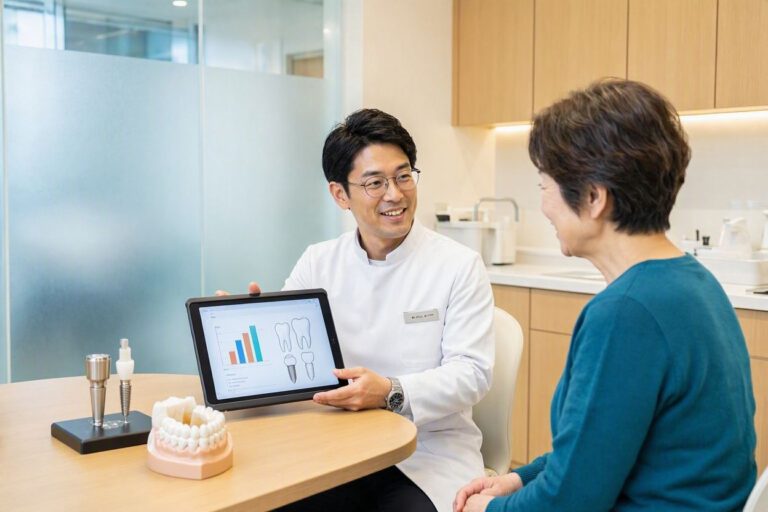
How Much Are Dental Implants In Cuba?
Cuba occupies a unique position in the global healthcare landscape. The country is known for its highly trained medical professionals, its robust system of free healthcare for citizens, and the medical tourism industry that has emerged in response to international demand for affordable treatment. Dental care is part of this picture. For patients in the United States, Canada, and Europe facing quotes of $4,000 to $6,000 for a single dental implant, the prospect of traveling to Cuba for treatment at a fraction of that cost can seem appealing. But the reality of obtaining dental implants in Cuba is complex, shaped by the island’s specific economic conditions, the ongoing effects of the U.S. embargo, and the dual-track system of healthcare that exists for locals and foreigners. This article provides an honest, detailed look at the cost and practical realities of dental implant treatment in Cuba.
The Price Range: What International Patients Can Expect to Pay
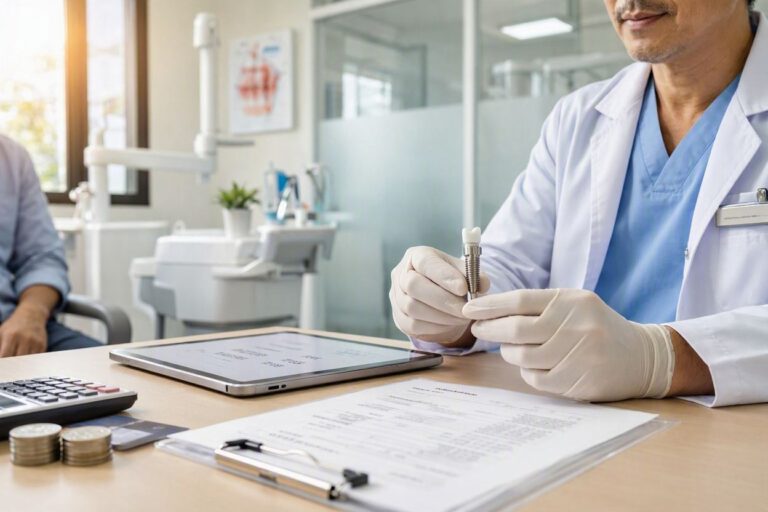
For an international patient seeking dental implants in Cuba, the quoted prices are significantly lower than in the United States or Western Europe. A single dental implant and crown, all-inclusive, might range from $700 to $1,800. Full-arch restorations, such as All-on-Four, can range from $8,000 to $15,000 per arch. These are estimates based on reports from medical tourism facilitators, patient testimonials, and the fee schedules published by Cuban dental clinics that cater to foreigners.
These prices represent a savings of 50% to 80% compared to the same procedures in the United States. The magnitude of the savings is what drives interest. A patient needing four implants and a fixed bridge who is quoted $20,000 at home might see a quote of $6,000 to $8,000 in Cuba. When travel and accommodation are factored in, the total cost may still be half or less of the domestic price.
Why Cuban Dental Care Costs Less
The low cost of dental care in Cuba is not a reflection of inferior training. Cuban dentists are well-educated through a state-funded system that emphasizes comprehensive medical training. The cost differential is driven by fundamental economic factors.
The Cuban economy operates under a socialist model. The state pays for the education of dentists and physicians. Their salaries, when working in the public system, are modest by international standards. The overhead costs of running a clinic—rent, utilities, staff wages—are vastly lower than in market economies. A dental clinic in Havana does not carry the commercial lease, malpractice insurance premiums, and labor costs of a clinic in Miami or Madrid.
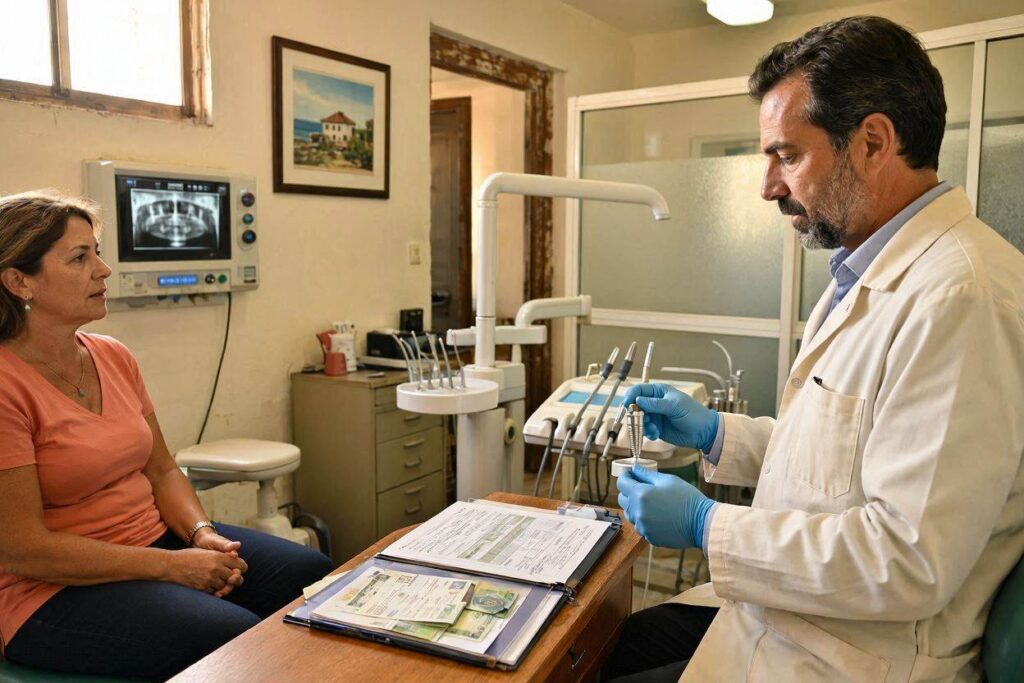
However, this low-cost model exists within a context of severe resource constraints. The United States embargo against Cuba, in place for over six decades, restricts the import of goods, including medical and dental supplies. Cuban clinics often struggle to obtain the latest implant systems, premium prosthetic components, and advanced imaging technology. The materials available may be generic, sourced from countries like China, Vietnam, or Brazil, rather than the premium global brands with extensive clinical documentation.
The Two-Track System: Locals vs. Foreigners
Cuba has a bifurcated healthcare system. Cuban citizens receive healthcare, including dental care, free of charge through the state system. However, the state system has severe limitations. Dental implants are generally not available through the public system for ordinary citizens. They are considered a cosmetic, non-essential treatment. Cubans who need tooth replacement are typically offered removable dentures or bridges. Implants, if available at all, may be reserved for specific medical indications and provided through the state system on a limited basis.
For international patients, a parallel system exists. Clinics that cater to medical tourists, often called international clinics or health tourism facilities, offer a higher standard of care, better equipment, and access to implants. These clinics charge fees in convertible currency, typically the Cuban Convertible Peso historically and now tied to foreign exchange rates. The patient pays in dollars or euros and receives care that is not accessible to the average Cuban citizen.
This two-track system creates an ethical tension. The international patient benefits from the skills of a highly trained workforce at prices that reflect the local cost structure. The local patient cannot access the same level of restorative care. The international patient should be aware of this dynamic. The care received in a Cuban international clinic is subsidized, in a sense, by the economic conditions that make such care impossible for locals.
The Material Question: What Implant Systems Are Used?
The biggest concern for any patient considering dental implants abroad is the quality of the implant system itself. In the United States and Europe, established brands like Straumann, Nobel Biocare, BioHorizons, and Zimmer Biomet dominate the market. These companies have decades of clinical data, rigorous quality control, and worldwide networks for component replacement.
In Cuba, the availability of these premium brands is limited by the embargo and by cost. Some international clinics may import premium implants, but the supply chain is inconsistent. More commonly, clinics use implants from manufacturers in countries less affected by the embargo: South Korean brands, Brazilian brands, Chinese brands, or generic systems. Some of these are reputable, well-studied implant systems with good track records. MegaGen, for example, is a South Korean company with substantial clinical data that is used globally, including in Cuba. Other systems may be less documented.
The patient must ask directly what implant system will be used. A clinic that cannot name the manufacturer or that uses a brand with no published clinical data is a red flag. The implant is a medical device that will remain in the patient’s body for decades. The brand matters less than the evidence supporting it and the ability to obtain replacement components in the future.
The Diagnostic and Treatment Planning Gap
Safe implant dentistry begins with thorough diagnosis and treatment planning. The standard of care in developed countries includes a Cone Beam CT scan to visualize bone in three dimensions, digital planning software, and often a surgical guide to ensure precise implant placement.
In Cuba, CBCT machines are not universally available. Many clinics rely on panoramic X-rays alone. A panoramic X-ray provides two-dimensional information and does not reveal the width of the bone, the exact position of nerves, or the contours of the sinus. Placing implants without 3D imaging increases the risk of nerve injury, sinus perforation, and poor implant positioning.
The patient considering treatment in Cuba should ask whether a CBCT scan will be performed. If the answer is no, this is a significant concern. The price savings may not be worth the increased risk of a poorly planned implant.
The Follow-Up Problem
Implant treatment requires follow-up. Sutures need removal. Healing must be monitored. The final prosthesis must be delivered and adjusted. Complications can arise weeks or months after surgery. Peri-implantitis, screw loosening, and prosthetic fractures are realities that require professional management.
A patient who travels to Cuba for implant treatment returns home after a week or two. The local dentist at home did not place the implants. They may not be familiar with the implant system used. They may not have the specific drivers, abutments, or components. They may be unwilling to assume liability for managing complications from treatment performed abroad. The patient who develops a problem may face the choice of returning to Cuba for management or paying a local dentist to salvage the situation, often at significant cost.
The savings from dental tourism in Cuba must be weighed against the potential cost and logistical difficulty of managing complications at a distance.
The Embargo’s Impact on American Patients
For United States citizens, travel to Cuba for medical treatment is legally complex. The U.S. embargo restricts travel and financial transactions with Cuba. While there are categories of authorized travel, including for professional meetings and educational activities, medical tourism is not explicitly listed among the general license categories. Travelers must navigate the regulations of the Office of Foreign Assets Control.
Beyond the legal question, there is the practical question of payment. U.S. credit cards and bank transfers to Cuba may be blocked. Patients must carry cash, which introduces security concerns. The logistical friction for U.S. patients is significantly higher than for Canadians or Europeans.
Quality Clinics Do Exist
It would be inaccurate to paint all Cuban dental care with the same brush. There are clinics in Havana and other cities that provide high-quality implant treatment. These clinics are staffed by skilled, experienced dentists and surgeons. They use modern techniques. Some have invested in CBCT imaging and digital workflows. They source reputable implant systems and maintain acceptable infection control standards. The patient who researches carefully, selects a reputable clinic with verifiable credentials and documented outcomes, and has realistic expectations about follow-up can receive satisfactory implant treatment in Cuba at a substantially reduced cost.
The challenge is identifying these clinics from abroad. The internet presence of Cuban clinics is often limited. Information may be filtered through medical tourism agencies that have a financial incentive to present a rosy picture. Independent verification is difficult.
Practical Steps for Evaluating a Cuban Dental Clinic
The patient considering Cuba for dental implants should undertake a rigorous vetting process.
Request the specific name and qualifications of the dentist who will perform the procedure. Ask about their implant training, the number of implants they have placed, and their experience with cases similar to yours. Ask what imaging technology will be used. Insist on a CBCT scan. If the clinic cannot provide one, consider that a strong contraindication. Ask what implant system will be used. Research the brand independently. Ensure it is a recognized manufacturer with published clinical data. Ask about the prosthetic components. Will the final crown be made in a Cuban laboratory using local materials, or will it be sourced internationally? The aesthetic outcome depends heavily on the quality of the laboratory work. Ask about follow-up. What happens if you have a problem after returning home? Will the clinic provide remote support? Will they supply your local dentist with the necessary components for repairs? Seek independent reviews from patients who have undergone the same procedure at the same clinic.
Conclusion
Dental implants in Cuba cost a fraction of what they cost in the United States or Europe, with single implants ranging from approximately $700 to $1,800 and full-arch restorations from $8,000 to $15,000. These prices reflect the lower operational costs of the Cuban economy, not necessarily inferior clinical skill. However, the patient must navigate significant challenges: variable availability of advanced imaging and premium implant systems, the difficulty of managing complications from abroad, and, for U.S. patients, the legal and logistical barriers imposed by the embargo. High-quality implant care is available in Cuba for patients who select reputable clinics and enter treatment with a clear understanding of the risks and limitations. The savings are real, but they come with trade-offs that each patient must weigh carefully.
Frequently Asked Questions
Can U.S. citizens legally travel to Cuba for dental work?
Travel for medical treatment is not explicitly prohibited, but U.S. regulations on travel to Cuba are complex. U.S. citizens should consult the Office of Foreign Assets Control for current guidance before planning a trip for medical care.
Do Cuban dentists use the same implant brands as U.S. dentists?
Some international clinics in Cuba use recognized brands, but the embargo limits the consistent availability of premium U.S. and European implant systems. Patients should verify the specific implant brand being used.
Is the quality of dental crowns made in Cuban labs comparable to U.S. labs?
Quality varies. Some Cuban laboratories produce excellent work. Others may have limited access to premium ceramic materials and milling technology. The patient should ask about the laboratory and materials used.
What happens if my implant fails after I return home?
Managing complications at a distance is the primary risk of dental tourism. A local dentist may be reluctant or unable to manage complications from implants placed in Cuba. Return travel may be necessary.
How much can I realistically save by getting implants in Cuba?
Savings of 50% to 70% compared to U.S. prices are realistic, but the patient must factor in travel, accommodation, and the potential costs of managing complications.
Are there English-speaking dentists in Cuba?
Many clinics catering to international patients have English-speaking staff and dentists, particularly in Havana. Communication barriers can still arise with nuanced discussions of treatment plans and risks.
Additional Resource:
International Medical Travel Journal – Information for Medical Tourists
https://www.imtj.com/