Who Sells Dental Insurance Near Me?
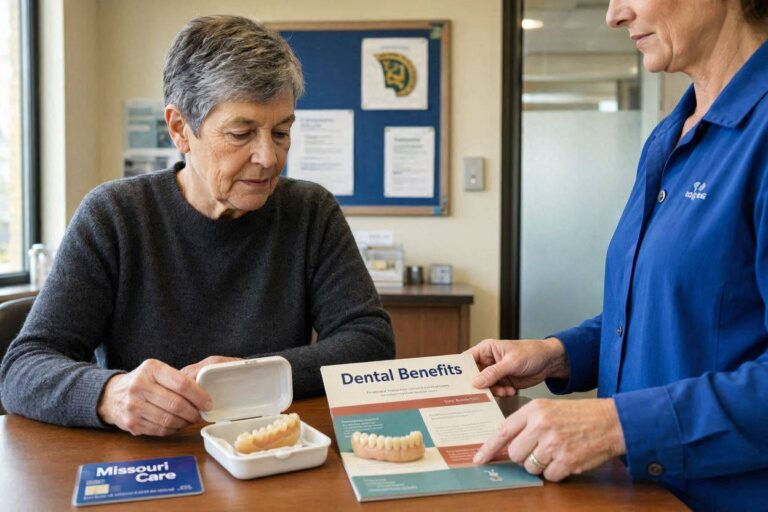
Dental care costs can catch you off guard. A routine checkup and cleaning fit comfortably into most budgets, but a root canal, a crown, or orthodontic treatment can strain finances unexpectedly. Dental insurance provides a buffer against these expenses, making regular care affordable and protecting you from the full impact of major procedures. The question of who sells dental insurance near you is practical and immediate. You want coverage, and you want to know where to find it.
The answer depends on your location, your employment situation, your age, and your specific dental needs. Dental insurance is sold through multiple channels: employers, government programs, private insurance companies directly, online marketplaces, and membership plans offered by dental practices themselves. This guide walks through each option, explains how to find plans available in your area, and helps you evaluate which source of dental coverage best fits your circumstances.

Understanding Dental Insurance Basics
Before searching for a seller, it helps to understand what dental insurance is and the common forms it takes. Dental insurance is a contract between you and an insurance company. You pay a premium, and the company agrees to cover a portion of your dental care costs according to the terms of the policy.
Types of Dental Plans
Dental Preferred Provider Organization plans are the most common type. You have a network of dentists who have agreed to accept negotiated fees. You can see any dentist, but you pay less when you stay in-network. These plans typically have an annual deductible, a coinsurance percentage, and an annual maximum benefit.
Dental Health Maintenance Organization plans require you to select a primary care dentist from the plan’s network. That dentist manages your care and provides referrals to specialists when needed. DHMO plans usually have lower premiums and no annual maximums, but your choice of providers is more restricted.
Dental indemnity or fee-for-service plans allow you to see any dentist without network restrictions. The insurance company pays a set percentage of the dentist’s fee, and you pay the remainder. These plans offer maximum flexibility but often have higher premiums.
Dental discount plans are not insurance in the traditional sense. You pay an annual fee to join a network that offers discounted rates at participating dentists. You pay the dentist directly at the discounted rate. There are no deductibles, annual maximums, or claim forms.
Sources of Dental Insurance
Dental coverage comes through several distinct channels. Most people access it through their employer, but alternatives exist for those without employer-sponsored benefits.
Employer-Sponsored Dental Insurance
The most common source of dental insurance is through an employer. Companies offer dental benefits as part of their employee benefits package, often alongside health insurance and other perks. If you are employed, check with your human resources department to determine whether dental coverage is available to you.
Employer-sponsored plans are attractive for several reasons. The employer typically pays a portion of the premium, reducing your cost. Premiums are deducted from your paycheck pre-tax, providing additional savings. Group plans often have better coverage and lower costs than individual plans because the risk is spread across many employees. There may be no waiting period for basic services.
If your employer does not offer dental insurance, you might suggest it to your HR department. Some companies are willing to add dental benefits if enough employees express interest. Alternatively, your spouse or partner’s employer may offer a plan that covers dependents.
Individual and Family Dental Insurance Plans
If employer coverage is not available, you can purchase an individual or family dental insurance plan directly from an insurance company. Most major health insurers also sell dental plans. Companies such as Delta Dental, Cigna, Aetna, Humana, Guardian, MetLife, and UnitedHealthcare are among the largest dental insurance providers.
Individual plans are purchased directly from the insurance company’s website, through a licensed insurance agent, or through online insurance marketplaces. Premiums for individual plans are typically higher than for group plans because the risk is not spread across a large pool, and you pay the full premium without an employer subsidy.
When shopping for an individual plan, pay close attention to waiting periods. Many individual plans impose a waiting period of six to twelve months before covering major procedures such as crowns and root canals. Basic services like fillings may have a three-month waiting period. Preventive care is typically covered immediately or after a short waiting period.
Government Programs
Government programs provide dental coverage for specific populations. These programs are not sold in the traditional sense but are available to those who meet eligibility criteria.
Medicaid provides dental benefits to eligible low-income adults and children. Dental coverage for adults under Medicaid varies by state. Some states offer comprehensive dental benefits, while others cover only emergency services. Children enrolled in Medicaid receive comprehensive dental coverage through the Early and Periodic Screening, Diagnostic, and Treatment benefit.
Medicare, the federal health insurance program for adults sixty-five and older and certain younger people with disabilities, does not cover most routine dental care. Original Medicare does not pay for cleanings, fillings, extractions, or dentures. Some Medicare Advantage plans, which are private plans that contract with Medicare, offer dental coverage as an added benefit.
The Children’s Health Insurance Program provides dental coverage for children in families that earn too much to qualify for Medicaid but cannot afford private insurance. CHIP dental benefits are comprehensive, covering preventive, restorative, and emergency care.
Veterans may qualify for dental care through the Department of Veterans Affairs. Eligibility depends on service-connected disability status, income, and other factors. VA dental insurance programs are also available for purchase by eligible veterans and their dependents.
Health Insurance Marketplaces
The Affordable Care Act marketplaces primarily sell health insurance, but some offer dental coverage as well. You can purchase a standalone dental plan through the marketplace, or in some cases, dental coverage is bundled with a health plan. Dental coverage for children is considered an essential health benefit and must be available through the marketplace, though purchasing it is optional. Adult dental coverage is not an essential health benefit and varies by state and insurer.
The marketplace is accessed through Healthcare.gov or your state’s health insurance exchange. During the annual open enrollment period, you can compare plans and enroll. Outside of open enrollment, you may qualify for a special enrollment period if you experience a qualifying life event.
Dental Membership Plans
Many dental practices now offer in-house membership or savings plans as an alternative to traditional insurance. These plans are sold directly by the dental office. You pay an annual fee to the practice, and in return you receive a set of preventive services, typically two cleanings, an examination, and X-rays, at no additional cost. Additional treatments are offered at a discount, often fifteen to twenty percent off the practice’s standard fees.
These plans eliminate the middleman. The relationship is directly between you and the dental practice. There are no deductibles, annual maximums, waiting periods, or claim forms. The disadvantage is that the plan covers care only at that specific practice. If you move or need a specialist outside the practice, the plan does not apply.
Dental Savings Plans
Companies such as DentalPlans.com, Careington, and others sell dental savings plans, also called discount dental plans. These are national or regional networks of dentists who have agreed to provide services at discounted rates to plan members. You pay an annual membership fee, and when you visit a participating dentist, you pay the discounted fee directly.
Savings plans are not insurance. There is no reimbursement, no deductible, and no annual maximum. The value depends on the depth of the discounts, which typically range from ten to sixty percent depending on the procedure. These plans can be a good option for people who need significant dental work and do not have insurance, as there are no waiting periods and no limits on how much you can save.
Licensed Insurance Agents and Brokers
Insurance agents and brokers are licensed professionals who sell insurance products from multiple companies. A local agent can assess your needs, compare plans from different insurers, and recommend the policy that best fits your situation. Agents are paid by the insurance company, so their services typically cost you nothing directly.
To find a licensed agent near you, search online for “dental insurance agent” plus your city or state. You can also ask for recommendations from friends, family, or your general insurance agent, the person who handles your auto or home insurance. Many general insurance agencies also sell health and dental products or can refer you to a colleague who does.
How to Find Dental Insurance Available in Your Area
The search process narrows your options to plans that actually operate in your location and include dentists you can visit.
Start with Your Dentist
If you have a dentist you like and want to keep seeing, ask the practice which insurance plans they accept. The front desk staff can provide a list of the networks they participate in. This list immediately narrows your search to plans that your dentist accepts, saving you from buying a plan only to discover your preferred provider is out-of-network.
If you do not have a dentist, the search works in reverse. Find plans available in your area, check their provider directories to see which dentists participate, and choose a plan that includes convenient, well-reviewed practices.
Use Online Plan Finders
Insurance company websites have plan finders where you enter your ZIP code to see available plans. Aggregator sites such as eHealth, DentalPlans.com, and others allow you to compare plans from multiple insurers side by side. These tools provide premium estimates, coverage summaries, and provider network information.
Be aware that entering your contact information on these sites typically results in follow-up calls or emails from insurance agents. If you prefer to browse anonymously, stick to informational searches and visit insurer websites directly when you are ready for a quote.
Check State-Specific Resources
Your state’s department of insurance regulates insurance products sold within the state and may provide a consumer guide to dental insurance. Some states maintain lists of licensed insurers and brokers. Searching for “dental insurance” on your state government’s website can yield useful information about plans available to residents.
State and local dental societies, professional organizations of dentists, sometimes offer group dental plans or can direct you to insurance options. The state dental association’s website may have a consumer section with information about coverage options.
Consider Telehealth and Online-Only Insurers
Some newer insurance companies operate primarily online and sell direct-to-consumer dental plans with streamlined enrollment and digital claim processing. These companies may not have the name recognition of legacy insurers, but their plans can be competitive. Research reviews and verify that the company is licensed in your state before purchasing.
Evaluating and Comparing Plans
Once you have identified available plans, the evaluation process ensures you select coverage that meets your needs at a fair price.
Premium vs. Out-of-Pocket Costs
The premium is the monthly or annual amount you pay for the plan. A lower premium often means higher out-of-pocket costs when you receive care, and vice versa. Estimate your expected dental needs for the year. If you typically need only preventive care, a plan with a low premium and basic coverage may be sufficient. If you anticipate major work, a plan with a higher premium but better coverage for major procedures may save you money overall.
Deductibles and Annual Maximums
The deductible is the amount you pay out-of-pocket before the insurance begins to pay. Most dental plans have a deductible of fifty to one hundred dollars for basic services. The annual maximum is the most the plan will pay in a calendar year, typically one thousand to two thousand dollars. Once you reach the maximum, you pay the full cost of any additional treatment. If you need extensive work, the annual maximum may be exhausted quickly, and you will bear the remaining costs.
Coinsurance Structure
Preventive care such as cleanings and exams is usually covered at one hundred percent with no deductible. Basic services like fillings are typically covered at seventy to eighty percent after the deductible. Major services like crowns and root canals are covered at fifty percent after the deductible. Compare these percentages across plans to understand how much you will pay for the care you expect to need.
Network Size and Quality
A plan with a low premium is less valuable if the network has few dentists in your area or if those dentists have poor reviews. Check the provider directory online before enrolling. Verify that dentists near your home or work are accepting new patients. Read reviews of the in-network practices.
Waiting Periods
As noted, many individual plans impose waiting periods for major procedures. If you need a crown or root canal soon, a plan with a twelve-month waiting period will not help you. Some plans waive waiting periods if you had prior continuous coverage, so check the waiver policy if you are switching from another plan.
| Feature | What to Look For | Why It Matters |
|---|---|---|
| Monthly Premium | Affordable within your budget | Determines ongoing cost |
| Annual Maximum | At least $1,000-$1,500 | Limits total insurance payout per year |
| Preventive Coverage | 100% with no deductible | Full coverage for cleanings and exams |
| Basic Services | 70-80% after deductible | Covers fillings and simple extractions |
| Major Services | 50% or more | Covers crowns, root canals, dentures |
| Waiting Period | None or short for needed services | Affects when coverage begins |
| Network | Includes your dentist or good local options | Determines where you can use the plan |
Enrollment Periods and Timing
Dental insurance is not always available for immediate purchase year-round. Some types have specific enrollment windows.
Employer Open Enrollment
Employer-sponsored dental plans are typically chosen during the company’s annual open enrollment period for benefits. This period occurs once per year, often in the fall for coverage beginning January first. If you miss open enrollment, you generally cannot enroll until the following year unless you experience a qualifying life event, such as marriage, birth of a child, or loss of other coverage.
Individual Plan Enrollment
Individual dental plans can often be purchased year-round. Unlike health insurance, dental plans are not tied to the Affordable Care Act’s open enrollment period in most cases. You can apply for an individual dental plan at any time, though waiting periods before coverage takes effect still apply.
Marketplace Enrollment
If you purchase dental coverage through the health insurance marketplace, the standard open enrollment period applies. Outside of open enrollment, you may be able to purchase a standalone dental plan outside the marketplace at any time.
Conclusion
Dental insurance is sold through employers, directly by insurance companies, through government programs like Medicaid and CHIP, on health insurance marketplaces, by licensed insurance agents and brokers, and in alternative forms such as dental savings plans and in-office membership plans sold by dental practices themselves. To find plans available in your area, start by asking your dentist which networks they accept, then search insurer websites with your ZIP code, use online comparison tools, or consult a local insurance agent. The right source for you depends on your employment status, your budget, your dental needs, and whether you want traditional insurance or an alternative approach to managing dental costs.
FAQ
Can I buy dental insurance at any time of the year?
Yes, individual dental insurance plans can typically be purchased year-round, unlike major medical health insurance, which has specific open enrollment periods. However, waiting periods for basic and major services may apply, so buying a plan when you already need a crown may not provide immediate coverage for that procedure.
What if I need dental work immediately and have no insurance?
Options include purchasing a dental savings plan, which typically has no waiting periods, asking your dentist about an in-house membership plan, negotiating a cash discount, applying for a dental credit card like CareCredit, or seeking care at a dental school where fees are reduced.
Does my health insurance cover dental care?
Most medical health insurance plans do not cover routine dental care for adults. Some cover dental procedures related to medical conditions or trauma. Children’s dental coverage is an essential health benefit under the Affordable Care Act and is available through the marketplace. Check your specific health insurance policy for details.
How do I know if a dental insurance plan is legitimate?
Verify that the insurer is licensed in your state by checking with your state’s department of insurance. Legitimate insurers have a physical address, a working customer service phone number, and clear policy documents. Be wary of plans that demand full payment upfront without providing a detailed policy document or that cannot produce a provider directory.
Is dental insurance worth the cost?
For most people, dental insurance is worth the cost if they use the preventive benefits, which typically cover the premium, and if they value the financial protection against unexpected major procedures. If you only need cleanings and exams, the premiums may roughly equal the out-of-pocket cost of those services, but the insurance provides peace of mind and often motivates regular visits.
What is the difference between a PPO and a DHMO dental plan?
A PPO plan offers a network of dentists with negotiated fees. You can see any dentist but pay less in-network. A DHMO plan assigns you a primary care dentist and requires referrals for specialists. DHMO plans usually have lower premiums and no annual maximums but restrict your choice of providers.
Can I get dental insurance if I am self-employed?
Yes. Individual dental insurance plans are available to self-employed individuals. You can purchase directly from insurers, through an agent, or through professional associations that offer group plans to members. The premiums are typically paid with after-tax dollars and are not tax-deductible in the same way employer-sponsored premiums are.
What happens if I use a dentist outside my insurance network?
With a PPO plan, you can see an out-of-network dentist, but the insurance company pays based on a lower allowed amount, and the dentist may bill you for the difference between their fee and what the insurance pays. With a DHMO plan, out-of-network care is typically not covered except in emergencies. With an indemnity plan, you can see any dentist, and the plan pays a set percentage of the fee regardless of network status.
Additional Resource
For help finding dental insurance options and comparing plans, visit the National Association of Dental Plans at nadp.org. NADP provides consumer education about dental benefits and a directory of member plans.
Meta Description
Discover who sells dental insurance near you, from employer plans and private insurers to government programs, dental savings plans, and in-office membership options. Learn how to find and evaluate the best dental coverage in your area.
Disclaimer: This article provides educational information about dental insurance options and does not constitute financial or insurance advice. Insurance products, availability, and regulations vary by state and individual circumstances. Consult a licensed insurance agent or your state’s department of insurance for guidance specific to your situation before purchasing a policy.
continue
Can Kiss Cause Mouth Ulcers?
A romantic moment with your partner leaves you with more than a memory. A day or two after an intimate kiss, you notice a painful sore developing on the inside of your lip. You wonder whether the two events are connected. The question of whether kissing can cause mouth ulcers is common, and the answer requires understanding what mouth ulcers actually are, what causes them, and what, if anything, can be transmitted through kissing.
The short answer is that kissing does not directly cause the common aphthous ulcers that most people experience. However, kissing can transmit certain infections that produce ulcer-like lesions, and the physical contact of kissing can trigger ulcers in people with specific sensitivities. Understanding the distinction helps you identify what kind of sore you have and whether you need to be concerned about your partner’s health or your own.
The Difference Between Mouth Ulcers and Other Oral Lesions
Before exploring the connection between kissing and mouth sores, it is essential to distinguish between the different types of lesions that can appear in the mouth.
Aphthous Ulcers
The most common type of mouth ulcer is the aphthous ulcer, also called a canker sore. These are round or oval sores with a white, yellow, or gray center and a red, inflamed border. They appear on the soft tissues inside the mouth, the cheeks, lips, tongue, gums, and soft palate. They are not contagious. You cannot give an aphthous ulcer to someone else through kissing, sharing utensils, or any other form of contact.
Aphthous ulcers arise from a combination of factors including minor injury to the oral lining, stress, hormonal changes, nutritional deficiencies, food sensitivities, and immune system reactions. Kissing does not cause these ulcers. The timing of an ulcer appearing shortly after a kiss is coincidental unless the kiss involved enough physical trauma to injure the oral tissue directly.
Cold Sores (Herpes Lesions)
Cold sores, also called fever blisters, are caused by the herpes simplex virus, usually HSV-1. They are contagious and can absolutely be transmitted through kissing. Cold sores typically appear on or around the lips rather than inside the mouth, though initial herpes infections can cause lesions on the gums and oral tissues.
The distinction is important because cold sores are often confused with aphthous ulcers. A cold sore begins as a tingling or burning sensation, progresses to a cluster of small blisters, and then crusts over. Aphthous ulcers are single or few in number, appear as open sores from the start rather than blisters, and occur inside the mouth rather than on the outer lips.
How Kissing Could Trigger a Mouth Ulcer
While aphthous ulcers are not contagious, kissing can contribute to their development through indirect mechanisms.
Physical Trauma
A passionate kiss involves pressure, suction, and friction against the delicate tissues of the lips and the inside of the mouth. If the kiss is particularly vigorous, it can cause minor bruising, abrasion, or irritation of the oral mucosa. In a person predisposed to aphthous ulcers, this microtrauma can serve as the trigger that initiates an ulcer.
The inside of the lip is a common site for these kiss-induced injuries. The thin, delicate tissue can be compressed against the teeth, creating a small area of damage. The body’s inflammatory response to this injury can sometimes overshoot, producing an ulcer larger and more painful than the original trauma would suggest.
This mechanism is the same one that produces ulcers after accidentally biting the inside of your cheek or after dental work that abrades the oral tissues. The kiss is simply the source of the trauma. The ulcer itself is not caused by an infectious agent passed from the partner.
Allergic Reactions
Kissing involves contact with substances on your partner’s lips and in their mouth. Lipstick, lip balm, certain foods, medications, and even toothpaste can leave residues that transfer during a kiss. If you are allergic or sensitive to any of these substances, the contact can provoke a reaction that includes swelling, redness, and potentially ulceration of the oral tissues.
This type of reaction is uncommon, but it is possible. If you consistently develop mouth ulcers after kissing a particular partner, and you have ruled out other causes, consider whether a product they use could be the trigger. Changing lip products, toothpaste, or avoiding certain foods before kissing may resolve the issue.
Transmission of Bacteria
The human mouth contains millions of bacteria. Most are harmless or beneficial, and each person’s oral microbiome is unique. Kissing transfers bacteria between partners. In most cases, this exchange is unremarkable. Your immune system handles the foreign bacteria without any noticeable reaction.
In some individuals, particularly those with compromised immune systems or unusual sensitivities, the introduction of a large number of foreign bacteria could theoretically contribute to oral inflammation. This inflammation might, in a susceptible person, trigger an aphthous ulcer. However, this mechanism is theoretical and not well-documented in the scientific literature. The role of bacterial exchange in aphthous ulcer formation is minor at most.
Infections That Can Be Transmitted Through Kissing
While common aphthous ulcers are not contagious, several infections that produce mouth sores are transmissible through kissing. Identifying these is important for both treatment and prevention of transmission.
Herpes Simplex Virus
HSV-1 is extremely common, with an estimated two-thirds of the global population under fifty infected. The virus is transmitted through direct contact with infected saliva or lesions. Kissing is one of the primary routes of transmission. Many people acquire HSV-1 in childhood through a kiss from a family member.
A primary HSV-1 infection can cause herpetic gingivostomatitis, a condition characterized by multiple small ulcers throughout the mouth, fever, and swollen lymph nodes. This initial outbreak can be mistaken for severe canker sores. After the primary infection resolves, the virus remains dormant in nerve ganglia and can reactivate periodically, causing cold sores on the lips.
If you develop multiple painful ulcers throughout your mouth shortly after kissing a new partner, especially if accompanied by fever and malaise, consider the possibility of a primary herpes infection and see a healthcare provider.
Infectious Mononucleosis
Mononucleosis, commonly called mono or the kissing disease, is caused by the Epstein-Barr virus and is transmitted through saliva. Kissing is the classic route of transmission. Mono does not directly cause mouth ulcers, but it can cause severe throat inflammation, swollen tonsils, and fatigue.
The sore throat and difficulty swallowing that accompany mono might be confused with ulcer pain. A healthcare provider can distinguish between them through examination and testing.
Syphilis
Syphilis is a sexually transmitted infection caused by the bacterium Treponema pallidum. It can be transmitted through kissing if an infectious chancre, a painless ulcer, is present on the lips or in the mouth of the infected person. Primary syphilis can present as a single, usually painless ulcer in the mouth that appears three to six weeks after exposure.
Unlike aphthous ulcers, which are painful, a syphilitic chancre is typically painless. It resolves on its own within several weeks, even without treatment, but the infection continues to progress through its stages. If you develop a painless ulcer in your mouth and have had sexual contact, including kissing, with a partner of unknown status, see a healthcare provider for testing.
Hand, Foot, and Mouth Disease
Hand, foot, and mouth disease is a viral infection caused by coxsackievirus. It is most common in children but can affect adults. The virus is transmitted through saliva, nasal secretions, and fecal-oral routes. Kissing can transmit it.
The disease causes small, painful ulcers in the mouth, particularly on the tongue, gums, and inside of the cheeks. A rash with blisters on the hands and feet accompanies the oral lesions. The illness is self-limiting and resolves within a week to ten days.
Distinguishing Between Different Types of Mouth Sores
Given the variety of lesions that can appear in the mouth after kissing, knowing how to distinguish them guides appropriate care.
Aphthous Ulcer Characteristics
An aphthous ulcer appears as a single sore or a few sores inside the mouth. The lesion has a well-defined border, a white or yellow center, and a red halo. It is painful, particularly during eating and drinking. It heals on its own within seven to fourteen days for minor ulcers. There are no systemic symptoms like fever. The sore is not preceded by blisters. It occurs on mobile oral tissues such as the inside of the lips and cheeks, the tongue, and the soft palate.
Herpes Lesion Characteristics
Herpes lesions typically appear on the outer lip or the skin around the mouth, though primary infections can cause intraoral ulcers. Lesions begin as a tingling or burning sensation, then a cluster of small blisters develops. The blisters rupture to form shallow ulcers that crust over. Systemic symptoms like fever, body aches, and swollen lymph nodes can accompany a primary infection. Recurrent outbreaks are usually milder and more localized.
Traumatic Ulcer Characteristics
A traumatic ulcer has an identifiable cause: a bite, a sharp food item, overzealous brushing, or physical contact like kissing. The ulcer is typically single and located at the site of the injury. It heals within a week to ten days once the source of trauma is removed.
When to Seek Professional Evaluation
Seek evaluation if an ulcer persists for more than three weeks without healing. If ulcers recur very frequently, appearing as soon as previous ones heal. If ulcers are unusually large or numerous. If systemic symptoms like fever, rash, joint pain, or severe fatigue are present. If you have had sexual contact with a partner whose infection status is unknown and you develop any oral lesion. A dentist or physician can provide a diagnosis and appropriate treatment.
Preventing Kissing-Related Mouth Sores
If you find that kissing tends to precede your mouth ulcers, preventive strategies can reduce the frequency of outbreaks.
Manage the Physical Intensity
Gentle kissing is less likely to cause oral trauma than vigorous, forceful kissing. If you are prone to ulcers and notice a pattern, communicate with your partner about being more gentle. The solution does not require eliminating kissing, just moderating its intensity to avoid tissue injury.
Identify and Avoid Trigger Products
If you suspect a reaction to a product your partner uses, experiment with changes. Ask your partner to switch to a hypoallergenic lip balm, a different brand of toothpaste, or to avoid certain foods before kissing. Observe whether the ulcers decrease. Identifying the specific trigger allows you to avoid it while maintaining intimacy.
Maintain Excellent Oral Hygiene
A clean mouth heals faster and is less prone to inflammation. Brush twice daily, floss daily, and keep your mouth hydrated. Good oral hygiene reduces the bacterial load and supports the health of the oral mucosa, making it more resilient to minor trauma.
Manage Stress
Stress is a well-documented trigger for aphthous ulcers. If you are under significant stress, your likelihood of developing ulcers increases, and minor triggers like kissing may be enough to push you over the threshold. Stress management techniques, adequate sleep, and regular exercise can reduce ulcer frequency.
Address Nutritional Deficiencies
Deficiencies in vitamin B12, folic acid, iron, and zinc increase susceptibility to aphthous ulcers. If you experience frequent ulcers, a blood test can identify deficiencies. Supplementation, under medical guidance, can correct the deficiency and reduce ulcer frequency.
The Psychological Impact
The fear that kissing causes mouth ulcers can affect relationships. People may avoid intimate contact, worried that they will either develop a sore themselves or transmit something to their partner.
Understanding that common aphthous ulcers are not contagious and not directly caused by kissing can relieve this anxiety. The coincidence of timing between a kiss and an ulcer is just that, a coincidence, unless the kiss involved sufficient force to cause physical trauma.
If you have recurrent ulcers, being open with your partner about the condition helps. Explain that the sores are not contagious and that they are a medical condition you manage. This transparency prevents misunderstanding and maintains the intimacy that is important to a healthy relationship.
Conclusion
Kissing does not directly cause common aphthous ulcers, which are not contagious. However, vigorous kissing can cause minor trauma to the oral tissues that triggers an ulcer in predisposed individuals, and allergic reactions to substances on a partner’s lips can occasionally provoke sores. Infections that can be transmitted through kissing, including herpes simplex virus, syphilis, and hand, foot, and mouth disease, can produce mouth lesions that may be mistaken for aphthous ulcers. Distinguishing between these different types of sores ensures appropriate care and helps you understand whether a kissing-related sore requires medical attention.
FAQ
Can I get mouth ulcers from kissing someone who has them?
You cannot catch common aphthous ulcers from kissing because they are not contagious. If your partner has cold sores caused by the herpes virus, those are contagious, and you should avoid kissing while active lesions are present.
Why do I get ulcers after kissing my partner?
The most likely explanation is physical trauma from the pressure and friction of kissing, particularly if the kiss is vigorous. Alternatively, you may be reacting to a product on your partner’s lips, such as lipstick, balm, or food residue.
Can kissing with braces cause mouth ulcers?
Braces create additional surfaces that can catch and abrade the oral tissues during kissing. If both partners have braces, they can lock together or cause mutual trauma. Being gentle and using orthodontic wax over sharp brackets can reduce the risk.
Is it safe to kiss if I have a mouth ulcer?
If your ulcer is an aphthous ulcer, it is not contagious, and kissing poses no risk to your partner from the ulcer itself. However, kissing may be uncomfortable for you because the ulcer is painful. Wait until it heals if it causes you discomfort.
Can kissing transmit cold sores even without visible blisters?
Yes. The herpes simplex virus can be shed in saliva even when no visible cold sore is present. This is called asymptomatic shedding. The risk of transmission is highest when active lesions are present but exists even between outbreaks.
What is the “kissing disease” and does it cause mouth ulcers?
The kissing disease is infectious mononucleosis, caused by the Epstein-Barr virus. It does not directly cause mouth ulcers, but it can cause severe throat pain and inflammation that might be confused with ulcer pain. It is transmitted through saliva.
How can I tell if my mouth sore is from kissing or something else?
Consider the timing, appearance, and associated symptoms. A sore developing within a day or two of a particularly vigorous kiss, located where the lips or cheeks were pressed, is likely trauma-related. A sore that appears gradually, with a white center and red border, and no systemic symptoms is likely an aphthous ulcer. Multiple small blisters that crust over, especially with fever or body aches, suggest a herpes infection.
Should I see a doctor for a mouth ulcer I think came from kissing?
If the ulcer heals within two weeks, no. If it persists beyond three weeks, if it is accompanied by fever or other systemic symptoms, if you have multiple ulcers and feel unwell, or if you have any reason to suspect a sexually transmitted infection, see a healthcare provider for evaluation.
Additional Resource
For more information about mouth ulcers, their causes, and when to seek medical attention, visit the Oral Health Foundation at dentalhealth.org. The foundation provides evidence-based resources on a wide range of oral health topics.