What Is the Cost of Two Dental Implants? A Comprehensive Financial Guide
The question of cost is one of the most pressing and anxiety-provoking aspects of the dental implant journey. You are not just buying a product. You are investing in a surgical procedure, a prosthetic device, and the expertise of multiple highly trained professionals. When two teeth are missing, the financial equation shifts. This guide provides a transparent, detailed, and realistic breakdown of the cost of two dental implants. We will explore the factors that drive the price, the different treatment configurations, the geographic variability, and the financial strategies that can make this life-changing investment manageable.
The Components of the Cost: A La Carte vs. All-Inclusive Understanding
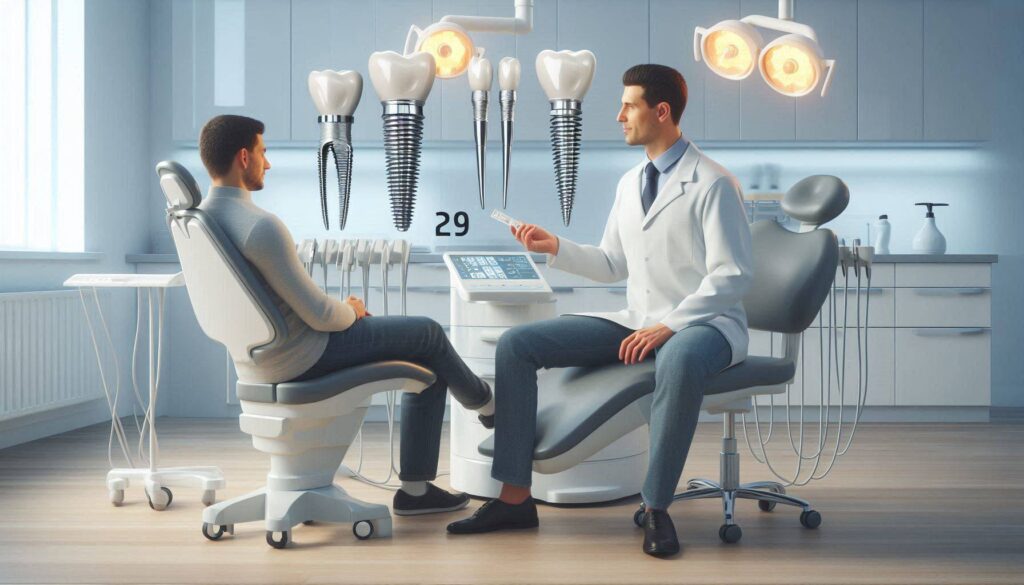
The first step to understanding the cost is to recognize that a dental implant is not a single item with a single price tag. It is a series of procedures, components, and professional services. The total fee for two implants can be quoted in two ways: as an all-inclusive global fee or as a series of individual line items. The all-inclusive fee is the safer, more transparent approach for you as a patient. It should cover every component from start to finish, with no hidden surprises. If a practice quotes a fee, you must ask precisely what that fee includes. A suspiciously low price often reflects a limited scope of included services, with significant additional costs for the necessary components to actually complete the treatment.
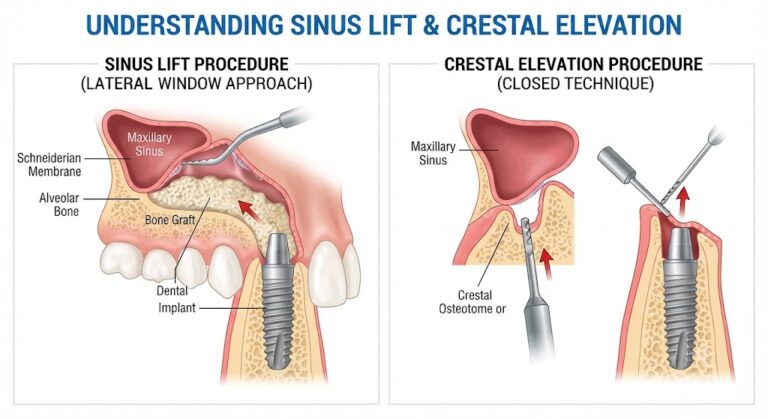
The core components of the cost begin with the surgical phase. This includes the initial comprehensive examination, the three-dimensional CBCT scan, and the virtual treatment planning. The surgical fee covers the placement of the implant fixture itself, including the cost of the implant hardware, the anesthesia, and the surgeon’s time and expertise. If a tooth or teeth need to be extracted, the extraction fee is an additional component. If the bone at the site is deficient, which is common when two adjacent teeth are missing, the cost of bone grafting is added. Bone grafting can range from a simple, minor socket graft to a more extensive block graft or sinus lift procedure, significantly impacting the total cost. A sinus lift, required to create bone height in the upper posterior jaw, adds a substantial cost to the treatment.
The Restorative Components: Abutment and Crown
After the implant has integrated with the bone, the restorative phase begins. This phase has its own set of fees. The implant must be uncovered, a minor procedure if the implant was placed with a two-stage submerged protocol. A healing abutment or a custom healing collar is placed to sculpt the gum tissue. The final restorative components include the definitive abutment, which is the connector piece that screws into the implant and supports the crown, and the crown itself. The abutment can be a stock, pre-fabricated component, which is less expensive but offers less control over the gum contour. A custom-milled, patient-specific abutment, fabricated by a dental laboratory technician, is more expensive but is the standard of care for achieving an optimal aesthetic and biological outcome.
The crown is the visible tooth. The cost of the crown depends on the material. A porcelain-fused-to-metal crown is the least expensive but may show a dark metal margin at the gumline. An all-ceramic crown, such as one made from layered porcelain or full-contour zirconia, is more aesthetic and biocompatible. These crowns are milled by sophisticated CAD/CAM systems and hand-finished by master ceramists. If your case involves replacing two adjacent teeth, the restorative configuration can vary. You might receive two individual implant crowns, each with its own implant, abutment, and crown. Or, you might receive two implants supporting a three-unit bridge, where the two outer crowns are supported by implants and a false tooth, a pontic, spans the space between them. The cost structures for these different configurations are distinct, and your dentist will explain which is the biologically and biomechanically superior choice for your specific situation.
The Fee Range for Two Dental Implants: A Realistic Number
With these variables in mind, it is possible to provide a realistic, honest range for the total cost of two dental implants in the United States. The fee for two implants, from start to finish, including surgery, abutments, and crowns, typically ranges from $6,000 to $12,000. This is a broad range, and the final number depends on the factors discussed. The lower end of the range, around $6,000 to $7,000, represents a straightforward case in a lower-cost geographic area, with good bone quality, no need for grafting, and stock abutments with standard porcelain crowns. The higher end of the range, $10,000 to $12,000 or more, represents a complex case in a high-cost metropolitan area, requiring extractions, significant bone grafting, custom abutments, and premium full-zirconia or layered porcelain crowns fabricated by a top-tier aesthetic dental laboratory.
The per-implant cost often decreases slightly when two implants are placed in the same surgical session. You are paying for one surgical setup, one anesthesia appointment, and often one CBCT scan. The surgical fee for the second implant is typically less than the first. The restorative fees for the abutments and crowns are generally charged per unit. Two individual implant crowns will cost more than a two-implant-supported bridge. A single missing tooth replaced with an implant typically costs between $3,000 and $6,000. For two adjacent missing teeth, the total cost is not simply double. The surgical economies of scale reduce the marginal cost of the second implant. A realistic, median estimate for two single implant crowns, in a standard suburban practice with no major grafting, is between $7,500 and $9,000.
The Geographic Variability
The cost of dental implants is highly sensitive to geography. A practice in a major metropolitan area, such as New York City, Los Angeles, or San Francisco, has significantly higher overhead costs: commercial real estate, staff salaries, and laboratory fees. The same procedure in a suburban or rural practice in the Midwest or the South may cost 30 to 50 percent less. This geographic arbitrage is a real factor. Some patients choose to travel for implant treatment, a practice known as dental tourism. This requires careful research. The cost savings can be significant, but the treatment must be completed before you leave, and the continuity of care and the management of any post-operative complications must be carefully considered. The implant is a two-phase process with a healing period of months in between. Dental tourism for implants is logistically more complex than a single-visit procedure.
Within a given geographic area, the type of practice also influences the fee. A specialist surgical practice, an oral surgeon or a periodontist, may charge a higher surgical fee than a general dentist placing implants. However, the specialist brings the value of advanced, hospital-based surgical training and the experience of managing complex anatomical challenges. A prosthodontist who restores the implant brings the value of three additional years of university-based specialty training in the art and science of tooth replacement. You are not just paying for the hardware. You are paying for the judgment, the skill, and the experience of the clinicians who are entrusted with your care. This is not the place to seek the lowest bidder. A failed implant or a poorly aesthetic crown is far more expensive to correct than a well-executed implant placed by a competent, fairly compensated professional.
The Cost of Alternative Configurations for Two Missing Teeth
When two adjacent teeth are missing, you have more than one implant configuration to choose from, and the costs differ. The most biologically conservative and functionally ideal option, if bone volume permits, is two individual implants, each supporting its own crown. This fully restores the independent roots, preserves the bone between the two teeth, and creates two autonomous, easy-to-clean units. This is the most expensive option because you are paying for two implants, two custom abutments, and two individual crowns.
An alternative is two implants supporting a three-unit implant bridge. Two implants are placed, one at the site of each missing tooth, and a single three-unit bridge is fabricated, spanning from one implant to the other. This reduces the restorative cost because you are paying for one bridge instead of two individual crowns. However, the bridge requires more meticulous hygiene under the pontic. Another alternative, if the bone in the middle of the gap is deficient, is a single implant placed in the center, supporting a cantilever bridge with one tooth on either side. This is a biomechanically compromised design that places extreme leverage on the single implant and is generally discouraged except in very specific, low-force scenarios. The cost is lower because only one implant is placed, but the risk of mechanical failure is significantly higher. The honest, long-term value lies in the two individual implants, which most closely replicate the natural dentition’s form and function.
The Hidden Cost of Delaying Treatment
When evaluating the cost of two dental implants, you must also consider the cost of not proceeding with treatment. The bone resorption that occurs in the edentulous spaces is progressive. If you delay treatment for years after the teeth are lost, the bone will atrophy. What could have been a straightforward implant placement today may, in five years, require a complex and costly bone grafting procedure. The delay has a direct financial cost. It adds a surgical procedure and a graft material expense that would not have been necessary if the implants had been placed closer to the time of extraction.
Furthermore, the drifting and super-eruption of adjacent and opposing teeth that occurs over time will create a malocclusion. Correcting this malocclusion before implants can be placed may require orthodontic treatment, adding thousands of dollars and many months to the total treatment. The adjacent teeth may develop decay or periodontal disease as a result of the altered, plaque-trapping contacts. Restoring these damaged teeth adds to the total restorative burden. The seemingly prudent decision to save money by delaying treatment is, in biological reality, often the most expensive path over the long term. The implant is not just a cost. It is an investment that arrests a progressive, destructive disease process.
Conclusion
The total cost for two dental implants, from surgical placement to the final crown delivery, realistically ranges between $6,000 and $12,000, a comprehensive fee driven by the potential need for extractions and bone grafting, the choice between stock and custom abutments, and the material and artistry of the final crown or bridge. The optimal biological solution, two individual implants supporting two independent crowns, maximizes preservation and cleansability, while a two-implant-supported bridge offers a slightly lower restorative cost but requires meticulous hygiene. Ultimately, the expense must be measured against the escalating long-term financial and biological costs of delaying treatment, making a well-planned, expertly executed pair of implants a prudent and often cost-saving investment in lifelong oral health.
Frequently Asked Questions
Is it cheaper to get two implants at the same time?
Yes. When two implants are placed during the same surgical appointment, you pay for one anesthesia setup, one surgical tray, and one CBCT scan. The surgical fee for the second implant is typically lower than if you scheduled two separate surgeries. There is an economy of scale that benefits the patient.
Does dental insurance cover two dental implants?
Dental insurance plans that offer implant coverage typically apply a major services classification, with a 50 percent coinsurance up to an annual maximum, often between $1,000 and $2,500. You can maximize your benefit by phasing treatment across two benefit years: surgery in one year and the restorative phase in the next.
Why is there such a huge range in the cost of dental implants?
The range reflects the differences in the complexity of the case, the need for preparatory procedures like bone grafting, the type of implant and abutment used, the material and craftsmanship of the crown, the specialist’s training and experience, and the geographic location of the practice. A low fee often reflects an incomplete quote that excludes necessary components.
Can I get two implants and a bridge instead of two separate crowns?
Yes, you can. Two implants can support a three-unit bridge. This is a viable and strong configuration. The restorative lab fee for the bridge is less than for two individual custom crowns. Your dentist will advise you on the best option based on the bone anatomy and the aesthetic requirements of your case.
Are there any financing options for two dental implants?
Yes. Most implant practices offer or accept third-party healthcare financing, such as CareCredit or LendingClub, which provide extended, often interest-free payment plans for medical and dental procedures. Additionally, you can use tax-advantaged Health Savings Account or Flexible Spending Account funds to pay for implants.
Additional Resource
The American Academy of Implant Dentistry provides comprehensive resources on the value of dental implants and the factors that influence treatment costs. For an evidence-based perspective on implant economics and long-term cost-effectiveness, visit: https://www.aaid.com/