Can You Replace A Dental Implant Crown?
You have had your dental implant for years. The titanium post is securely fused to your jawbone, a silent, reliable replacement for the root you lost. But the visible part, the crown, is showing its age. Perhaps the porcelain has chipped, the color no longer matches your natural teeth, or the gum tissue has receded, exposing a dark metal margin. A question surfaces, simple and pragmatic: can you replace just the crown on a dental implant, or is the entire implant system a permanent, unchangeable unit?
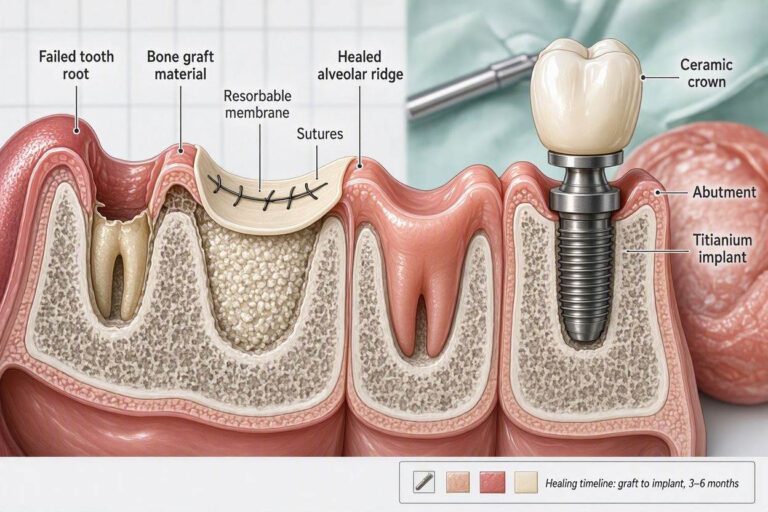
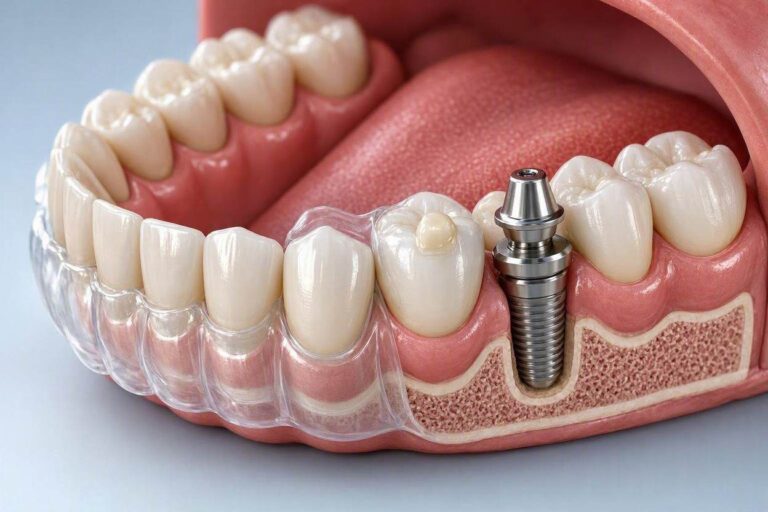
The answer is a definitive yes. The implant crown is a separately fabricated, mechanically attached component designed to be removable and replaceable. The implant post in the bone is the permanent foundation. The crown is the replaceable, visible restoration on top. This article explains the mechanical connection that makes replacement possible, the common reasons for a new crown, the procedure itself, and the cost you can expect.
The Mechanical Connection: Screw-Retained vs. Cement-Retained
The reason an implant crown can be replaced lies in its mechanical connection to the implant post. The crown is not chemically fused or permanently welded to the implant. It is either screwed in or cemented onto an intermediate connector called an abutment. The nature of this connection determines how easy or difficult the replacement will be.
Screw-Retained Crowns
In a screw-retained system, the crown and the abutment are often a single integrated unit, or the crown has a precisely machined screw channel that runs through it. The assembly is screwed directly into the internal threading of the implant post. The screw channel is then sealed with a small piece of Teflon tape and a tooth-colored composite filling.
This is the ideal design for future replacement. The restorative dentist can simply locate the screw access hole, remove the composite filling, unthread the screw with a specific torque driver, and lift the entire crown and abutment assembly off the implant. It is a clean, non-destructive, and predictable removal. The implant post remains completely undisturbed in the bone. The procedure takes minutes. A screw-retained crown is designed with future retrievability and service in mind.
Cement-Retained Crowns
In a cement-retained system, a separate abutment is screwed into the implant post. The crown is then cemented onto that abutment, just like a traditional crown is cemented onto a prepared natural tooth. This design is less conducive to simple replacement.
To remove a cement-retained crown, the dentist must try to break the cement seal and lift the crown off the abutment without damaging it. This can be difficult. The cement may be strong, and the crown may be fragile. If the crown is already damaged or is being replaced for aesthetic reasons, the dentist may simply cut the crown off the abutment with a high-speed drill, carefully sectioning the porcelain and peeling it away. This is a destructive removal of the crown, but it is safe for the abutment and the implant. The abutment remains screwed in place, and a new crown is fabricated to fit onto it.
If the abutment itself needs to be replaced—perhaps it is damaged, has a poor margin, or needs a different angulation—the abutment screw is accessed and unthreaded. A new abutment is placed, and a new crown is fabricated. The replaceability is an inherent feature of the modular implant system.
The Reasons for Replacement: Why Crowns Age
An implant crown is a durable medical device, but it is not immune to the forces, chemistry, and biological changes of the oral environment. The common reasons for replacing an implant crown include:
- Chipped or Fractured Porcelain: A significant impact or the slow fatigue of chronic grinding can chip the ceramic. A small chip might be polished or patched with composite, as discussed in Article 18. A large fracture that compromises the structural integrity or aesthetics of the crown necessitates a full replacement.
- Aesthetic Deterioration: Over a decade, the color and surface texture of an older implant crown may no longer match the adjacent natural teeth, which continue to darken, wear, or be whitened. The patient desires a cosmetic upgrade to a more modern, lifelike ceramic material.
- Gum Recession and Metal Margin Exposure: Gum tissue can recede over time, exposing the dark grey margin of a metal abutment or the metal collar of a porcelain-fused-to-metal crown. This is an aesthetic failure, particularly in the front of the mouth. A new all-ceramic crown with a custom ceramic abutment can restore a seamless, natural emergence from the gums.
- Loose Crown or Abutment Screw: The abutment screw that connects the crown to the implant can occasionally loosen, causing the crown to feel wobbly. While the screw can often simply be re-tightened, a chronically loose screw may indicate a poor fit or a problematic bite force, and the crown and abutment may need to be re-designed.
- Peri-implantitis and Bone Loss: If the bone around the implant has receded due to infection, the crown may no longer be adequately supported by the gum tissue. The neck of the implant may be exposed. A new crown may be part of a comprehensive treatment plan to manage the infection and re-establish a cleansable, hygienic contour.
- Implant Component Upgrade: The original implant may have a dated, less aesthetic restorative platform. The patient may wish to upgrade to a modern, CAD/CAM custom abutment and a layered ceramic crown that uses the latest materials and techniques.
The Annual Maintenance Check is Critical: A loose abutment screw, a small chip, a rough margin that traps plaque, or a bite that has shifted and is overloading the implant are all problems that are best caught early during a professional implant maintenance visit. Replacing a single loose or damaged component is far simpler and less costly than waiting for a catastrophic failure that damages the implant post itself.
The Replacement Procedure: A Step-by-Step Guide
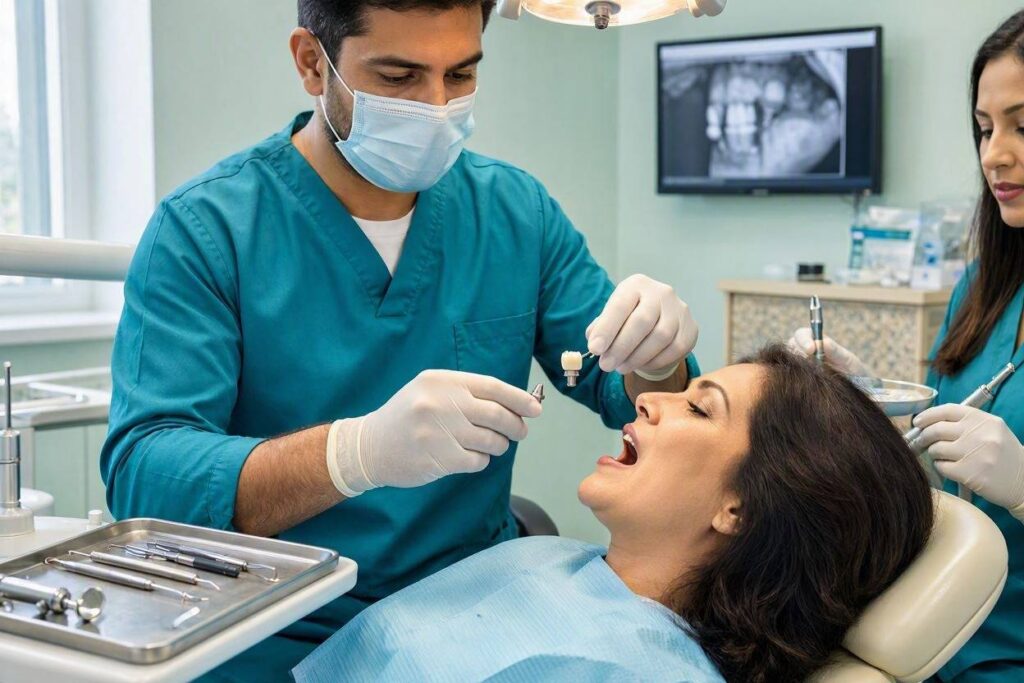
Replacing an implant crown is a far less involved process than the original implant surgery. There is no bone surgery, no healing period, and no significant recovery time. The implant post is already integrated and stable.
- Access and Removal: The dentist accesses the screw channel (for a screw-retained crown) or carefully cuts/drills off the old crown (for a cemented crown). The abutment screw is unthreaded, and the old restoration is removed.
- Site Evaluation: The implant platform and the surrounding gum tissue are examined under magnification. The health of the peri-implant tissues is assessed. Any inflammation or infection is treated before a new crown is placed.
- Impression or Digital Scan: A new impression or, in a modern digital workflow, an intraoral scan is taken of the implant platform, the adjacent teeth, and the opposing arch. This captures the precise 3D position of the implant.
- Abutment and Crown Fabrication: The dental laboratory fabricates a new, custom abutment (if needed) and a new crown, matched to the current shade and contour of your natural teeth. This takes two to four weeks. A temporary crown may be placed over the implant to protect it and maintain aesthetics.
- Final Delivery: The new restoration is tried in for fit, aesthetics, and bite. Adjustments are made as needed. The abutment screw is torqued to the manufacturer’s precise specification. The screw access hole is sealed, and the bite is re-verified.
The Cost to Replace an Implant Crown
The cost of replacing an implant crown is a fraction of the cost of the original implant surgery, because you are paying only for the restorative phase, not the surgical placement. The cost varies based on the complexity of the new restoration and the materials chosen.
- Replacement of a Screw-Retained Crown (single unit): $1,200 – $2,500
- Replacement of a Cement-Retained Crown (single unit): $1,000 – $2,000
- New Custom CAD/CAM Abutment (if needed): $400 – $800
A purely cosmetic replacement of a structurally sound crown, driven by a desire for better aesthetics, is typically not covered by dental insurance. A replacement necessitated by a fracture, a loose screw, or a biological complication may be partially covered under the plan’s major restorative benefit, subject to the replacement clause (often limiting coverage to one replacement every 5-7 years).
Conclusion
A dental implant crown is a replaceable, serviceable component. The modular design of the implant system—with its screw-retained or cement-retained connection—allows the restorative dentist to remove the old crown and replace it with a new one, without disturbing the osseointegrated implant post. Common reasons for replacement include ceramic fracture, aesthetic aging, gum recession, and component loosening. The procedure is non-surgical and far less costly than the original implant placement.
Frequently Asked Questions
How long does an implant crown typically last before needing replacement?
An implant crown, like any high-quality dental restoration, has a finite lifespan. With excellent home care, a properly designed bite, and protection from a night guard for bruxers, a well-made ceramic implant crown can last 10 to 20 years or longer. However, chips, aesthetic changes, and mechanical complications can necessitate replacement sooner.
Can I whiten an implant crown?
No. Ceramic and porcelain materials cannot be whitened with bleaching agents. If your natural teeth have been whitened and the implant crown no longer matches, the crown must be replaced with a new one fabricated to the new, lighter shade. This is why teeth whitening, if desired, should be performed before an implant crown is made.
Is replacing an implant crown painful?
No. The procedure is performed on the restoration above the gum line. There is no cutting of the gums or drilling into the bone. Local anesthetic is often not even required, as there is no nerve in the implant or the crown. The only sensation is the vibration of the drill if the old crown is being sectioned off.
Additional Resource:
For more information on the maintenance and potential replacement of dental restorations, visit the American College of Prosthodontists: https://www.gotoapro.org/dental-crowns/