Dental Implant Is Moving Slightly
You just spent time, energy, and money on a dental implant. You expected it to feel like a natural tooth—solid, stable, and reliable. So when you notice that your dental implant is moving slightly, it can feel alarming.
Take a breath.
Some movement is not always a disaster. In fact, very tiny, almost imperceptible movement might be normal in specific situations. But other types of movement signal a problem that needs fast attention.
This guide walks you through every possible reason why your implant feels loose. You will learn what is normal, what is dangerous, and exactly what to do next.
Important note: This article is for educational purposes only. Always consult your dentist or oral surgeon for a personal diagnosis.
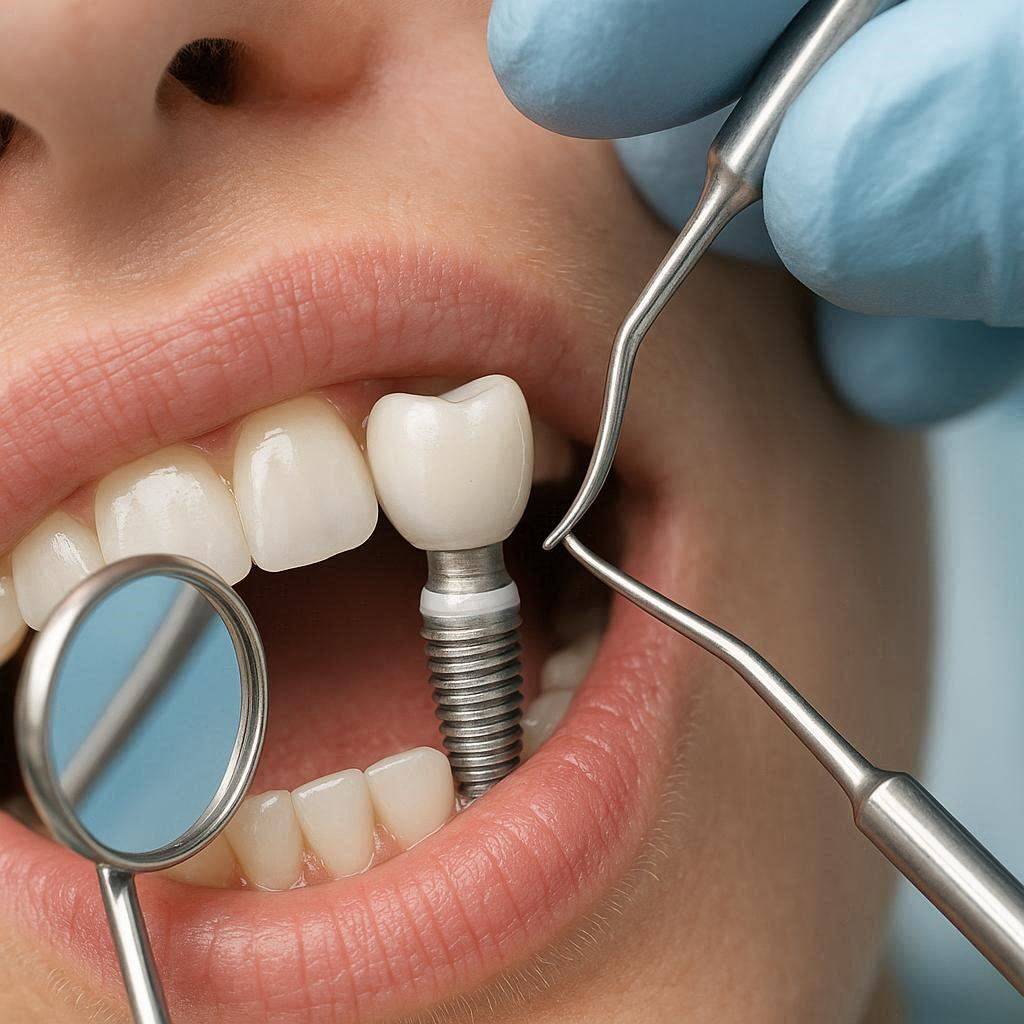
Understanding How a Dental implant Should Feel
Before we talk about movement, let us first understand how a healthy, successful implant behaves.
A fully healed and properly integrated implant fuses with your jawbone through a process called osseointegration. Once that bond is complete, the implant should not move at all under normal pressure. Not side to side. Not up and down.
When you bite down on food, the implant transfers force directly into the bone. That feels firm. There is no wiggling, clicking, or shifting.
So when someone says their dental implant is moving slightly, the first question is: how long ago was the surgery?
Immediate vs. Long-Term Movement
| Time Since Surgery | Typical Sensation | Concern Level |
|---|---|---|
| 0–2 weeks | Some micromobility possible | Low to moderate |
| 3–6 months (healing) | Should feel increasingly solid | Moderate to high if loose |
| After 1+ year | Absolutely no movement | High if any movement |
The Main Types of Implant Movement
Not all movement is the same. You need to identify what you are actually feeling.
1. Rotational Movement
The implant twists slightly when you touch it with your finger or tongue.
2. Lateral Movement
It shifts side to side. This is the most common type of concerning movement.
3. Vertical Movement
You feel it push down or pull up slightly. This often means a problem with the abutment or crown, not the implant itself.
4. Audible Clicking
You hear a small click when you press on the crown. This usually points to a loose screw.
Let us break each one down in plain language.
Is Any Movement Normal? (Honest Answer)
Yes and no. This is where many online guides get it wrong.
In the first few days after surgery: a very small amount of micromotion can exist. The implant sits in a prepared socket. Until bone starts growing into the implant’s surface, it may have microscopic wiggle room. You should not feel this without pressing hard. If you feel clear movement with light finger pressure, call your dentist.
After osseointegration (3-6 months): zero movement is normal. If you feel any, something is wrong.
For a crown on top: sometimes the crown moves, but the implant underneath stays still. People often confuse these two.
*”About 5-10% of ‘loose implant’ complaints turn out to be a loose crown or abutment screw. That is usually an easy fix.”* — Prosthodontist, Dr. Elena Marques
7 Possible Reasons Your Dental Implant Is Moving Slightly
Let us go through the real clinical causes. Some are minor. Others require prompt treatment.
H3: 1. The Abutment Screw Is Loose
This is the most common cause of perceived movement.
The abutment connects the implant (in the bone) to the crown (the visible tooth). A small screw holds everything together. Over time, biting forces can loosen that screw slightly.
What you feel: The crown clicks or shifts a tiny bit when you bite. The implant itself does not move inside your gum. But your brain feels movement on top, so it feels like the whole thing is loose.
What to do: Your dentist can tighten the screw in five minutes. Sometimes they replace it with a new one.
H3: 2. Failed Osseointegration
The implant never properly fused with your bone. This happens in about 2-5% of cases, more often in smokers or people with uncontrolled diabetes.
What you feel: The entire implant shifts side to side. You may also notice gum redness or a bad taste.
What to do: The implant usually needs removal. After the site heals, a new implant may be possible.
H3: 3. Peri-Implantitis (Bone Loss)
This is a serious infection around the implant. It destroys the bone that holds the implant in place. As bone disappears, the implant becomes loose.
What you feel: Gradually increasing movement. Often paired with bleeding when brushing, swelling, or pus.
What to do: Early stages can be treated with deep cleaning and antibiotics. Late stages require implant removal.
H3: 4. Crown or Cement Failure
Sometimes the crown itself breaks loose from the abutment. If your implant uses cemented crowns, the cement can fail after years of use.
What you feel: The top part spins or lifts slightly. The metal post under your gum feels still.
What to do: Re-cementing the crown or replacing it solves the problem.
H3: 5. Bone Quality Issues
Some people have soft bone, especially in the upper jaw. If your dentist placed an implant in marginal bone, it may never achieve full stability.
What you feel: Persistent slight movement that never goes away, even months after healing.
What to do: Your dentist may recommend bone grafting or a smaller diameter implant.
H3: 6. Trauma or Clenching
You fell. You got hit during sports. Or you grind your teeth at night with extreme force.
Heavy forces can fracture the implant components or compress the bone around the implant, creating space.
What you feel: Sudden onset of movement after an injury or after waking up with jaw soreness.
What to do: Night guards for clenching. Evaluation for possible fracture.
H3: 7. Implant Fracture (Rare but Real)
Modern implants are strong, but they can crack. This usually happens in narrow implants or in patients who clench aggressively.
What you feel: Movement plus occasional sharp pain when biting.
What to do: Removal is almost always required.
How to Test Your Implant at Home (Safely)
You do not need to panic. But you can do a simple, safe check before calling your dentist.
Step-by-step:
- Wash your hands thoroughly.
- Use a clean finger or the back of a spoon handle.
- Gently press on the crown from different directions: front, back, side to side.
- Try to feel if the crown moves separately from the gum area.
- Place one finger on the gum right next to the implant. Press the crown. Can you feel movement under the gum?
Do not:
- Use your tongue aggressively to wiggle it
- Use tools like pliers or tweezers
- Keep testing it repeatedly (this can worsen loosening)
Safety note: If the implant moves more than 1 millimeter in any direction, stop touching it. See a dentist within 24 hours.
When Is It an Emergency?
Most loose implants are not life-threatening emergencies. But some situations require urgent care.
See a dentist immediately if you also have:
- Swelling spreading to your face or neck
- Fever or chills
- Pus draining from the gum around the implant
- Difficulty swallowing or breathing
- Severe pain that worsens instead of improving
These signs suggest a spreading infection. In rare cases, an infected implant can lead to cellulitis or even sepsis.
Routine appointment (within 1-2 weeks) if:
- You only notice slight movement with no pain
- No swelling or redness
- The implant feels stable when you chew soft foods
What Your Dentist Will Do
Understanding the process removes fear. Here is what typically happens in the dental chair.
Step 1: Clinical Examination
Your dentist will use two metal instruments to check movement. They will also probe around the implant to measure bone loss.
Step 2: X-Rays (Periapical or CBCT)
X-rays show bone levels around the implant. If bone looks healthy and the implant threads are covered, that is good news. If a dark space appears around the implant, that means bone loss.
Step 3: Torque Test
The dentist attaches a special tool to the implant to measure how much resistance it offers. Low resistance often means failed integration.
Step 4: Diagnosis and Plan
| Diagnosis | Treatment | Success Rate |
|---|---|---|
| Loose screw | Tighten or replace screw | ~95% |
| Failed crown cement | Re-cement or replace crown | ~90% |
| Early peri-implantitis | Deep cleaning + antibiotics | ~70% |
| Failed osseointegration | Remove implant, graft bone, redo later | ~85% for second attempt |
| Fractured implant | Remove implant | N/A (cannot repair) |
Can You Fix a Loose Implant Without Removing It?
Yes, in many cases. This is the good news.
If the problem is the screw or crown: the implant stays in your bone. The dentist simply tightens or replaces the part above the gum. You leave the same day with a stable tooth.
If the problem is early bone loss: some dentists can perform a bone graft around the implant without removing it. This is called a regenerative procedure. It works best when you catch the problem early.
If the implant body itself is loose inside the bone: removal is almost always necessary. Trying to save a mobile implant usually leads to more bone loss.
“I have seen patients wait six months with a slightly mobile implant, hoping it will stabilize on its own. It never does. Early intervention saves bone.” — Oral Surgeon, Dr. James Keller
How to Prevent Implant Loosening
You have control over many risk factors. Prevention is always easier than repair.
Daily Habits That Protect Your Implant
- Brush twice a day with a soft-bristled brush. Pay attention to the gum line around the implant.
- Floss or use interdental brushes designed for implants. Regular floss can shred.
- Avoid chewing ice, hard candies, or pen caps on that side.
- Wear a night guard if you grind your teeth. This is non-negotiable for implant patients.
- Quit smoking. Smokers have double the failure rate of non-smokers.
Regular Maintenance Schedule
| Time After Implant | Recommended Action |
|---|---|
| 2 weeks post-op | Suture removal, first check |
| 3 months | X-ray to check bone integration |
| 6 months | Clinical exam and cleaning |
| Every 6-12 months thereafter | Professional cleaning, torque check of screw |
Living With a Slightly Mobile Implant While You Wait for Treatment
You cannot always see the dentist on the same day. If you have a minor movement and an appointment scheduled, here is how to manage safely.
Do:
- Eat on the opposite side of your mouth
- Stick to soft foods like yogurt, soup, mashed potatoes
- Rinse gently with warm salt water twice daily
- Keep the area very clean to prevent infection
Do not:
- Chew gum on that side
- Use a water flosser at high pressure near the implant
- Push on the implant with your tongue out of habit
- Delay your appointment more than two weeks
Real Patient Scenarios (For Perspective)
Scenario A: Maria, 3 years post-implant
Maria noticed her dental implant is moving slightly when she brushed her teeth. No pain. No bleeding. X-ray showed perfect bone levels. Diagnosis: loose abutment screw. Dentist tightened it in ten minutes. Maria paid a small service fee. Problem solved.
Scenario B: John, 8 months post-implant
John felt a wiggle from day one but assumed it would tighten. After eight months, the movement increased. X-ray revealed no bone integration. The implant was removed. John waited three months for bone healing. A new, larger implant was placed successfully.
Scenario C: Linda, 10 years post-implant
Linda’s implant started moving after she fell while skiing. She also noticed a crack in the crown. The implant body was still solid in the bone. The crown had fractured. A new crown fixed everything.
Common Myths About Loose Implants
Let us clear up some misinformation circulating online.
Myth 1: “A slightly loose implant will tighten on its own.”
Truth: It will not. Bone does not regrow around a moving object. Movement actually stimulates bone loss.
Myth 2: “If it moves, it must come out.”
Truth: Not always. Many loose implants only need a screw tightened. Do not assume the worst.
Myth 3: “You can glue a loose crown at home.”
Truth: Never use household glue or dental repair kits on an implant. You can seal bacteria inside or make the screw impossible to remove.
Myth 4: “Implants last forever without maintenance.”
Truth: Implants need the same care as natural teeth. Skipping cleanings leads to bone loss over time.
Psychological Impact of a Moving Implant
We do not often talk about the emotional side. But it matters.
You invested in an implant to feel confident, eat comfortably, and stop worrying about your teeth. When that implant moves, it can feel like a personal failure. It is not.
Failures happen. Screws loosen. Bones sometimes reject foreign objects. None of that makes you a bad patient.
Most people with a loose implant resolve the problem completely. Even in worst-case removal scenarios, a new implant works most of the time.
Be honest with your dentist. Ask questions. And give yourself permission to feel frustrated—but not hopeless.
Financial Considerations
Costs vary widely. Here is a realistic range in the United States (without insurance).
| Procedure | Typical Cost |
|---|---|
| Tightening abutment screw | 75–200 |
| Replace screw (new) | 150–300 |
| Recement crown | 100–250 |
| Deep cleaning (peri-implantitis treatment) | 300–800 |
| Bone graft around existing implant | 800–2,500 |
| Remove implant | 200–500 |
| New implant + crown (full replacement) | 3,000–6,000 |
Many dentists offer payment plans. Some implant warranties cover mechanical failures like broken screws. Check your paperwork.
Questions to Ask Your Dentist at Your Appointment
You are a partner in your care. Bring these questions with you.
- “Is the movement in the implant body or just the crown?”
- “Can you show me on the X-ray how much bone I have left?”
- “If the screw is loose, do you recommend replacing it or just tightening it?”
- “What is the likelihood this problem will come back?”
- “Should I see a specialist (periodontist or prosthodontist) instead?”
Additional Resource
For a deeper look into implant maintenance and long-term care, the American Academy of Implant Dentistry (AAID) offers a free patient guide. You can find it here:
https://www.aaid.com/patient-resources (external link, opens in new tab)
Conclusion
A dental implant moving slightly does not automatically mean failure. Many cases involve a simple loose screw or crown that your dentist can fix in minutes. However, movement that comes from bone loss or failed integration requires prompt attention to save bone and avoid complications. The most important step is to see your dentist for an accurate diagnosis—do not wait, and do not assume the worst.
Frequently Asked Questions (FAQ)
Q1: Can I eat normally if my dental implant is moving slightly?
A: Stick to soft foods and chew on the opposite side until a dentist checks it. Hard foods can worsen the loosening.
Q2: How much movement is too much?
A: Any visible movement with light finger pressure is too much after the healing period. Microscopic movement only a dentist can detect may be normal in the first two weeks.
Q3: Will a loose implant always need to be removed?
A: No. About 60-70% of loose implants are actually loose crowns or abutment screws, which do not require implant removal.
Q4: Can I tighten the screw myself?
A: Absolutely not. Implant screws require specific torque wrenches. Over-tightening can crack the implant or bone.
Q5: Why does my implant feel loose only sometimes?
A: Intermittent movement often means a screw that shifts under certain biting angles. It still needs professional evaluation.
Q6: Can gum disease affect my implant?
A: Yes. Peri-implantitis is the implant version of gum disease. It destroys bone and causes loosening over months or years.
Q7: How long can I wait before seeing a dentist?
A: If there is no pain or swelling, you can safely wait 1-2 weeks. But do not delay months. Early intervention gives better outcomes.
Disclaimer: This article is for general informational purposes only and does not constitute medical or dental advice. Individual cases vary. Always seek the guidance of a licensed dentist or oral surgeon for any concerns regarding your dental implants. The author and publisher are not responsible for any actions taken based on this content.