Is Full Dental Implant Safe?
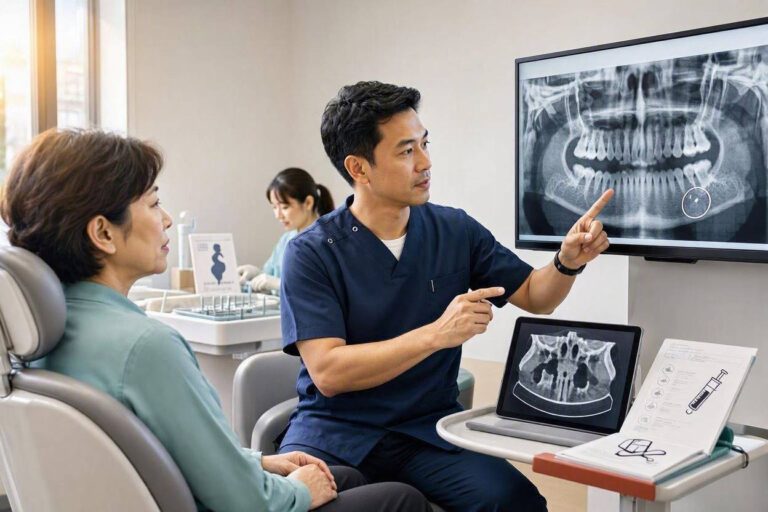
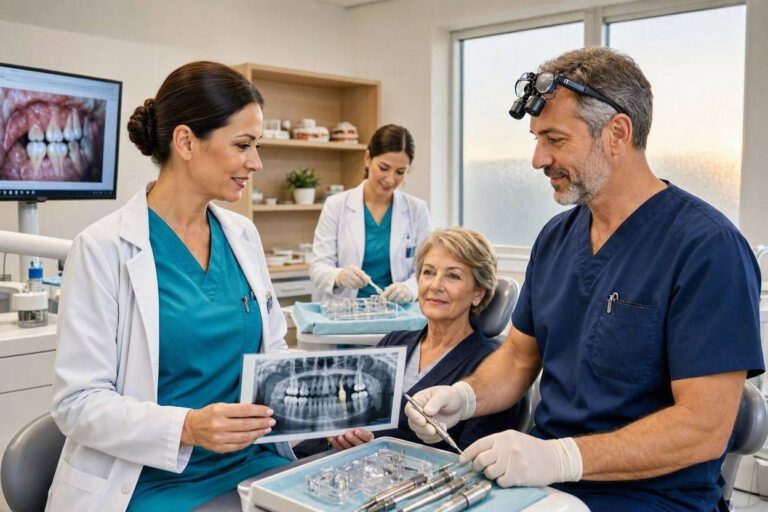
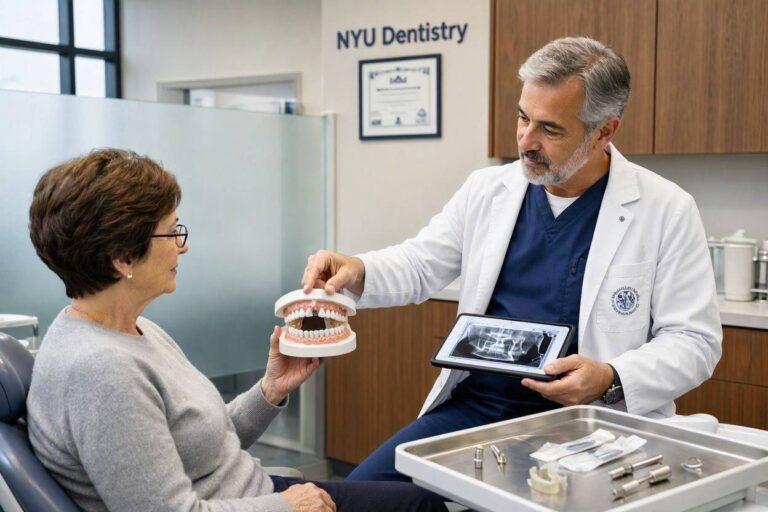
Full dental implant treatment, replacing all teeth in one or both arches with implant-supported restorations, represents the most comprehensive transformation available in modern dentistry. Patients considering this life-changing procedure naturally ask whether such extensive treatment is truly safe. The answer requires honest examination of benefits, risks, success rates, and the critical factors that determine outcomes.
Full dental implant treatment is remarkably safe when performed by qualified practitioners on appropriately selected patients. Success rates for full-arch implant rehabilitation exceed 95% over 10-year follow-up periods in numerous clinical studies. However, the treatment involves surgery, carries specific risks, and requires careful patient selection and meticulous surgical technique. The safety profile compares favorably to other major elective surgical procedures.
Understanding Full Dental Implant Treatment
The term “full dental implant” encompasses several distinct treatment approaches. Understanding the specific procedure being discussed is essential for evaluating safety data.
What Full Dental Implants Actually Involve
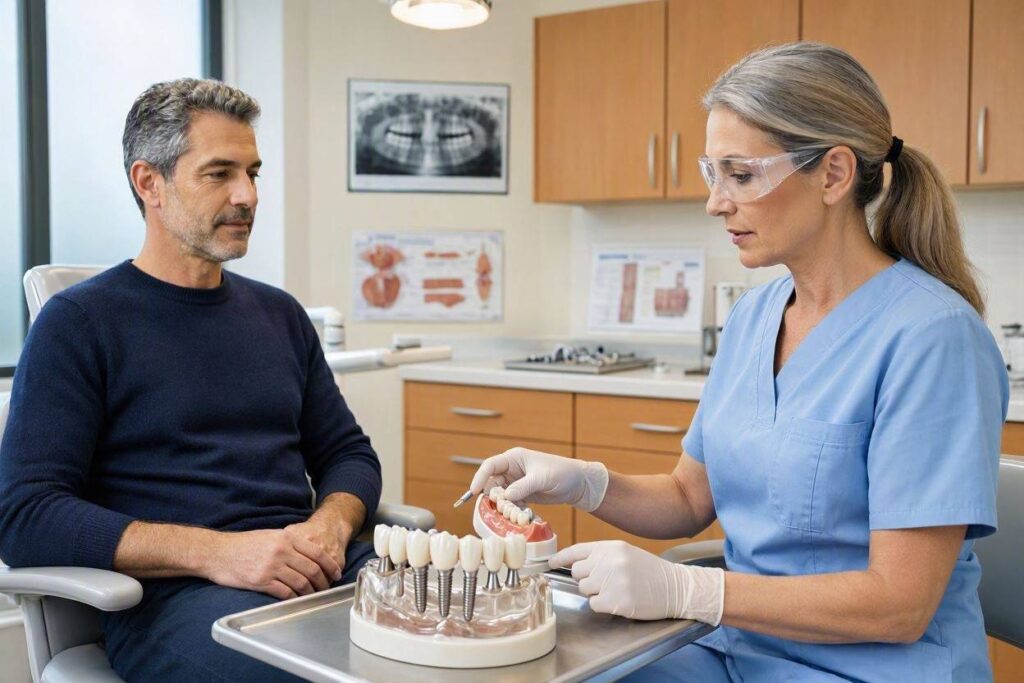
Full mouth dental implant treatment replaces all teeth in one or both arches using multiple dental implants supporting fixed or removable prostheses. This differs fundamentally from single-tooth implant replacement in scale, surgical complexity, and rehabilitation scope.
Common Full-Arch Implant Protocols:
All-on-4: Four implants per arch with two posterior implants angled to maximize bone contact and avoid anatomical structures. A fixed hybrid bridge is attached to the implants.
All-on-6 or All-on-8: Six or eight implants per arch provide additional support. This approach may offer improved load distribution and redundancy if an implant is lost.
Implant-Supported Overdentures: Two to four implants retain a removable denture using attachments. The denture snaps onto the implants for stability but is removed for cleaning.
Individual Implant Crowns (Full Mouth): Each tooth position receives an individual implant and crown, typically requiring 12-16 implants per arch. This represents the most extensive and expensive approach.
The Surgical Scope
Full-arch implant surgery is significantly more extensive than single implant placement. Understanding the surgical reality helps patients appreciate both the safety record and the recovery demands.
The procedure typically involves:
Extraction of all remaining teeth in the arch. Alveoloplasty (bone recontouring) to create an even foundation. Placement of multiple implants according to a pre-planned surgical guide. Attachment of abutments and a temporary prosthesis on the same day in immediate-load protocols. Total surgical time of 2-5 hours per arch under local anesthesia with sedation or general anesthesia.
This surgical scope places full-arch treatment in the category of major oral surgery. The safety record reflects the seriousness of the procedure.
Clinical Evidence Supporting Full Dental Implant Safety
The safety and efficacy of full-arch implant treatment are supported by decades of peer-reviewed research.
Success Rates From Major Studies
Multiple large-scale studies demonstrate excellent outcomes for full-arch implant rehabilitation.
The original All-on-4 studies by Dr. Paulo Malo and colleagues reported cumulative implant survival rates of 98% for maxillary (upper) arches and 99% for mandibular (lower) arches over 5-year follow-up. Subsequent 10-year data showed maintained success rates above 95%.
A systematic review published in the Journal of Dental Research analyzing 17 studies and over 1,000 patients found mean implant survival rates of 96-98% for full-arch fixed restorations over observation periods of up to 10 years.
These success rates compare favorably to other surgical procedures. Hip replacement surgery, widely considered safe and routine, carries approximately 90-95% 10-year survival rates. Full dental implant treatment falls within the same success range.
| Treatment Type | Implant Survival Rate | Prosthesis Survival Rate | Follow-Up Period |
|---|---|---|---|
| Mandibular All-on-4 | 98-99% | 99-100% | 5-10 years |
| Maxillary All-on-4 | 95-98% | 98-99% | 5-10 years |
| Mandibular All-on-6 | 96-99% | 98-100% | 5-10 years |
| Maxillary All-on-6 | 94-97% | 97-99% | 5-10 years |
| Implant Overdentures | 95-98% | 90-95% | 5-10 years |
“The published evidence overwhelmingly supports the safety and efficacy of full-arch implant rehabilitation. Properly executed, this treatment predictably restores function, aesthetics, and quality of life with complication rates that compare favorably to other accepted surgical interventions.” — International Journal of Oral and Maxillofacial Implants
Patient Satisfaction Data
Beyond implant survival statistics, patient-reported outcomes confirm the safety and life-changing benefits of full-arch implant treatment.
Studies consistently report patient satisfaction rates exceeding 90% for full-arch fixed implant restorations. Patients report dramatic improvements in chewing ability, speaking confidence, social comfort, and overall quality of life. The psychological benefits of replacing failing or missing teeth with stable, aesthetic restorations are well-documented.
Known Risks and Complications
Honest assessment of full implant treatment safety requires acknowledging the specific complications that can occur.
Surgical Complications
As with any surgical procedure, implant placement carries intraoperative and immediate post-operative risks.
Bleeding:
Surgical bleeding is expected and managed routinely. Excessive bleeding is rare when pre-operative screening identifies patients with bleeding disorders or anticoagulant medication use. The vascular nature of oral tissues requires careful surgical technique.
Nerve Injury:
The inferior alveolar nerve in the lower jaw and the mental nerve in the anterior mandible are at risk during implant placement. Temporary or permanent numbness of the lip, chin, or tongue can occur. Pre-operative CBCT imaging and careful surgical planning reduce this risk to less than 1% in experienced hands.
Sinus Complications:
Upper arch implants may penetrate the maxillary sinuses. This can lead to sinusitis, sinus membrane perforation, or implant migration into the sinus cavity. Proper pre-operative imaging and surgical technique minimize these risks.
Infection:
Post-operative infection occurs in 1-3% of cases. Pre-existing oral infections must be resolved before implant placement. Perioperative antibiotics and sterile surgical technique reduce infection risk.
Damage to Adjacent Structures:
Implants placed too close to natural teeth can damage tooth roots. Implant malposition can compromise the final prosthetic result. Surgical guides based on CBCT imaging prevent most positioning errors.
Early Healing Complications
The months following implant placement present additional risks.
Failed Osseointegration:
Some implants fail to integrate with bone, remaining mobile or becoming infected. Individual implant failure rates of 2-5% mean that in a full arch of four to six implants, there is a statistical chance that one implant may not integrate successfully. The prosthesis can often be supported by remaining implants while the failed site heals and is replaced.
Wound Dehiscence:
Surgical incisions may open prematurely, exposing implant covers or bone graft materials. This complication is usually managed with local wound care and heals without long-term consequences.
Provisional Prosthesis Complications:
The temporary bridge worn during healing may fracture, loosen, or cause discomfort. Repairs and adjustments are common. These complications do not affect the underlying implants but generate additional appointments.
Long-Term Complications
Complications occurring months or years after successful integration threaten long-term implant survival.
Peri-Implantitis:
This inflammatory condition destroys bone around functioning implants. It affects 5-15% of implants and 10-20% of patients over 5-10 year follow-up. Risk factors include smoking, poor oral hygiene, history of periodontitis, and irregular maintenance care. Peri-implantitis is treatable when detected early but can lead to implant loss if neglected.
Prosthetic Complications:
Prosthetic screws may loosen or fracture. Acrylic teeth on hybrid bridges may chip, wear, or separate from the base. Zirconia bridges may fracture under excessive loads. These complications are generally manageable chairside without affecting the underlying implants.
Implant Fracture:
Implant body fracture is rare (less than 1% over long follow-up) but catastrophic when it occurs. Heavy grinding habits, improper implant positioning, and material defects contribute to this complication.
| Complication | Incidence | Management |
|---|---|---|
| Individual Implant Failure | 2-5% per implant | Removal and replacement after healing |
| Peri-Implantitis (10-year) | 10-20% of patients | Nonsurgical or surgical treatment |
| Prosthetic Screw Loosening | 5-15% over 5 years | Screw retightening or replacement |
| Acrylic Tooth Wear/Fracture | 10-30% over 5 years | Tooth replacement or prosthesis remake |
| Nerve Injury (permanent) | Less than 1% | Monitoring; rarely surgically correctable |
| Sinus Complications | 1-3% | Medical or surgical management |
Patient Selection: The Key to Safety
The most significant factor determining full implant treatment safety is appropriate patient selection. Proper screening identifies patients at elevated risk and allows risk mitigation or alternative treatment planning.
Medical Conditions Requiring Evaluation
Certain medical conditions increase implant surgery risk and require careful evaluation before treatment proceeds.
Uncontrolled Diabetes:
Elevated blood glucose impairs healing and increases infection risk. Well-controlled diabetes (HbA1c below 7%) does not significantly increase implant failure rates. Poorly controlled diabetes is a relative contraindication.
Immunosuppression:
Immunosuppressive medications, chemotherapy, radiation therapy to the jaws, and immunocompromising conditions impair healing. Implant treatment may proceed with appropriate precautions and modified expectations.
Bisphosphonate and Antiresorptive Medications:
Medications for osteoporosis and cancer that affect bone metabolism significantly increase the risk of medication-related osteonecrosis of the jaw, a devastating complication of oral surgery. Patients taking these medications require careful risk assessment before implant surgery.
Bleeding Disorders and Anticoagulation:
Patients on blood thinners or with clotting disorders require medical coordination for safe surgery. Most anticoagulation regimens can be managed to permit implant surgery safely.
Active Periodontal Disease:
Untreated gum disease must be resolved before implant placement. Placing implants in an infected oral environment risks early implant contamination and failure. Full-mouth periodontal treatment often precedes full-arch implant rehabilitation.
Lifestyle Risk Factors
Modifiable behaviors affect implant safety and success.
Smoking:
Active smoking increases implant failure risk two to threefold and dramatically elevates peri-implantitis risk. Most surgeons strongly recommend smoking cessation before full-arch implant treatment.
Alcohol Consumption:
Heavy alcohol use impairs healing and may affect long-term implant maintenance. Moderate consumption does not significantly affect outcomes.
Oral Hygiene Commitment:
Patients must commit to meticulous long-term oral hygiene around implant restorations. Those unwilling or unable to maintain proper hygiene are poor candidates for implant treatment.
Bruxism (Teeth Grinding):
Heavy grinding forces stress implants and prostheses, increasing mechanical complication risk. Nightguard protection and robust prosthesis design mitigate this risk.
Anatomical Considerations
Adequate bone volume and quality are prerequisites for safe implant placement. Patients with severe bone loss from long-term denture wear may require bone grafting to create sufficient support.
Pre-operative CBCT imaging is essential for evaluating bone dimensions, identifying anatomical structures, and planning implant positions. Treatment without proper imaging is unsafe and violates standard of care.
Safety Advantages of Full-Arch vs. Single Implant Treatment
Paradoxically, full-arch implant treatment offers certain safety advantages over single implant treatment.
Cross-Arch Stabilization:
Multiple implants splinted together by a rigid prosthesis resist loading forces far better than individual implants. If one implant fails to integrate, the remaining implants may still support the full prosthesis while the failed site is addressed.
Immediate Function Protocols:
Full-arch restorations can be loaded immediately more predictably than single implants because the splinted prosthesis distributes forces across multiple implants, reducing micromotion at each site.
Bone Grafting Avoidance:
Angled posterior implants in All-on-4 protocols often avoid the need for bone grafting in areas of deficiency, eliminating grafting-related surgical risks and healing time.
Choosing a Safe Provider
The safety of full implant treatment depends heavily on provider skill and experience. Patients must evaluate potential providers carefully.
Credentials to Verify
Surgical Training:
Oral and maxillofacial surgeons complete 4-6 years of hospital-based surgical residency after dental school. Periodontists complete 3 years of residency with implant surgery training. Prosthodontists complete 3 years of training focused on implant restoration. General dentists with extensive implant training may provide excellent care, but patients should verify their training and experience.
Board Certification:
Board certification by the American Board of Oral and Maxillofacial Surgery, American Board of Periodontology, or American Board of Prosthodontics indicates advanced competency verification beyond licensure.
Continuing Education:
Implant dentistry evolves rapidly. Providers should demonstrate ongoing education in current implant techniques and technologies.
Facility and Technology Assessment
Safe implant surgery requires appropriate facilities and technology.
Cone beam CT imaging capability in-office or through referral. Surgical guides for precise implant placement. Sterile surgical environment with appropriate infection control protocols. Emergency preparedness including resuscitation equipment and medications. Sedation safety protocols if sedation is offered.
Questions to Ask Before Treatment
What are your specific training and experience with full-arch implant treatment?
How many of these procedures have you completed?
May I see before-and-after photographs of similar cases you have treated?
What is your personal complication rate for this procedure?
How do you manage complications when they occur?
What type of prosthesis do you recommend for my situation and why?
What is included in your treatment fee, and what additional costs might arise?
Providers who answer these questions transparently and thoroughly demonstrate professionalism that contributes to treatment safety.
The Recovery Process and Safety During Healing
Understanding the recovery process helps patients participate safely in their own healing.
Immediate Post-Operative Period
The first 72 hours after surgery require careful attention.
Swelling peaks at 48-72 hours and resolves gradually over 1-2 weeks. Pain is managed with prescribed or over-the-counter medications. Bleeding should be minimal after the first 24 hours. A soft or liquid diet must be maintained.
Warning signs requiring immediate attention include excessive bleeding that does not respond to pressure, spreading swelling that compromises breathing, fever, or pus drainage.
The Integration Period
The months between surgery and permanent restoration require patience and compliance.
The temporary prosthesis is not designed for normal chewing forces. Dietary restrictions must be followed strictly. Oral hygiene around the implants and prosthesis must be meticulous but gentle. Follow-up appointments monitor healing progress and identify complications early.
Frequently Asked Questions
What is the success rate of full dental implants?
Implant survival rates exceed 95% over 10-year follow-up in large clinical studies when treatment is performed by experienced providers on appropriately selected patients.
Is the surgery painful?
The procedure itself is painless under anesthesia. Post-operative discomfort is managed with medication and typically peaks at 48-72 hours before improving.
Can my body reject dental implants?
True immunologic rejection of titanium implants does not occur. Implant failure results from failed bone integration, infection, or mechanical overload, not immune rejection.
How long does full dental implant treatment take from start to finish?
Traditional protocols require 4-8 months from surgery to permanent restoration. Same-day protocols provide temporary teeth immediately with permanent restoration at 3-6 months.
Am I too old for full dental implants?
Age alone is not a contraindication. Patients in their 80s and 90s successfully receive implant treatment. Overall health status matters more than chronological age.
What medical conditions make implant surgery unsafe?
Uncontrolled diabetes, recent radiation to the jaws, active chemotherapy, certain antiresorptive medications, and severe immunocompromise increase risk. Each patient requires individual evaluation.
Can full dental implants fail years after placement?
Peri-implantitis causes progressive bone loss that can lead to late implant failure years after successful integration. Regular maintenance and good oral hygiene minimize this risk.
Is full dental implant treatment safer than living with failing teeth?
Chronic oral infection from failing teeth carries systemic health risks including cardiovascular disease and diabetes complications. Full-arch implant rehabilitation eliminates this infection source and may improve overall health.
Additional Resources
For more information about full dental implant safety:
- American Academy of Implant Dentistry: www.aaid.com
- American College of Prosthodontists: www.gotoapro.org
- American Association of Oral and Maxillofacial Surgeons: www.aaoms.org
- International Congress of Oral Implantologists: www.icoi.org