Can I Play Golf After Dental Implant?
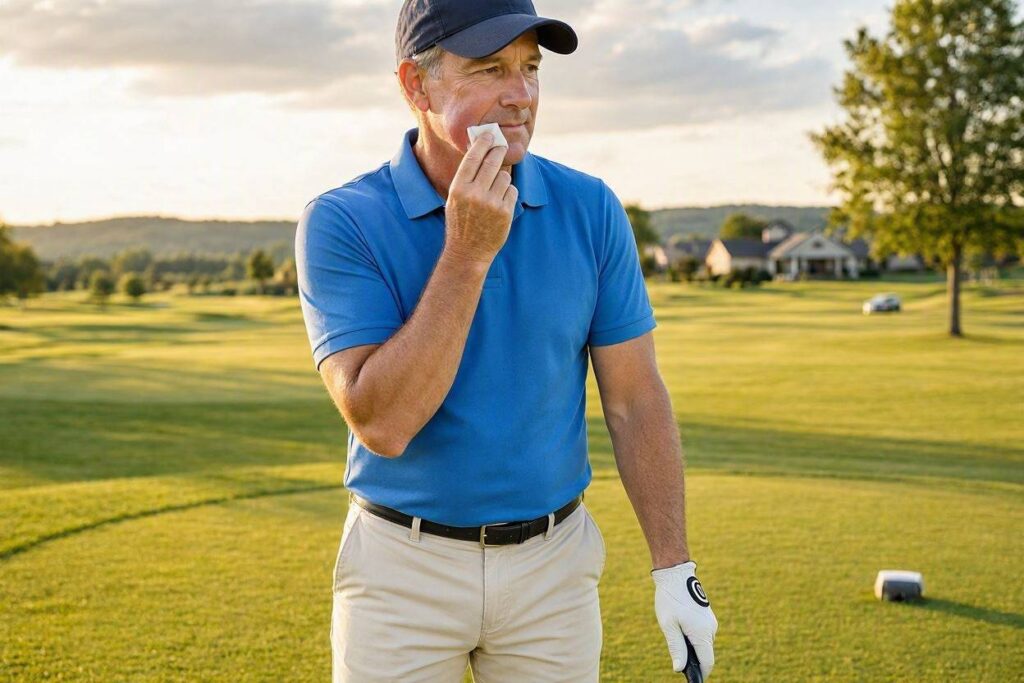
Golfers who need dental implants often worry about how the surgery will affect their time on the course. The good news is that golf is a relatively low-impact sport that most patients can return to fairly quickly after implant surgery. However, the timing depends on the complexity of your procedure, whether sedation was used, and how your body responds to surgery. Understanding the appropriate timeline protects your implant during the critical healing period while getting you back to your game as soon as safely possible.
Most patients can return to golf 3 to 7 days after a straightforward single dental implant placement. The primary concerns during the first few days are bleeding, swelling, and the effects of any sedation medications. Physical exertion that raises blood pressure can increase bleeding and swelling. After full-arch implant surgery or procedures involving bone grafting, a longer recovery of 7 to 14 days before returning to golf is recommended. Always follow your surgeon’s specific post-operative instructions.
Why Physical Activity Matters After Implant Surgery
Understanding the physiological reasons for activity restrictions helps patients appreciate why waiting matters.
Blood Pressure and Bleeding Risk
Physical exertion elevates heart rate and blood pressure. In the immediate post-operative period, the surgical site is sealed only by a blood clot. Elevated blood pressure can dislodge this clot, causing renewed bleeding. The blood clot is essential for initiating the healing cascade. Losing it not only causes bleeding but also delays healing and increases the risk of a painful dry socket if an extraction was performed simultaneously.
Golf involves walking several miles, often in warm weather, and the physical exertion of swinging. While not as intense as running or weightlifting, a full round of golf raises cardiovascular output enough to potentially disturb a fresh surgical site.
Swelling and Inflammation
The first 48 to 72 hours after implant surgery are when swelling peaks. Physical activity increases blood flow and can worsen swelling. Keeping the head elevated and avoiding exertion helps minimize post-operative swelling. Swinging a golf club involves head movement, bending, and sometimes jarring contact with the ground that can aggravate tender surgical sites.
Medication Effects
If you received sedation or general anesthesia for your implant procedure, you are legally and medically impaired for 24 hours after the procedure. Driving a car or golf cart, making decisions, and coordinating physical movements are all compromised. Even if you feel alert, the sedative medications continue affecting your system.
Prescription pain medications may also impair coordination and judgment. Operating golf carts or navigating the course while taking narcotic pain relievers is unsafe. Most patients transition to over-the-counter pain relief within a few days, removing this restriction.
Protecting the Surgical Site
The implant site needs protection from trauma during initial healing. An errant golf ball to the face is unlikely but possible. More practically, the physical jarring of hitting the ground with a club, the vibration through the jaw during a swing, and the clenching that some golfers do during concentration could stress a healing implant site.
Recommended Return-to-Golf Timeline
The appropriate timeline depends on the complexity of your implant procedure.
Simple Single Implant Placement (No Extraction, No Grafting)
This is the least invasive implant scenario. A single implant is placed into an edentulous site with adequate bone and healthy gum tissue.
Days 1-2: Complete rest. No golf. Ice the face, keep the head elevated, and manage discomfort with medication.
Days 3-4: Light activity is acceptable. Walking is fine. Putting and chipping in the backyard or practice green may be acceptable if you feel up to it and are not taking prescription pain medication. Avoid full swings that jar the body.
Days 5-7: Most patients can return to a full round of golf. Listen to your body. If the surgical site throbs or swells during activity, stop and rest. Avoid hitting from hard or compacted lies that transmit more vibration through the club.
After Day 7: Normal golf activity is generally fine. The surgical site should be sufficiently healed that normal physical activity does not threaten the implant.
Implant Placement With Simultaneous Tooth Extraction
When a failing tooth is removed and an implant is placed in the same procedure, the surgical trauma is greater, and recovery takes slightly longer.
Days 1-3: Complete rest. Manage bleeding, swelling, and discomfort. No golf.
Days 4-7: Light activity only. Walking on flat ground is fine. Putting may be acceptable. Avoid full swings. The extraction socket needs time to stabilize. Jarring or pressure changes in the mouth from exertion could disturb the socket.
Days 7-10: Gradual return to full golf. Start with a few holes rather than 18. Pay attention to how the site feels. Throbbing or increased discomfort means you are pushing too hard.
After Day 10: Full golf is typically acceptable.
Implant Placement With Bone Grafting
Bone grafting adds significant surgical complexity. The graft material must remain undisturbed for successful incorporation.
Days 1-5: Strict rest with limited activity. The graft site is fragile. Elevating blood pressure risks bleeding into the graft and disturbing the graft material.
Days 6-10: Light activity. Walking is encouraged. Putting may be acceptable. No full swings. The jarring of a full golf swing could theoretically disturb graft particles before they have stabilized.
Days 10-14: Gradual return to golf. Begin with partial rounds and assess tolerance.
After Day 14: Most patients with routine grafting can return to normal golf. Extensive grafting (block grafts, major sinus lifts) may require 3-4 weeks before unrestricted activity.
Full-Arch Implant Surgery (All-on-4, All-on-6)
This is the most extensive implant surgery. Multiple implants are placed, often with extractions and bone recontouring. Recovery is proportionally longer.
Days 1-7: Rest and recovery. This is major surgery. Swelling, bruising, and discomfort are significant. The body needs energy for healing, not recreation. No golf.
Days 7-14: Light activity may resume. Walking is fine. Putting and chipping might be acceptable toward the end of this period if you feel well. Full swings are still discouraged. The multiple surgical sites need more time for initial stabilization.
Days 14-21: Gradual return to golf, beginning with partial rounds. Assess tolerance. Full-arch patients often report fatigue during recovery, which affects golf performance.
After Day 21: Full golf is typically acceptable, though some patients may need longer depending on individual healing.
| Procedure Type | Putting/Chipping | Full Swing/Partial Round | Full 18 Holes |
|---|---|---|---|
| Single Implant (Simple) | 2-3 days | 3-5 days | 5-7 days |
| Implant + Extraction | 3-5 days | 5-7 days | 7-10 days |
| Implant + Bone Grafting | 5-7 days | 7-10 days | 10-14+ days |
| Full-Arch Implants | 7-10 days | 10-14 days | 14-21+ days |
Special Considerations for Golfers
Golf presents specific considerations beyond general physical activity restrictions.
The Golf Swing and Jaw Clenching
Many golfers unconsciously clench their jaw during the swing, particularly during the downswing and impact. This clenching places pressure on teeth and implants. In the early healing period, clenching could transmit force to the healing implant site.
Consciously relax your jaw during the swing when you first return to golf. Some patients benefit from wearing a temporary soft mouthguard during golf for the first few weeks after surgery.
Sun Exposure and Medications
Post-operative pain medications and antibiotics can increase sun sensitivity. Golf is played outdoors, often during peak sun hours. Increased sun sensitivity raises the risk of sunburn and photosensitivity reactions.
Use high-SPF sunscreen. Wear a wide-brimmed hat. Consider playing early morning or late afternoon when sun intensity is lower. Stay well-hydrated, as medications and surgery both increase fluid needs.
Hydration and Nutrition
Playing 18 holes of golf requires energy and hydration. After implant surgery, your body needs calories and fluids for healing. Dehydration impairs healing and increases discomfort. The soft food diet required after implant surgery may not provide the energy needed for a full round of golf.
Eat a substantial soft meal before playing (smoothies with protein, yogurt, oatmeal, soup). Bring soft snacks for the course. Drink plenty of water throughout the round. Avoid alcohol, which dehydrates and interacts with medications.
Golf Cart vs. Walking
Riding in a golf cart is less physically demanding than walking the course. Patients eager to return to golf earlier may consider using a cart for the first few rounds after surgery. The bumping and jarring of a golf cart on rough terrain could be uncomfortable for healing surgical sites, particularly full-arch surgery patients.
Walking a hilly course is cardiovascular exercise that raises heart rate and blood pressure more than walking on flat terrain. Choose a relatively flat course for your first round back.
Practice Facilities
Hitting balls at a driving range involves repetitive swings in a shorter time than playing a round. This concentrated activity may stress a healing surgical site more than a leisurely round with breaks between shots.
The driving range often has hard, compacted ground beneath the artificial mats. Hitting from these surfaces transmits more vibration than hitting from grass. Start with grass ranges and limit the number of balls you hit during initial return sessions.
Risks of Returning to Golf Too Soon
Understanding what is at stake reinforces the importance of following post-operative instructions.
Bleeding and Hematoma
Returning to physical exertion before the surgical site has stabilized can provoke bleeding. Blood thins and pressure rises during exercise. A hematoma (collection of blood beneath the tissue) can develop, causing swelling, pain, and delayed healing.
Compromised Osseointegration
The most critical concern is protecting the implant during the osseointegration phase. While a single round of golf a few days after surgery is unlikely to cause implant failure, the vibration, clenching, and blood pressure changes associated with intense physical activity do not help the healing process.
The 3-6 month osseointegration period depends on undisturbed healing. The initial days are the most critical for establishing the blood supply and cellular environment necessary for bone integration.
Prolonged Recovery
Pushing too hard too soon prolongs overall recovery. The body diverts energy to physical activity that would otherwise support healing. Swelling that was resolving may return. Discomfort that was improving may worsen. Patients who rest appropriately during the first week often recover faster overall.
Returning to Golf After the Prosthetic Phase
The abutment placement and crown delivery phases involve minor procedures with quicker recovery than the initial implant surgery.
After Abutment Placement
Abutment placement is a minor procedure. Recovery is typically 1-3 days of mild soreness. Golf can usually resume after 2-3 days.
After Final Crown Delivery
Crown delivery involves little to no discomfort. Golf can typically resume immediately or the following day.
Ongoing Considerations for Golfers With Implants
Once the implant is fully integrated and restored, no specific golf restrictions apply. The implant-supported crown functions like a natural tooth. However, golfers who clench or grind should consider a mouthguard to protect both natural teeth and implant restorations from excessive forces. Discuss sports mouthguards with your dentist.
Golf presents minimal risk of facial trauma compared to contact sports. The likelihood of a golf ball striking the face is very low but not zero. Standard precautions apply.
Frequently Asked Questions
Can I play golf the day after dental implant surgery?
No. The first 24-48 hours require rest. Sedation effects, bleeding risk, and the need to control swelling make golf inappropriate immediately after surgery.
How soon after All-on-4 surgery can I golf?
Most surgeons recommend waiting 2-3 weeks before returning to golf after full-arch implant surgery. The extensive nature of the procedure requires longer initial recovery.
Does swinging a golf club affect dental implants?
The jarring and vibration of a golf swing, combined with unconscious jaw clenching, could stress a healing implant site in the first week. After initial healing, golf does not affect integrated implants.
Can I ride in a golf cart after implant surgery?
Riding is less strenuous than walking and may be acceptable sooner. However, the bumping of a cart on rough terrain may be uncomfortable immediately after surgery.
What should I eat on the golf course after implant surgery?
Bring soft foods that do not require chewing near the surgical site. Smoothies, yogurt, applesauce, protein shakes, and soft sandwiches with the crusts removed are good options.
Can I wear a mouthguard for golf after implants?
Yes. A custom mouthguard can protect implants and natural teeth from clenching forces during golf. Discuss this with your dentist.
When can I play in a golf tournament after implant surgery?
Wait at least 2-3 weeks for simple cases and 4-6 weeks for extensive surgery. The stress of competitive play is greater than casual rounds.
Does the type of sedation affect when I can golf?
Yes. IV sedation or general anesthesia requires 24 hours before driving or operating machinery, including golf carts. Local anesthesia alone does not carry this restriction.
Additional Resources
For more information about dental implant recovery:
- American Academy of Implant Dentistry: www.aaid.com
- American Association of Oral and Maxillofacial Surgeons: www.aaoms.org
- American College of Prosthodontists: www.gotoapro.org