How Much Do Veneers Made Of Composite Bonding Cost?
Dental veneers have become one of the most sought-after cosmetic dentistry treatments worldwide. Among the various options available, composite bonding veneers stand out as an affordable and accessible alternative to traditional porcelain veneers. If you’re considering this treatment, understanding the costs involved is essential for making an informed decision.
Composite bonding veneers offer a fantastic way to transform your smile without breaking the bank. This comprehensive guide will walk you through everything you need to know about the costs associated with composite bonding veneers, including factors that influence pricing, regional variations, insurance considerations, and money-saving tips.

Understanding Composite Bonding Veneers
What Are Composite Bonding Veneers?
Composite bonding veneers are thin layers of tooth-colored resin material applied directly to the surface of your teeth. A dentist sculpts this material by hand to improve the appearance of your teeth, addressing issues like chips, cracks, discoloration, and minor misalignment.
Unlike porcelain veneers, which are custom-made in a dental laboratory, composite veneers are crafted directly in your mouth during a single appointment. This direct approach saves time and reduces overall costs.
How Do They Differ From Porcelain Veneers?
The main differences between composite and porcelain veneers include:
- Material composition: Composite uses resin, while porcelain uses ceramic
- Application process: Composite is applied directly, porcelain is lab-fabricated
- Durability: Porcelain typically lasts longer
- Cost: Composite is generally more affordable
- Appointment requirements: Composite often requires one visit, porcelain needs two or more
Average Cost Of Composite Bonding Veneers
General Price Range
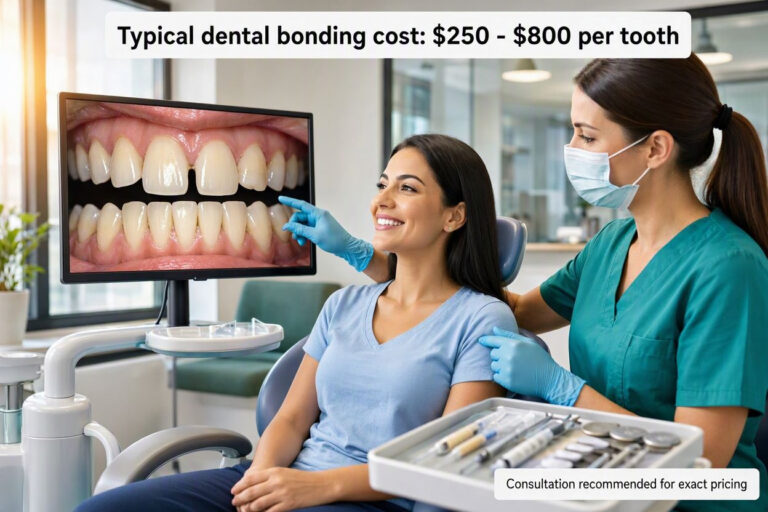
The cost of composite bonding veneers varies significantly depending on several factors. On average, you can expect to pay between $250 and $1,500 per tooth. This wide range reflects the many variables that influence pricing.
| Location Type | Price Per Tooth (Low) | Price Per Tooth (High) |
|---|---|---|
| Rural areas | $250 | $600 |
| Suburban areas | $400 | $900 |
| Urban areas | $600 | $1,200 |
| Major metropolitan | $800 | $1,500 |
Full Mouth Cost Estimates
If you’re planning to transform your entire smile, here’s what you might expect to pay:
| Number of Teeth | Estimated Cost Range |
|---|---|
| 4 teeth | $1,000 – $6,000 |
| 6 teeth | $1,500 – $9,000 |
| 8 teeth | $2,000 – $12,000 |
| 10 teeth | $2,500 – $15,000 |
| Full mouth (20+) | $5,000 – $30,000+ |
Factors That Influence The Cost
Geographic Location
Where you live plays a major role in determining dental costs. Dentists in areas with higher living expenses typically charge more for their services. For example, a composite veneer in New York City might cost twice as much as the same procedure in a small town in the Midwest.
Dentist’s Experience And Reputation
Highly experienced dentists with excellent reputations often charge premium prices. A dentist who has completed advanced training in cosmetic dentistry and has a portfolio of stunning smile transformations will likely charge more than a general practitioner.
Complexity Of The Case
Simple cases involving minor cosmetic improvements cost less than complex cases requiring extensive reshaping and rebuilding. If your teeth need significant restoration work before veneer application, expect higher costs.
Number Of Teeth Treated
The more teeth you treat, the higher your total cost. However, many dentists offer discounts for multiple teeth, so the per-tooth price often decreases when you treat more teeth at once.
Quality Of Materials
Not all composite materials are created equal. Premium composites that better mimic natural tooth appearance and offer superior durability cost more than basic options. Your dentist’s material choice affects both the final price and the longevity of your results.
Additional Procedures
Sometimes, composite veneers require preparatory work such as:
- Teeth cleaning
- Cavity treatment
- Gum contouring
- Tooth reshaping
- Professional whitening
These additional procedures add to your total investment.
Regional Price Variations
United States
Composite veneer prices in the US vary by state and city. Here’s a breakdown of average costs in different regions:
| Region | Average Cost Per Tooth |
|---|---|
| Northeast | $700 – $1,500 |
| West Coast | $650 – $1,400 |
| Midwest | $400 – $900 |
| South | $350 – $850 |
| Southwest | $450 – $1,000 |
Canada
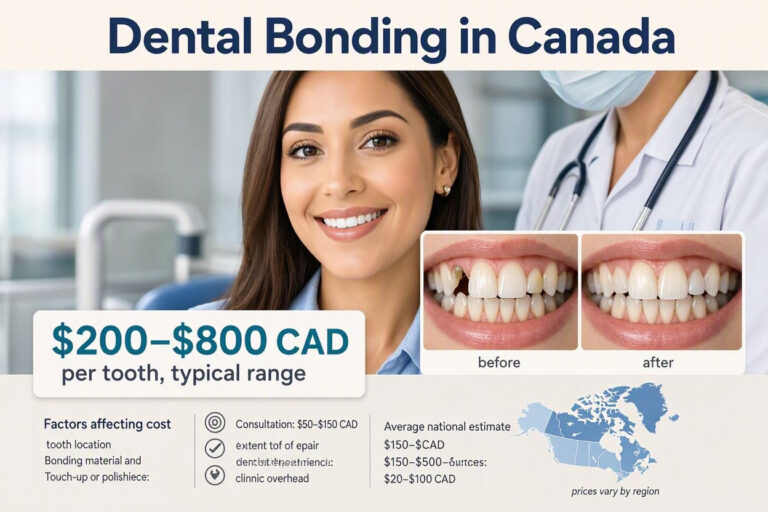
Canadian dental costs for composite veneers typically range from CAD $300 to CAD $1,200 per tooth. Prices are generally lower than in the US but vary by province.
United Kingdom
In the UK, composite bonding veneers cost between £150 and £600 per tooth through private dentists. NHS dentists rarely offer this cosmetic treatment.
Australia
Australian patients can expect to pay AUD $300 to AUD $800 per tooth for composite veneers.
Other Countries
| Country | Price Range Per Tooth (USD) |
|---|---|
| India | $50 – $200 |
| Mexico | $100 – $300 |
| Thailand | $80 – $250 |
| Philippines | $60 – $200 |
| Turkey | $100 – $350 |
Composite Vs Porcelain Veneers: Cost Comparison
Understanding how composite veneers compare to porcelain veneers helps you make the best choice for your situation.
| Feature | Composite Veneers | Porcelain Veneers |
|---|---|---|
| Cost per tooth | $250 – $1,500 | $800 – $2,500 |
| Durability | 5-7 years | 10-15 years |
| Stain resistance | Moderate | High |
| Natural appearance | Good | Excellent |
| Appointment time | 1 visit | 2-3 visits |
| Repairability | Easy | Difficult |
| Tooth preparation | Minimal | Moderate |
| Cost-effectiveness | High short-term | High long-term |
Long-Term Cost Analysis
While composite veneers cost less upfront, they require more frequent replacement. Over a 15-year period:
- Composite veneers: $1,500 – $4,500 (initial + 2 replacements)
- Porcelain veneers: $800 – $2,500 (one-time cost)
This analysis shows that porcelain veneers may be more cost-effective long-term, but composite veneers offer lower initial investment and easier maintenance.
The Composite Bonding Procedure
Initial Consultation
Your journey begins with a consultation where your dentist:
- Evaluates your oral health
- Discusses your cosmetic goals
- Explains treatment options
- Provides a detailed cost estimate
- Takes photographs and X-rays if needed
Preparation
Unlike porcelain veneers, composite bonding typically requires minimal tooth preparation. Your dentist may:
- Clean your teeth thoroughly
- Slightly roughen the tooth surface
- Apply a conditioning agent
- Select the appropriate shade
Application Process
The application process involves:
- Applying a bonding agent to the tooth
- Building up composite material in layers
- Sculpting the material to the desired shape
- Curing with a special light
- Polishing for a natural finish
Aftercare
Proper aftercare extends the life of your composite veneers:
- Avoid staining foods and drinks
- Practice good oral hygiene
- Wear a night guard if you grind your teeth
- Schedule regular dental check-ups
- Avoid biting hard objects
Insurance Coverage For Composite Veneers
Why Insurance Rarely Covers Cosmetic Veneers
Most dental insurance plans classify composite veneers as cosmetic procedures, which are typically excluded from coverage. Insurance companies consider them elective treatments rather than medically necessary.
Exceptions To The Rule
In some cases, insurance may provide partial coverage if:
- The veneers restore function after an accident
- The treatment addresses congenital defects
- The procedure is part of a medically necessary reconstruction
How To Maximize Insurance Benefits
Even when veneers aren’t covered, you can:
- Use your insurance for preparatory work
- Apply flexible spending accounts (FSA) funds
- Use health savings accounts (HSA) if eligible
- Ask about bundling procedures
Payment Options And Financing
Dental Payment Plans
Many dental offices offer in-house payment plans that allow you to spread costs over several months without interest. These plans typically require a down payment and regular monthly installments.
Third-Party Financing
Companies like CareCredit, Cherry, and Sunbit offer dental financing with:
- Low monthly payments
- Quick approval processes
- Various term lengths
- Promotional interest-free periods
Credit Cards
Using credit cards for dental work offers convenience but may carry high interest rates. Consider cards with:
- 0% introductory APR periods
- Dental-specific rewards
- Cashback benefits
Dental Savings Plans
Dental savings plans (not insurance) offer discounted rates at participating dentists. Members typically save 10-60% on procedures, including cosmetic treatments.
Money-Saving Tips
1. Get Multiple Quotes
Always consult several dentists and compare their prices. Prices can vary significantly between practices, so getting at least three quotes helps you find the best value.
2. Consider Dental Schools
Dental schools often provide treatments at reduced costs. Supervised students perform procedures, which can save you 30-50% on composite veneers.
3. Ask About Package Deals
Many dentists offer discounts when you treat multiple teeth. Ask about full-mouth packages or smile makeover specials.
4. Schedule During Slow Periods
Some dental practices offer promotions during slower months. January and February are often good times for dental deals.
5. Negotiate
Don’t be afraid to discuss pricing with your dentist. Many are willing to work with patients who pay upfront or commit to multiple procedures.
Maintaining Your Composite Veneers
Daily Care Routine
Protect your investment with proper daily care:
- Brush twice daily with a soft-bristled brush
- Use non-abrasive toothpaste
- Floss carefully around veneers
- Rinse with mouthwash
- Avoid excessive force when brushing
Foods And Drinks To Avoid
Certain items can stain or damage composite veneers:
| Category | Items To Limit |
|---|---|
| Beverages | Coffee, tea, red wine, cola |
| Foods | Berries, tomato sauce, curry |
| Habits | Smoking, chewing tobacco |
| Other | Hard candies, ice, fingernails |
Professional Maintenance
Schedule professional cleanings every six months. Your dentist can:
- Polish your veneers
- Check for damage
- Repair minor issues
- Assess overall oral health
When Composite Veneers Might Not Be Right For You
Contraindications
Composite veneers may not be suitable if you have:
- Severe teeth grinding (bruxism)
- Poor oral hygiene habits
- Significant tooth decay
- Gum disease
- Severely misaligned teeth
Alternative Treatments
Consider these alternatives:
- Porcelain veneers for longer-lasting results
- Dental crowns for severely damaged teeth
- Orthodontics for alignment issues
- Teeth whitening for discoloration only
Expert Opinions
“Composite bonding veneers offer an excellent entry point into cosmetic dentistry. They’re affordable, reversible, and can dramatically improve your smile in just one visit. However, patients should understand that they require more maintenance than porcelain alternatives.”
— Dr. Sarah Mitchell, Cosmetic Dentist
“I always tell my patients that composite veneers are like leasing a car versus buying one. You get great results now with lower upfront costs, but you’ll need to reinvest sooner than with porcelain.”
— Dr. James Rodriguez, DDS
Important Notes For Readers
Note 1: Prices mentioned in this article are estimates and may vary based on individual circumstances. Always consult with a qualified dentist for accurate pricing.
Note 2: Composite veneers are not permanent and will need replacement every 5-7 years with proper care.
Note 3: Results vary based on the dentist’s skill, material quality, and your oral habits.
Note 4: Insurance coverage for cosmetic procedures is limited. Verify benefits before treatment.
Note 5: Consider the long-term costs when choosing between composite and porcelain veneers.
Frequently Asked Questions
How long do composite bonding veneers last?
Composite veneers typically last 5-7 years with proper care. Some patients enjoy their veneers for up to 10 years, while others need replacement sooner. Longevity depends on your oral habits, the dentist’s skill, and the quality of materials used.
Can composite veneers be whitened?
Composite veneers do not respond to traditional teeth whitening products. The resin material doesn’t bleach like natural tooth enamel. If your veneers become stained, your dentist can polish them or replace them entirely.
Are composite veneers painful?
The procedure is generally painless because it requires minimal tooth preparation. Most patients don’t need anesthesia, though your dentist may offer it if you’re sensitive. You might experience mild sensitivity after the procedure, but this typically resolves within a few days.
Can I eat normally with composite veneers?
Yes, you can eat normally with composite veneers. However, you should avoid biting very hard objects like ice, hard candy, or fingernails. These can chip or crack the composite material.
How do I choose the right dentist for composite veneers?
Look for a dentist with:
- Advanced training in cosmetic dentistry
- A portfolio of before-and-after photos
- Positive patient reviews
- Experience with composite bonding specifically
- A comfortable, modern office
Is composite bonding reversible?
Yes, composite bonding is generally reversible because it requires minimal to no tooth preparation. If you decide to remove your veneers later, your natural teeth remain largely intact.
Can composite veneers fix crooked teeth?
Composite veneers can mask minor misalignment, but they’re not a substitute for orthodontic treatment. For significant alignment issues, braces or clear aligners are better options.
Additional Resources
For more information about dental costs and procedures, visit the American Dental Association website, which provides comprehensive resources on dental health and treatment options.
Conclusion
Composite bonding veneers offer an affordable, accessible path to a beautiful smile, with costs ranging from $250 to $1,500 per tooth depending on location, dentist experience, and treatment complexity. While they require more frequent replacement than porcelain veneers, their lower upfront cost and single-appointment application make them an attractive option for many patients. Understanding the factors that influence pricing helps you make informed decisions and find the best value for your dental investment.