How Much Does A Ceramic Crown Cost?
Ceramic crowns are one of the most popular restorative dental treatments available today. They look natural, feel comfortable, and can last for many years with proper care. If you need a crown, one of your first questions is likely about cost. Understanding what you will pay helps you plan ahead and avoid surprises.
The price of a ceramic crown can vary widely depending on where you live, the type of ceramic used, your dentist’s experience, and whether you have dental insurance. This guide breaks down everything you need to know about ceramic crown costs, including average prices, regional differences, insurance coverage, payment options, and ways to save money.

What Is A Ceramic Crown?
A ceramic crown is a tooth-shaped cap that covers a damaged or weakened tooth. It restores the tooth’s shape, size, strength, and appearance. Dentists use ceramic crowns for many reasons, including:
- Protecting a weak tooth from breaking
- Restoring a broken or severely worn tooth
- Covering a tooth after a root canal
- Supporting a dental bridge
- Improving the appearance of a discolored or misshapen tooth
Ceramic crowns are popular because they blend in with natural teeth. Unlike metal crowns, they do not have a dark gray appearance. This makes them a great choice for front teeth and for patients who care about aesthetics.
Types Of Ceramic Crowns
Not all ceramic crowns are the same. Different materials offer different benefits and price points.
| Type | Description | Typical Cost Per Crown |
|---|---|---|
| All-ceramic | Made entirely of ceramic, excellent appearance | $800 – $2,500 |
| Porcelain-fused-to-metal (PFM) | Metal base with porcelain exterior | $700 – $1,800 |
| Zirconia | Strong, durable, tooth-colored | $900 – $2,500 |
| Lithium disilicate (e.max) | High-strength, highly aesthetic | $1,000 – $2,500 |
| Pressed ceramic | Layered ceramic with good fit | $900 – $2,200 |
All-ceramic and zirconia crowns are often the most expensive because they require advanced technology and skilled lab work. PFM crowns cost less but may show a dark line at the gum line over time.
Average Cost Of A Ceramic Crown
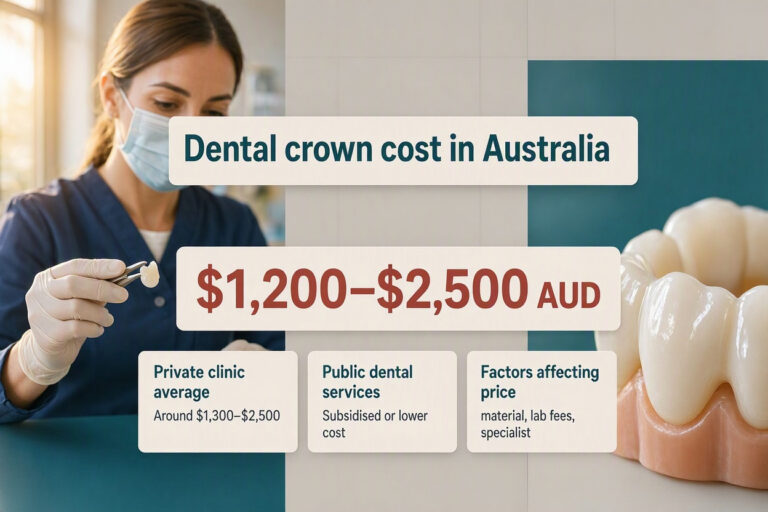
The average cost of a ceramic crown in the United States ranges from $800 to $2,500 per tooth. Many patients pay around $1,200 to $1,800 for a single all-ceramic crown. The total price usually includes:
- Dental examination and X-rays
- Tooth preparation
- Temporary crown
- Custom crown fabrication by a dental lab
- Final fitting and cementation
Some dentists quote a lower price for the crown itself but charge separately for X-rays, impressions, or the temporary crown. Always ask for a complete written estimate before treatment begins.
| Region | Average Cost Per Ceramic Crown |
|---|---|
| Northeast US | $1,200 – $2,800 |
| West Coast US | $1,100 – $2,600 |
| Midwest US | $800 – $1,900 |
| South US | $750 – $1,800 |
| Southwest US | $850 – $2,000 |
Factors That Influence The Cost
Many things affect how much you pay for a ceramic crown.
Geographic Location
Dental fees are higher in large cities and affluent areas. A crown in New York City or San Francisco may cost twice as much as the same crown in a small rural town. Rent, staff salaries, and lab fees are higher in urban areas, and those costs get passed on to patients.
Dentist’s Experience And Training
An experienced cosmetic dentist or prosthodontist often charges more than a general dentist. Advanced training, years of practice, and a strong reputation can justify higher fees. However, higher cost does not always mean better quality. It is important to choose a dentist you trust.
Complexity Of The Case
A simple crown on a healthy tooth costs less. If your tooth needs additional work, the price rises. Common add-ons include:
- Root canal treatment
- Core buildup
- Gum contouring
- Extraction of a neighboring tooth
- Treatment for infection
Tooth Position
Molars and premolars bear heavy chewing forces. They may require stronger materials like zirconia, which can cost more. Front teeth need the most natural appearance, so high-quality all-ceramic crowns are often used. Both factors can influence price.
Dental Lab Fees
The dental lab that makes your crown charges your dentist a fee. Labs that use advanced technology, such as CAD/CAM milling or 3D printing, may charge more. The quality of the ceramic material also affects the lab fee.
Temporary Crown
Most dentists place a temporary crown while the permanent one is being made. Some include this in the total price. Others charge separately, usually $50 to $300.
Regional Price Variations
Ceramic crown costs differ around the world. Here is a general comparison.
| Country | Average Cost Per Ceramic Crown (USD) |
|---|---|
| United States | $800 – $2,500 |
| Canada | $700 – $2,000 |
| United Kingdom | $500 – $1,500 |
| Australia | $800 – $2,000 |
| India | $100 – $400 |
| Mexico | $300 – $700 |
| Thailand | $250 – $600 |
| Philippines | $150 – $500 |
| Turkey | $200 – $600 |
Dental tourism is popular for patients who want lower prices. However, traveling for dental work carries risks. Follow-up care, language barriers, and different quality standards can complicate treatment.
Does Insurance Cover Ceramic Crowns?
Dental insurance often covers part of the cost of a ceramic crown. Most plans pay 50% of the cost after you meet your deductible. However, there are limits.
- Annual maximum: Most plans have a yearly cap, often $1,000 to $2,000.
- Cosmetic exclusion: If the crown is purely cosmetic, insurance may not pay.
- Alternate benefit: Some plans pay only for the cost of a metal crown, leaving you to pay the difference for ceramic.
- Pre-authorization: Many insurers require approval before treatment.
If you have no insurance, you will pay the full fee. Some dentists offer discounts for cash payments or upfront payment.
Ceramic Crowns Vs Other Crown Types
| Crown Type | Cost Range | Appearance | Durability |
|---|---|---|---|
| Ceramic | $800 – $2,500 | Excellent | 10-15 years |
| Porcelain-fused-to-metal | $700 – $1,800 | Good | 10-20 years |
| Gold alloy | $800 – $2,500 | Poor (metallic) | 15-25 years |
| Base metal alloy | $500 – $1,500 | Poor | 10-15 years |
| Composite resin | $400 – $1,200 | Fair | 5-10 years |
Ceramic crowns cost more than base metal crowns but look much better. Gold crowns are strong but visible. Composite resin crowns are cheaper but wear out faster.
The Ceramic Crown Procedure
Understanding the steps helps you see where your money goes.
1. Consultation And Examination
Your dentist examines your tooth, takes X-rays, and discusses treatment options. You receive a cost estimate.
2. Tooth Preparation
The dentist numbs the area and reshapes the tooth. This usually involves removing 1 to 2 millimeters of tooth structure.
3. Impressions
Your dentist takes impressions of your teeth. These go to a dental lab. Some offices use digital scanners instead of traditional impression material.
4. Temporary Crown
A temporary crown protects your tooth while the permanent crown is being made. This usually takes 1 to 3 weeks.
5. Permanent Crown Placement
At the second visit, your dentist removes the temporary crown, checks the fit of the permanent crown, and cements it in place.
How Long Do Ceramic Crowns Last?
With good oral hygiene, ceramic crowns can last 10 to 15 years. Some last 20 years or more. Longevity depends on:
- Your bite and chewing habits
- Whether you grind or clench your teeth
- Oral hygiene
- Regular dental check-ups
- The quality of the crown and the dentist’s work
Avoid biting hard objects like ice, pens, and fingernails. If you grind your teeth at night, ask your dentist about a night guard.
Payment Options And Financing
You do not have to pay the full amount at once. Many options exist.
- Dental payment plans: Many offices offer in-house plans with monthly payments.
- Third-party financing: CareCredit, Cherry, and Sunbit offer loans for dental work.
- Credit cards: Convenient but watch for high interest.
- Dental savings plans: Discount plans can reduce costs by 10-60%.
- Health savings accounts (HSA): Some plans allow HSA funds for dental care.
- Flexible spending accounts (FSA): Use pre-tax dollars for eligible dental expenses.
Money-Saving Tips
- Get at least three quotes from different dentists.
- Ask about discounts for multiple crowns.
- Check dental schools for lower-cost treatment.
- Schedule treatment during promotional periods.
- Negotiate if you pay upfront.
- Use insurance benefits before they expire at year-end.
- Consider a dental savings plan if you have no insurance.
Expert Opinions
“Ceramic crowns are an excellent investment in your oral health. They restore function and appearance, and with proper care, they can last for many years. The key is choosing the right dentist and understanding the full cost before you begin.”
— Dr. Emily Chen, Prosthodontist
“Patients often focus only on the price of the crown. But the total cost includes exams, X-rays, temporary crowns, and possible follow-up visits. Always ask for a complete breakdown.”
— Dr. Michael Thompson, DDS
Important Notes For Readers
Note 1: Prices in this article are estimates. Your actual cost depends on your dentist and location.
Note 2: Ceramic crowns are not indestructible. They can chip or crack under heavy force.
Note 3: Insurance coverage varies. Verify your benefits before treatment.
Note 4: A crown does not protect against gum disease. Keep cleaning around the crown.
Note 5: If you grind your teeth, a night guard can extend the life of your crown.
Frequently Asked Questions
How much does a ceramic crown cost without insurance?
Without insurance, you can expect to pay between $800 and $2,500 per crown. The exact price depends on your location, the type of ceramic, and your dentist’s fees.
Is a ceramic crown better than a porcelain-fused-to-metal crown?
Ceramic crowns look more natural and are better for front teeth. PFM crowns are stronger and often cheaper, but they can show a dark metal line at the gums. The best choice depends on the tooth and your budget.
Can I get a ceramic crown on a back tooth?
Yes. Zirconia and other strong ceramics work well on back teeth. They withstand chewing forces and look natural.
How long does it take to get a ceramic crown?
The process usually takes two visits over 1 to 3 weeks. Same-day crowns are possible with CAD/CAM technology in some offices.
Does a ceramic crown hurt?
The procedure is done with local anesthesia, so you should not feel pain. Some soreness after the appointment is normal and usually goes away in a few days.
Can a ceramic crown be repaired?
Small chips can sometimes be repaired with composite resin. Large cracks usually require replacing the crown.
Will my ceramic crown change color?
High-quality ceramic crowns resist staining well. However, the cement line and surrounding teeth may change color over time. Regular cleanings help maintain appearance.
Additional Resources
For more information on dental crown costs and care, visit the American Dental Association website. It offers trusted resources on oral health and dental treatments.
Conclusion
Ceramic crowns typically cost between $800 and $2,500 per tooth, with prices influenced by location, dentist experience, material type, and additional procedures. Insurance may cover part of the cost, but many patients pay out of pocket or use financing options. By understanding the full price breakdown and maintenance needs, you can make a confident decision about restoring your smile.